


Antique Maritime Print
An antique maritime print brings the salt air and the weight of seafaring history straight onto your wall.
Antique Maritime Print
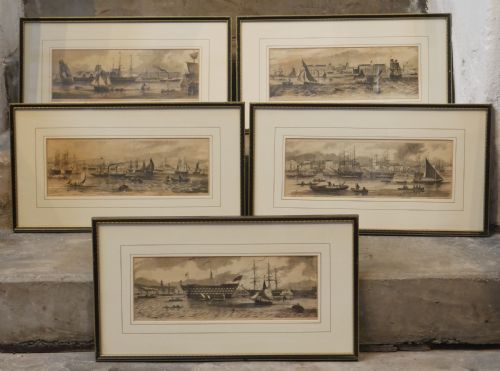
An antique maritime print captures the enduring pull of the sea through historical engravings, aquatints, and lithographs spanning several centuries. These works document naval engagements, bustling dockyards, and solitary coastal harbours with remarkable precision. Buyers selecting an antique maritime print often seek a direct connection to naval heritage and the age of sail.
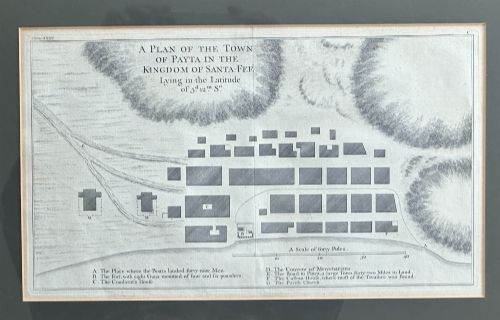
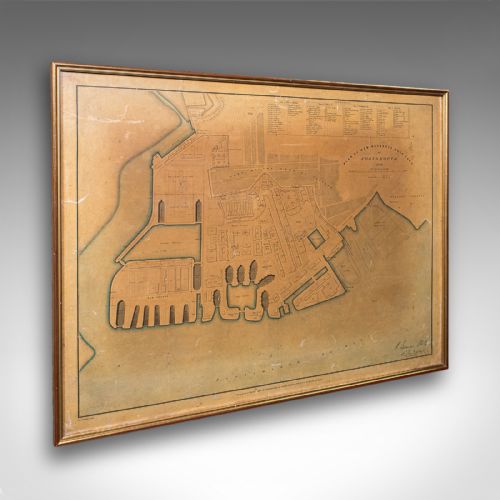
The material record on this page spans from the mid eighteenth century through the Victorian era and into the early twentieth century. Common formats include single sheet engravings, maps of famous voyages, and illustrated town plans of Portsmouth or Liverpool. Each piece serves as a visual archive of maritime development and coastal life.
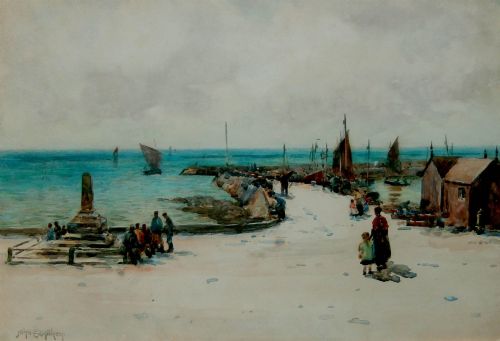
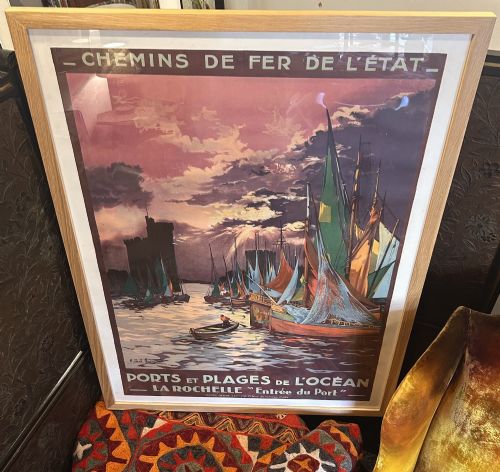
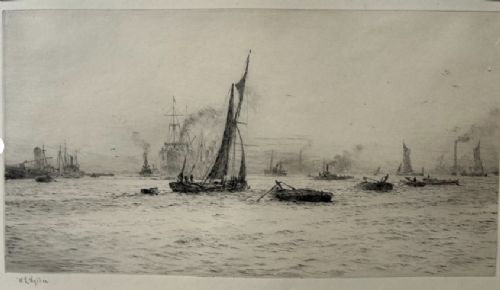
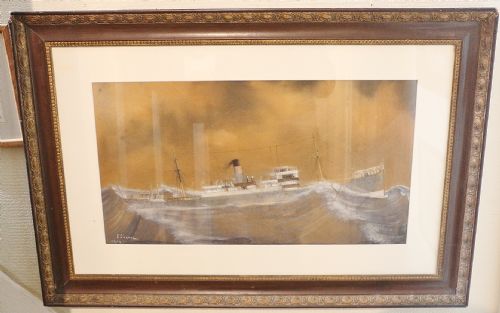
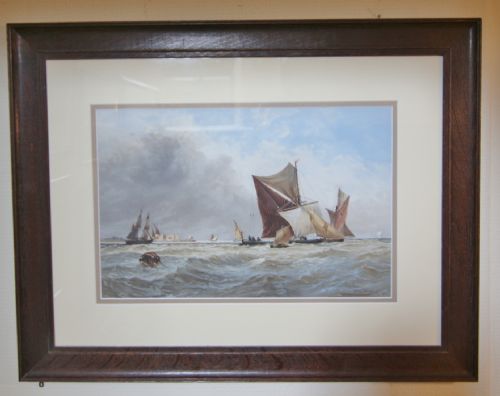
The selection ranges from detailed etchings of London bridges to atmospheric watercolors and French railway posters celebrating coastal destinations. Whether depicting royal yachts off Osborne House or whaling fisheries in the South Seas, these works reflect the diverse ways artists recorded maritime subjects. Buyers encounter everything from technical harbour charts to artistic depictions of rough waters and steamships.
Materials and methods
The production of these works relies heavily on paper surfaces combined with ink, watercolour, and occasionally glass or wood framing. Engravers and etchers utilised metal plates to press fine lines into paper, creating sharp topographical details of ships and harbours. Lithographic techniques later allowed for richer tonal variations and wider distribution of coastal scenes.
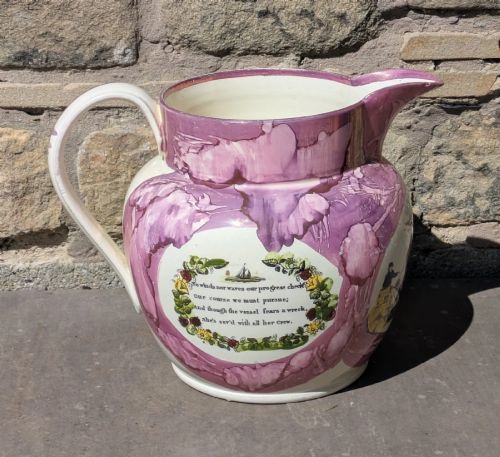
Many items incorporate traditional framing materials such as oak, maple, and gilt surrounds that protect the paper beneath. Hand colouring with watercolour frequently enhances printed engravings, adding depth to sea and sky. Earthenware surfaces also appear in the broader category through commemorative jugs and bowls featuring marine transfers.
Listings feature works spanning the eighteenth, nineteenth, and early twentieth centuries, utilising paper, ink, watercolour, and oak frames.
Judging the standard
Quality rests upon the crispness of the plate impression and the strength of the original draughtsmanship. Superior examples retain deep, clean lines without blurring or fading across the paper surface.
The involvement of known marine artists or skilled engravers elevates the standing of a piece significantly. Preservation of the original paper tone and the authenticity of early framing further distinguish finer examples.
John E. Aitken·William Lionel Wyllie·TB Hardy·Frank Wood·WF Mitchell
The Antique Maritime Print Glossary
- Aquatint
- An etching method that produces tonal areas resembling watercolor washes. This technique allowed printmakers to capture subtle shifts in sea and sky.
- Engraving
- A printmaking process where an artist cuts lines directly into a metal plate with a burin. It yields sharp, precise details ideal for cartography and ship portraits.
- Lithography
- A planographic printing method based on the repulsion of oil and water. It enabled accurate commercial reproduction of coastal paintings in the nineteenth century.
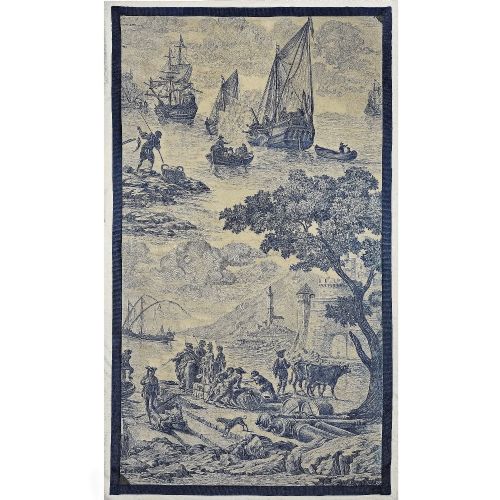
- Toile
- A heavy cotton or linen fabric printed with a monochromatic design depicting pastoral or marine scenes. It often appears in decorative wall panels from the nineteenth century.
Antique Maritime Print: Frequently Asked Questions
How do I identify the age of a print?
Examine the paper type, watermark, and printing technique used to create the image. Hand pressed engravings and early aquatints differ visibly from later mechanical reproductions.
Paper characteristics from the eighteenth and nineteenth centuries often display distinct textures and ageing patterns that help narrow down the production period.
Were these prints meant for framing originally?
Many prints were published individually or as part of serial folios intended for binding or display. Maps and architectural charts were often framed for navigation or study.
Over time, collectors preserved loose plates in bespoke wood and gilt frames to protect them from environmental damage.
How should I care for old paper?
Keep prints away from direct sunlight to prevent the fading of ink and watercolor pigments. Maintain stable humidity levels to protect fragile paper fibres from warping.
Use acid free backing materials when reframing to ensure the long term preservation of the historical sheet.
What subjects are most common?
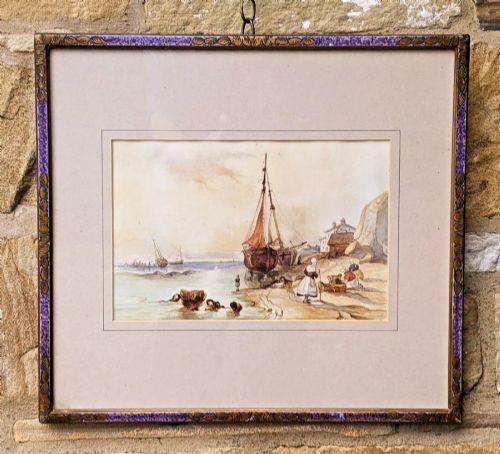
Naval battles, merchant barques, and harbour charts dominate the historical record of these works. Coastal landscapes featuring fishing boats and tidal scenes also appear frequently.
Documentation of specific vessels and royal reviews of the fleet reflect the public appetite for maritime expansion.