





Antique Maritime Landscape
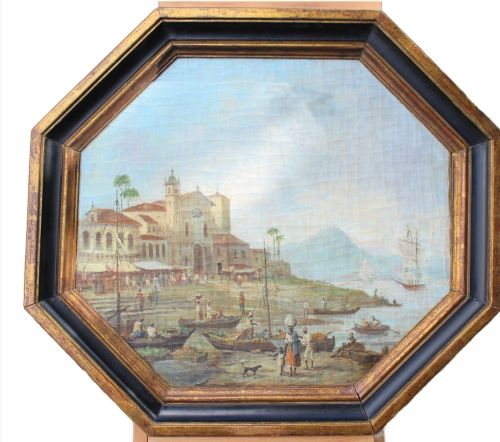
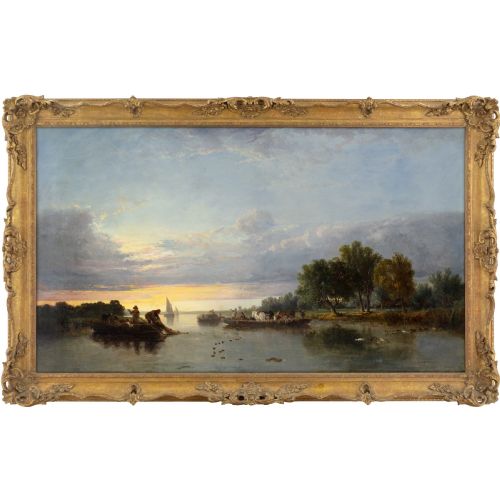
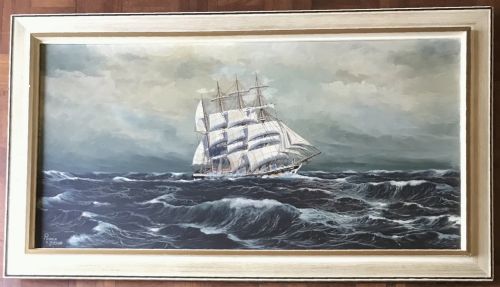
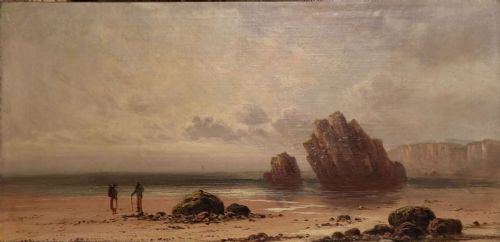
When you search for an antique maritime landscape, you find works capturing coastal views, harbours and rivers painted across the nineteenth and twentieth centuries.
Antique Maritime Landscape
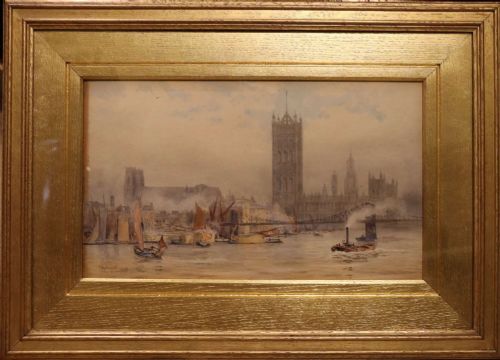
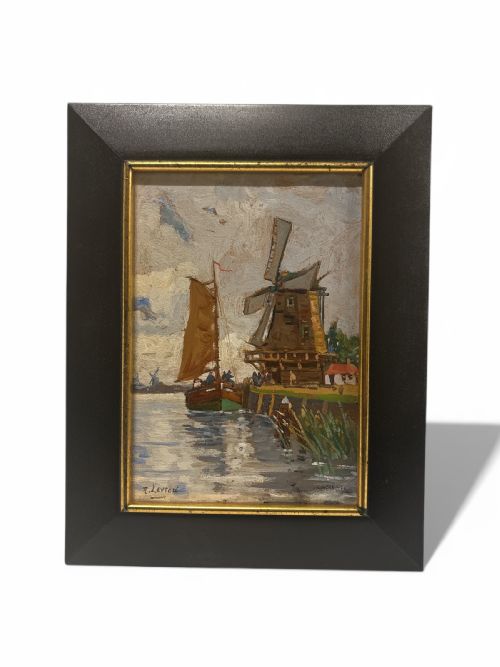
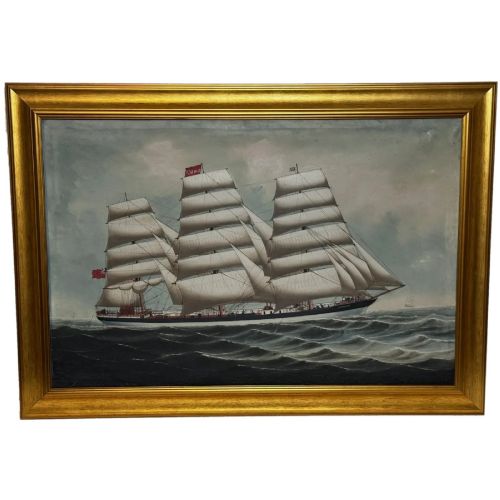
An antique maritime landscape combines coastal scenery, open water and human activity such as fishing boats, harbours and river views. These works document maritime life along British, Dutch and Venetian shores from the nineteenth and twentieth centuries.
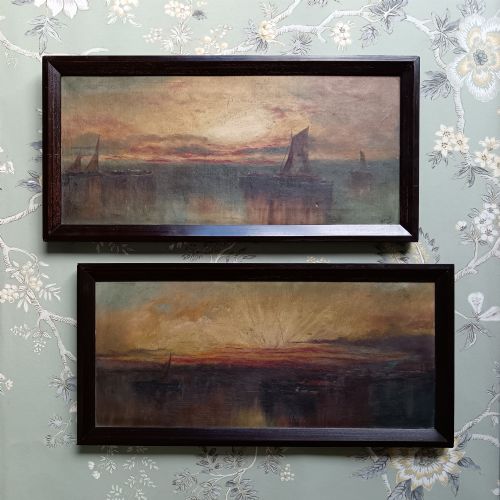
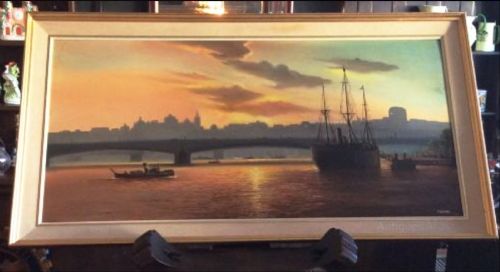
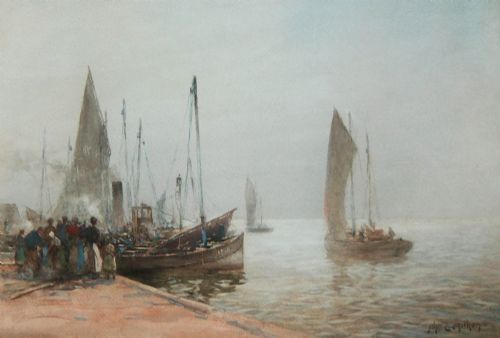
The pieces on this page appear primarily as oil paintings on canvas or board, alongside watercolours on paper. Subjects range from tranquil moonlit coastal paths and sunrise harbour scenes to dramatic storms with Dutch boats in gales.
Framed watercolours and oil paintings in gilt wood frames represent the typical presentation of these scenes. They span periods from the early nineteenth century through the Victorian and Edwardian eras into the mid-twentieth century.
How these pieces were made
Artists painted maritime landscapes using oil paint on canvas, board or panel, applying pigment to capture the light on water and sky. Others utilised watercolour paint on paper to render translucent washes for coastal views and harbour scenes.
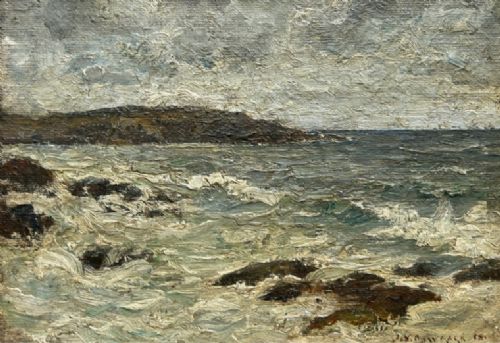
Works frequently use gilt wood frames to enclose the canvas or paper support. Impasto techniques appear in specific oil paintings to build raised texture on rocky coastal seascapes.
Listings feature works in oil on canvas, oil on board, and watercolour on paper, spanning the 19th century to the mid-20th century.
What varies in quality
Quality rests in the handling of light, atmosphere and water movement by the painter. A strong composition conveys the depth of the sea and the specific weather of a coastal harbour or river Thames view.
The precision of detail in shipping vessels, architecture and figures distinguishes finer works from simpler studies. Original framing in period gilt wood further separates pieces within the range.
James Orrock·Bonaventura Peeters·Francis Moltino·John Wilson Carmichael·Joseph Farquharson·John Moore of Ipswich
The Antique Maritime Landscape Glossary
- Watercolour
- A paint consisting of water-soluble pigment that produces transparent washes on paper. This medium was widely used for coastal and harbour scenes.
- Impasto
- Paint applied thickly to a canvas or board so that it stands out from the surface. This technique adds texture to rocky coastal seascapes.
- Gilt wood
- Wood coated with a thin layer of gold leaf or gold paint. This material forms the traditional frames enclosing nineteenth-century oil paintings.
- Seascape
- A work of art depicting the sea, coastal views and shipping. These form the primary subject matter of maritime landscapes.
Antique Maritime Landscape: Frequently Asked Questions
What periods do these paintings date from?
The listings span the nineteenth and twentieth centuries, including Victorian, Edwardian and early twentieth-century examples.
Dates range from early nineteenth-century studies through to mid-twentieth-century river and sea views.
What materials were used to create them?
Artists used oil paint on canvas, board and panel, or watercolour on paper.
Many pieces retain their original gilt wood frames.
Where do the coastal scenes depict?
Locations include British fishing ports such as Whitby, St Ives, Brighton and Anstruther.
Other works record international views including the Venetian lagoon, Antwerp, Rotterdam canals and Dutch waters.
How do oil and watercolour paintings differ?
Oil paintings utilise heavy pigment on canvas or board, allowing for textured impasto and rich atmospheric depth.
Watercolours employ transparent washes on paper to capture lighter coastal and harbour effects.