


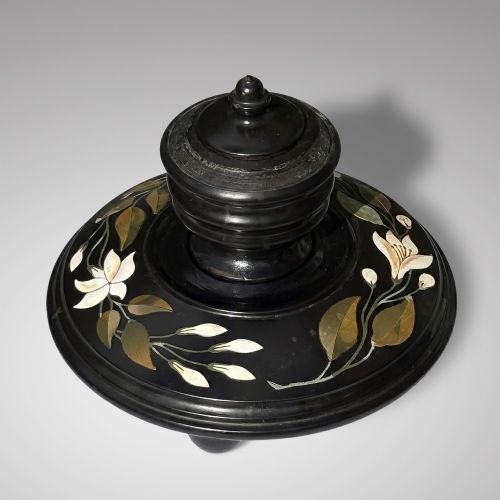



Antique Marble Writing Set
An antique marble writing set brings weight and presence to a desk through the combination of carved stone and metal mounts.
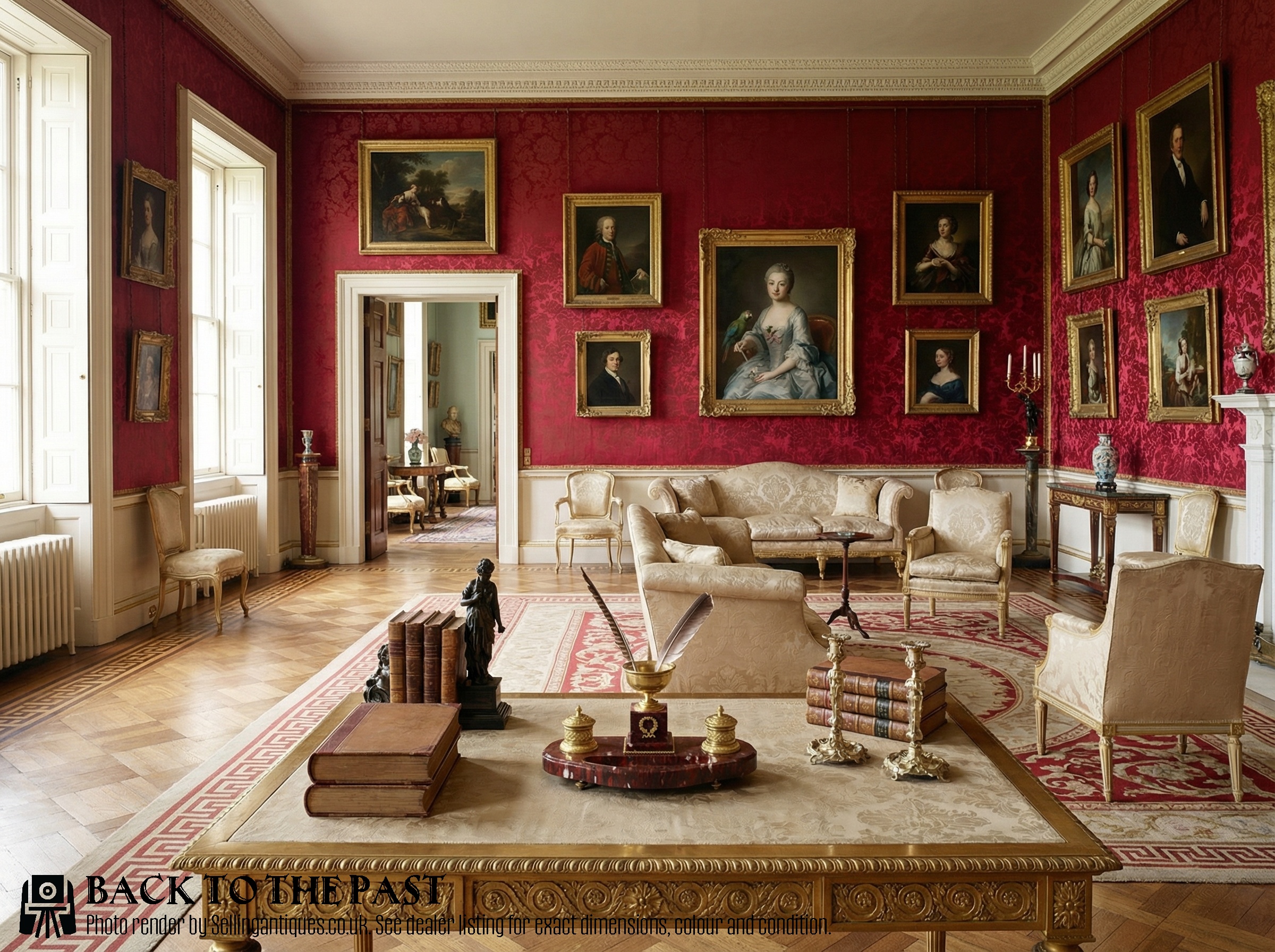
Antique Marble Writing Set
An antique marble writing set brings together a stone base with inkwells, pen trays and sometimes a matching bust or bell for correspondence. These desk accessories served as functional centrepieces in studies and offices across the nineteenth and early twentieth centuries.
The selections encountered here span the 19th Century, 1900, 1930, 1870 and 1920, ranging from compact single inkwells to substantial double inkstands. Forms encompass French Empire, Art Nouveau, Neoclassical, Victorian, Art Deco and Edwardian designs.
Origin points cluster around French workshops alongside Belgian and British makers, utilising diverse stones including Sienna marble, green marble, onyx and Ashford black marble. Each set reflects the architectural and decorative tastes of its specific period of manufacture.
What varies in quality
Quality rests in the selection and preparation of the stone, where dense, flawless marble with rich natural figuring surpasses plain or heavily repaired slabs. The weight and stability of the base dictate how well the piece supports heavier metal ink pots.
The refinement of the metalwork separates standard production from finer examples, seen in the crispness of chased ormolu and gilt bronze mounts. Maker attribution and the integration of secondary materials like lapis lazuli further distinguish superior pieces.
Antique Marble Writing Set Retail Price Guide 2026
Typical asking prices for marble writing set among the pieces listed under this phrase on Sellingantiques today, from the lower quarter to the upper quarter. They describe what is for sale here now, not the wider market.
Some nineteenth-century writers kept Napoleon watching over their correspondence through miniature bronze busts mounted directly onto the inkstand.
Lefebvre of Belgium·Albert Marionnet·Jules Dalou·Zimmermann
The Antique Marble Writing Set Glossary
- Encrier
- A French term for an inkstand or inkwell, frequently encountered on continental desk pieces. It usually incorporates a tray with one or more ink containers.
- Ormolu
- Gilt bronze produced by applying a finely ground mercury-gold amalgam to bronze, then firing it to leave a rich golden layer. It provides durable ornamentation on nineteenth-century stands.
- Ashford Black Marble
- A dark, fine-grained limestone from Derbyshire that takes a high polish and was often inlaid with colourful mosaic stones. It forms distinctive British desk pieces.
- Sienna Marble
- A decorative Italian marble known for its rich yellow ground with dark purple or brown veining. It was favoured in Neoclassical and Empire desk accessories.
- Vert Marble
- A generic term for green decorative marble used extensively in French and continental stonework. The shade ranges from deep forest green to mottled olive.
Antique Marble Writing Set: Frequently Asked Questions
What is an antique marble writing set?
An antique marble writing set is a desk accessory featuring a stone base fitted with inkwells and pen rests. These pieces were designed to organise writing desks in studies and libraries.
The materials typically combine carved marble or onyx with bronze, brass or ormolu mounts. They range from simple nineteenth-century blocks to elaborate French Empire and Art Nouveau compositions.
How were these sets used?
They provided a stable station for holding ink, dipping pens and blotting correspondence before the invention of the ballpoint pen. The heavy stone base prevented the stand from tipping during use.
Many included compartments for stamps, sealing wax or small trinkets. They sat permanently on executive desks as both utilitarian tools and status symbols.
How do I date a marble desk set?
Dating relies on stylistic clues, such as the symmetrical restraint of Neoclassical and Empire pieces versus the organic flowing lines of Art Nouveau. The materials and manufacturing techniques also shift from nineteenth-century ormolu mounts to later Art Deco onyx designs.
Maker signatures or stamps on the bronze elements provide definitive attribution. Hallmarks on silver mounts offer precise year and location markers.
How do I care for marble and bronze?
Marble requires gentle cleaning with a soft, damp cloth and neutral soap, avoiding acidic cleaners that etch the polished stone. Bronze and ormolu mounts should be dusted dry without abrasive polishes that strip the gilding.
Keeping the pieces away from direct heat sources protects any internal adhesives or fitted glass liners. Regular light dusting maintains the surface finish.