



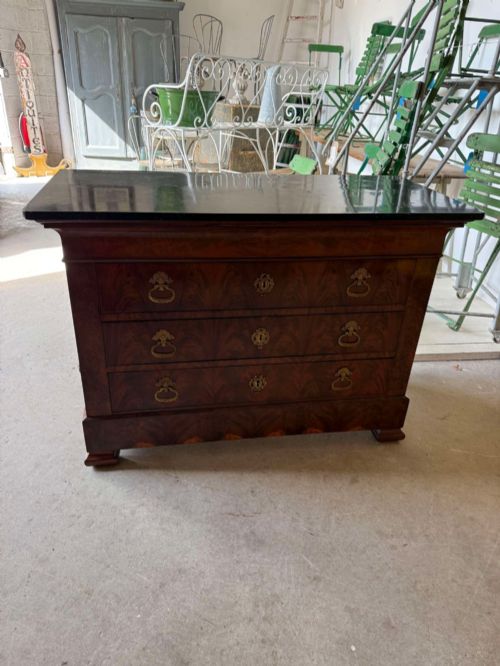
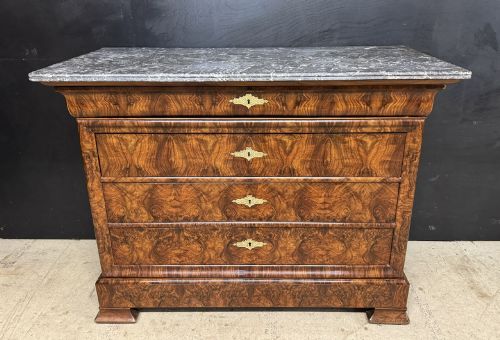
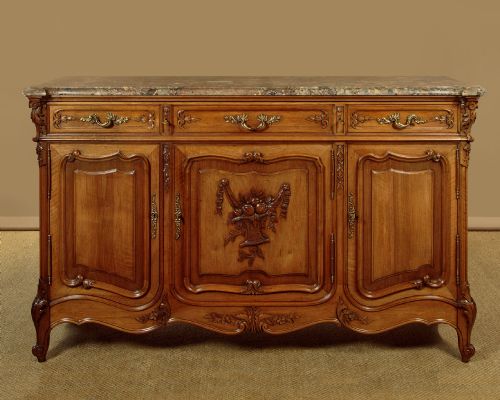
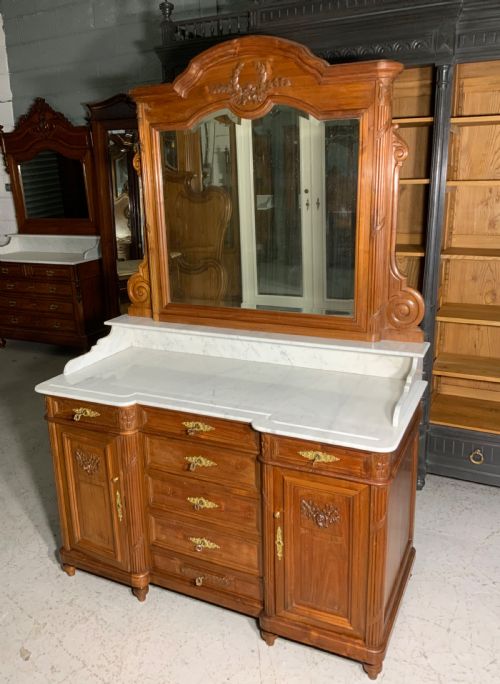
Antique Marble Dresser
An antique marble dresser brings enduring weight and cool surface texture into a room, uniting timber cabinetry with polished stone.
Antique Marble Dresser
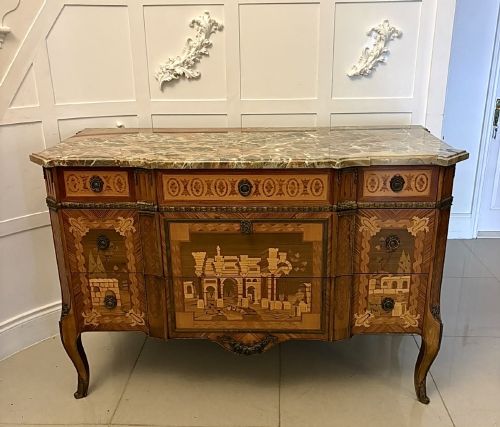
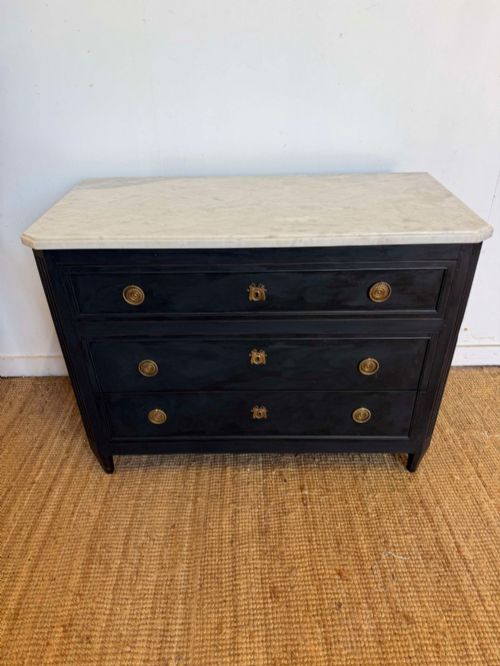
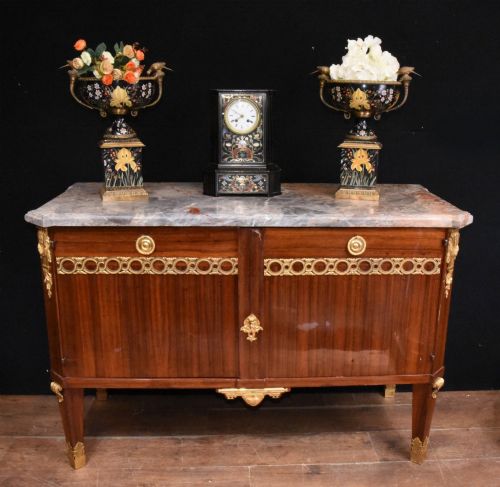
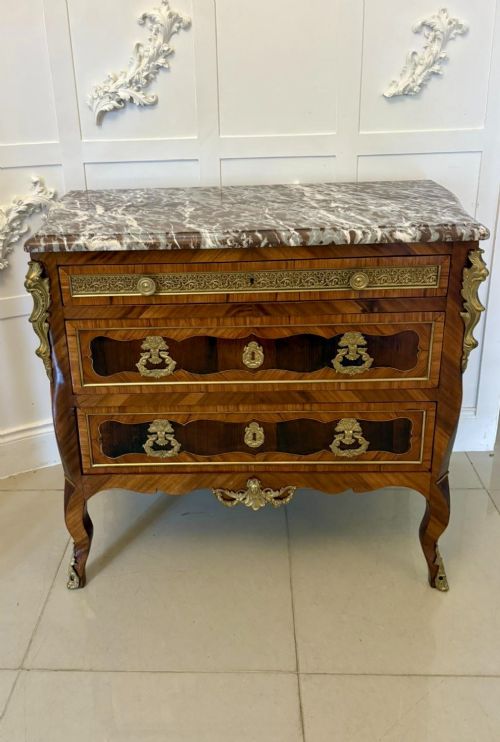
When searching for an antique marble dresser, collectors encounter a diverse group of case furniture that includes commodes, washstands, and chests of drawers fitted with stone slabs. These pieces span from the eighteenth century through to the early twentieth century, originating primarily from French workshops alongside English and Continental makers.
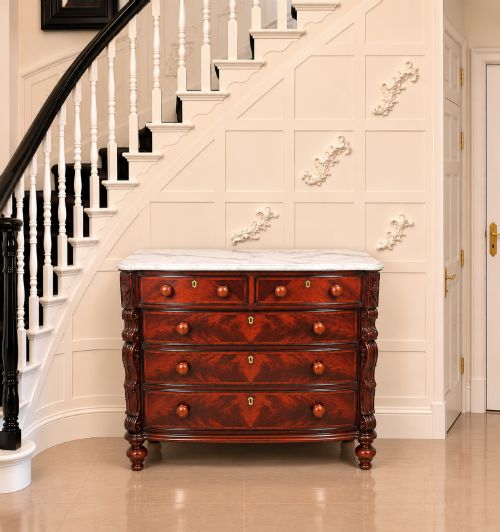
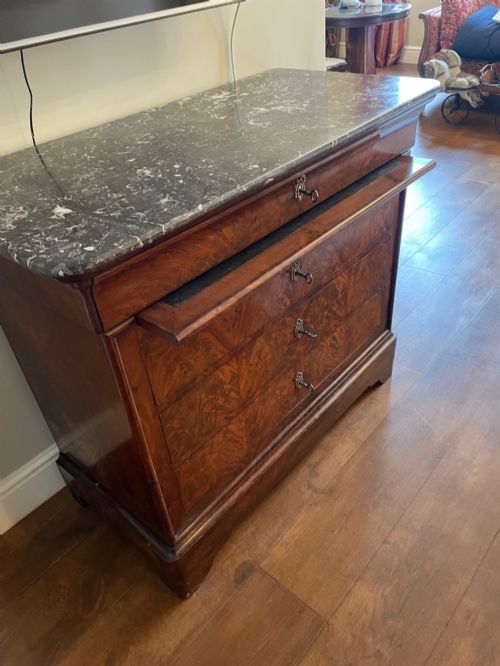
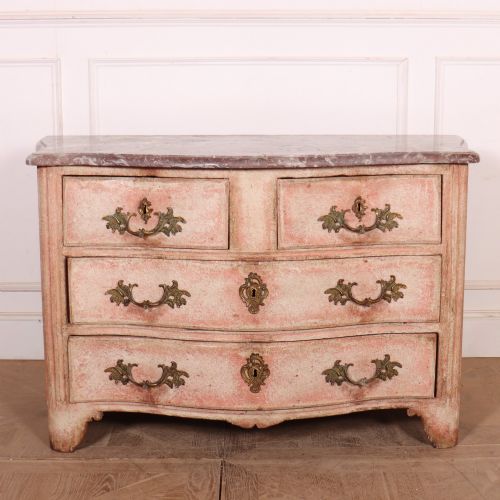
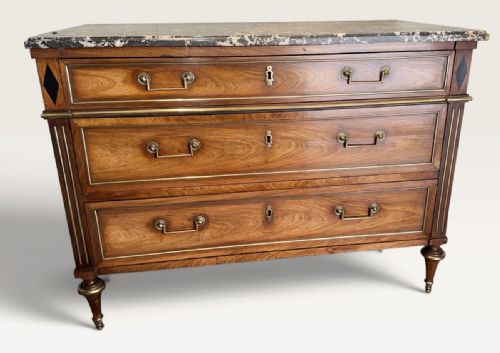
Examples stretch across varied regional traditions, taking in Louis XVI parquetry, Louis XV bombe shaping, and Victorian mahogany construction. Each iteration combines storage utility with the distinct decorative presence of a fitted marble top.
Materials and construction methods
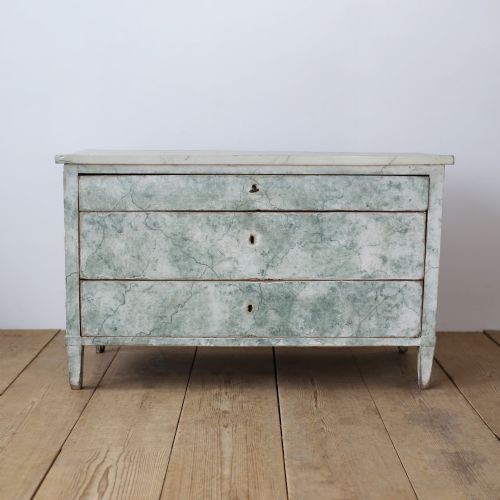
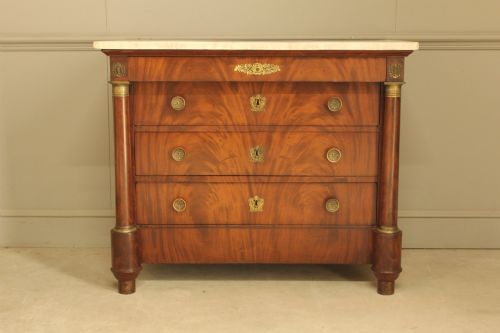
Cabinetmakers utilised dense native and exotic hardwoods including mahogany, walnut, rosewood, kingwood, cherrywood, and oak to build the structural carcase of an antique marble dresser. Surfaces often display intricate marquetry, parquetry, or painted finishes, sometimes complemented by brass inlays or cast ormolu mounts.
Heavy slabs of marble, selected for their veining and colour, were cut and polished to fit precisely onto the timber frames above the drawers and cupboards. Joinery methods relied on traditional hand-cut techniques appropriate to the period, supporting the considerable weight of the stone top.
Antique Marble Dresser Retail Price Guide 2026
Typical asking prices for marble dresser among the pieces listed under this phrase on Sellingantiques today, from the lower quarter to the upper quarter. They describe what is for sale here now, not the wider market.
Quality variations in antique marble dressers
The distinction between standard and exceptional pieces rests upon the precision of the cabinetmaker's joinery and the selection of timber veneers. Master craftsmen employed superior figured grain, such as burr walnut or fine kingwood, matched symmetrically across drawer fronts and side panels.
The refinement of the decorative mounts, whether hand-chased ormolu or delicate brass inlay, elevates a piece significantly. Furthermore, the quality of the marble slab itself, including its thickness, colour variation, and the smoothness of its edge moulding, dictates the overall stature of the furniture.
Charles Bevan
The Antique Marble Dresser Glossary
- Commode
- A low chest of drawers, frequently of French origin and associated with the eighteenth and nineteenth centuries. These pieces often feature decorative veneer work and prominent marble tops.
- Ormolu
- Gilt bronze mounts applied to furniture for decorative effect, commonly found on French Empire and Louis-style pieces. This technique adds metallic contrast to the timber and stone surfaces.
- Marquetry
- Inlaid patterns formed using various coloured woods applied to a structural carcase. Craftsmen used this method to create intricate floral or geometric designs across drawer fronts.
- Bombe
- A swelling, outward-curved profile typical of certain continental furniture forms, particularly associated with Louis XV styles. This serpentine shaping requires advanced woodworking skill.
- Parquetry
- Geometric wood-mosaic work used for surface decoration on tabletops and drawer fronts. It creates repeating patterns through the precise arrangement of small veneer blocks.
Antique Marble Dresser: Frequently Asked Questions
What is an antique marble dresser used for?
These pieces function primarily as storage furniture, providing drawers and cupboards for clothing, linens, or personal items.
The durable stone surface also allows the top to serve as a display area for decorative objects, washbasins, or dressing accessories.
How do I care for a marble top?
Marble requires gentle cleaning with warm water and mild, non-acidic soap to preserve its polished finish. Strong chemicals can etch the stone surface, so prompt wiping of spills is essential.
Waxing the timber sections separately keeps the wood nourished without affecting the stone.
Are these pieces purely French?
While a large portion of the available inventory originates from French workshops adhering to styles like Louis XVI or provincial walnut traditions, other pieces hail from English and Continental makers.
Victorian English workshops also produced robust mahogany examples fitted with stone tops.
How can I tell the period?
Dating relies on observing construction characteristics, timber types, and stylistic cues such as hardware and leg shapes. Eighteenth-century pieces often display hand-cut joinery and specific regional veneers like kingwood or cherrywood.
Later nineteenth-century iterations incorporate machine-sawn elements and distinct revival motifs.