



Antique Marble Coffee Tables
Antique marble coffee tables bring genuine stone surfaces and period craftsmanship into a room, offering a solid focal point for daily living.
Antique Marble Coffee Tables
When you search for antique marble coffee tables, you encounter a varied selection of low tables repurposed or designed for modern seating areas. The pieces available span from the eighteenth century through to the early twentieth century, incorporating forms originally built as centre tables, side tables, or occasional tables.
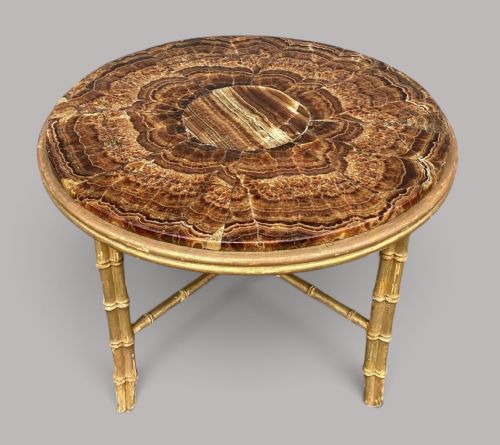
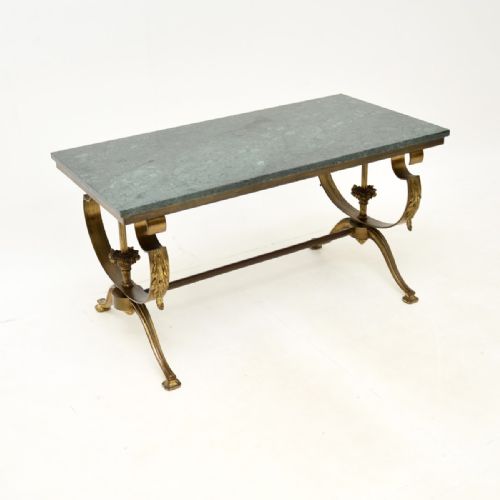
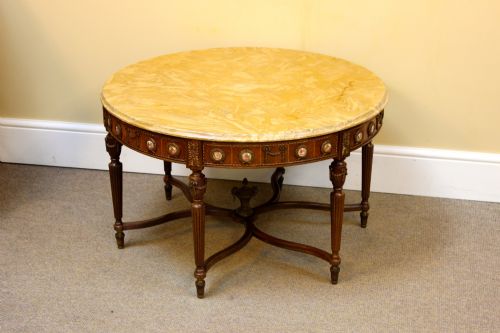
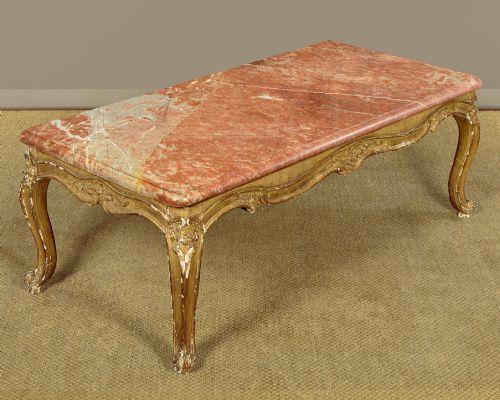
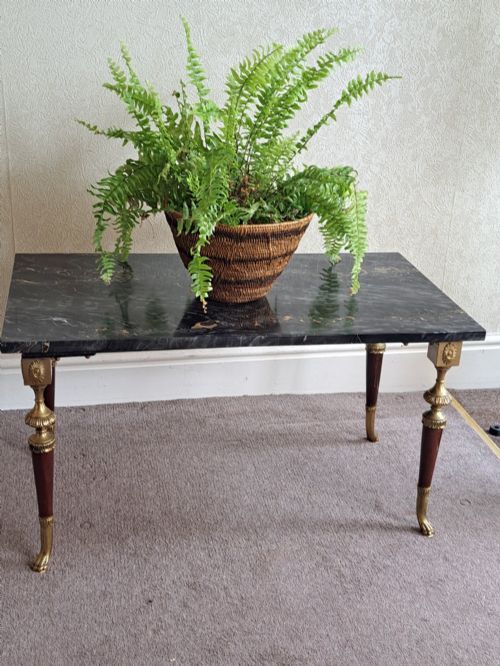
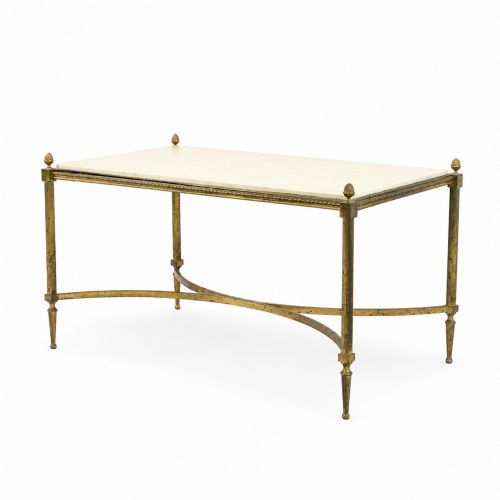
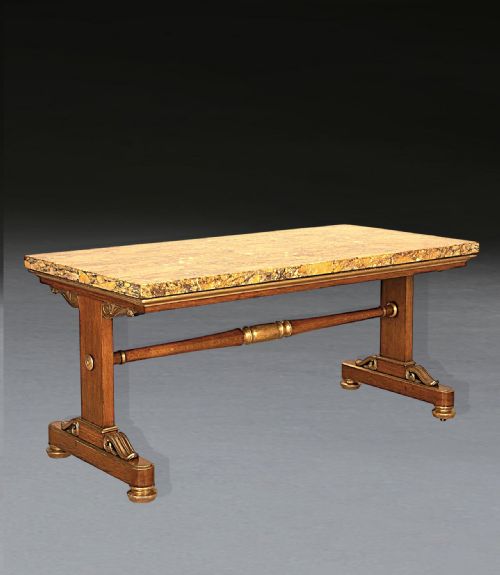
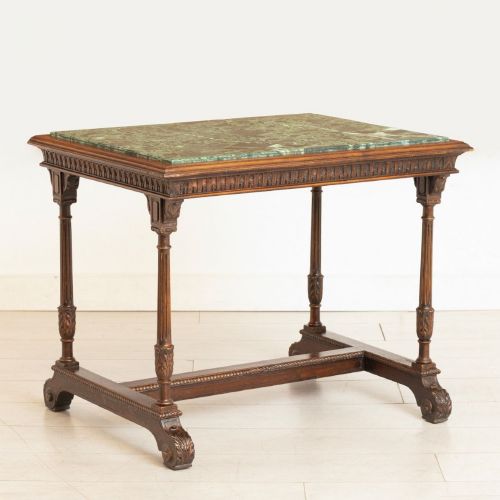
You are most likely to meet French designs from the early decades of the twentieth century, often featuring brass or giltwood frames paired with inset marble slabs. Alongside these, nineteenth-century examples display robust timber bases in mahogany, oak, or walnut supporting substantial stone tops.
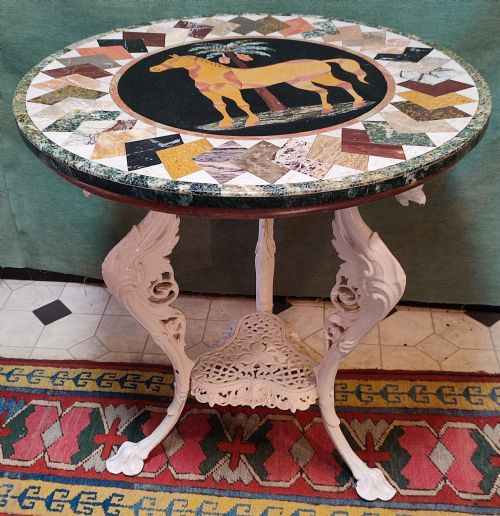
The selection also includes regional variations such as Anglo-Indian and Italian pieces, alongside occasional cast iron or wrought iron frames. These items demonstrate how earlier domestic furniture types adapt naturally to contemporary living spaces without losing their historical character.
Distinctions in quality and execution
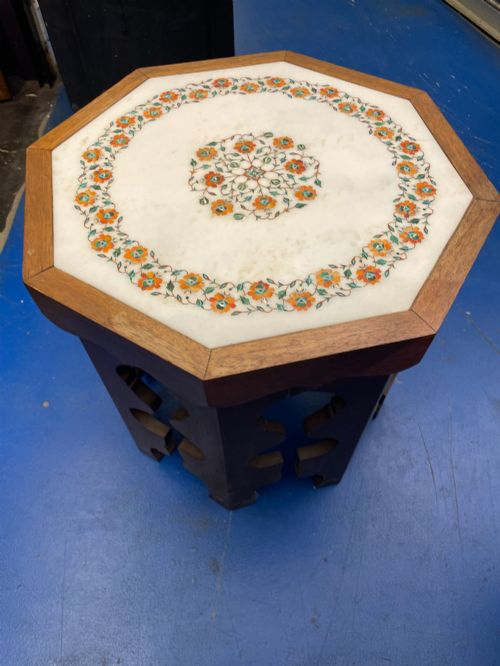
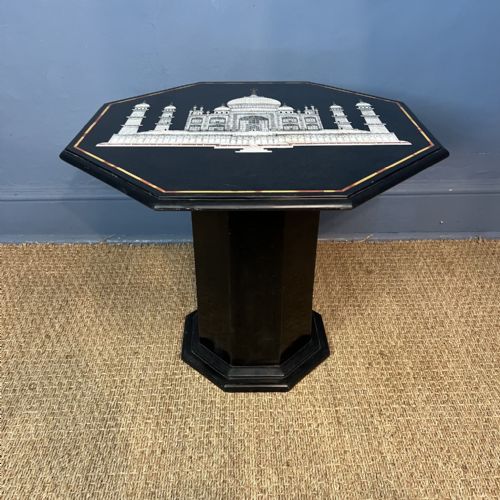
Quality rests upon the selection of the materials and the precision of the frame's carving or metalwork. Tables featuring intricate pietra dura work, specimen marble arrangements, or fire-gilt bronze mounts represent a higher tier of craftsmanship than plain functional surfaces.
The integration of the stone top into the supporting structure also dictates the standard of the piece. A well-executed table ensures the heavy marble rests securely within a robust frame, maintaining stability and proportion across the entire object.
Listings feature items spanning the eighteenth century through to the 1950s, utilising mahogany, oak, walnut, brass, and giltwood alongside various marble types.
The Antique Marble Coffee Tables Glossary
- Pietra dura
- A method of inlaying cut and fitted polished coloured stones to create pictorial or geometric designs. This technique appears frequently on high-status nineteenth-century tabletops.
- Specimen marble
- A decorative surface composed of various distinct types of marble assembled in a geometric or mosaic pattern. Collectors prize these tops for their diverse geological colours and origins.
- Giltwood
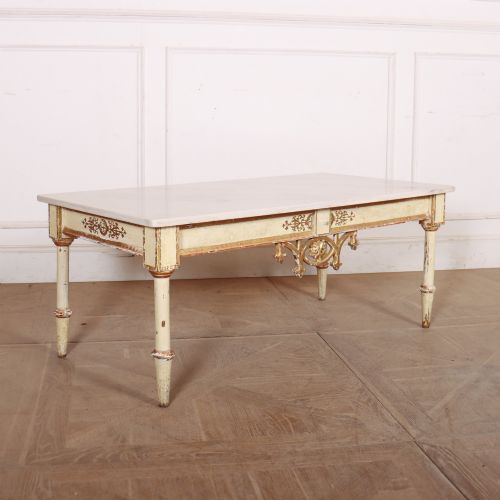
- Timber that has been coated with a thin layer of gold leaf or powder. It is common on decorative nineteenth-century and Edwardian frames.
- Occasional table
- A small, versatile table designed for a specific, intermittent use rather than a central permanent function. Many nineteenth-century versions now serve as coffee tables.
- Centre table
- A freestanding piece designed to be viewed from all sides, typically placed in the middle of a room. Their sturdy proportions suit modern living room layouts.
Antique Marble Coffee Tables: Frequently Asked Questions
Are these tables sturdy enough for daily use?
The structural frames are built from dense timbers or heavy metals designed to support substantial stone tops. They handle normal domestic placement reliably when handled with reasonable care.
Marble itself is durable, though heavy impact can chip edges or crack polished surfaces. Using coasters protects the stone from acidic spills.
How do I clean an antique marble top?
Use a soft cloth dampened with warm water and a mild, non-abrasive soap to wipe the surface. Avoid standard household cleaners containing acids or bleach, which etch and dull the polish.
Dry the stone thoroughly after washing to prevent water spotting. Periodically applying a specialised stone wax helps maintain the natural sheen.
Can I use these tables on wooden floors?
These tables carry significant weight due to the density of the stone tops combined with wooden or metal bases. Placing protective pads underneath the feet prevents scratching on delicate flooring.
Because of their weight, position them carefully to avoid dragging them across vulnerable surfaces.
How do I identify the period of a table?
Dating relies on stylistic clues found in the frame, such as Regency giltwood, Edwardian neoclassical motifs, or early twentieth-century French wrought ironwork. Construction methods and joinery also indicate the era of manufacture.
Examining the underside of the table often reveals tool marks, screw types, and wood ageing that confirm the approximate age.