




Antique Maple Armoire
An antique maple armoire is a capacious timber wardrobe built for serious storage, prized for its distinctive figured wood grain and stately presence in a bedroom.
Antique Maple Armoire
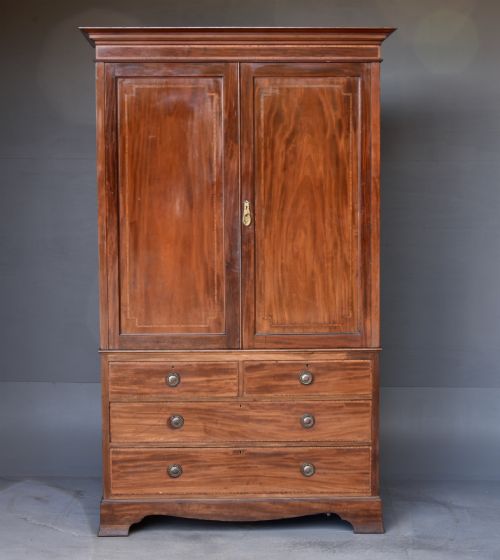
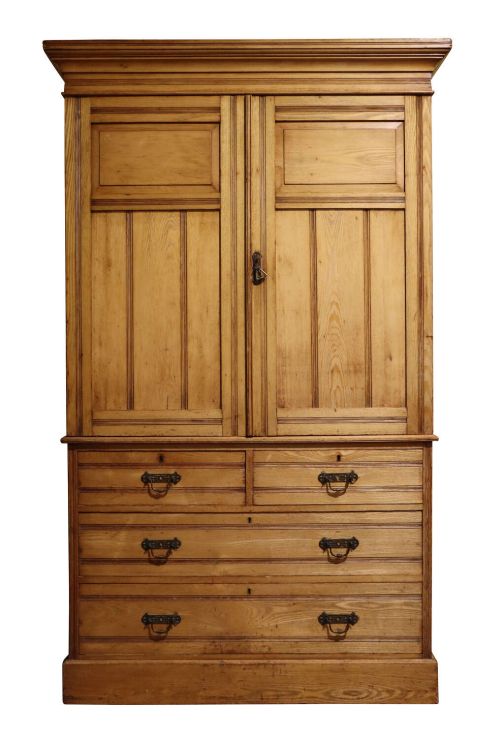
When you search for an antique maple armoire, you encounter substantial storage furniture designed to hold garments and linens, spanning eras from the Victorian period through to Art Deco. These pieces take the form of wardrobes, compactums, linen presses and cabinets, offering deep internal volume behind large doors.
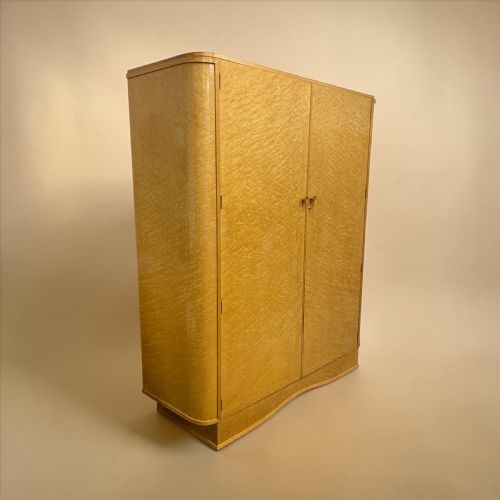
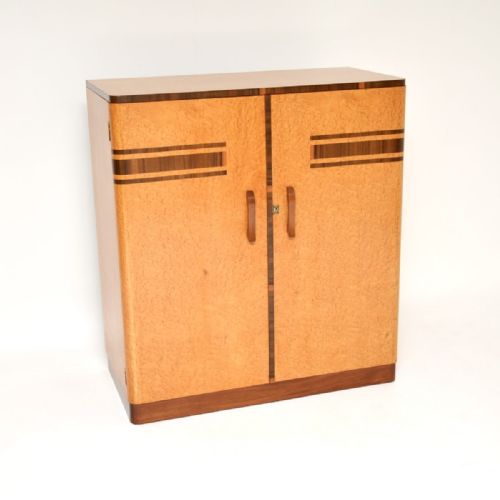
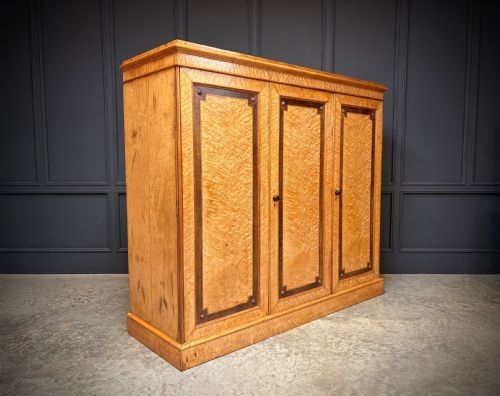
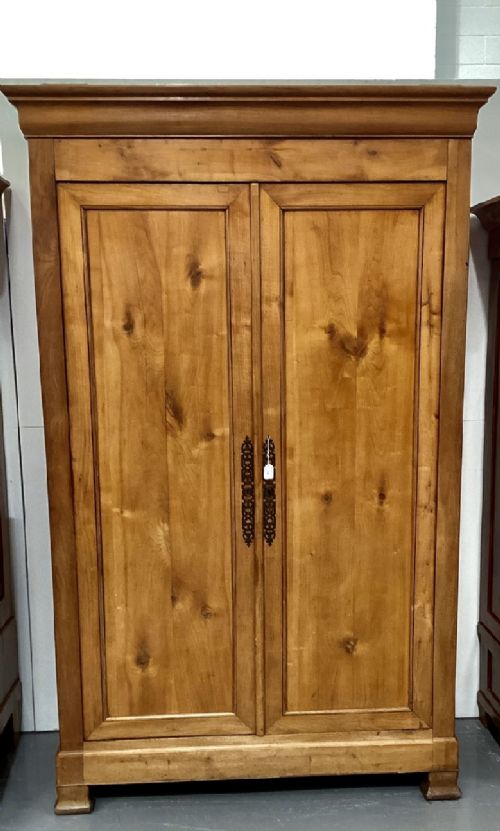
The pieces on this page lean heavily towards English and French workshops of the nineteenth and early twentieth centuries, featuring plain maple, birds eye maple and bleached variations. You find standard double and triple wardrobes alongside specialised combination pieces fitted with internal drawers and hanging space.
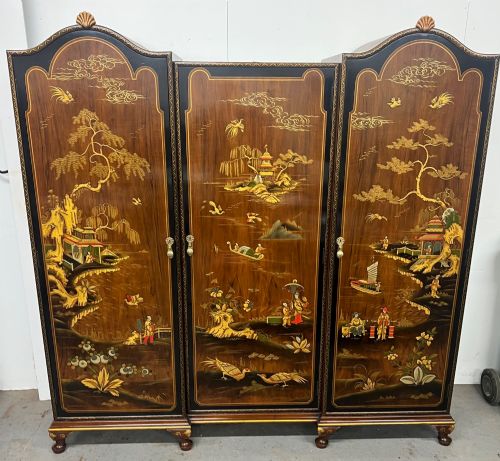
Stylistically, the selection ranges from ornate Victorian revival and French aesthetic movement designs down to clean-lined 1930s Art Deco interpretations. Many examples incorporate mirrored doors, glass panels and brass hardware, reflecting the domestic requirements of their original owners.
What varies in quality
Quality rests upon the selection of the timber veneer and the precision of the cabinet work, particularly how the natural figuring of the birds eye maple matches across panels. Finer examples display thoughtful grain alignment and crisp execution of inlaid details.
The internal configuration and the integrity of the original brass hardware and mirrored glass also separate standard utility pieces from high workshop production. Pieces bearing documented maker attributions command attention for their structural robustness and refined proportions.
Some nineteenth-century armoires double as sentry boxes, proving that even Victorian garments required military-grade organisation.
Maples & Co·Harry and Lou Epstein
The Antique Maple Armoire Glossary
- Birds Eye Maple
- A figure in maple wood that resembles tiny, swirling eyes, caused by localized disruptions in the growth grain. It is sliced into veneer for decorative cabinet surfaces.
- Compactum
- A fitted wardrobe that combines hanging space, shelves and internal drawers within a single carcass. This form maximises storage efficiency in period bedrooms.
- Linen Press
- A tall cabinet originally designed for storing folded textiles and garments on sliding trays or shelves. Upper cupboard sections sit above banks of lower drawers.
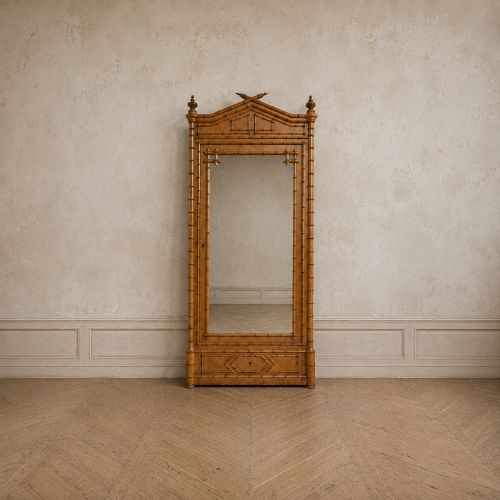
- Faux Bamboo
- A decorative carving technique where wood is shaped to imitate natural bamboo stalks. This style appears frequently on nineteenth-century French furniture.
- Lead Light
- Glazing held together by narrow strips of lead, forming geometric or floral patterns within cabinet doors. It adds ornamental detail while obscuring internal contents.
Antique Maple Armoire: Frequently Asked Questions
How do I clean an antique maple armoire?
Dust the exterior regularly with a soft, dry cloth to prevent grit accumulation on the delicate wood surface. Avoid modern silicone sprays that can penetrate old timber finishes.
Apply a traditional beeswax polish sparingly once or twice a year to nourish the wood and maintain its natural sheen. Keep the cabinet away from direct heat sources and strong sunlight to prevent the maple veneer from drying and splitting.
How do I tell Victorian maple from Edwardian maple?
Victorian pieces tend to feature darker tones, heavier proportions and richer contrasting borders in woods like satin walnut or mahogany. The ornamentation leans towards robust revival styles with deep cornices and heavy plinths.
Edwardian and later examples generally embrace lighter bleached finishes, simpler geometric lines or inlay work. French influence becomes more pronounced around 1900, introducing softer curves and mirrored doors.
Can I add internal shelves to a hanging wardrobe?
Many historical wardrobes were built exclusively for long garments, leaving the interior as a single open drop. Inserting temporary or custom shelving is possible if done without altering the primary antique fabric of the carcass.
Consult a restorer to create removable wooden inserts that rest on existing supports. This preserves the original interior structure while adapting the armoire to modern storage needs.