
Antique Mantle Mirror Frame
When you search for an antique mantle mirror frame, you are looking at substantial overmantel and wall mirrors designed to anchor a fireplace.
Antique Mantle Mirror Frame
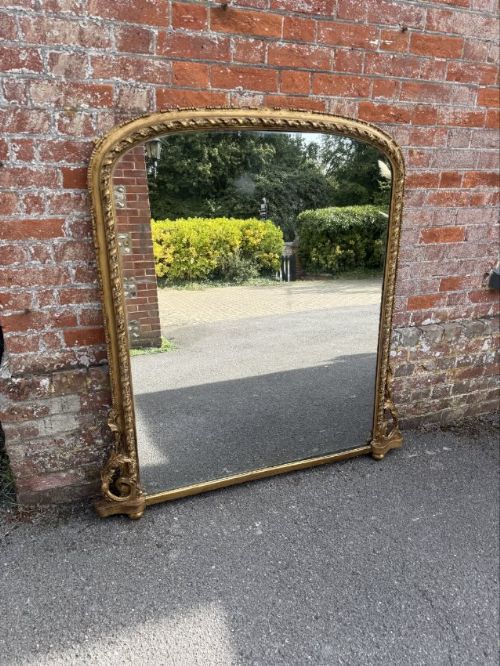
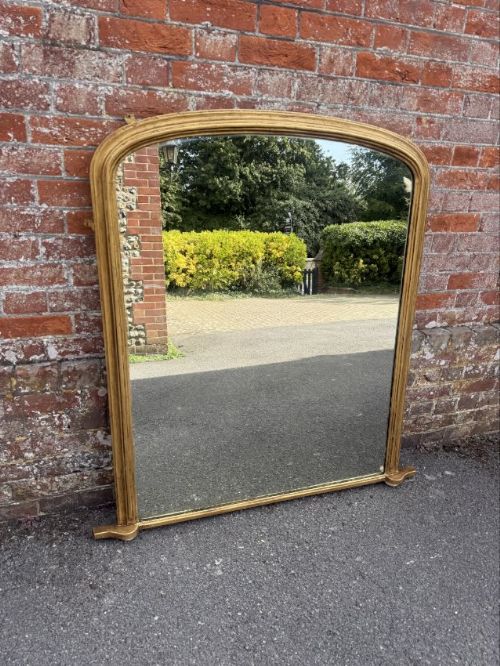
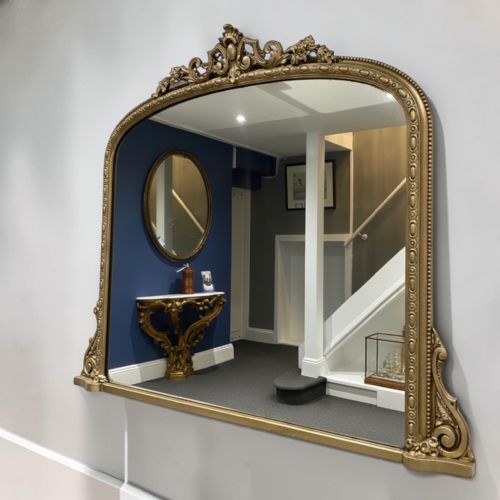
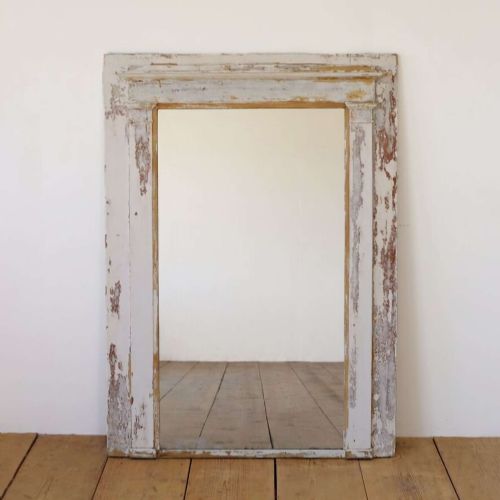
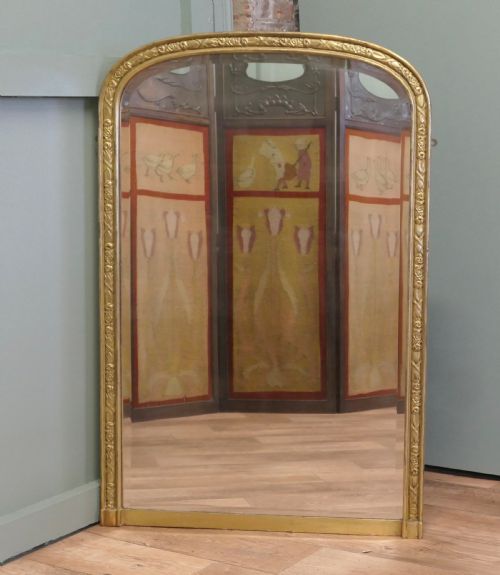
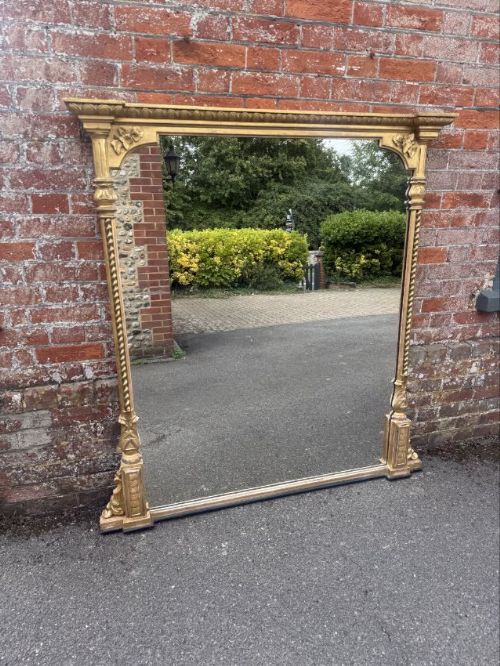
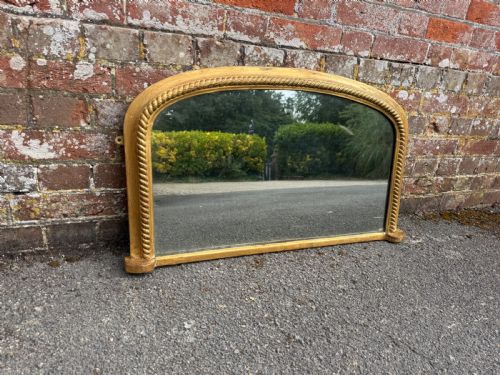
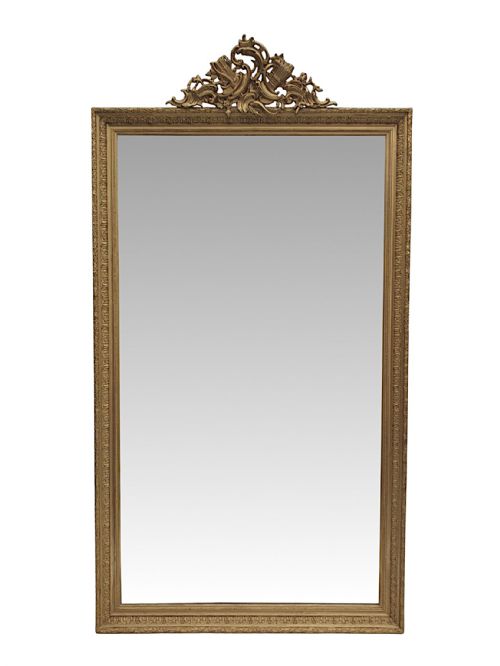
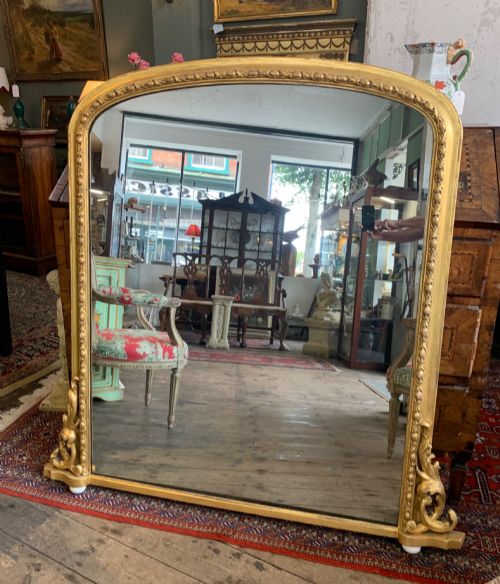
The search phrase antique mantle mirror frame brings up large overmantel mirrors and wall mirrors designed to be hung above fireplaces or placed upon mantelpieces. The most common examples found here are substantial nineteenth-century English pieces featuring arched tops and heavy giltwood or gesso frames.
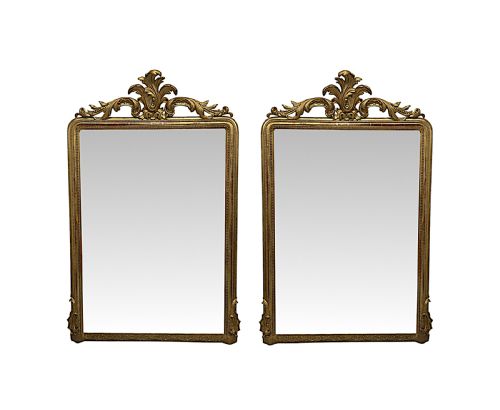
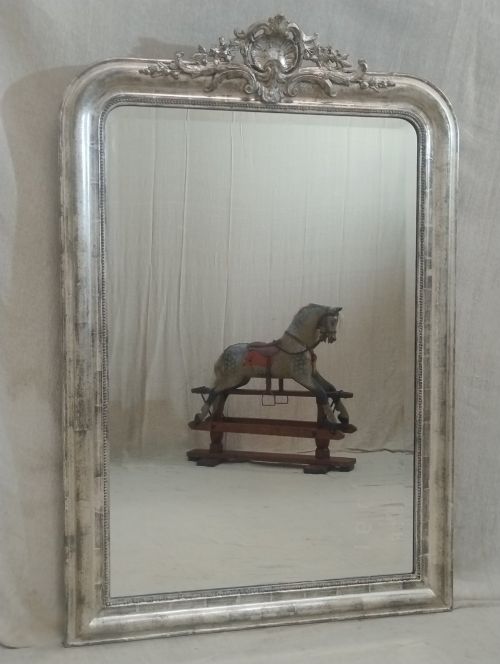
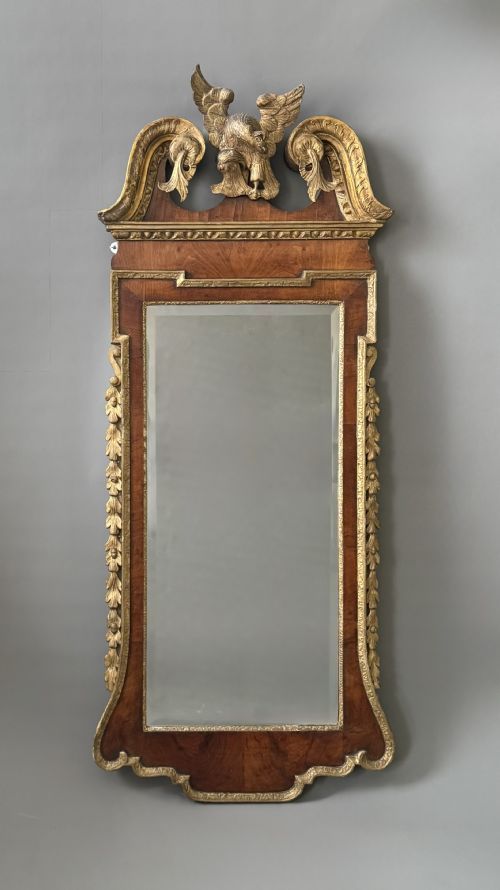
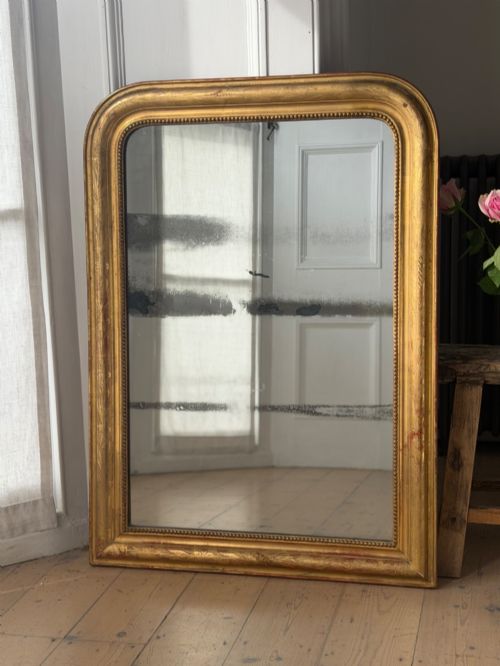
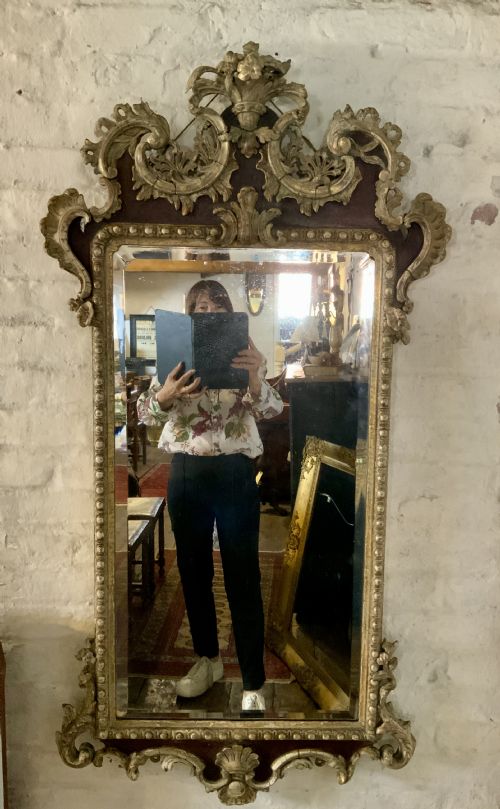
The selection also includes earlier eighteenth-century designs in walnut and mahogany with parcel gilt details, alongside French styles such as the Louis Philippe and Rococo Revival. These objects served to reflect light into rooms and dominate the chimney breast as focal points of interior decoration.
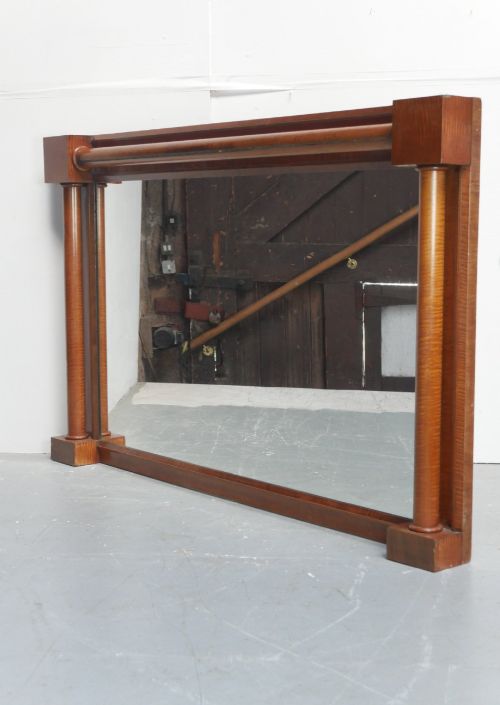
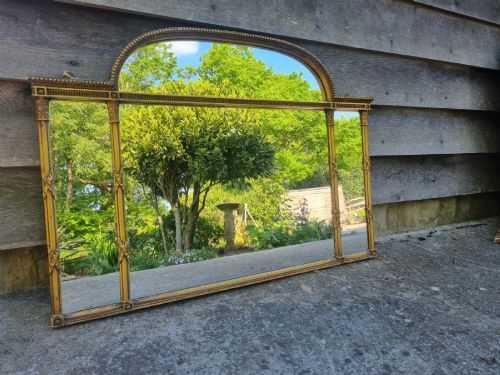
Makers and craftsmen produced varying formats, from simple rectangular wall mirrors to grand architectural pieces with column or rope twist framing. Both English and continental workshops adapted classical proportions for domestic interiors across the Georgian, Victorian and Edwardian eras.
How they were made
Carved wooden foundations of oak, walnut, mahogany or pine provided the structural core for many frames, often coated with a layer of gesso before gilding. Artisans applied gold leaf or gold paint over these prepared surfaces to create the reflective metallic finishes seen on nineteenth-century pieces.
Moulded ornamentation such as rope twists, ribbing, beads and columns were fashioned from gesso applied to the wooden base or carved directly into the timber. Glass plates were fitted into the rebates, frequently utilising mercury backing in earlier French examples or bevelled edges in later Victorian iterations.
Listings feature periods spanning from the eighteenth century through the Edwardian era, utilising materials such as giltwood, gesso, oak, walnut, and mahogany.
What varies in quality
The crispness of the carved wood and gesso ornamentation distinguishes finer examples from simpler production pieces. Deep relief mouldings and well-defined rope twist or column details indicate a higher standard of craftsmanship in the workshop.
The preservation of original gilding and the condition of the glass plate also mark the difference across the range. Original mercury glass with natural foxing or intact gold leaf surfaces holds more integrity than later replacements or crude repainting.
The Antique Mantle Mirror Frame Glossary
- Gesso
- A plaster-like mixture applied to wood frames to create a smooth surface for gilding or deep relief moulding. Artisans could carve and shape this compound before applying gold leaf.
- Parcel Gilt
- A decorative technique where only specific portions of a wooden frame are gilded, leaving the underlying grain of woods like walnut or mahogany visible. This created a subtle contrast between the natural timber and the gold elements.
- Overmantel Mirror
- A large mirror specifically proportioned to hang on the wall directly above a fireplace mantel. These pieces frequently feature arched tops to match architectural chimney breasts.
- Mercury Glass
- A type of mirror glass produced by pouring a mercury and tin amalgam behind the glass plate, common in antique French mirrors. Over time, this creates characteristic dark spots known as foxing.
- Rope Twist
- A carved architectural moulding resembling the spiral strands of a rope, frequently found framing nineteenth-century mirrors. This decorative detail added texture and movement to the border.
Antique Mantle Mirror Frame: Frequently Asked Questions
Where should an overmantel mirror be hung?
These mirrors are traditionally positioned on the wall directly above a fireplace mantel to reflect light and fill vertical space. They also function successfully as freestanding leaner mirrors against plain walls in large rooms.
Because of their substantial weight and size, they require secure wall fixings anchored directly into structural masonry or heavy studs.
What is foxed glass?
Foxing refers to the mottled dark spots and speckling that develop behind antique mirror glass over decades of oxidation. This chemical ageing process occurs naturally, particularly in older mercury glass plates.
Many collectors value foxing as a sign of authenticity and age rather than a defect.
How do I identify a Victorian mirror?
Victorian pieces often feature heavy gesso ornamentation, arched tops, and robust wooden frames made of oak or pine finished with gold leaf. They typically display bolder proportions and distinct decorative motifs like rope twists or columns.
Comparing the framing style and backing materials helps distinguish them from earlier Georgian or later Edwardian examples.
Were these mirrors meant to stand or hang?
Most overmantel mirrors were constructed with hanging loops or heavy frames designed to be securely mounted to the wall above a fireplace. Some larger versions were also built to rest directly upon the mantelpiece itself while anchored for stability.
Examining the original framing structure reveals how the maker intended the weight to be distributed.