
Antique Mantelpiece Lighting
Antique mantelpiece lighting brings warmth and architectural symmetry to a room through heavy metals and prisms that catch the flickering evening fire.
Antique Mantelpiece Lighting
Antique mantelpiece lighting encompasses candlesticks, candelabra, and glass-hung lustres designed to sit upon a fireplace shelf. The inventory spans the nineteenth century, drawing heavily on French Rococo Revival, Louis XVI, and Regency aesthetics.
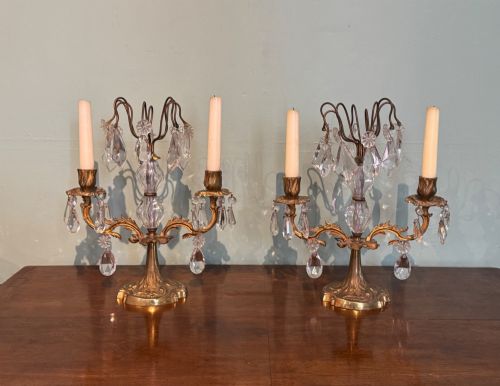
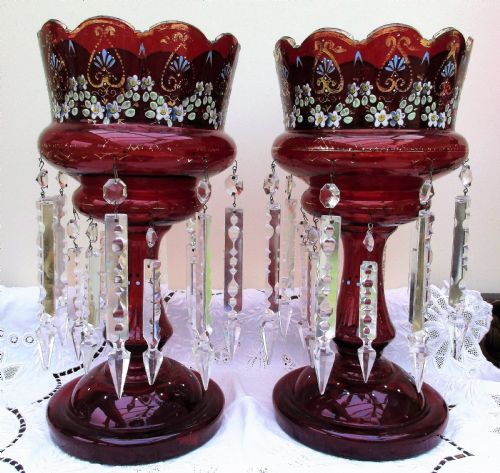
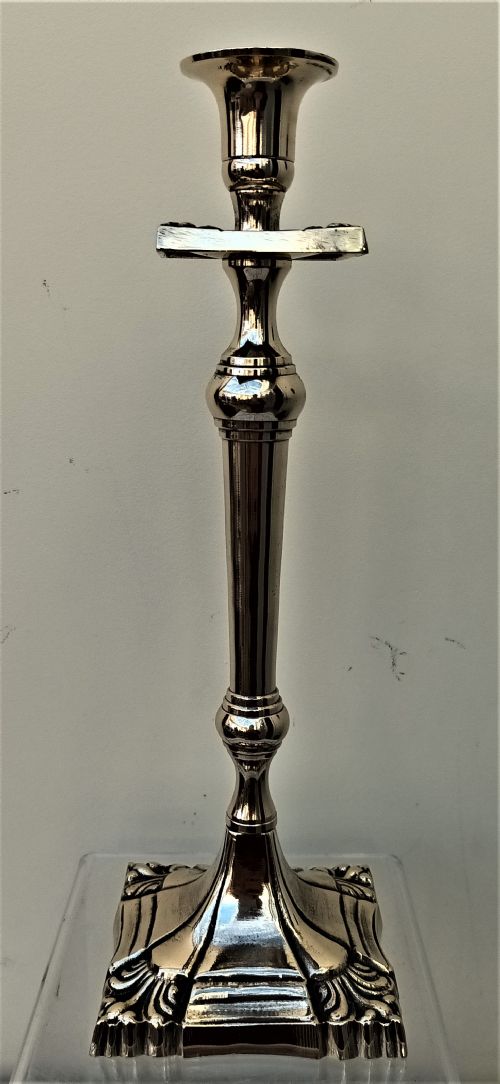
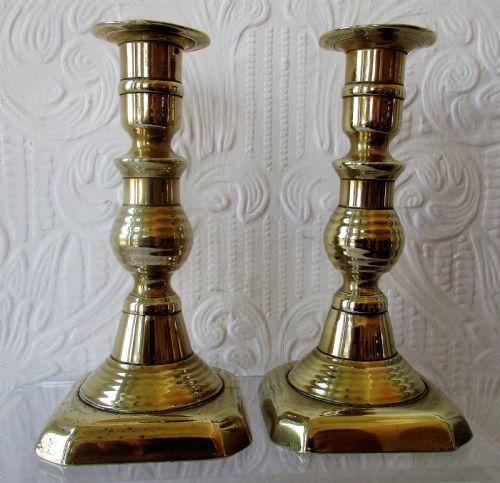
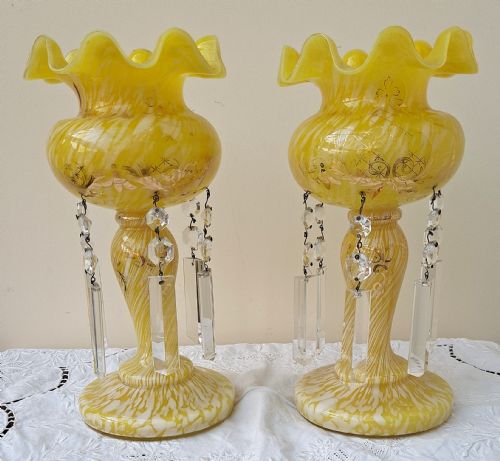
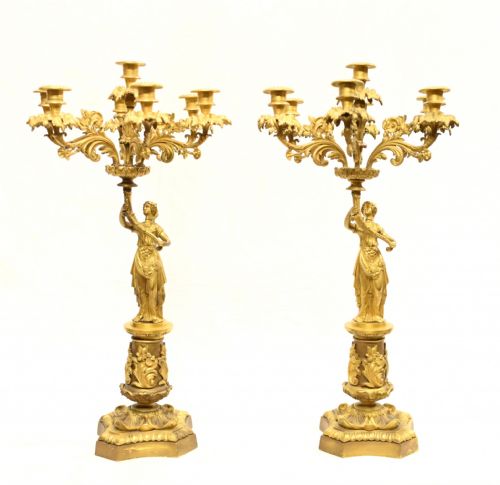
Pairs dominate the selection, intended for balanced placement at either end of a mantelpiece. Buyers regularly encounter multi-branch candelabra alongside single-stem brass candlesticks and ruby or yellow glass lustres draped with crystal prisms.
How they were made
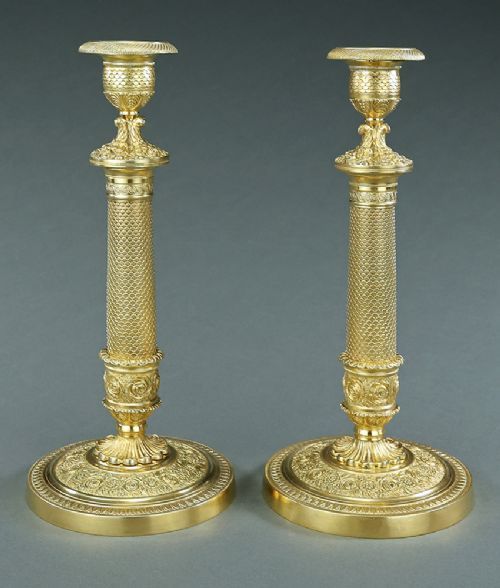
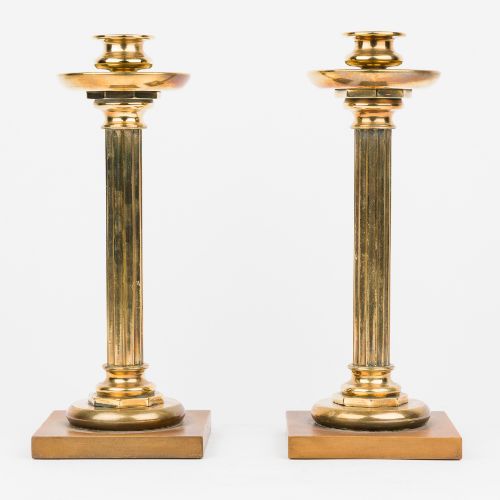
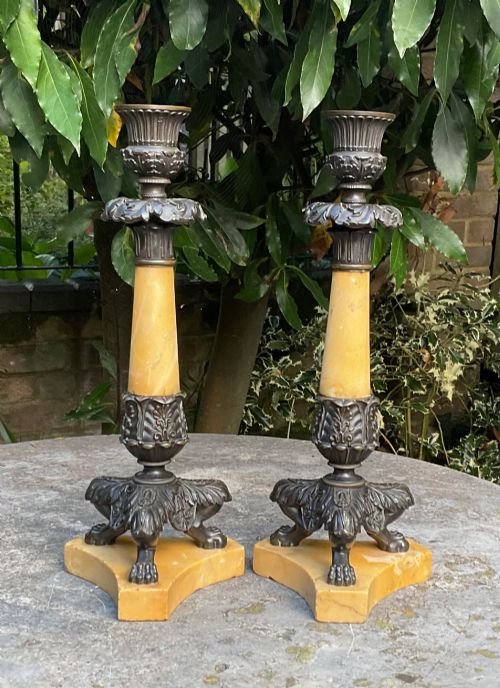
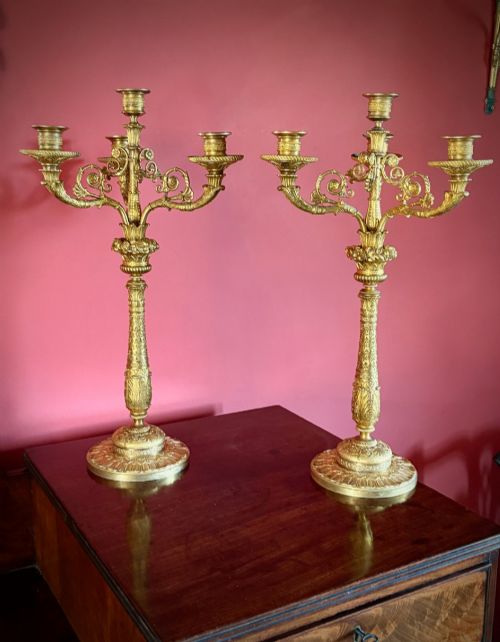
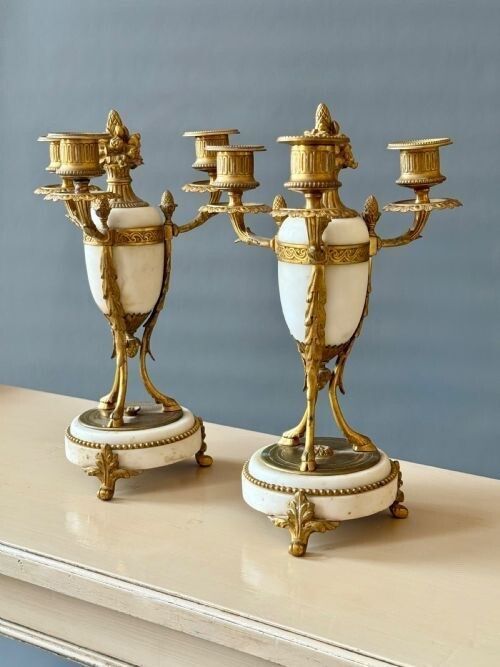
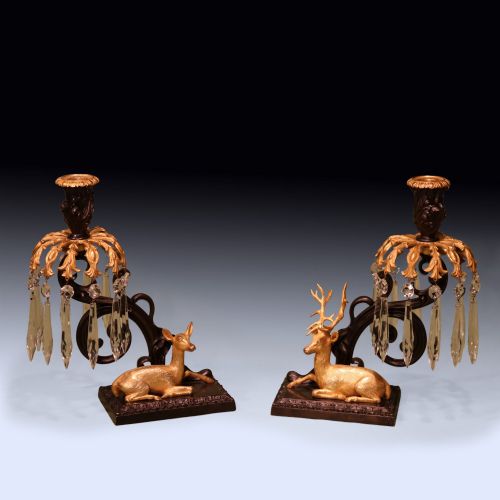
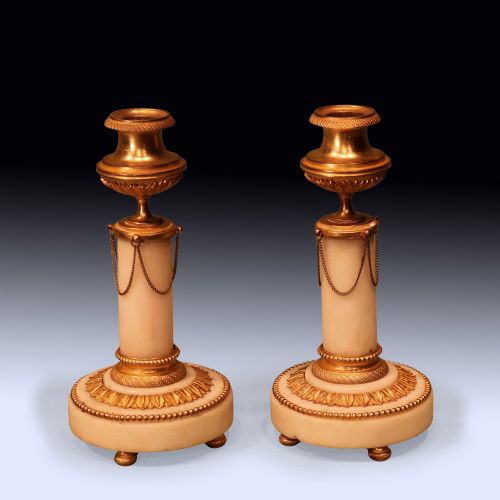
Foundry workers cast bronze, ormolu, and brass into sculptural figures and classical columns, often combining them with white marble, onyx, or mahogany bases. Gilding and patination finished the metal surfaces.
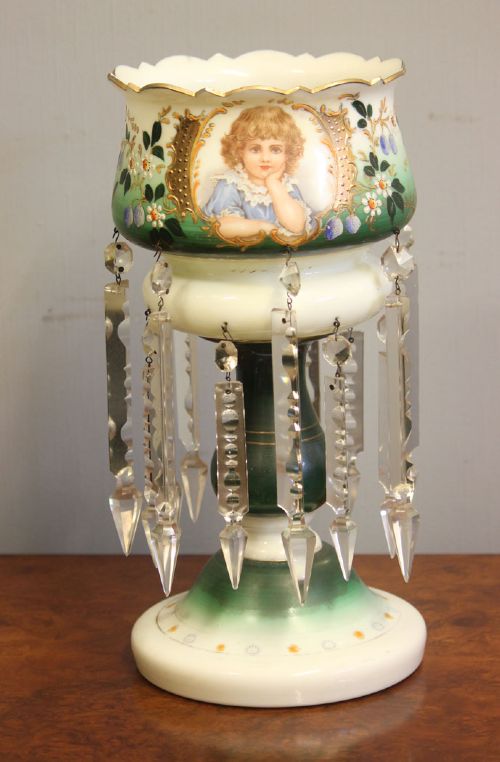
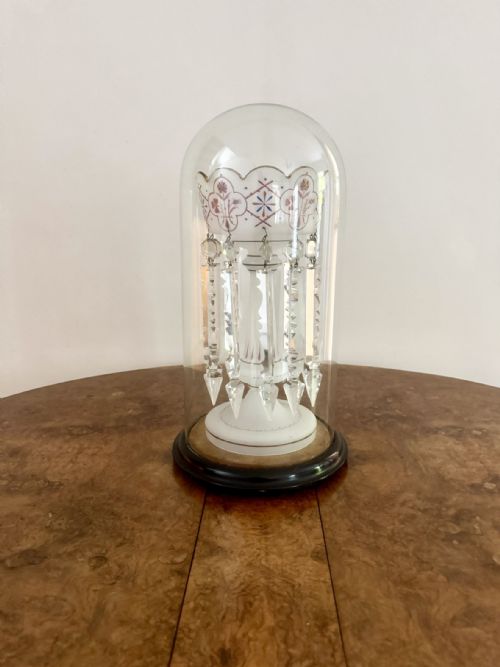
Glassmakers blew vibrant ruby, yellow, and opaline glass to form mantle lustres, cutting facets into the bowls and hanging lead crystal drops from the rims to refract the candlelight.
What varies in quality
The integration of mixed materials dictates distinction. Superior examples join marble, onyx, and fire-gilded ormolu with tight mechanical joints rather than visible adhesives.
Claude Clodion
The Antique Mantelpiece Lighting Glossary
- Ormolu
- Gilded bronze produced by applying a mercury-gold amalgam to a cast bronze object and heating it to drive off the mercury. This technique created a durable, rich golden surface on decorative metalwork.
- Mantel lustre
- A decorative glass or porcelain vase fitted with a ring of hanging crystal prisms around the rim. They sat on fireplaces to catch and multiply the ambient light.
- Candelabra
- A multi-branched lighting device designed to hold several candles simultaneously. They often feature a central stem branching out into two, three, or five candle cups.
- Spelter
- A zinc alloy frequently cast as a less expensive alternative to bronze during the nineteenth century. It took patination well to simulate heavier metals.
- Regency
- A British stylistic period spanning the early nineteenth century defined by classical restraint and archaeological revival. Furniture and metalwork from this era frequently incorporated Egyptian and Greek motifs.
Antique Mantelpiece Lighting: Frequently Asked Questions
How do I clean crystal prisms?
Prisms should be unhooked and washed individually in lukewarm water using a mild soap. Dry them thoroughly with a soft cloth before rehanging them on the lustre.
Avoid submerging metal mounts or aged brass in water during the process to protect the underlying patination and historical finishes.
Were these converted to electricity?
Many surviving examples retain their original socket configurations for wax candles, while others received later wiring conversions during the twentieth century. Buyers can find both untouched antique pieces and electrified adaptations.
Checking the base or stem will reveal whether a cord has been threaded through the original weight channel.
How do I secure heavy candelabra?
Heavy bronze and marble candelabra require placement on stable, level mantel shelves away from high-traffic areas. Their substantial weight generally keeps them secure without additional fixings.
Placing small felt pads beneath the marble or bronze bases prevents scratching the underlying wood or stone of the fireplace.
What is the difference between a lustre and a candlestick?
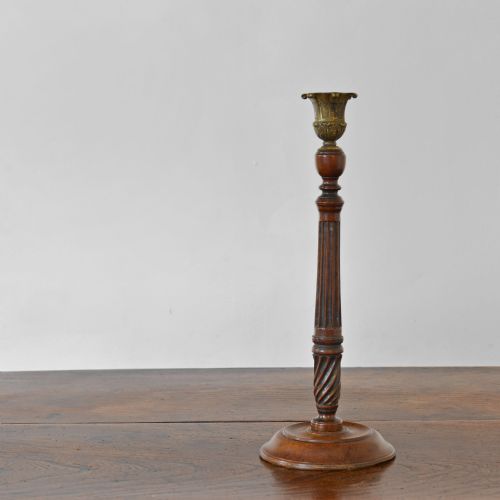
A candlestick holds a single candle directly in a socket or drip pan without additional hanging ornamentation. They rely purely on the metal or marble body for visual impact.
A lustre functions similarly but incorporates a basket or rim hung with cut glass prisms designed to refract candle flames. They served an as much decorative role as a functional one.