


Antique Mantel Shelf Clock
An antique mantel shelf clock brings mechanical precision and period presence to a room, offering a focal point that marks time through traditional strikes.
Antique Mantel Shelf Clock
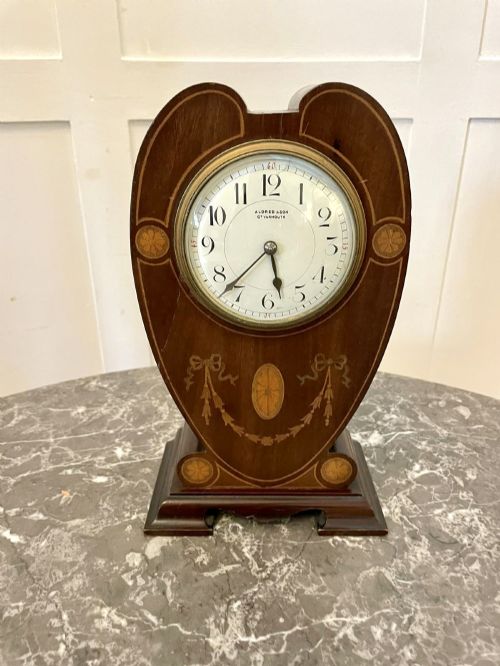
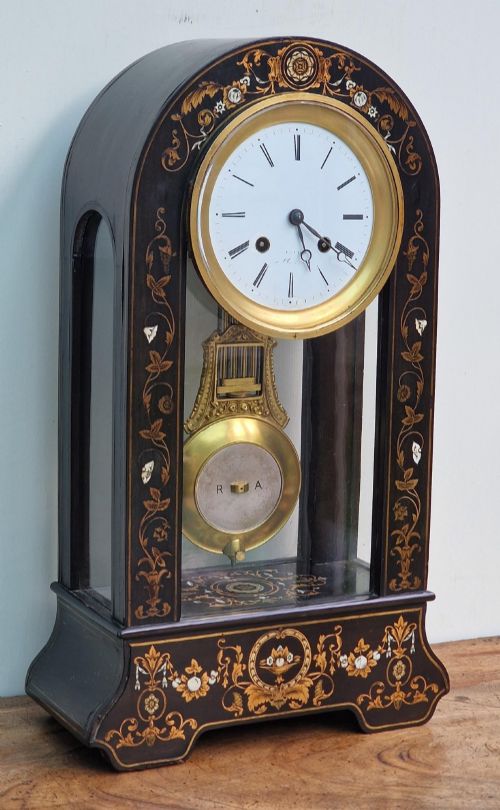
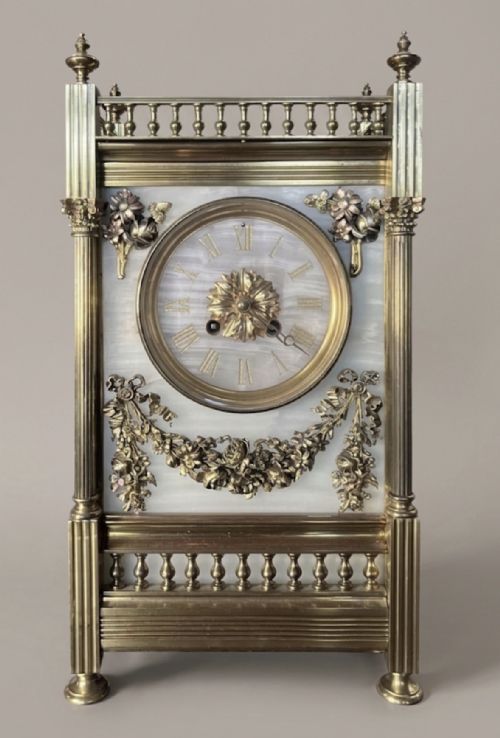
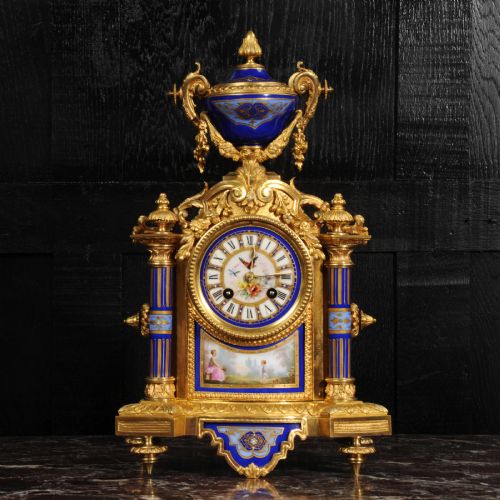
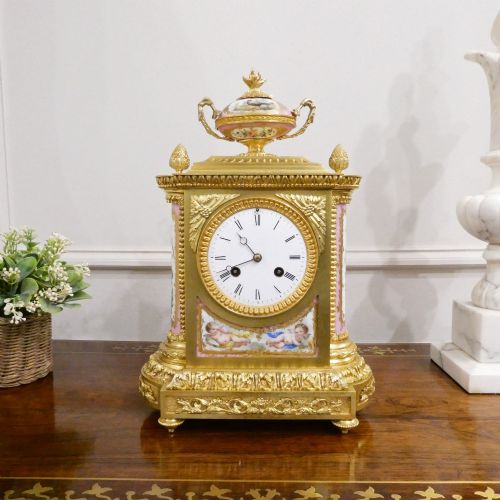
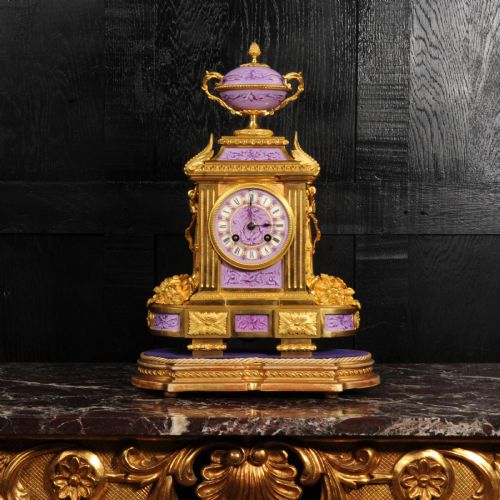
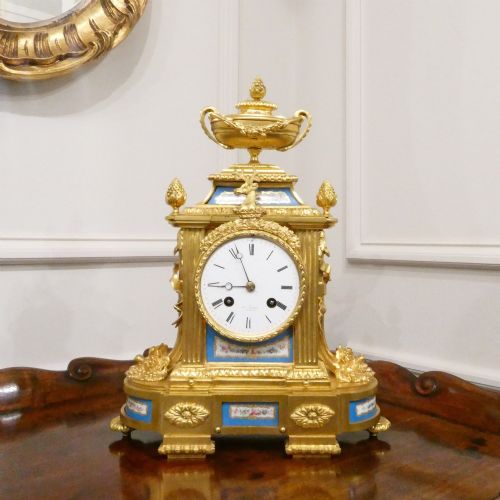
An antique mantel shelf clock is a domestic timekeeper designed to sit on the projection above a fireplace, combining utility with decorative presence. The pieces appearing here span the nineteenth and early twentieth centuries, encompassing diverse aesthetic movements from French Rococo Revival and Louis Philippe to Edwardian inlay and Art Deco geometry.
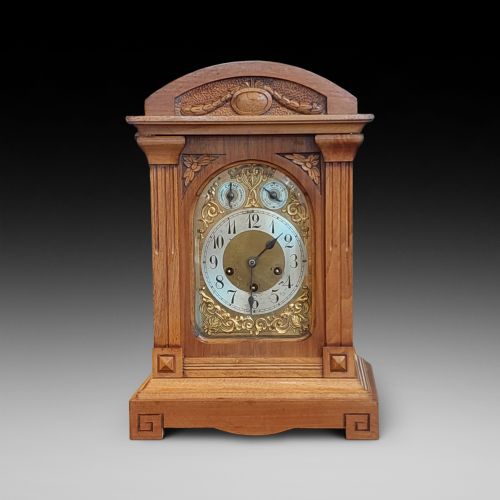
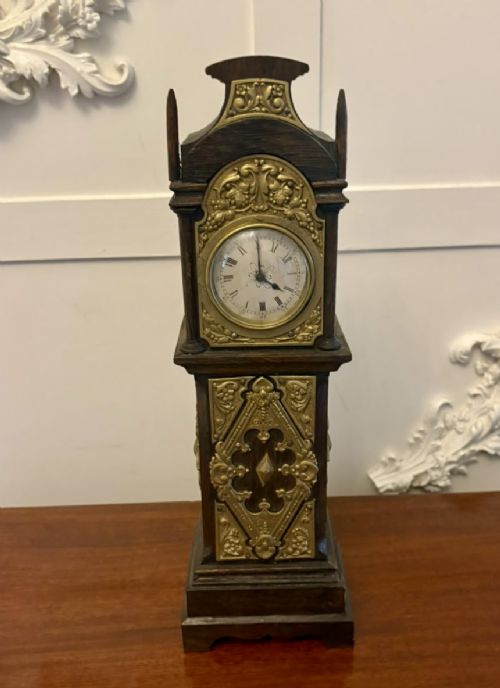
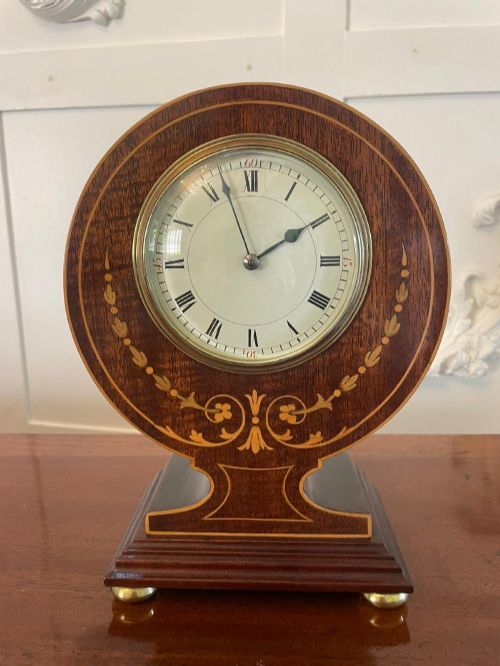
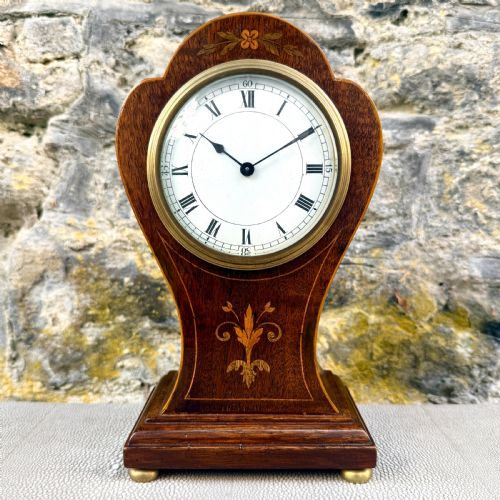
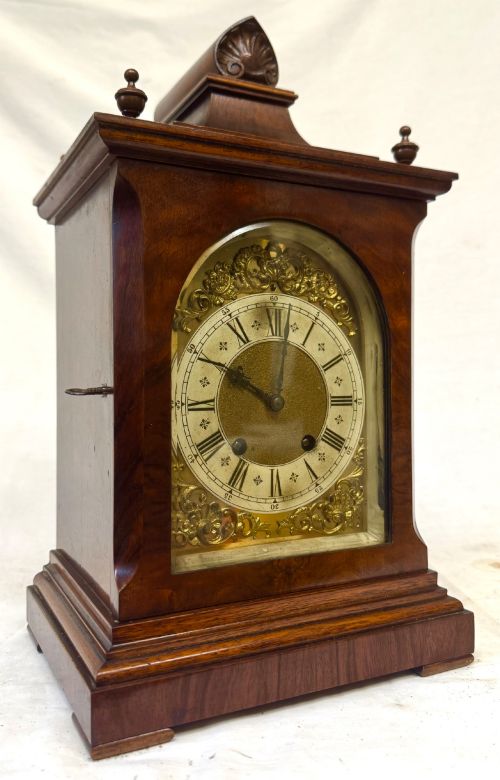
Buyers encounter numerous regional variations, ranging from French gilt bronze and marble architectural housings to German walnut striking movements and English mahogany balloon cases. These objects functioned as status items in period interiors, serving to organise household routines while displaying the owner's taste through elaborate cabinetry or restrained classical proportions.
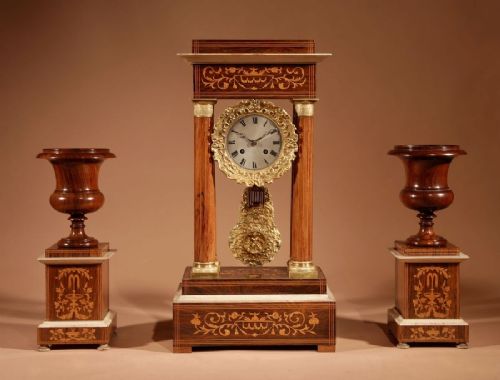
The selection includes specialised forms such as carriage clocks, portico garnitures, and bracket clocks alongside traditional table timepieces. Each variant reflects the domestic priorities and horological capabilities of its respective decade, from the elaborate porcelain mounts of the mid-nineteenth century to the streamlined oak and bakelite designs of the interwar years.
Materials and Construction
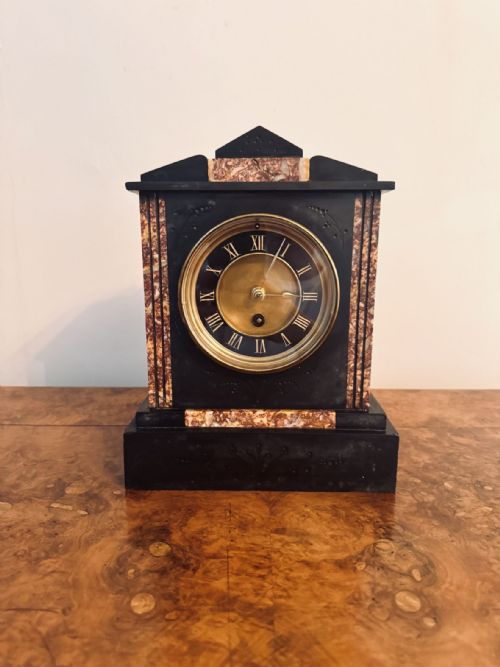
Horologists and cabinetmakers utilised a diverse palette of materials, housing mechanical movements in cases of mahogany, walnut, oak, rosewood, and exotic veneers such as macassar ebony. Stone and ceramic elements also feature prominently, including black and green onyx, rouge marble, white marble, and Sèvres porcelain panels.
Metal components required specialist casting and finishing techniques, employing brass, ormolu, gilt bronze, and chrome to create bezels, dials, and sculptural mounts. Movements were constructed from brass and steel components, assembled by hand to ensure reliable operation and striking capabilities.
Listings feature woods spanning mahogany, walnut, oak, and rosewood alongside marble, onyx, brass, and porcelain.
Judging Quality in Horology and Cabinetry
Quality rests upon the execution of the movement and the integrity of the housing, distinguishing standard domestic timepieces from master-workshop productions. Signed movements by notable makers indicate a higher tier of mechanical precision and finishing.
Cabinetwork separates ordinary production from superior pieces through the crispness of marquetry, the weight and thickness of cast bronze mounts, and the preservation of original surfaces. The harmony between the clock face, the hands, and the outer case dictates the overall desirability.
Achille Brocot·Henry Marc·Charles à Orléans·Samuel Marti·Brockbanks & Atkins·Haller·Jaz
The Antique Mantel Shelf Clock Glossary
- Bracket clock
- A portable timekeeper originally designed to sit upon a wall bracket, though later examples served on shelves and tables. They typically feature heavy brass movements and carrying handles.
- Garniture
- A set consisting of a central clock flanked by matching decorative objects such as urns or candelabra. These matched suites were placed symmetrically on mantelpieces.
- Ormolu
- Gilded bronze produced by applying a mixture of gold and mercury to a bronze base and heating the metal. This technique creates a durable golden finish seen on French nineteenth-century clock mounts.
- Timepiece
- A clock that indicates the time without striking hours or quarters. These movements focus purely on tracking hours and minutes.
- Striking movement
- A mechanical system that sounds the hours or fractions of hours using a bell, gong, or rack-strike mechanism. These clocks require manual winding to power both the timekeeping and acoustic trains.
Antique Mantel Shelf Clock: Frequently Asked Questions
How do I wind a mechanical mantel clock?
Winding requires inserting a dedicated key into the designated arbors on the dial face and turning gently until resistance is felt. Care must be taken not to overwind the mainspring.
Most spring-driven movements require attention once a week, while weight-driven or fourteen-day variants operate over longer intervals. Maintaining a consistent routine preserves the tension in the springs.
Where should I place a mantel clock?
These timepieces require a stable, level surface away from direct heat sources and damp environments. Placing them securely prevents vibrations from disturbing the pendulum or balance wheel.
Despite their historical association with fireplaces, modern central heating makes active hearths unsuitable for delicate wood veneers and antique oils. A sturdy sideboard or shelf offers a safer environment.
How do I tell different periods apart?
Stylistic cues offer the clearest indication of age, moving from ornate nineteenth-century gilt bronze and marble toward streamlined twentieth-century wood and bakelite. Mid-Victorian pieces often favour architectural symmetry and porcelain plaques.
Later Edwardian examples introduce lighter mahogany inlays and bracket shapes, while Art Deco versions embrace geometric walnut, chrome, and unconventional materials like macassar ebony.
Why does my clock gain or lose time?
Mechanical timepieces respond to environmental changes and require regular regulation via the pendulum adjustment nut or balance wheel regulator. Temperature fluctuations alter the metal components and affect the beat.
If the rate drifts consistently, a slight adjustment to the pendulum length brings the movement back to accuracy. Periodic professional servicing also ensures internal lubrication remains effective.