


Antique Male Portrait Watercolour
These antique male portrait watercolour pieces capture men of past centuries with intimate detail, offering a tangible connection to history through delicate pigment and paper.
Antique Male Portrait Watercolour
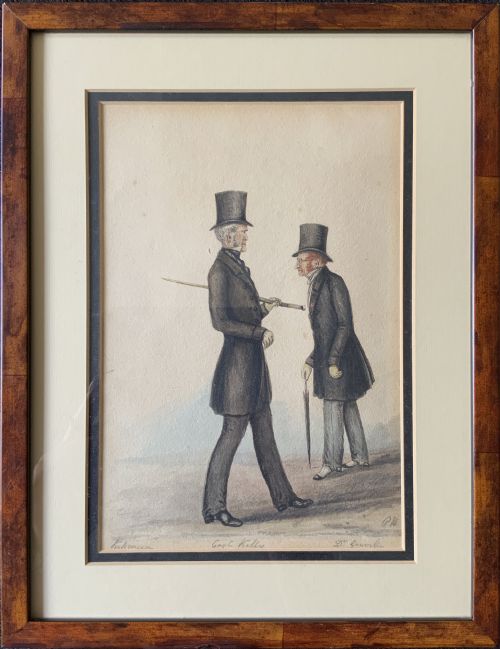
An antique male portrait watercolour represents gentlemen, scholars, aristocrats, and ordinary sitters executed in water-based pigments upon paper. When you search for antique male portrait watercolour, you encounter works ranging from intimate cabinet pieces to framed wall art.
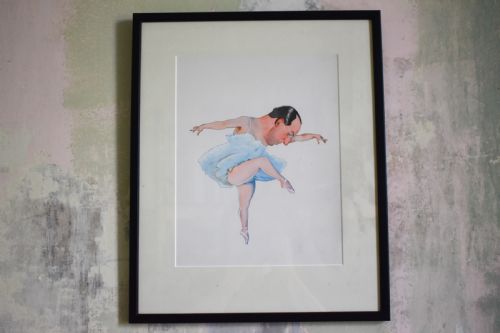
The selections span distinct historical eras, appearing most frequently from the Georgian, Regency, and Victorian periods. Certain examples present single likenesses, whilst others capture caricatures, pairs, or double portraits.
The origins vary from domestic British examples to continental works and the twentieth century Irish school. Portrait miniatures and larger framed paintings dominate the forms available on the page.
Materials and methods
Surviving examples arrive preserved behind protective glass within period frames fashioned from wood, giltwood, or gilt wood. Frame construction often includes secondary elements such as velvet and leather surrounds or backing liners.
The documented forms range from intimate portrait miniatures to larger framed genre paintings and caricatures.
Distinguishing quality
The degree of draughtsmanship and psychological depth separates accomplished likenesses from standard commercial output. Master painters captured bone structure, expression, and texture with immense economy of brushwork.
The integrity of the paper support and the preservation of fugitive pigments determine the visual impact of the piece. Contemporary framing and the retention of original backing materials contribute significantly to historical authenticity.
C.J. Basbe·Josiah Gilbert·George Hamilton Barrable
The Antique Male Portrait Watercolour Glossary
- Watercolour
- A painting method in which fine pigment is suspended in a water-soluble binder applied to paper. It allows for translucent washes and delicate layering.
- Portrait Miniature
- A small-scale painting executed with meticulous precision, designed for private contemplation or pocket transport. These works often feature detailed facial rendering.
- Genre Portrait
- A painting depicting a subject in an everyday narrative setting rather than a formal pose. These works capture a sense of character and narrative.
- Giltwood
- Wood carved and surfaced with a thin layer of gold leaf or metallic powder. It provides a reflective border popular in nineteenth-century framing.
- Bodycolour
- Watercolour paint made opaque by the addition of a white pigment such as chalk. Artists utilised this to create highlights and solid areas of tone.
Antique Male Portrait Watercolour: Frequently Asked Questions
How do I date a watercolour portrait?
Dating relies on costume clues such as coat cuts, neckwear, and hairstyles, alongside framing materials and artist signatures. Archival records and inscriptions on the reverse often provide specific years.
Paper quality and watermarks offer further chronological markers when examinations are possible. Stylistic shifts between Georgian restraint and Victorian realism guide the broader timeline.
Were these portraits meant for display?
Larger framed waterports hung upon parlour and study walls to display family lineage or social standing. Miniature formats were frequently kept in specialised cases or carried personally.
Many works served as memorial tokens or engagement pieces exchanged within families. Their placement reflected the private nature of paper-based art before modern glazing technology.
How should I care for antique watercolours?
Keep works away from direct sunlight to prevent the fading of delicate pigments on paper. Stable indoor humidity levels protect both the paper support and the wooden or giltwood frame.
Avoid hanging pieces in damp environments such as kitchens or unheated spaces. Professional framing with conservation-grade materials ensures long-term preservation against atmospheric pollutants.
What is the difference between a miniature and a painting?
Miniatures are executed on a significantly smaller scale, often requiring specialised magnification for the artist to render fine facial details. Standard portrait paintings occupy larger paper dimensions intended for wall suspension.
Miniatures frequently utilise ivory or fine vellum alongside paper, though watercolour on paper remains common. Both forms rely on precise brushwork to capture the likeness of the sitter.