
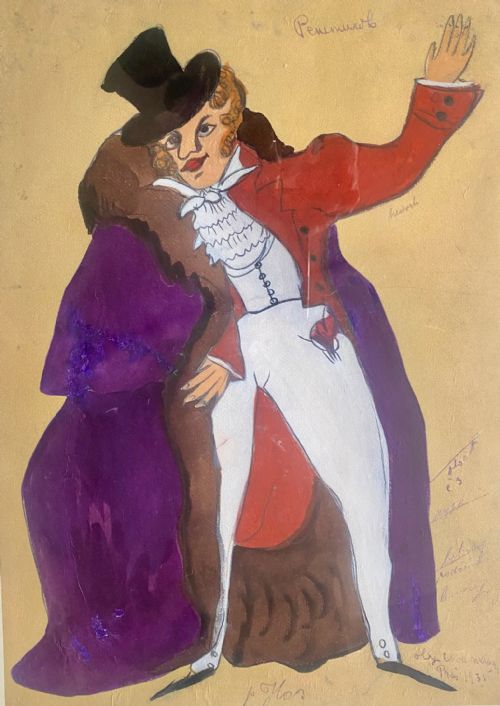


Figure Study Painting
A figure study painting captures the human form with direct observation, offering an intimate glimpse into academic practice and artistic technique.
Figure Study Painting
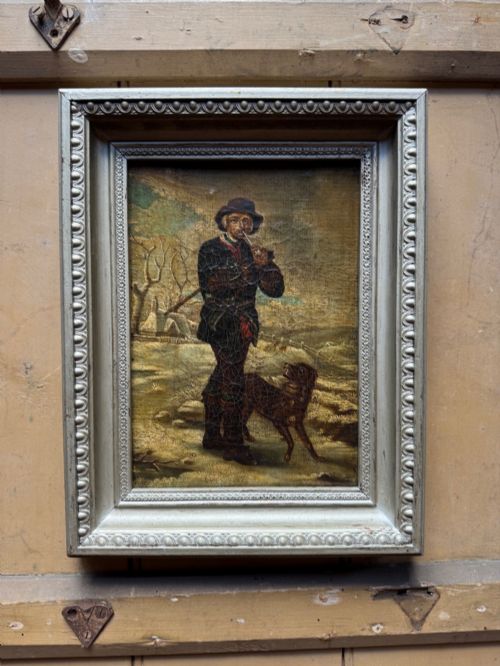
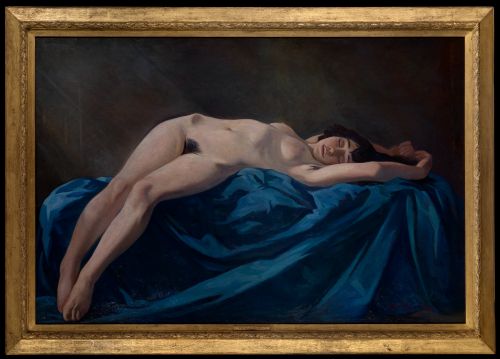
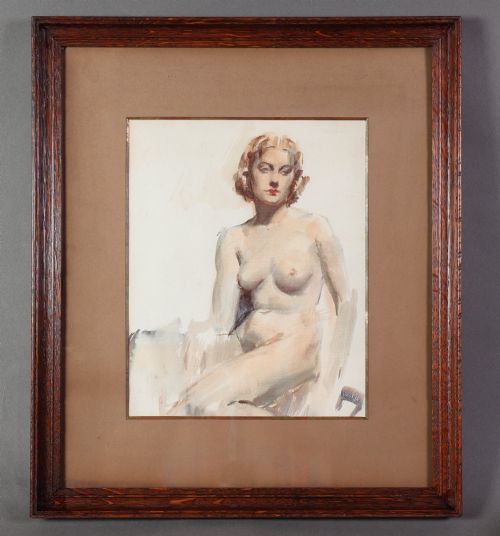
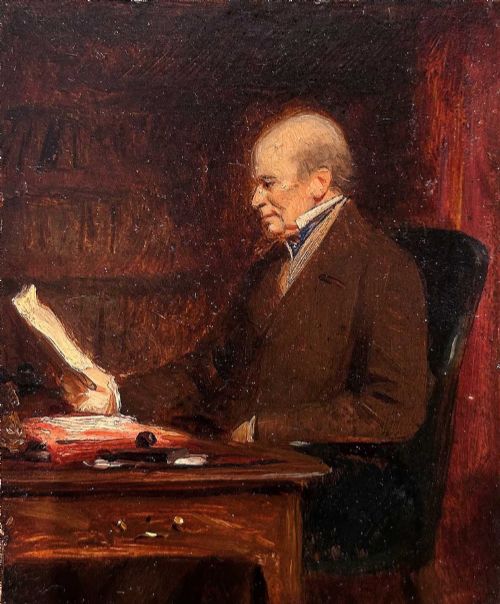
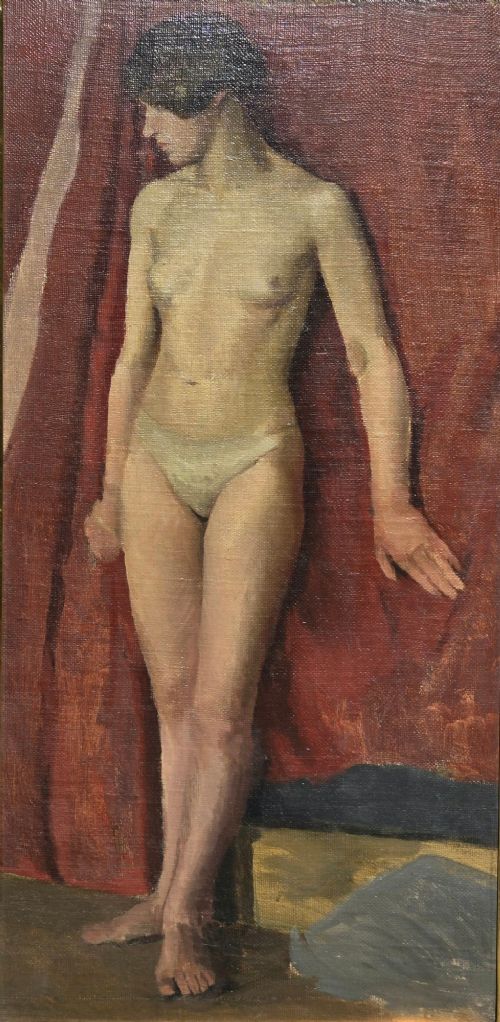
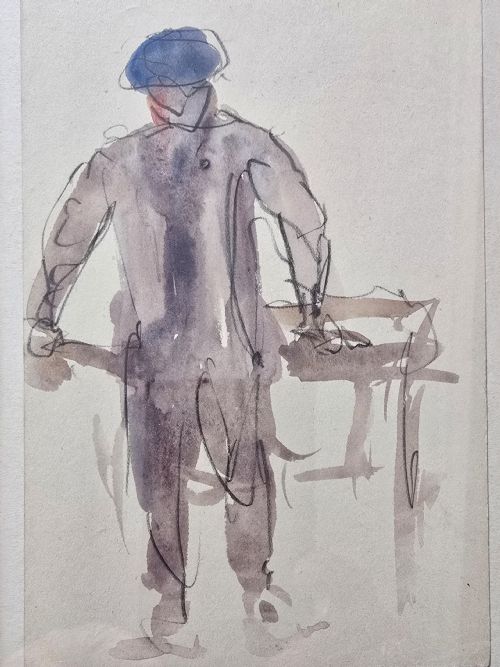
A figure study painting focuses primarily on the human body, capturing gesture, posture, and anatomical detail through direct observation. When exploring a figure study painting on this page, buyers encounter works spanning from the eighteenth century through the mid-twentieth century, encompassing both finished compositions and rapid preparatory sketches.
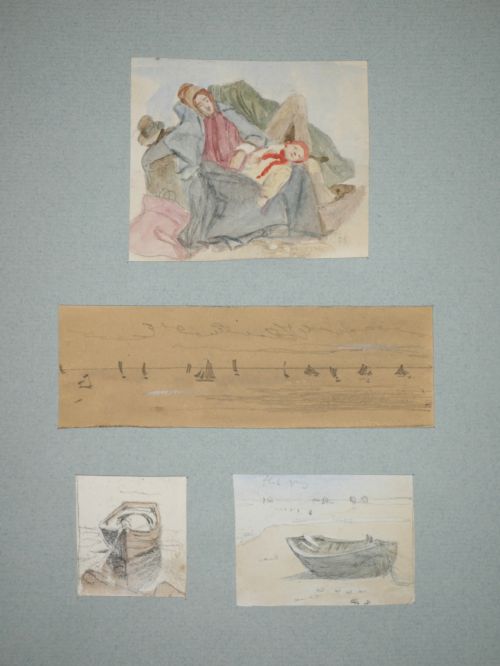
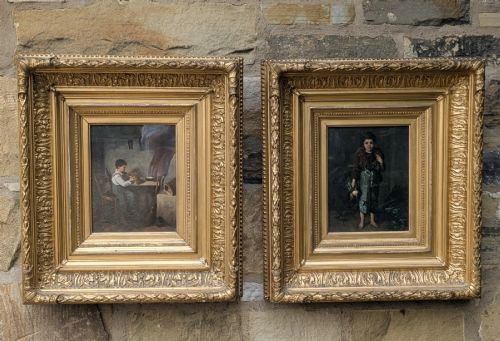
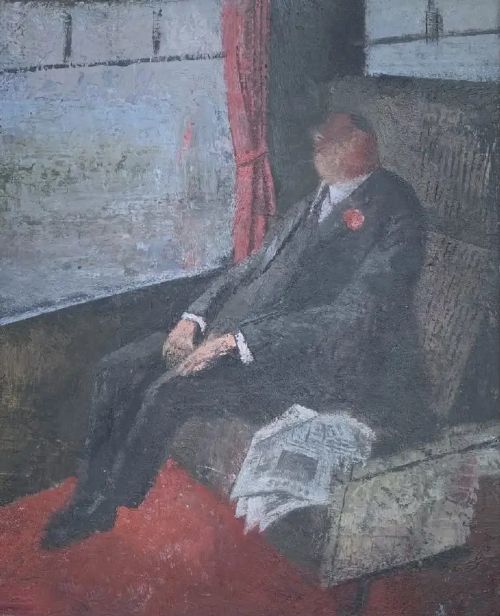
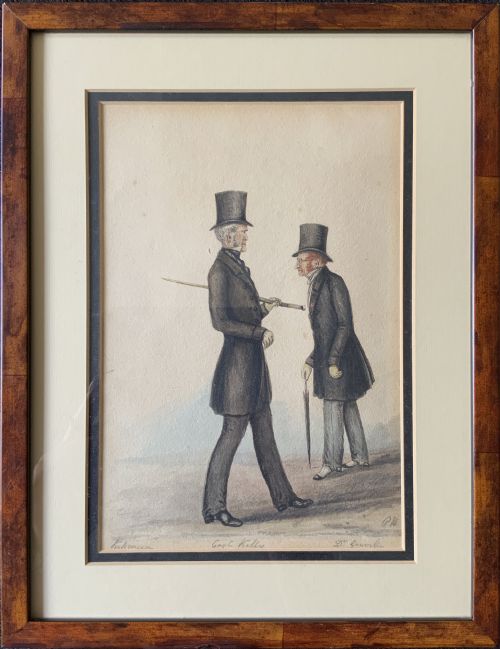
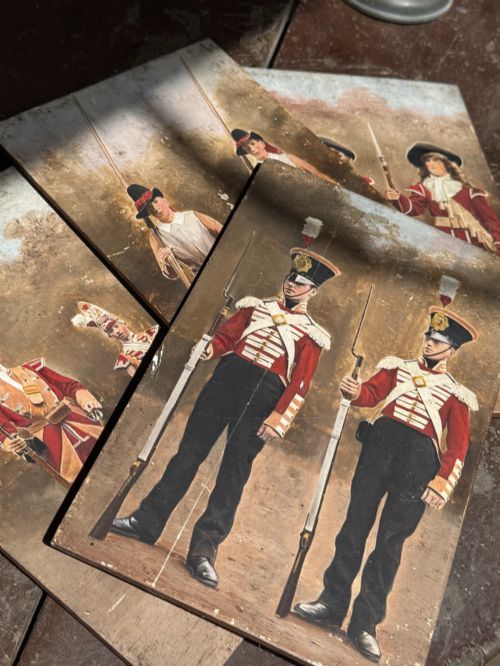
The selections available range widely in medium and intent, from nineteenth-century academic watercolours on paper to expressive mid-century canvases executed in oil. Many pieces record live models in studio settings, while others present historical subjects, mythological figures, or intimate domestic portraits.
Origins vary across British, Irish, French, Belgian, and German schools, reflecting shifting regional approaches to the human form. Buyers will find everything from detailed pen and ink sketches to large post-century studio oils.
Materials and construction
Artists executed these works using traditional supports such as canvas, wood panel, heavy paper, and pith paper. Oil paint and watercolour dominate the selection, applied alongside gouache, pastel, and pen and ink.
Techniques range from meticulous chiaroscuro and en grisaille rendering to loose impressionist brushwork and expressive post-war application. Supports were frequently framed to preserve fragile surfaces of paper and board.
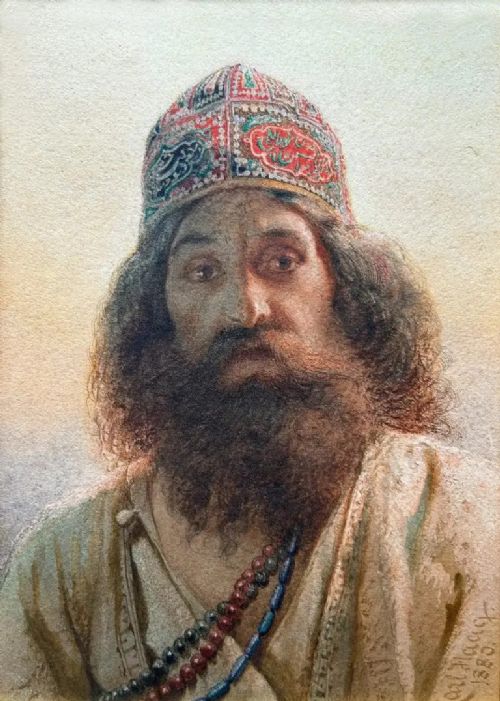
Several artists clearly found that capturing human subjects required recording everything from a single foot to howling dervishes.
Quality and execution
Quality rests upon the sureness of the draughtsmanship and the artist's ability to render volume, light, and shadow convincingly across the human form. Stronger examples demonstrate a confident command of proportion and anatomical structure, whether rendered through rapid brushstrokes or finished detail.
The handling of the medium further distinguishes the work, as seen in the skilful layering of oil paint or the translucent wash of watercolour. Provenance, exhibition history at institutions like the Royal Academy, and attribution to recorded artists elevate individual pieces.
James Smetham·Carl Haag·Stephen Pearce·Honore Cavaroc·Alexandre Louis Martin·William Etty·Allan Douglas Davidson·James Clark·William Edward Frost·Bartolomeo Schedoni·Peter Paul Rubens·Peter Jackson·Jennings Brothers·Ferdinand Preiss·Josef Lorenzl·Thomas Dudley
The Figure Study Painting Glossary
- Chiaroscuro
- The use of strong contrasts between light and dark, usually bold contrasts affecting a whole composition. This technique gives figures a three-dimensional sculptural volume.
- En grisaille
- Painting executed entirely in shades of grey or neutral greyish-brown. Artists frequently utilised this monochrome method for decorative schemes or preliminary studies.
- Gouache
- An opaque water-based paint consisting of pigment, water, and a binding agent such as gum arabic. It dries to a matte finish and provides dense colour coverage.
- Pith paper
- A traditional Chinese material formed from the pith of the tetrapanax papyrifer plant. It possesses a delicate, velvety texture well suited for fine watercolour application.
- Study
- A drawing, sketch, or painting done in preparation for a finished piece, or as an experimental exercise. These works reveal the artist's working method and direct observation.
Figure Study Painting: Frequently Asked Questions
What is a figure study?
A figure study is an artwork created to examine the human form, often focusing on posture, gesture, or anatomy rather than producing a formal portrait.
These pieces served artists as training exercises or preparatory steps for larger historical, mythological, or allegorical compositions.
How do I care for works on paper?
Works on paper require protection from direct sunlight to prevent fading and discolouration of both the pigment and the support.
Displaying them behind conservation-grade glass helps shield delicate watercolours, pastels, and ink sketches from environmental moisture.
Are these works original paintings?
The selection comprises original hand-painted works, including unique oils on canvas, wood panels, and watercolours executed directly by the artist.
Each piece represents a singular creation rather than a reproduction, bearing the individual brushstrokes and marks of its maker.
How can I date an antique painting?
Dating relies on examining the physical materials, such as the weave of the canvas, the type of wood panel, and the preparation of the ground layer.
Stylistic conventions, artist signatures, and framing methods further help place the work within a specific period.