
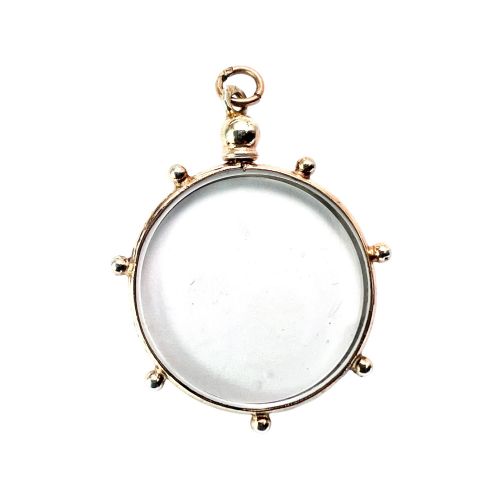


Framed Victorian Double Portrait
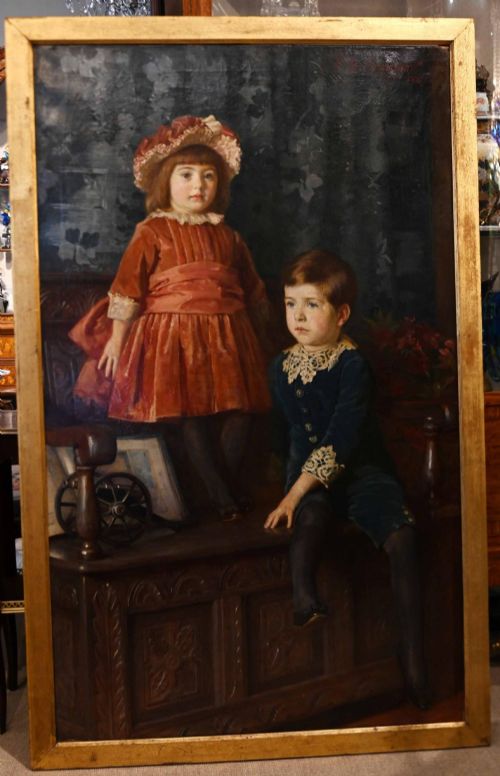
A framed victorian double portrait holds two likenesses side by side, offering a glimpse into past relationships through miniature paintings, photographs, and silhouettes.
Framed Victorian Double Portrait
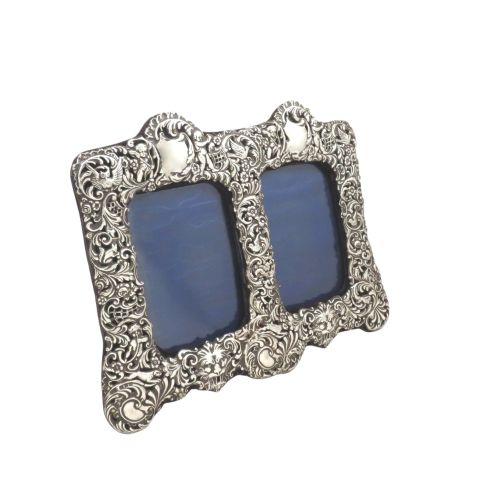
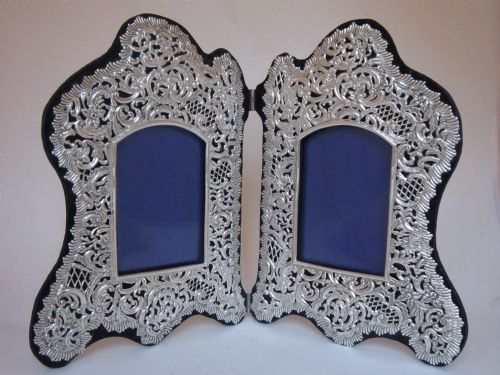
A framed victorian double portrait brings together two distinct subjects within a single housing, commonly taking the form of hinged photograph frames, twin apertures in desk accessories, or paired silhouettes.
The materials span precious metals and simpler alloys alongside carved wood and glass, reflecting the varied social strata of the nineteenth century.
Buyers encountering this search phrase find domestic keepsakes designed to display couples, family members, or paired acquaintances from the Victorian and Edwardian eras.
How they were made
Metalwork frames utilise sterling silver, brass, and ormolu, often shaped through casting and stamping to create ornate borders and hinged joining mechanisms.
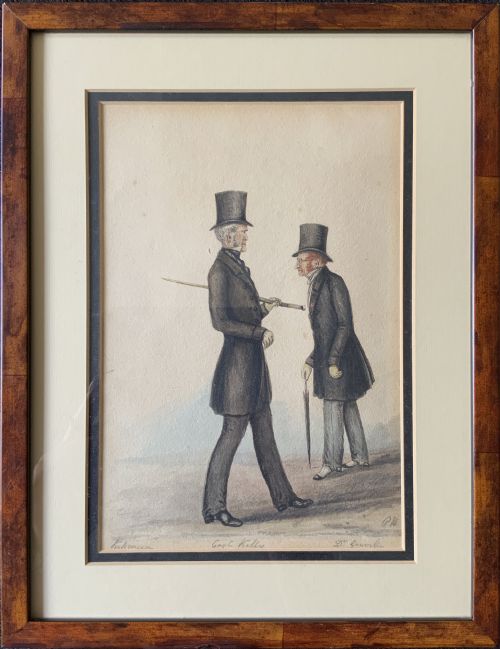
Paper works and silhouettes rely on ink and watercolour on paper, while protective glazing employs fitted glass plates held securely within wooden or metallic surrounds.
Listings feature items spanning the nineteenth century into the early twentieth century, incorporating materials such as sterling silver, brass, rosewood, and paper.
What varies in quality
The standard of a double portrait piece rests on the precision of its construction, particularly in the alignment of hinges and the crispness of decorative chasing on metal mounts.
Material choice dictates the upper tier of the range, where hallmarked sterling silver or finely cast ormolu distinguishes domestic items from simpler plated or wooden alternatives.
Hardy Brothers
The Framed Victorian Double Portrait Glossary
- Ormolu
- A gilding technique involving finely ground gold applied to a copper-based bronze metal. This finish provides a warm, durable metallic sheen often seen on French decorative frames from the nineteenth century.
- Locket pendant
- A small hinged case worn on a chain designed to hold tiny portraits or locks of hair. These pieces use glass fronts and screw mechanisms to secure the contents.
- Sterling silver
- An alloy containing a high proportion of pure silver combined with other metals for durability. British pieces frequently feature hallmarks indicating the assay office and year of creation.
- Silhouette
- A two-dimensional profile portrait filled in with a solid dark colour, usually cut from paper or painted in ink. Early examples capture likenesses with remarkable economy of line before photography became widespread.
Framed Victorian Double Portrait: Frequently Asked Questions
What is a double portrait frame?
A double portrait frame is a hinged or integrated housing designed to display two separate images simultaneously. They were commonly placed on desks or mantelpieces to keep images of loved ones close.
Such pieces range from heavy silver photo holders to brass easel-backed designs and delicate lockets. Their dual nature allowed families to pair portraits of spouses or siblings together.
How are nineteenth century frames dated?
Dating relies on hallmarks stamped into precious metals, maker marks, and stylistic clues within the construction. Sterling silver items often carry date letters that pinpoint the exact year of assay.
Other indicators include the type of easel support, the method of glass retention, and the fasteners used at the back. Comparing these elements with known production periods narrows down the timeframe.
What materials were used?
Common materials include sterling silver, brass, rosewood, glass, and velvet linings. Makers also utilised ormolu and gold on silver for smaller pendant pieces.
Each material served a specific purpose, from durable metals for desktop use to precious gold and glass for wearable keepsakes. The choice of medium typically corresponded to the intended setting and budget of the original owner.
How do I care for antique metal frames?
Care involves gentle dusting with a soft, dry cloth to prevent the accumulation of dirt in intricate chased areas. Avoid harsh chemical polishes that can strip away original patination or damage softer plated surfaces.
Silver components benefit from specialised silver cloths used sparingly. Keeping them away from excessive moisture preserves both the metal and any original fabric backing materials.