


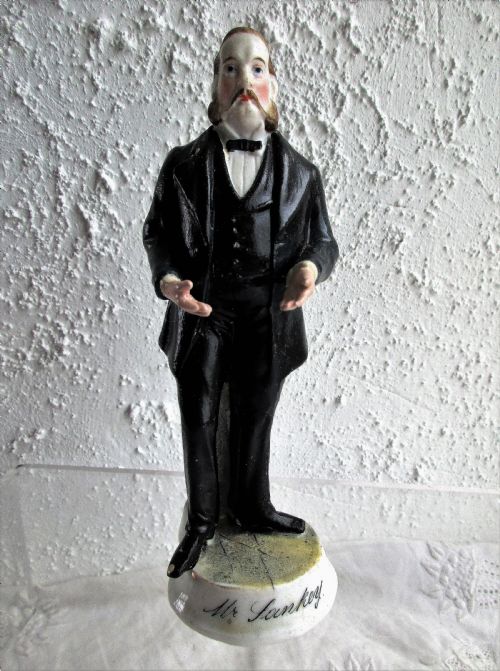

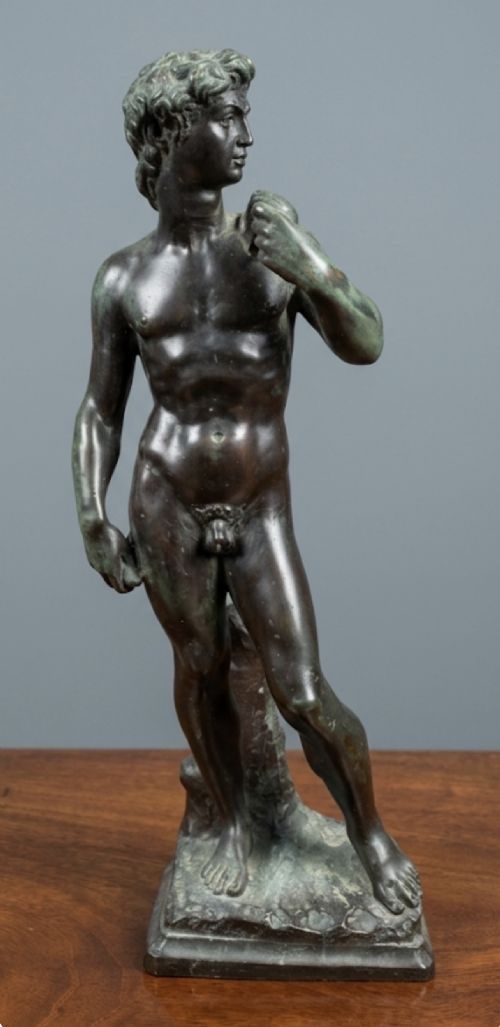


Antique Male Figurine
An antique male figurine brings classical mythology, athletic power, and historical portraiture into a room through bronze, porcelain, and carved wood.
Antique Male Figurine
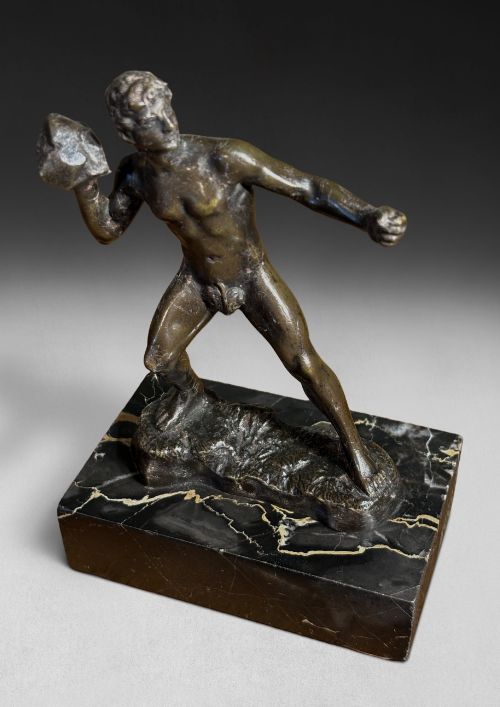
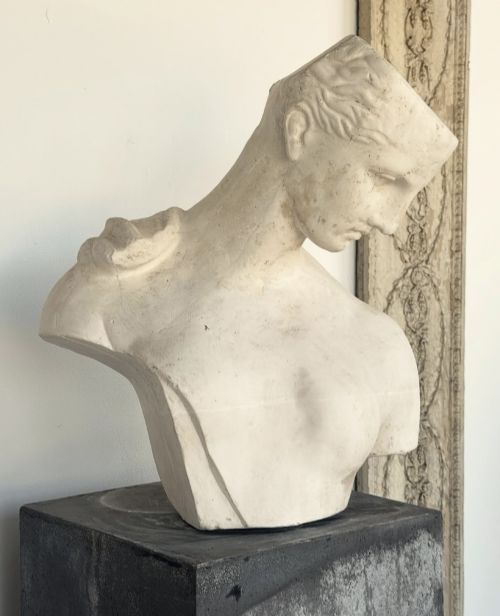
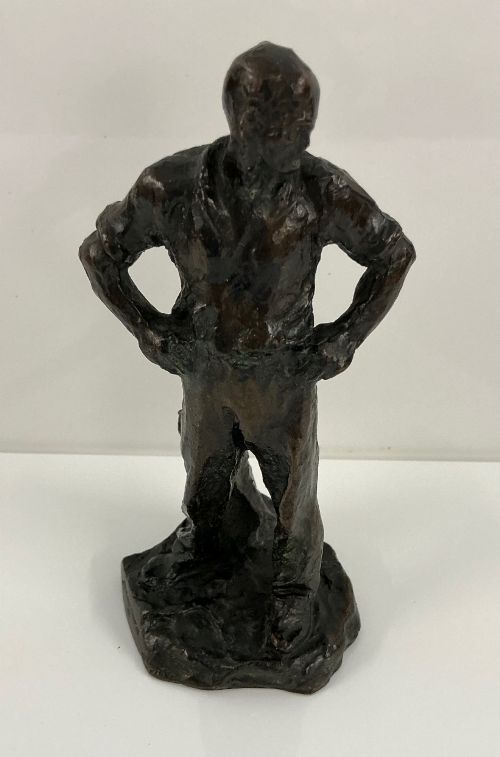
When you search for an antique male figurine, you encounter sculptural works spanning the nineteenth and early twentieth centuries, drawing heavily on classical antiquity and the Grand Tour tradition. These pieces portray athletes, mythological figures such as Mercury, David, and Faun, and historical characters rendered in miniature or monumental scale.
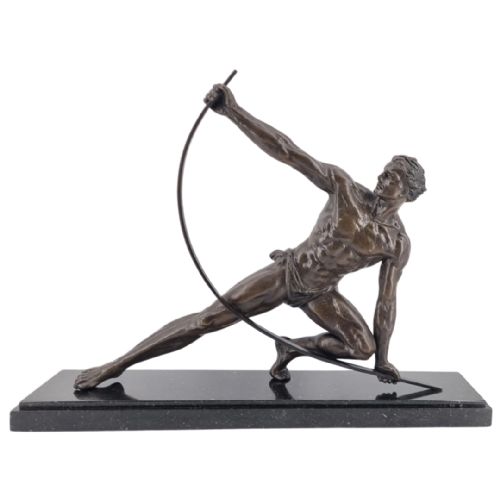
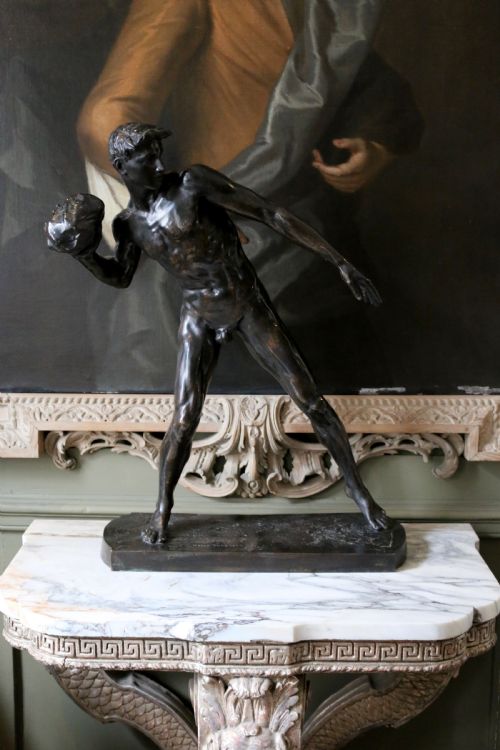
The selection on this page relies heavily on nineteenth century French bronzes, Victorian porcelain figures, and early twentieth century Art Deco sporting bronzes. You will find studies of gladiators, tennis players, and warriors cast in metal or modelled in ceramic.
Origins stretch from European foundries in France and Italy to English potteries and Japanese workshops producing carved okimono. Figures range from small cabinet pieces to large, imposing works standing on marble plinths.
Materials and construction methods
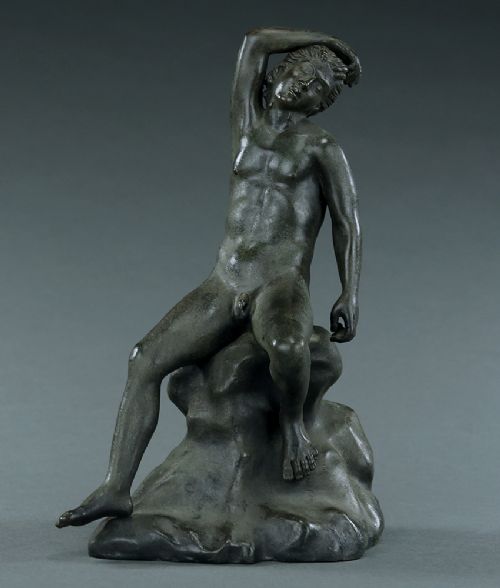
Foundries utilised the lost wax casting technique for bronze figures, allowing intricate muscle definition, drapery, and facial expressions to emerge from the molten metal. Patination was then applied by hand, ranging from deep dark greens and browns to bright verdigris and gilt surfaces.
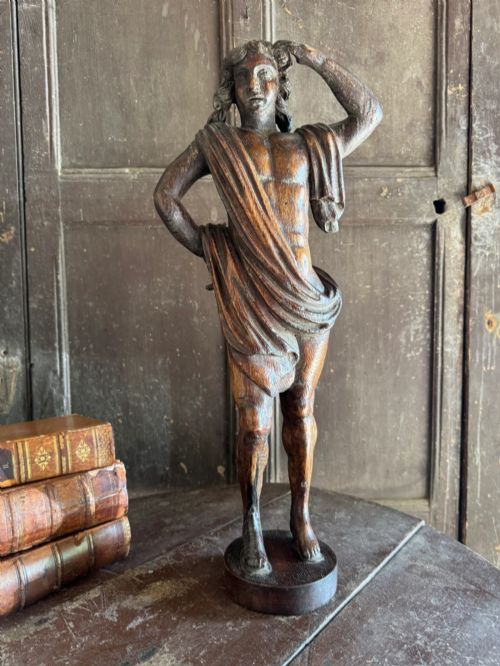
Ceramic pieces, including porcelain and slip cast earthenware, required careful firing in kilns before receiving hand-painted enamel colours and translucent glazes. Wooden examples relied on meticulous hand-carving from dense hardwoods such as oak or ebonised timber.
Antique Male Figurine Retail Price Guide 2026
Typical asking prices for male figurine among the pieces listed under this phrase on Sellingantiques today, from the lower quarter to the upper quarter. They describe what is for sale here now, not the wider market.
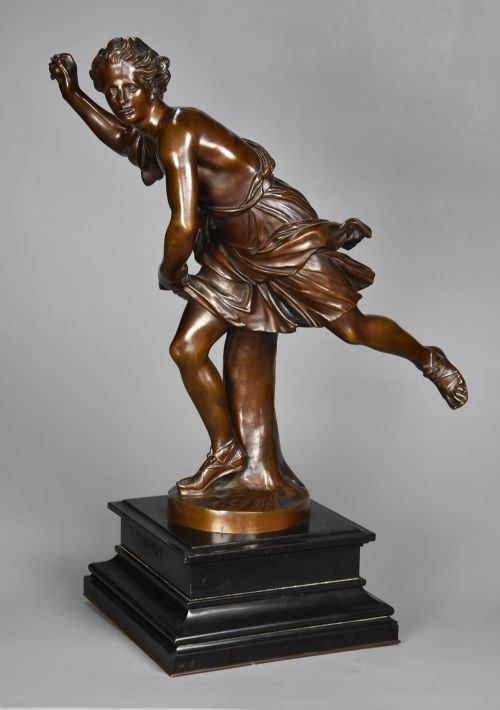
Athletes frozen in mid-swing remind us that even heavy bronze can capture the sudden panic of dropping a tennis racket.
Distinctions in execution and finish
Quality rests in the crispness of the chase work on bronze casts, where the sculptor or metalworker cleaned the raw metal to define muscles, hair, and fingers with anatomical precision. Inferior casts lose these sharp details and appear muddy or smoothed over.
Surface patination plays a major role, as rich, layered chemical treatments applied to bronzes outlast flat, uniform spray finishes. In porcelain and ceramic figures, the delicacy of the moulding and the precision of the hand-painted enamel separate standard factory output from masterworks.
Jean de Roncourt·Barbedienne·Hamo Thornycroft·Jules Dalou·Julien Lorieux·Friedrich Goldscheider·Emile Louis Picault·Emile-Coriolan Guillemin·Sir Thomas Brock·Canova·Desire Grisard·Raoul Francois Larche·Rudolf Küchler·Bruno Zach
The Antique Male Figurine Glossary
- Grand Tour
- A nineteenth century travel custom where affluent young Europeans collected classical bronzes and antiquities as cultural souvenirs. These souvenir bronzes were often reduced-scale copies of famous statues found in Italian museums.
- Patination
- The chemical treatment or natural ageing process that colours the surface of bronze sculpture. Artisans used acids and heat to produce dark browns, greens, and blacks.
- Lost wax casting
- A metal casting method where a wax model is melted out of a mould and replaced with molten bronze. This technique permits complex undercuts and fine sculptural detail.
- Okimono
- A Japanese decorative carving designed for display on a shelf or cabinet. These are typically carved from boxwood or ivory depicting figures from daily life.
- Verdigris
- A green patina that forms naturally on copper and bronze through oxidation. It is frequently replicated artificially on Grand Tour bronzes to mimic ancient excavation finds.
Antique Male Figurine: Frequently Asked Questions
What periods do these figures come from?
The pieces originate predominantly from the nineteenth century, including Victorian and Grand Tour examples, alongside early twentieth century Art Deco works. Earlier examples from the eighteenth century also appear occasionally.
Dating relies on stylistic markers, casting techniques, signatures from foundries, and the materials used in the plinths and patination.
How were these figures displayed originally?
Grand Tour bronzes and porcelain figures stood on library desks, mantelpieces, and dedicated sculpture pedestals in affluent Victorian and Edwardian homes. They served as conversation pieces that displayed the owner's classical education and refined taste.
Larger monumental bronzes were often placed in entrance halls or garden rooms where their weight and scale commanded the space.
How do I care for antique bronze?
Bronze requires very little maintenance beyond dusting with a soft, dry cloth to prevent grit from settling into the crevices of the patination. Avoid using chemical metal polishes, as these will strip away the historic surface colour.
Keep pieces away from direct sunlight and damp environments to protect both the metal and any underlying marble plinths.
What is a Grand Tour bronze?
Grand Tour bronzes are miniature or reduced-size copies of classical statues, created in Italy and France during the nineteenth century for travellers touring European cultural sites. They allowed collectors to bring home representations of famous ancient sculptures.
These pieces are identified by their dark or verdigris patination, fine cast detail, and mounting on Italian marble or slate bases.