






Antique Mail Organizer
An antique mail organizer sorts correspondence on a desk, offering practical storage fashioned from mahogany, brass, oak and papier-mache.
Antique Mail Organizer
An antique mail organizer serves to sort correspondence and papers on a desk or table, appearing in forms such as letter racks, pigeon holes, and stationery boxes. Buyers searching this phrase encounter desk accessories dating from the Georgian period through to the 1930s.
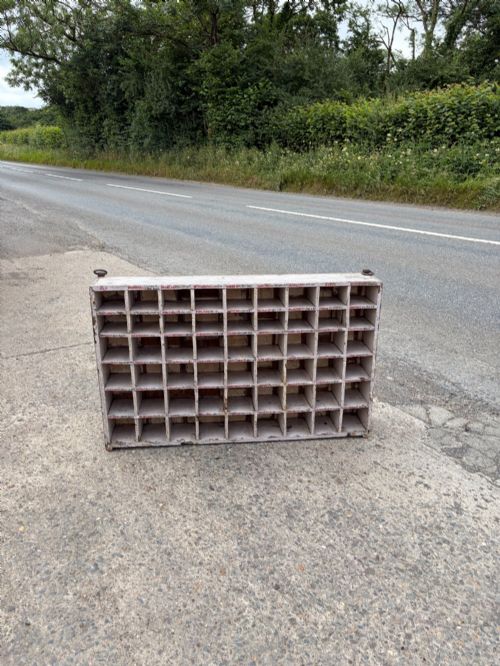
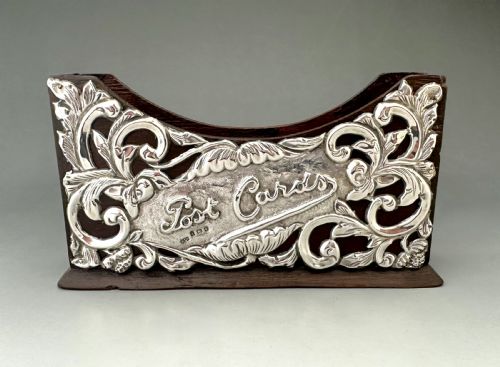
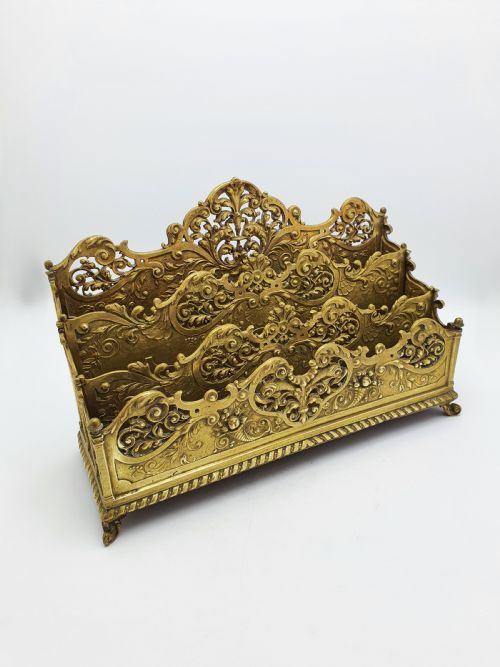
The selection on this page includes Edwardian oak letter boxes, Victorian letter racks, and early 20th century pigeon holes alongside novelty cricket and piano desk pieces. French brass examples and Arts and Crafts copper items also surface among the desk accessories.
Materials span timber like pine, mahogany, and oak, alongside metals such as brass, copper, and silver, occasionally enriched with papier-mache, lacquer, and guilloche enamel. These functional storage units reflect the domestic and office needs of past centuries.
How they were made
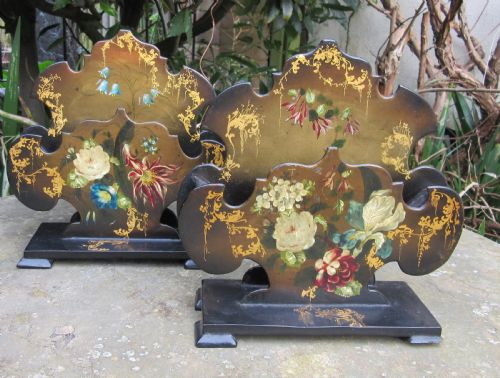
Cabinetmakers constructed wooden pigeon holes and letter boxes from pine, mahogany, and oak, utilising traditional joinery for compartments and storage units. Papier-mache letter stands demonstrate moulded paper pulp techniques finished with lacquer.
Metal letter racks employ cast and sheet brass, copper, and silver, sometimes mounting precious metals onto wood or incorporating pink guilloche enamel work.
Antique Mail Organizer Retail Price Guide 2026
Typical asking prices for mail organizer among the pieces listed under this phrase on Sellingantiques today, from the lower quarter to the upper quarter. They describe what is for sale here now, not the wider market.
Hold your mail in a brass cricket bat or a miniature piano desk, because Victorian correspondence clearly required a sporting or musical backdrop.
What varies in quality
The grade of an antique mail organizer rests on the selection of timber or metal, distinguishing sturdy oak and mahogany carcasses from simpler pine variants. Superior desk accessories display refined proportions and careful assembly of internal pigeon holes.
Decorative execution separates standard items from exceptional ones, particularly in cast brass Rococo Revival ornamentation, silver mounts, or enamel detailing. Novelty forms, such as cricket bats or piano desk correspondence boxes, rely on the crispness of their carving and casting.
The Antique Mail Organizer Glossary
- Pigeon holes
- Compartments arranged in rows for sorting letters and papers. These storage units form the core of many desktop organisers.
- Letter rack
- A desktop accessory designed to hold envelopes upright in slots. They appear in brass, wood, and silver.
- Guilloche enamel
- Decorative metalwork covered in translucent enamel over a machine-turned pattern. This technique decorates select Art Deco pieces.
- Papier-mache
- A composite material made from paper pulp or layers of paper bound with glue, then moulded and dried. Regency stands utilise this medium.
- Rococo Revival
- A design style drawing on 18th-century asymmetry, scrollwork, and natural motifs. Grand Tour brass pieces frequently display these flourishes.
Antique Mail Organizer: Frequently Asked Questions
What is an antique mail organizer used for?
These pieces organise incoming correspondence, envelopes, and stationery on a desk or bureau.
They provide structured compartments to keep papers tidy in a domestic study or office.
How do I date an oak letter box?
Dating relies on stylistic markers, construction methods, and timber choice typical of periods like the Edwardian era.
Examining the fixings and hardware also helps establish the era of manufacture.
Are brass letter racks heavy?
Many cast brass letter racks possess substantial weight to prevent tipping when holding heavy mail.
Smaller novelty or wire-work variants remain lighter and more portable.
What is the difference between pigeon holes and a letter rack?
Pigeon holes consist of open compartments built into a cabinet or desktop unit for bulk sorting.
Letter racks feature upright slots specifically designed to display individual envelopes.