
Antique Mahogany Serving
Antique mahogany serving pieces span grand dining rooms and quiet drawing rooms, offering practical utility and enduring joinery for modern homes.
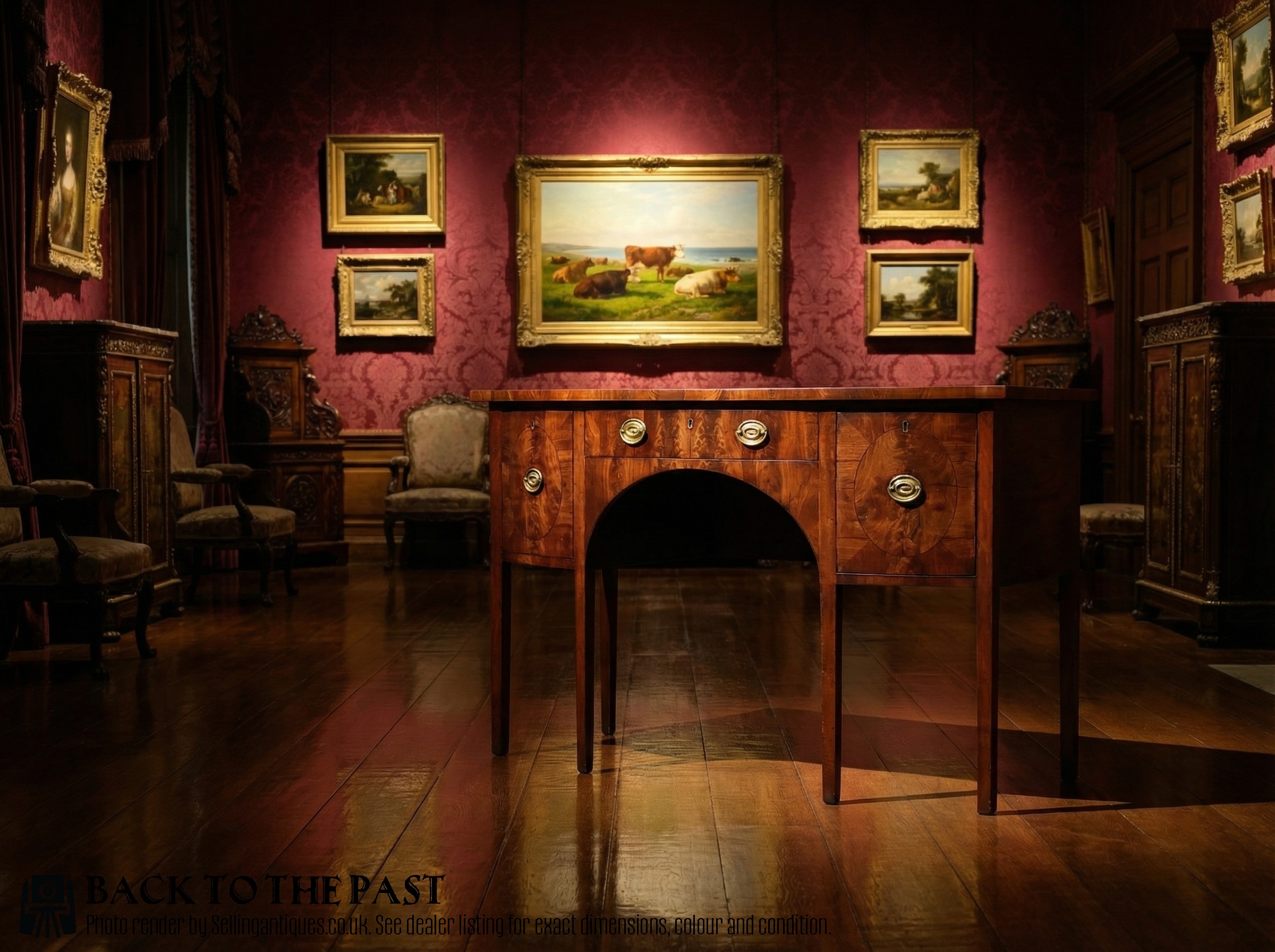
Antique Mahogany Serving
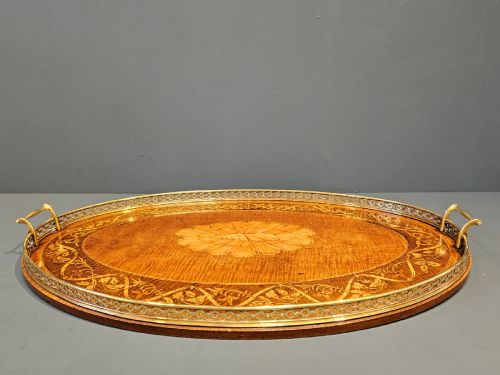
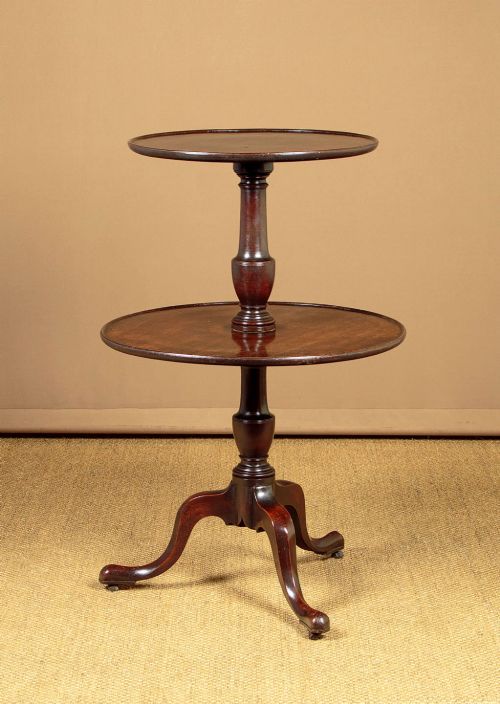
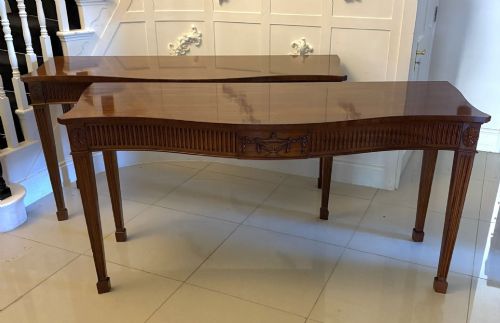
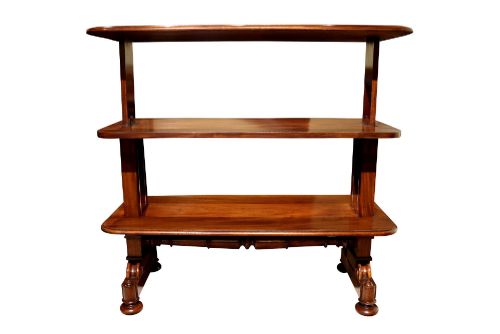
Antique mahogany serving forms encompass a wide variety of furniture designed for the presentation and transfer of food and drink. These range from substantial sideboards and console tables to portable butler trays and multi-tiered dumb waiters.
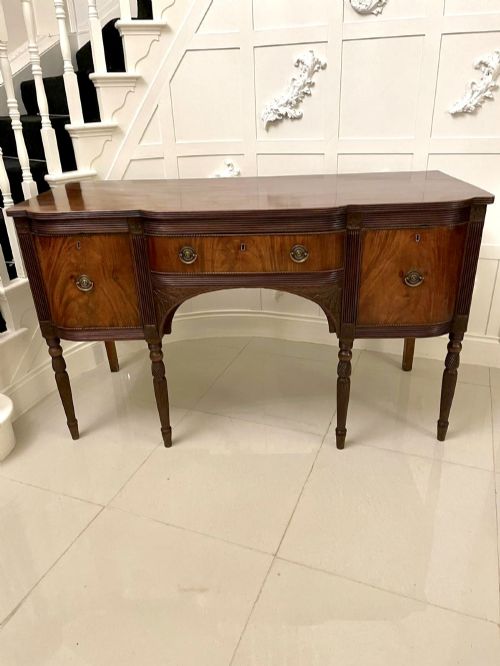
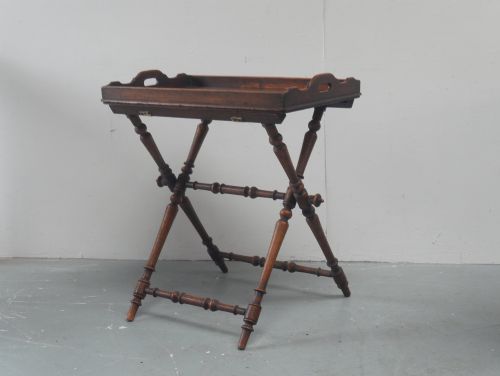
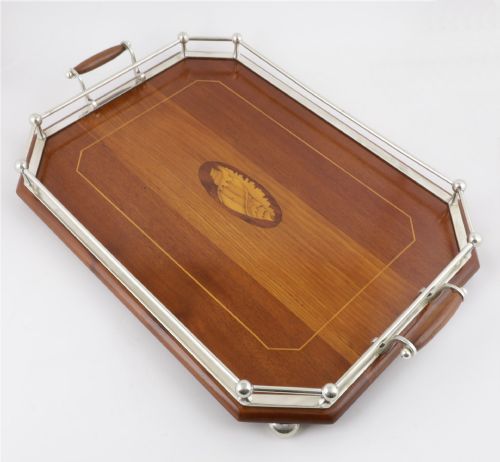
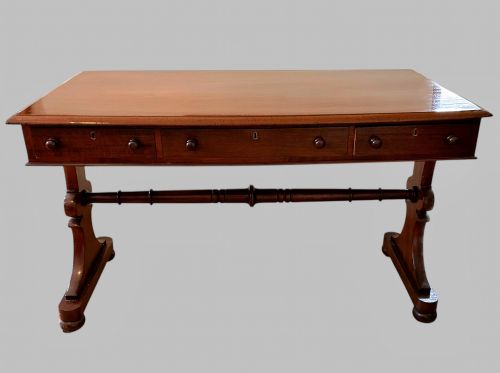
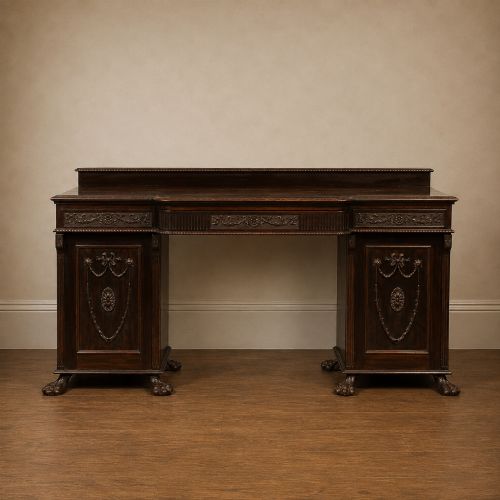
Buyers most frequently encounter robust Georgian and Victorian sideboards alongside portable serving trays mounted on folding stands. The selection also includes tiered trolleys and console tables originating across the eighteenth, nineteenth, and early twentieth centuries.
How They Were Made
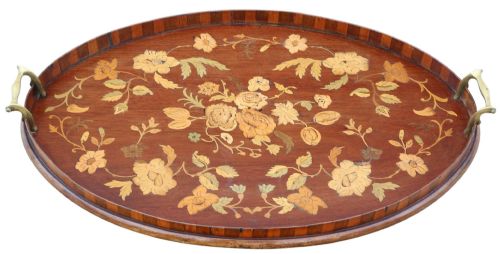
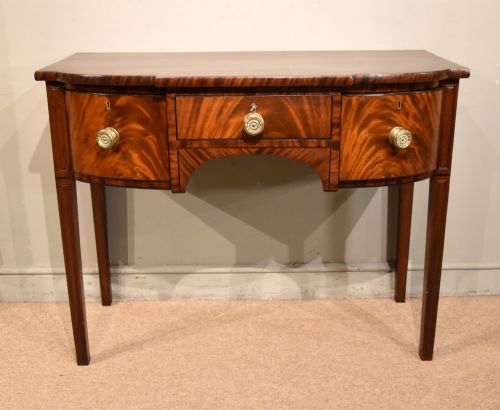
Cabinet makers utilised dense timber, frequently selecting figured mahogany and flame mahogany veneer over solid primary woods like oak. Surfaces often incorporate contrasting stringing and banding using boxwood and satinwood inlay.
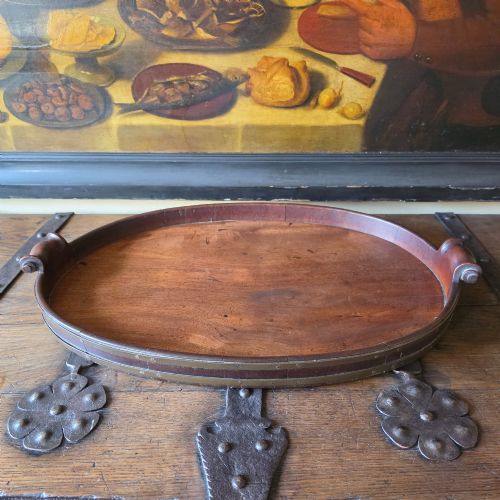
Structural hardware relied upon cast brass handles, gallery rails, and coopered joints for circular vessels. Many items also feature intricate neoclassical carving or subtle marquetry work executed by hand.
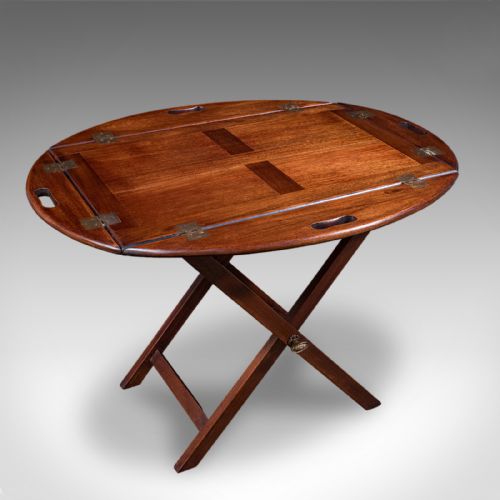
Several trays include hidden brass hinges that drop the edges flat, turning a deep carrier into a neat tabletop in seconds.
What Varies in Quality
The grain configuration of the timber dictates much of the visual appeal, with richly figured or flame veneers marking out superior examples. Subtle details such as finely cut cockbeading around drawers and crisp, deep hand-carved ornamentation distinguish workshop standards.
Proportion and structural integrity define the higher tiers of production. Pieces retaining their original brass mountings, untouched patination, and unwarped multi-tiered tiers command greater appreciation among collectors.
Maple and Co·Gillows
The Antique Mahogany Serving Glossary
- Dumb waiter
- A tiered stand with rotating or fixed circular shelves designed to hold dishes without requiring servants in the room.
- Butlers tray
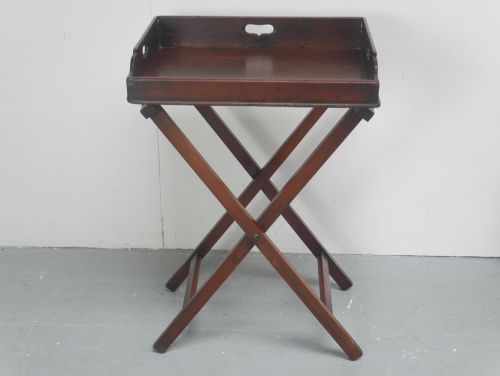
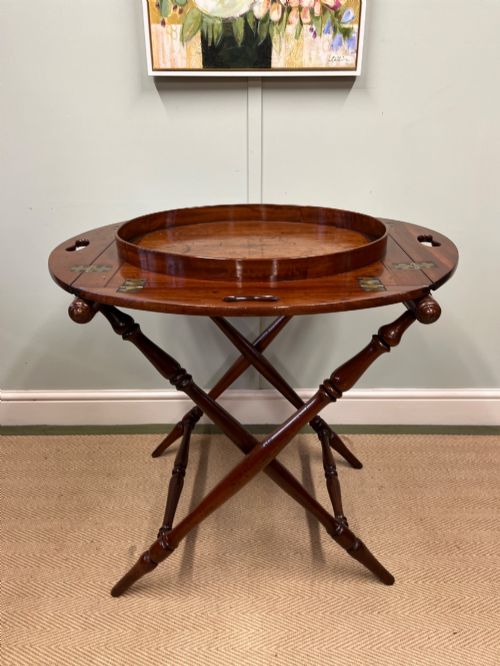
- A rectangular or oval wooden tray featuring hinged flaps, usually paired with a folding wooden X-frame stand.
- Breakfront
- A cabinet or sideboard whose central section projects forward from the flanking sections to create visual depth.
- Coopered
- Assembled from vertical staves of wood bound together with metal or wooden hoops, commonly seen on cylindrical serving vessels.
- Stringing
- Thin inlaid lines of contrasting light wood, such as boxwood, used to edge panels and drawer fronts.
Antique Mahogany Serving: Frequently Asked Questions
What is a dumb waiter used for?
These tiered wooden stands held extra plates, glasses, and courses during formal meals to reduce the need for constant staff attendance.
Over time, they transitioned from dining rooms to libraries and parlours as practical side tables for books and tea.
How do you use a butler tray today?
The removable wooden tray rests on its folding stand, making it a versatile surface for drinks, plants, or bedside storage.
Folding the stand flat allows the tray to be lifted off and carried independently when serving guests.
What is the difference between a sideboard and a serving table?
Sideboards typically incorporate enclosed cupboard storage and multiple drawers beneath a broad top surface for heavy dishes.
Serving tables are generally lighter, open-framed console designs intended strictly for laying out food and drink during gatherings.
How can you tell a Georgian sideboard from a Victorian one?
Georgian pieces often display restrained neoclassical lines, subtle satinwood stringing, and lighter proportions reflecting eighteenth-century taste.
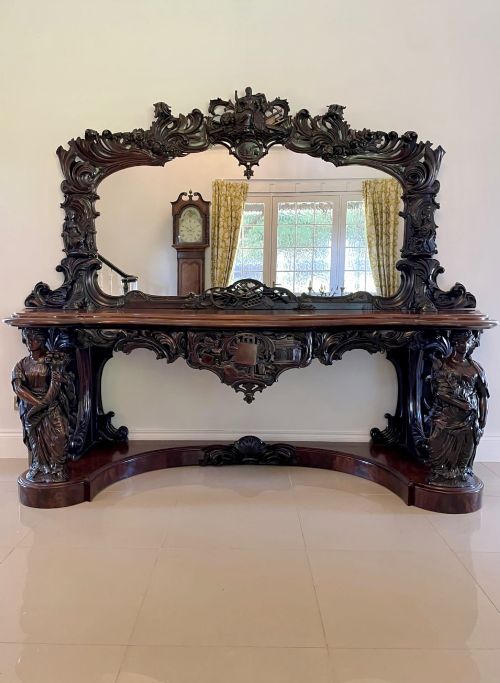
Victorian iterations tend towards heavier construction, darker patination, bolder carving, and sometimes elaborate mirror backs or larger dimensions.