
Antique Mahogany Display Unit
An antique mahogany display unit brings warm timber grain and refined architecture to a room, holding books and collections with quiet dignity.
Antique Mahogany Display Unit
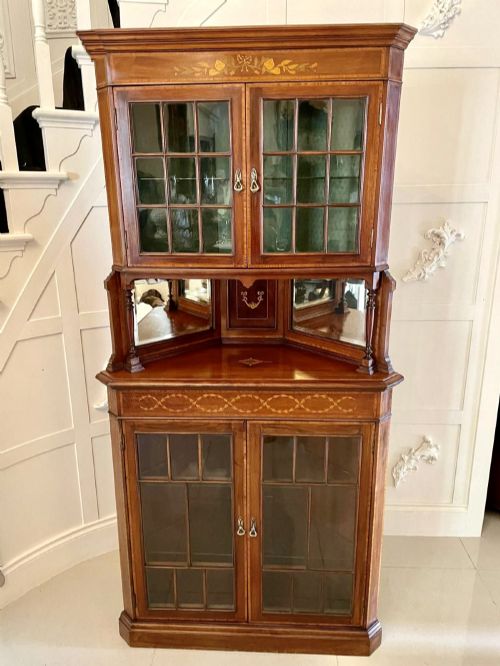
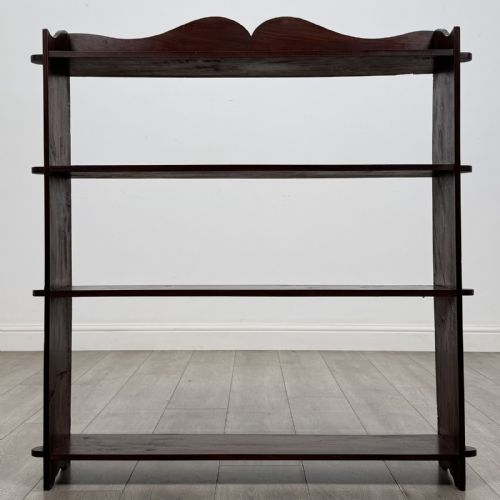
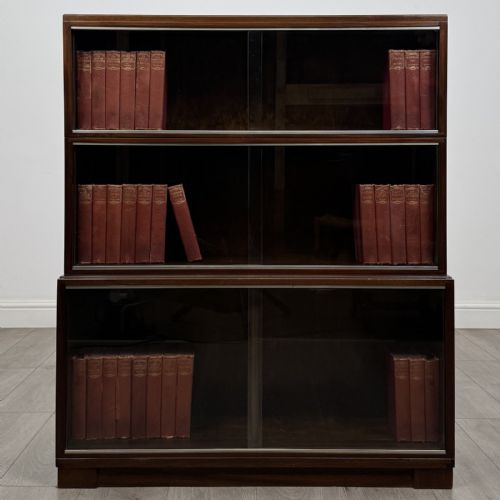
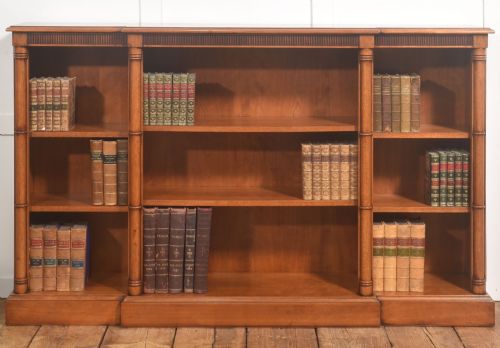
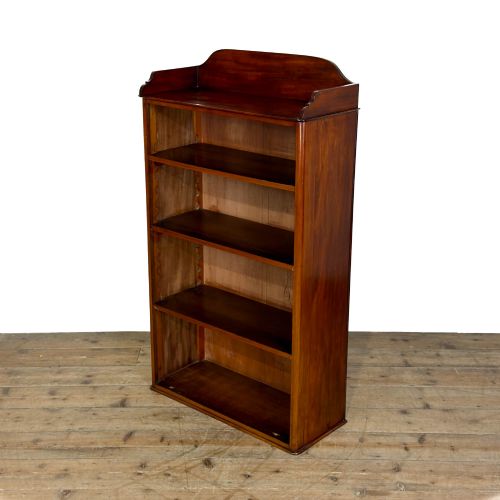
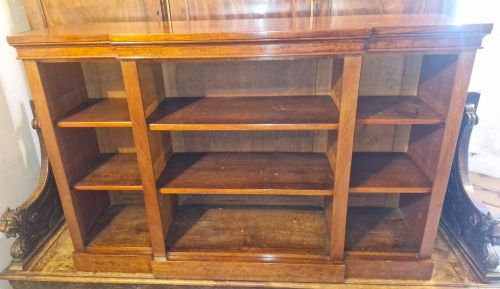
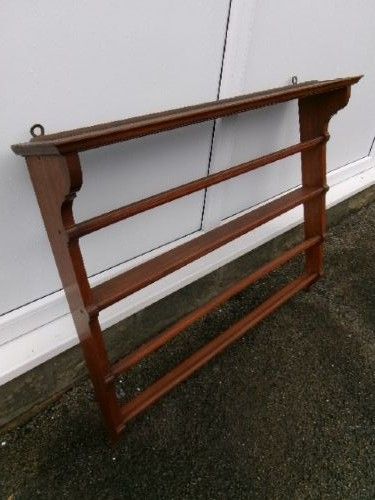
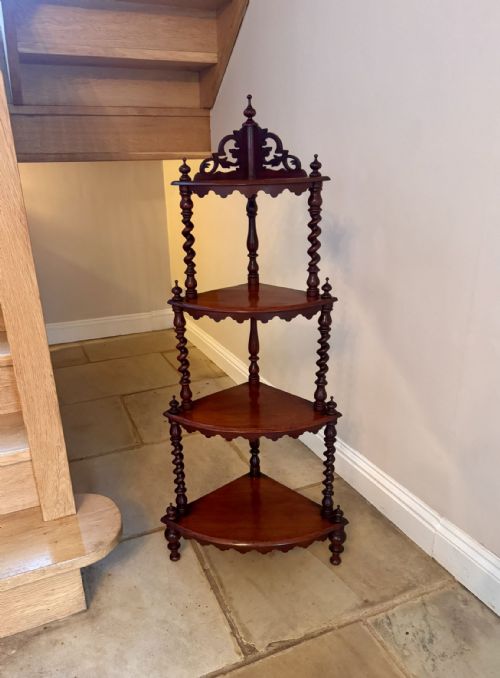
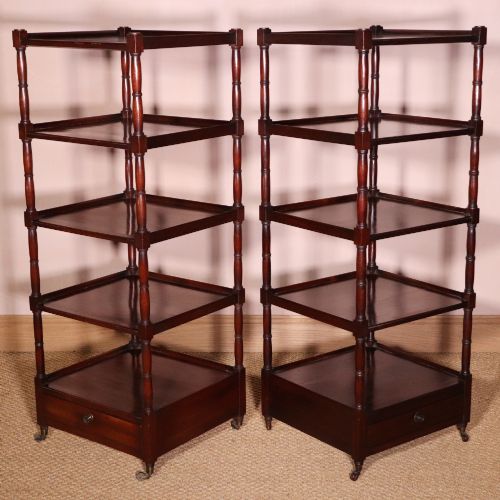
When you search for an antique mahogany display unit, you encounter a wide variety of furniture designed to exhibit books, ceramics, and valued objects. These pieces range from towering bookcases and glazed cabinets to compact corner cupboards and multi-tiered whatnots.
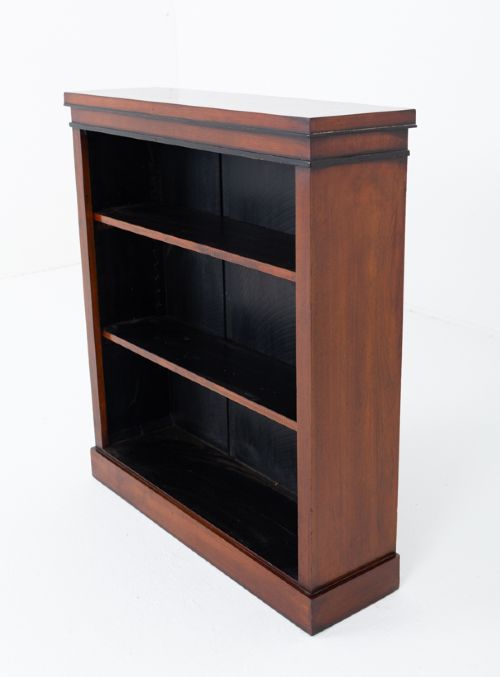
The selections span multiple eras, with Georgian, Regency, Victorian, and Edwardian pieces appearing regularly. You will frequently find open bookcases with adjustable shelves alongside floor-standing corner cabinets and revolving shelf units.
Originating primarily from British workshops, these cabinets showcase the evolving domestic interior from the eighteenth century into the twentieth. Makers adapted traditional forms to suit changing tastes, introducing revival styles like Chippendale, Sheraton, and Neoclassical Empire.
Materials and Technique
Makers utilised solid mahogany and rich wood veneers over secondary timbers, often accentuating surfaces with delicate satinwood inlay or stringing. Structural elements frequently incorporated brass hardware, such as hinges, handles, and castors on moveable pieces.
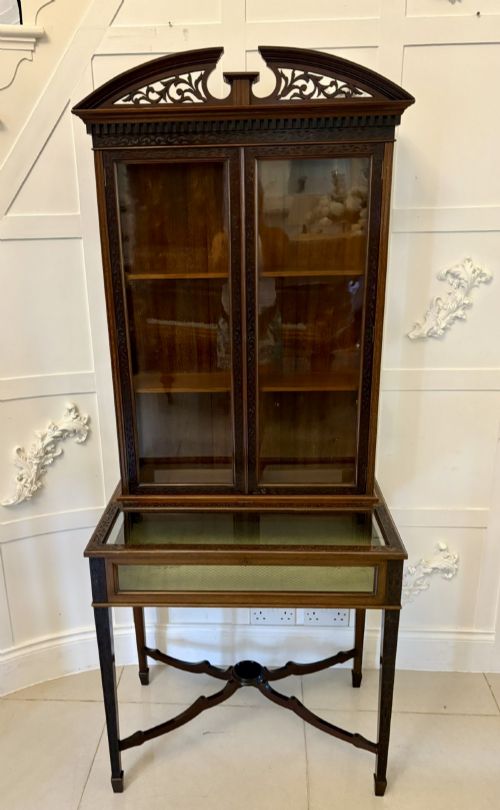
Glazing techniques defined display forms, with astragal bars dividing glass panes in geometric or curving patterns. Ormolu mounts and fabric linings occasionally added decorative contrast to the warm reddish-brown timber.
Joinery relied on traditional methods like dovetailing for drawers and mortise and tenon frames for structural carcass work. Finishes were built up through hand-rubbed polishing, which highlighted the natural chatoyancy of the mahogany grain.
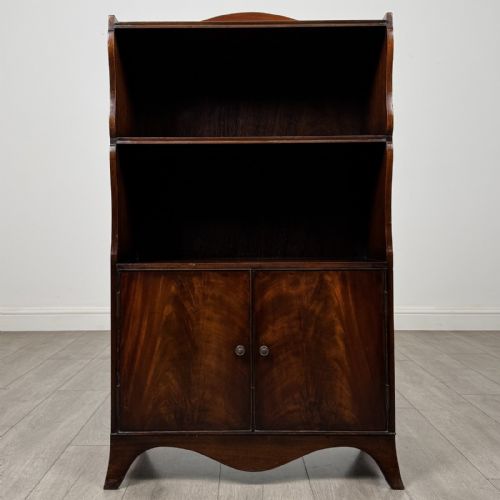
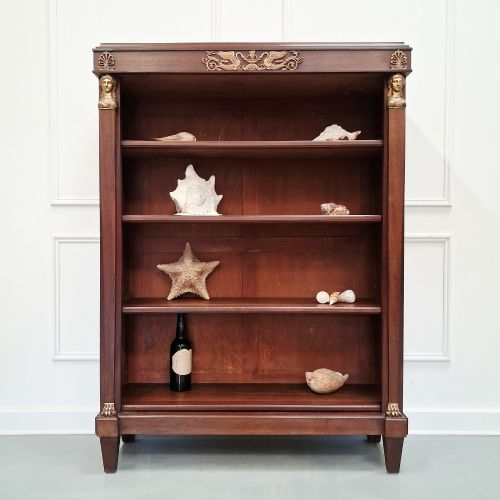
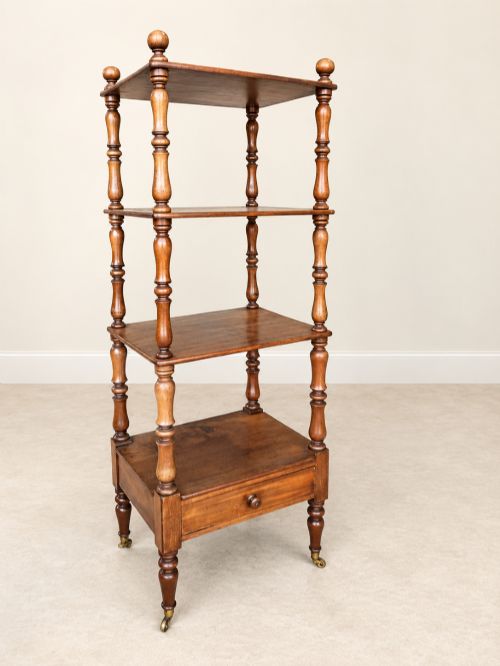
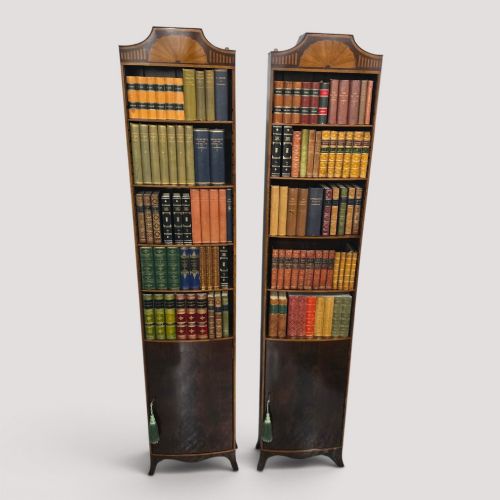
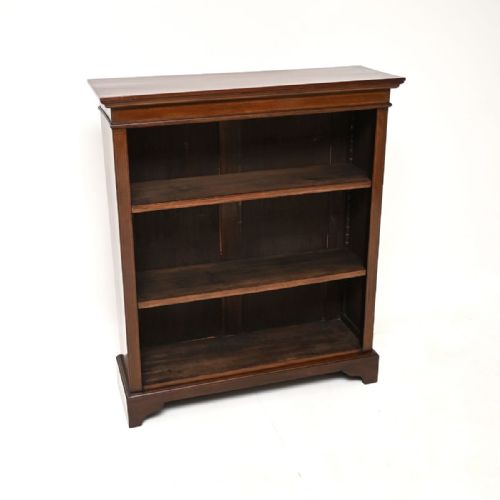
Listings feature open bookcases, glazed display cabinets, corner cupboards, and multi-tiered whatnots spanning from the Georgian era through the Edwardian period.
Evaluating Construction
The calibre of a piece depends heavily on the selection of timber and the precision of its veneers. Superior examples display dense, figured mahogany with harmonious grain patterns across the primary surfaces, avoiding mismatched patches.
Joinery execution dictates the longevity and structural integrity of the cabinet. Fine work shows tight, flush joints, smoothly operating drawers, and doors that hang square within their frames without sagging.
Decorative detailing distinguishes standard production from exceptional craftsmanship. Hand-carved mouldings, precise inlay work, and original brass fittings indicate a higher level of artisanal skill during manufacture.
Edwards and Roberts·F. Sage and Co
The Antique Mahogany Display Unit Glossary
- Astragal glazing
- A method of framing window or cabinet glass with narrow wooden bars. These bars form intersecting grid patterns or delicate curves across the door front.
- Whatnot
- A piece of freestanding furniture featuring multiple open shelves supported by slender columns. It was designed specifically for the display of ornaments and books.
- Waterfall bookcase
- A stepped set of open shelves where each tier is narrower than the one below it. The sides often curve downwards in a continuous descending line.
- Ormolu
- Gilt bronze mounted onto furniture as a decorative decorative accent. The technique involves applying a gold amalgam to bronze before firing.
Antique Mahogany Display Unit: Frequently Asked Questions
How do I clean mahogany?
Dust the wood regularly with a soft, dry cloth to prevent surface scratching. Avoid using silicone-based sprays, opting instead for traditional beeswax to nourish the finish.
Keep the cabinet away from direct sunlight and heat sources to prevent the timber from drying out and cracking. Proper environmental control preserves the natural lustre of the polish.
What is a chiffonier?
A chiffonier is a compact sideboard or low cabinet typically fitted with drawers and enclosed lower cupboards. They gained popularity during the Regency and Victorian periods for dining rooms and parlours.
These pieces combine storage functionality with a display surface on top. They often feature restrained classical lines and fine timber veneers.
How do I identify a corner cupboard?
Corner cupboards are specifically constructed with flat or angled back panels designed to fit snugly into room corners. They maximise floor space while offering secure display or storage behind glazed or panelled doors.
Examples range from tall standing floor models to smaller units meant for hanging on walls. Georgian and Victorian versions frequently utilise astragal glazing in the upper door.