




Antique Mahogany Brushing Slide
An antique mahogany brushing slide offers a discreet pull-out surface built into case furniture, valued for the practical workspace it adds to a bedroom.

Antique Mahogany Brushing Slide
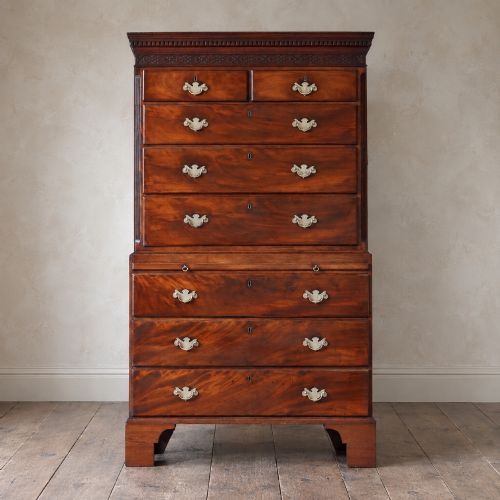
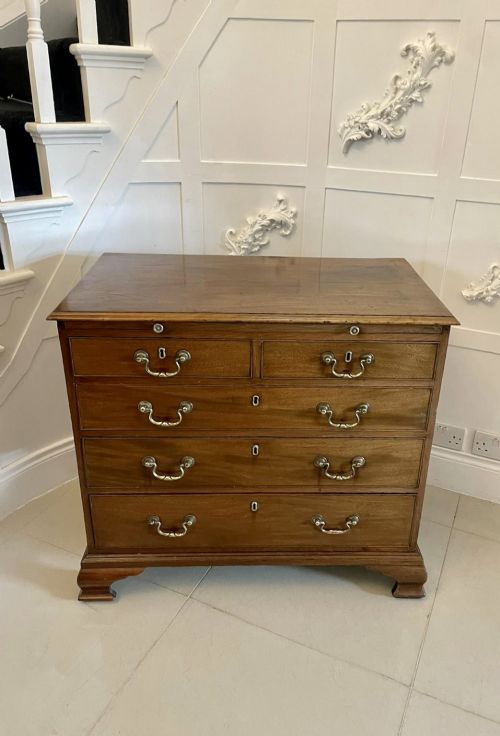
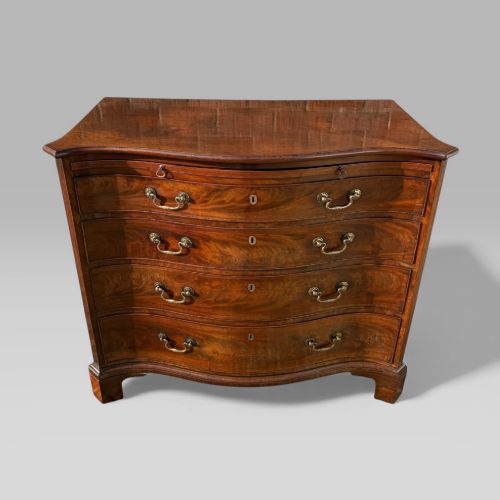
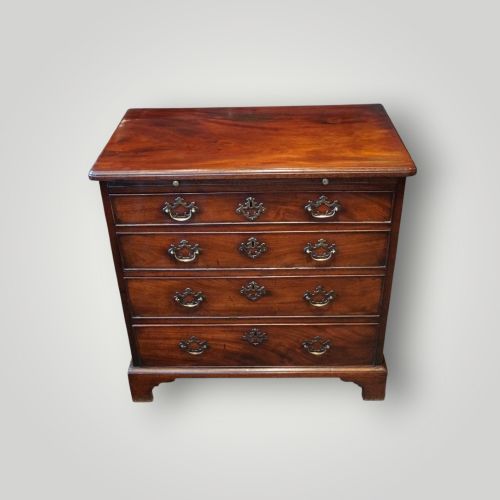
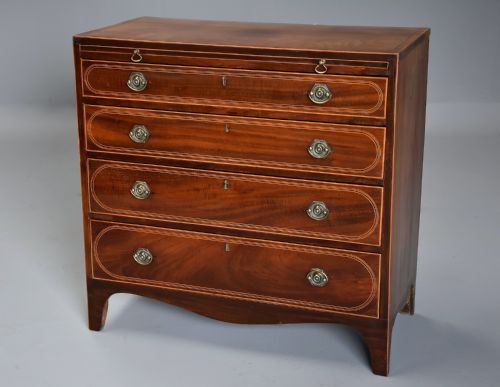
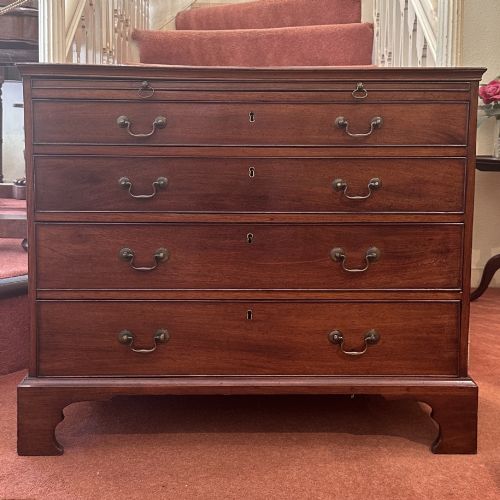
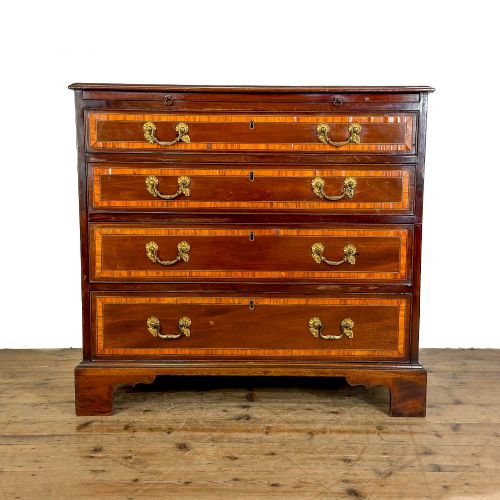
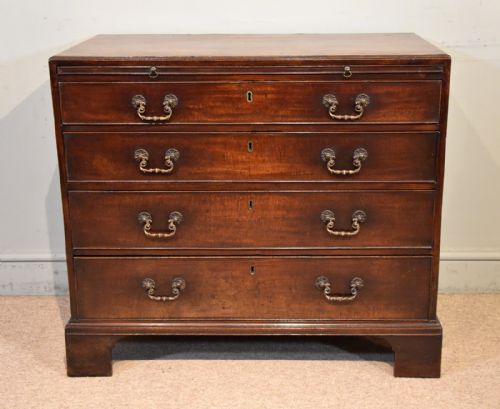
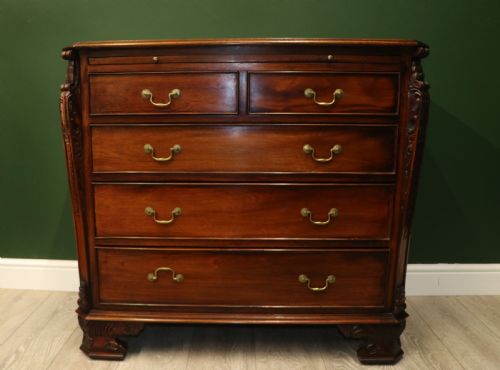
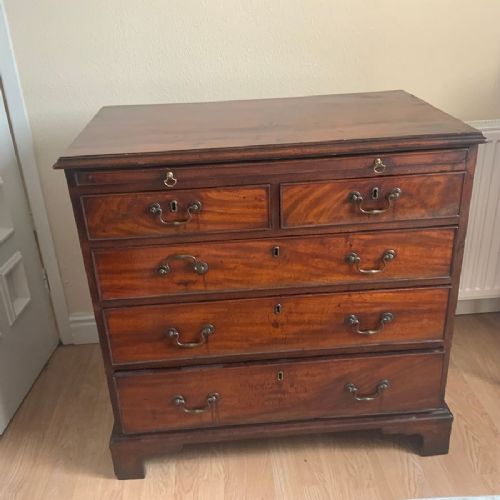
An antique mahogany brushing slide typically appears integrated into the upper section of a Georgian chest of drawers, a bachelor's chest, or a tallboy. When you search for an antique mahogany brushing slide, you encounter case pieces designed to pull out horizontally for writing or folding garments.
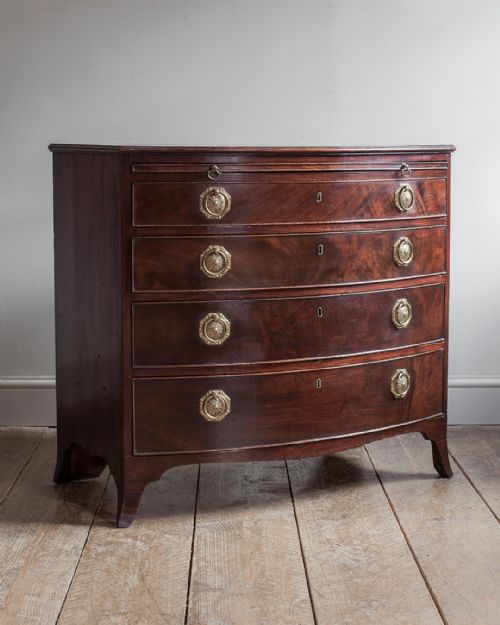
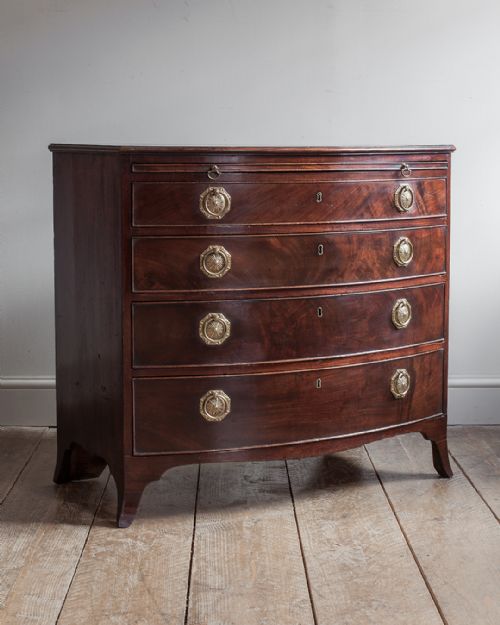
The form spans the eighteenth and nineteenth centuries, with George II and George III examples demonstrating the traditional placement directly beneath the top moulding. Later Edwardian interpretations and revival styles continue this functional layout within serpentine and bowfront carcases.
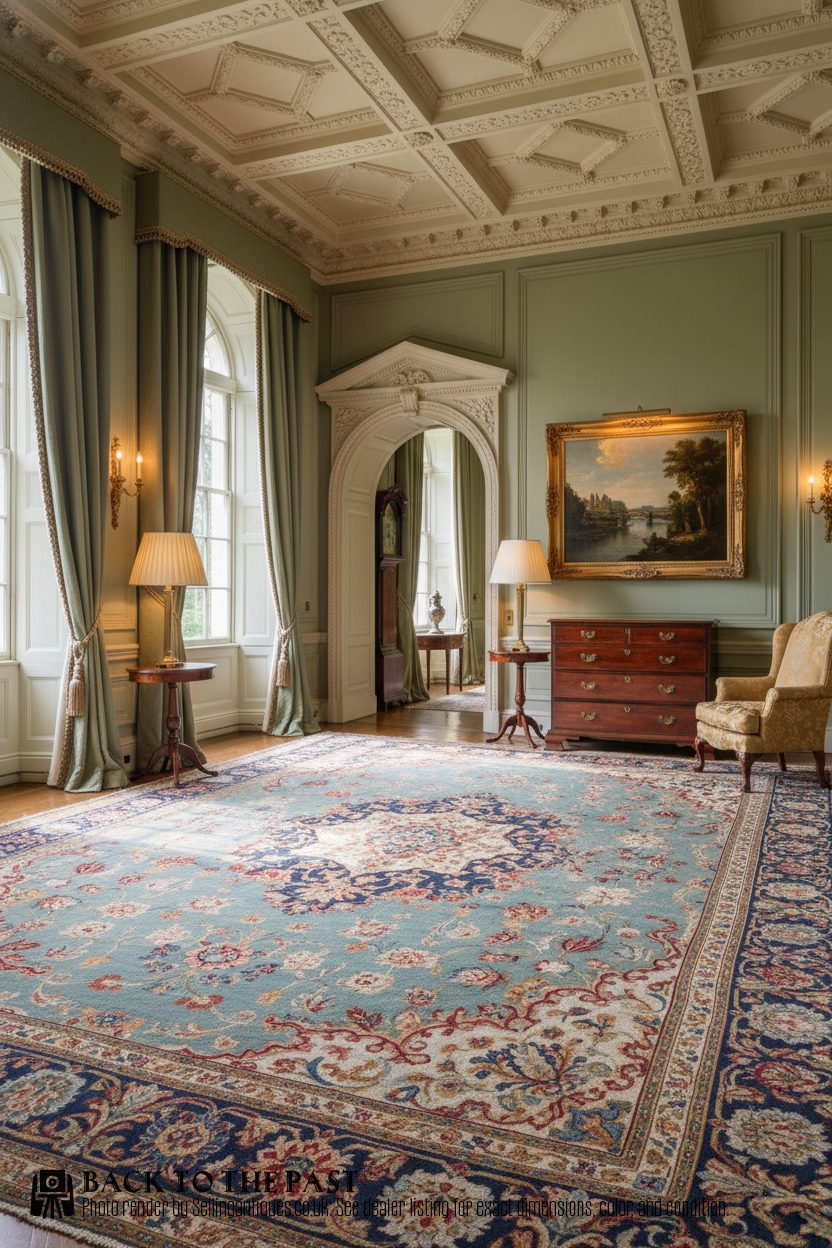
Assessing quality and proportion
Quality rests heavily on the grain configuration of the mahogany timber and the crispness of any serpentine or bowfront shaping. Pieces featuring matched flame mahogany across the drawer fronts and the slide surface command greater regard among collectors.
Structural integrity of the internal runners dictates day-to-day usability, as inferior repairs or excessive wear alter the smooth operation of the slide. Original brass hardware and undisturbed ogee feet further distinguish superior examples from heavily altered pieces.
Antique Mahogany Brushing Slide Retail Price Guide 2026
Typical asking prices for mahogany brushing slide among the pieces listed under this phrase on Sellingantiques today, from the lower quarter to the upper quarter. They describe what is for sale here now, not the wider market.
Countless gentlemen relied on these hidden boards to keep their waistcoats spotless while inspecting pocket watches.
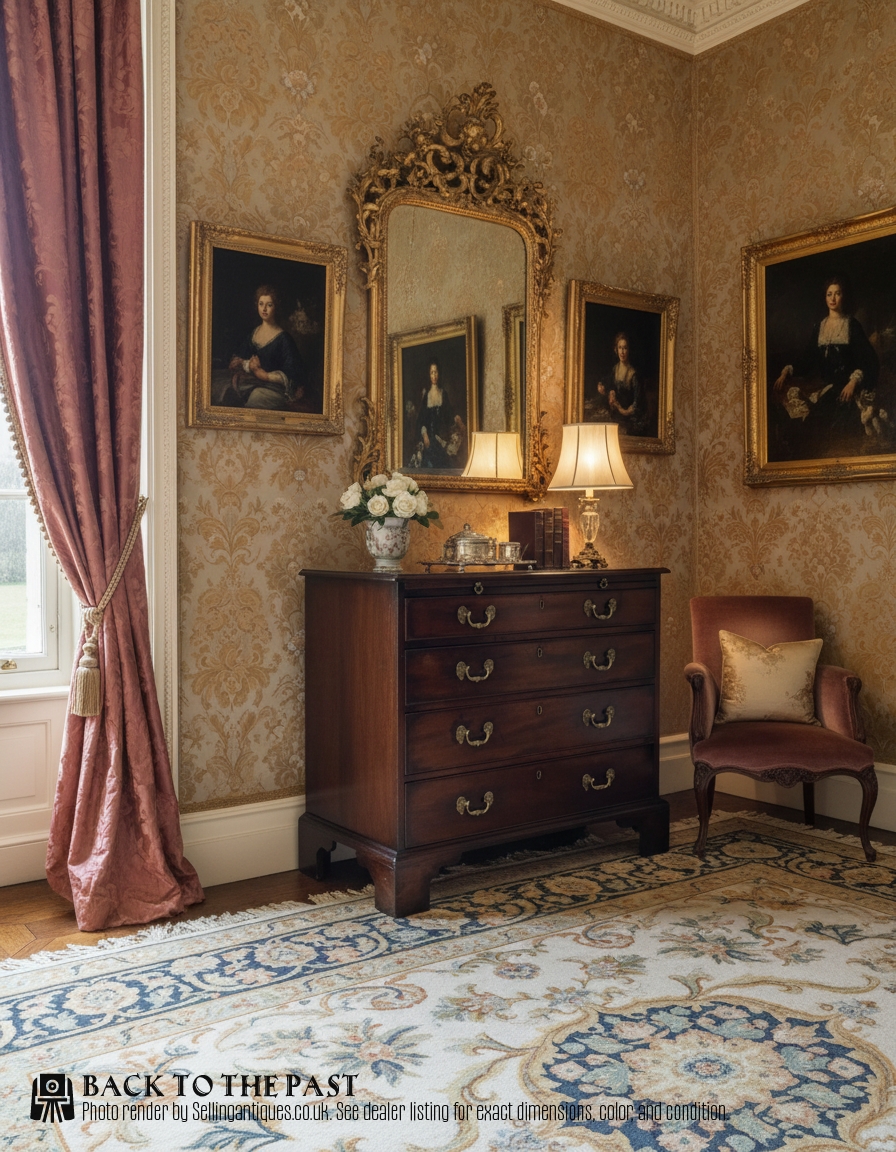
Druce & Co
The Antique Mahogany Brushing Slide Glossary
- Brushing slide
- A pull-out wooden shelf integrated into the upper section of a chest of drawers, historically used for brushing clothes or writing letters.
- Bachelor's chest
- A small form of case furniture equipped with a folding top or a sliding shelf, popular during the Georgian period for compact chambers.
- Serpentine front
- A furniture facade curving inward centrally and outward at the ends, requiring advanced cabinetmaking skill to execute.
- Flame mahogany
- Timber cut from the fork of the mahogany tree, displaying a dramatic, flickering grain pattern prized for high-status furniture.
- Ogee feet
- An S-shaped moulding profile forming the bracket feet on eighteenth-century case pieces.
Antique Mahogany Brushing Slide: Frequently Asked Questions
What was a brushing slide used for?
These pull-out shelves served primarily as a temporary writing surface or a station for brushing dust from garments before dressing. In smaller chambers where space was at a premium, they eliminated the need for a separate desk.
They also functioned as a convenient shelf for resting items while sorting through the drawers directly above or below. The wood was finished to match the primary timber, ensuring the surface remained presentable when extended.
How do I date a mahogany chest with a slide?
Dating relies on carcass proportions, handle styles, and construction techniques visible inside the drawer boxes. Eighteenth-century examples often feature hand-cut dovetails and solid oak drawer linings, whereas Edwardian pieces show more uniform machine sawing.
Secondary woods and the profile of the bracket feet provide further chronological clues. George II and III pieces generally exhibit more restrained mouldings compared to later revival pieces from the late nineteenth century.
Are these slides strong enough for daily use?
The internal runner tracks are built to support moderate weight such as paper or folded linen, but they are not designed to bear heavy loads or downward pressure. Careful handling ensures the wooden tongue-and-groove guides remain free from strain.
Original runners require occasional waxing rather than heavy oils to maintain a smooth travel. Avoiding excessive downward force preserves the structural joinery attaching the runners to the interior frame.
How do I care for antique mahogany furniture?
Maintenance involves keeping the timber away from direct heat sources and strong sunlight that can dry out the polish. Regular dusting with a soft, dry cloth protects the patina without building up chemical residues.
Period wax applied sparingly helps nourish the grain and preserve the depth of the mahogany surface. Maintaining stable room humidity prevents the solid carcase timbers and sliding shelves from warping.