



Antique Magazine Basket
An antique magazine basket keeps your periodicals tidy while adding genuine period character to a room.
Antique Magazine Basket
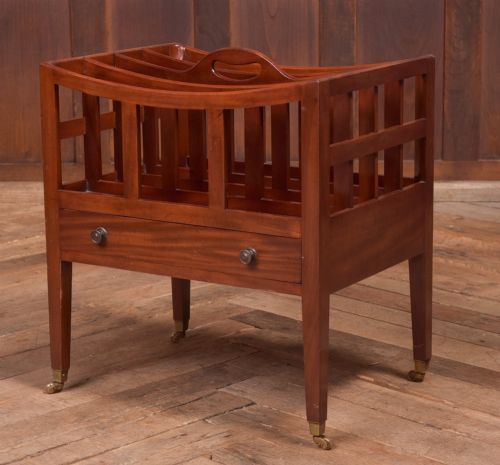
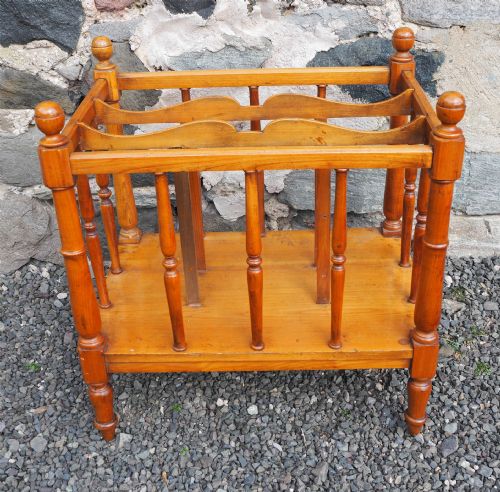
An antique magazine basket brings practical storage and traditional craftsmanship together in the living room or study. When you search for an antique magazine basket, you encounter pieces designed to hold periodicals, sheets of music, and journals close to hand. These pieces serve as both functional furniture and decorative accents in a domestic interior.
Earlier examples often draw upon Regency and George IV design idioms, incorporating slatted dividers and lower drawers for small accessories. Later Victorian and Edwardian pieces offer robust construction in oak and brass, sometimes doubling as log carriers or music racks. Each variation demonstrates how previous generations managed their daily reading materials.
Materials and construction
Timbers such as mahogany, rosewood, oak, and fruitwood form the primary structure of these pieces, selected for their durability and grain. Cabinetmakers utilised these hardwoods to build sturdy frames capable of withstanding daily use in busy family rooms. The choice of timber often indicates the period and prevailing style of the piece.
Brass fittings and mounts appear frequently, providing structural reinforcement and decorative contrast against the dark timbers. Joinery techniques varied from traditional mortise and tenon joints to delicate turned spindles that divide the compartments. Some examples incorporate turned feet and small drawers constructed with hand-cut dovetails.
Antique Magazine Basket Retail Price Guide 2026
Typical asking prices for magazine basket among the pieces listed under this phrase on Sellingantiques today, from the lower quarter to the upper quarter. They describe what is for sale here now, not the wider market.
Materials recorded across the available items include mahogany, rosewood, oak, fruitwood, and brass.
Assessing quality and craftsmanship
The distinction between standard domestic items and finer pieces lies in the selection of timber and the crispness of the carving. Richly figured rosewood and finely turned mahogany spindles elevate a piece above utilitarian furniture. Cabinetmakers who invested time in decorative foliate designs or intricate pierced work produced items intended for prominent display.
Proportion and structural integrity dictate the enduring appeal of these items. A well-balanced frame with tight joints and original brass hardware retains its aesthetic harmony and stability over time. Pieces that combine practicality with refined decorative details represent the higher end of what makers produced.
Liberty London
The Antique Magazine Basket Glossary
- Canterbury
- A low, freestanding piece of furniture with slatted divisions, originally designed to hold sheet music and later adapted for periodicals. This form often includes a small drawer beneath the compartments for holding accessories.
- Foliate
- Ornamentation or design incorporating leaf motifs. This decorative carving appears on finer nineteenth-century examples.
- Regency
- A British design style dating from the early nineteenth century, characterised by classical restraint and elegant proportions. Pieces from this era often feature rich mahogany veneers and refined turning.
- Fruitwood
- A light timber harvested from fruit trees such as pear or apple, used by cabinetmakers for country-made or alternative furniture forms. It offers a warm tone distinct from darker mahogany or rosewood.
Antique Magazine Basket: Frequently Asked Questions
Can I use an antique magazine basket for modern journals?
Most nineteenth-century compartments easily accommodate standard contemporary periodicals, newspapers, and books without issue. The sturdy timber and brass construction handles the weight of modern reading material reliably.
Ensure you check the internal width of the individual dividers before storing oversized art folios or unusual formats.
How do I care for mahogany and rosewood finishes?
Dust the timber regularly with a soft, dry cloth to prevent the accumulation of grit in carved details and joints. Apply a quality beeswax periodically to nourish the wood and maintain a gentle sheen.
Keep the piece away from direct heat sources and strong sunlight to prevent the timber from drying out or fading over time.
How do I identify an Edwardian piece?
Edwardian items typically display lighter oak or mahogany construction, reflecting a shift towards brighter interiors after the Victorian era. The decoration on these pieces is often simpler and more restrained.
Design influences from this period frequently lean towards Arts and Crafts utility or straightforward domestic practicality.