


Antique Madonna Figure
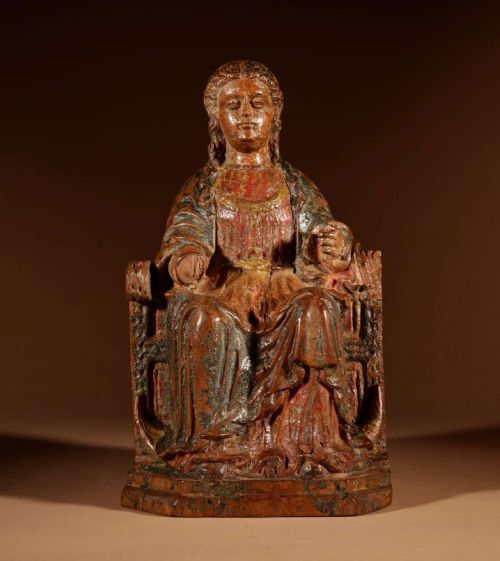
An antique madonna figure embodies centuries of devotion, taking the form of carved timber and painted terracotta representations of Mary.
Antique Madonna Figure
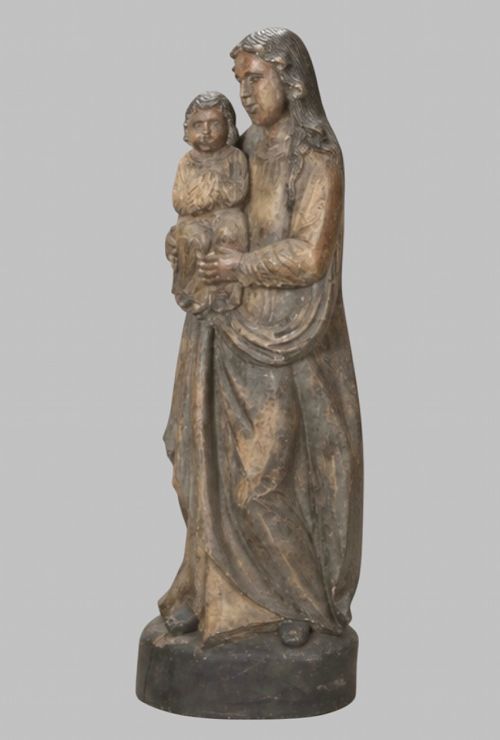
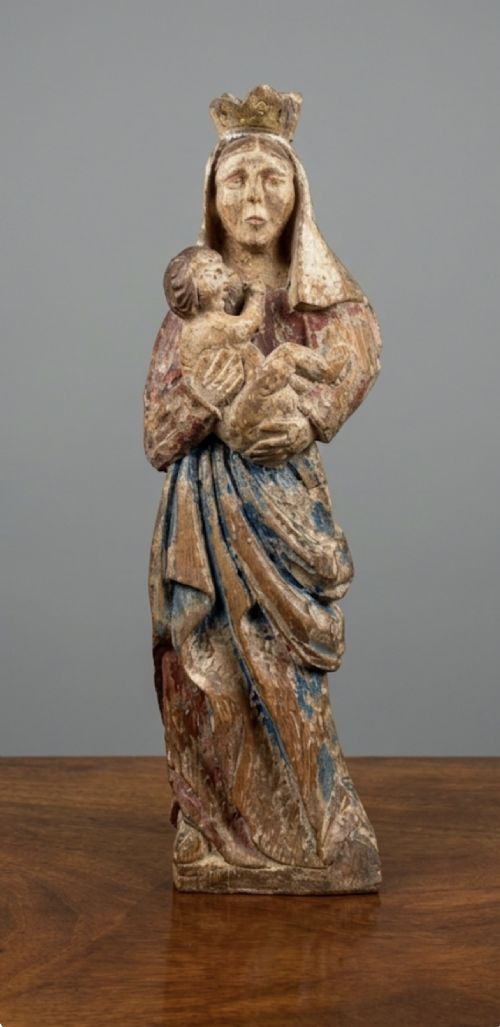
An antique madonna figure represents the Virgin Mary, frequently depicted with the Christ Child in various sculptural and painterly forms. These pieces span from medieval and pre sixteenth century works to nineteenth century interpretations, reflecting changing devotional art over generations.
The selection here includes carved oak and walnut sculptures, terracotta figures, and oil paintings influenced by Renaissance masters such as Raphael. Buyers will encounter both grand church pieces and smaller devotional objects meant for private contemplation.
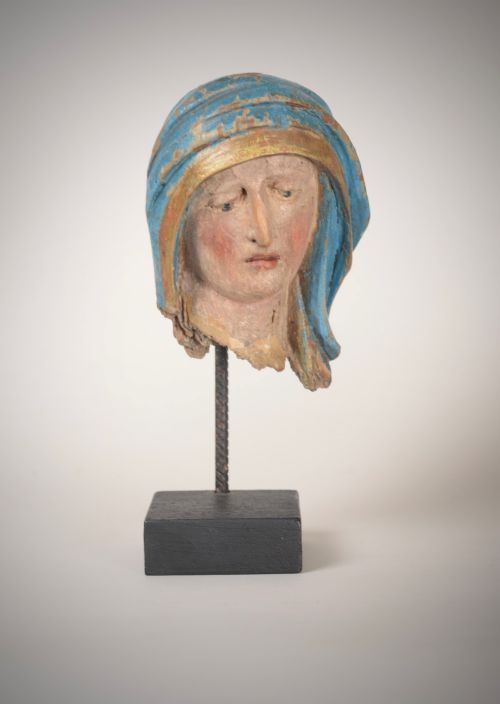
Religious statues and folk art carvings appear alongside fragments and wall sculptures. The overarching focus remains on devotional imagery created in European traditions.
Materials and construction methods
Carvers shaped these works primarily from solid timbers like oak, walnut, and applewood, utilising traditional hand chisels and gouges. Many wooden surfaces received layers of gesso, paint, polychrome, and gold leaf to add lifelike colour and divine radiance.
Modelling in terracotta and casting in bronze or Parianware offered alternative mediums for sculptors, particularly by the nineteenth and early twentieth centuries. Painters utilised canvas and panels for oil paintings that mirrored Renaissance compositions.
Evaluating sculptural quality and expression
Quality in an antique madonna figure rests on the expressive depth of the carving and the preservation of original surface treatments. Skilled hands achieved subtle drapery folds and lifelike facial expressions, whereas lesser pieces display stiff and formulaic proportions.
The survival of original polychrome paint, gesso, and gilding greatly elevates a piece. Later overpainting or heavy restoration obscures the original artistic intent and diminishes historical integrity.
Denys Puech·George Kemper·Raffaello Sanzio
The Antique Madonna Figure Glossary
- Gesso
- A plaster mix applied to wood surfaces. It served as a smooth preparation layer for subsequent gilding and painting.
- Giltwood
- Timber covered with a thin layer of gold leaf. This technique imparted a luminous, costly finish to religious furnishings and figures.
- Santos figure
- A devotional image used in Catholic worship. These figures were often dressed in real textiles or carved entirely from wood.
- Pieta
- A depiction of the Virgin Mary holding the dead Christ. This specific iconography conveys deep grief and theological sorrow.
Antique Madonna Figure: Frequently Asked Questions
How do I date an old wooden madonna?
Dating relies on tool marks, timber species, and stylistic traits typical of periods like the Gothic or Baroque eras. Comparative analysis with dated sculptural fragments helps narrow the century of production.
Changes in polychrome pigments and gesso composition also offer clues to the age of a carved figure.
Were these figures originally painted?
Many medieval and Renaissance wooden figures were finished with gesso and brightly coloured pigments to enhance their visual impact in dimly lit churches. Some later pieces left the natural grain of oak or walnut exposed.
Traces of early paint beneath later layers often survive on untouched devotional sculptures.
What is a Santos figure?
A Santos figure is a carved devotional statue intended for religious rituals, processions, or home shrines. They frequently date from the eighteenth and nineteenth centuries.
These pieces were sometimes constructed with articulated limbs to allow for the changing of fabric vestments.
How should I care for a wooden religious carving?
Keep wooden and polychrome sculptures away from direct sunlight and steady heat sources to prevent timber from splitting. Stable indoor humidity protects both the base wood and fragile gesso layers.
Dust gently with a dry, soft brush and avoid liquid cleaners that might damage ancient paint.