


Antique Madonna Carving
An antique madonna carving brings centuries of devotion into a room, taking the form of timber figures, panel paintings and gold pendants.
Antique Madonna Carving
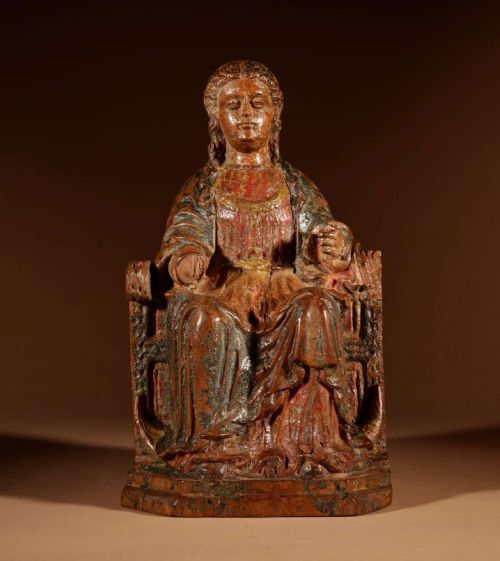
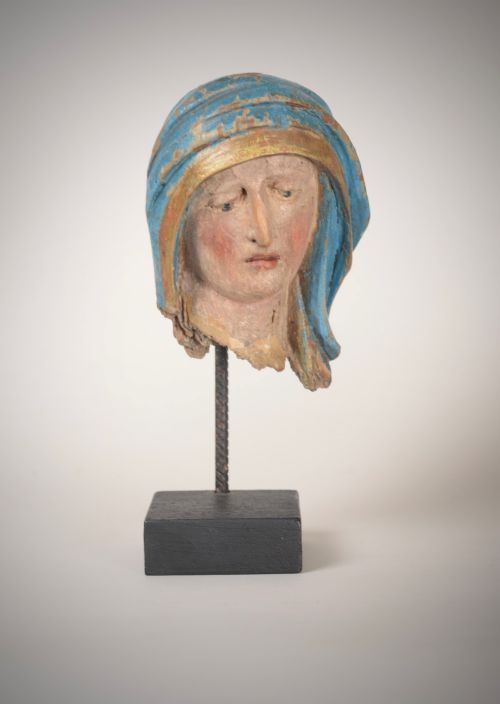
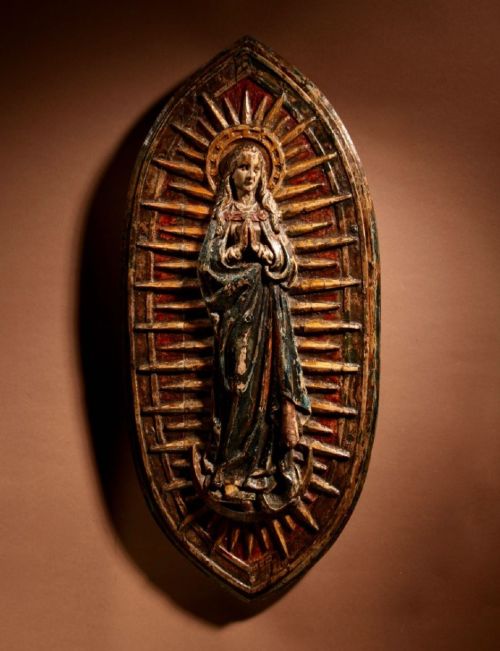
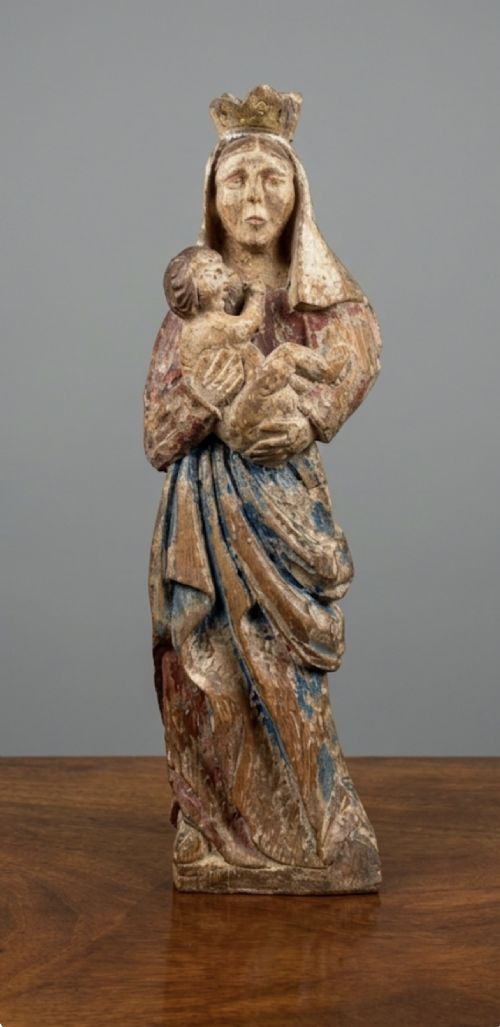
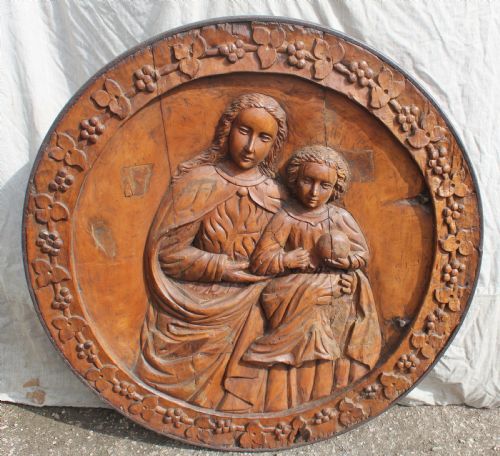
An antique madonna carving encompasses wooden devotional figures, altarpiece fragments and small personal pendants depicting the Virgin Mary. Buyers find both monumental sculptures intended for churches and intimate household carvings meant for private prayer.
The pieces on this page span from pre-sixteenth century Gothic works up to twentieth-century French charms and medals. Oak, walnut and applewood dominate the sculptural forms, while gold and mother of pearl appear frequently in smaller jewellery pieces.
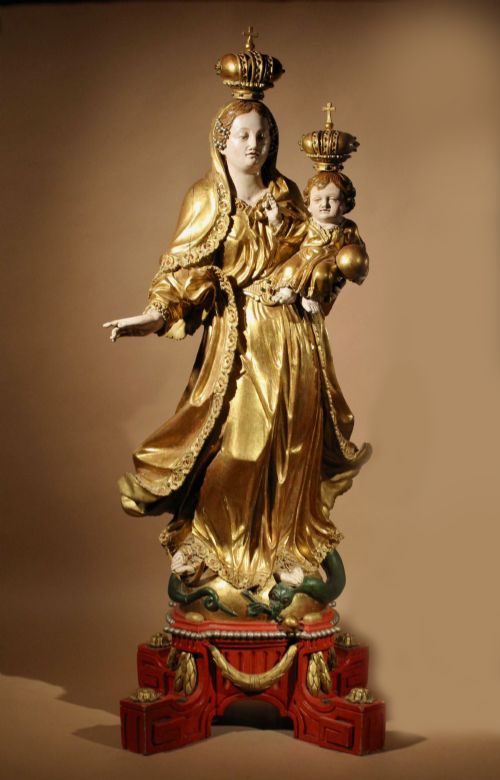
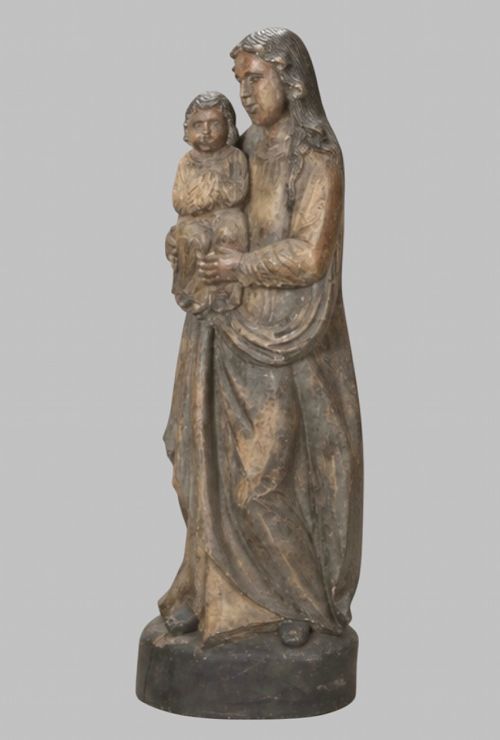
Statues of the Virgin and Child sit alongside representations of the Pieta, the Lady of Sorrow and standing figures on crescents. These objects reflect various stylistic movements including Renaissance, Baroque, Gothic Revival and Art Nouveau.
How they were made
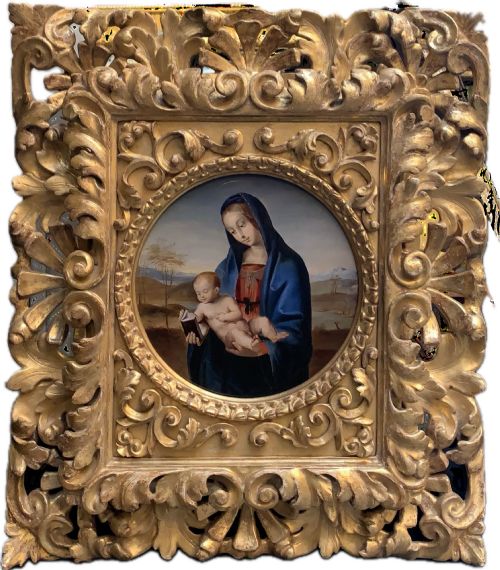
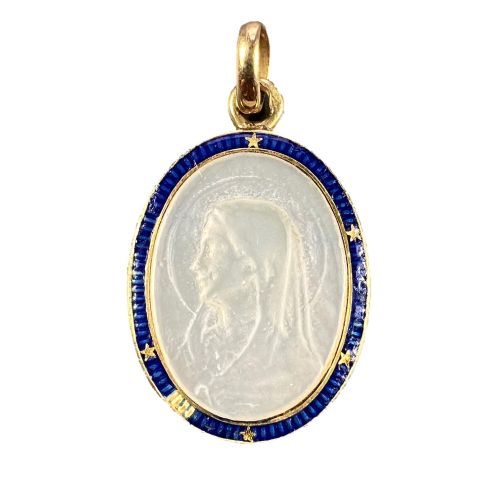
Jewellery pieces combine eighteen-carat yellow, rose and white gold with carved mother of pearl and enamel work to form devotional pendants and charms. Painters utilised oil on panel or canvas, following the compositional traditions of Italian and Flemish masters.
Several small charms depict the specific dropsy iconography of the Virgin Mary.
What varies in quality
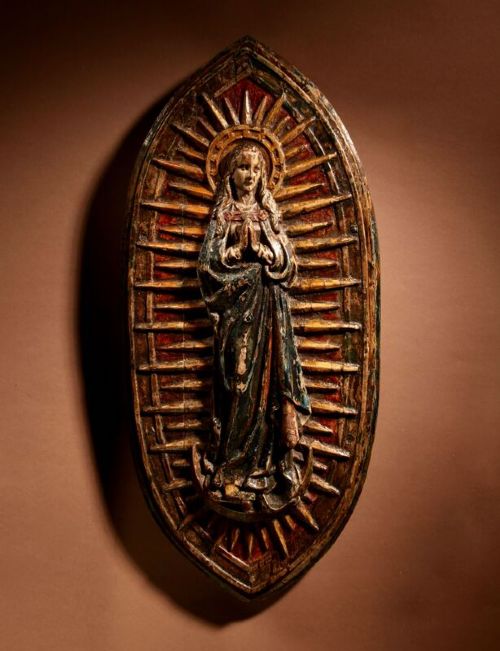
The standard of carving defines the distinction between ordinary workshop pieces and masterworks, visible in the handling of facial expression and the natural fall of textile folds. Sculptures that retain their original polychrome pigment and gold leaf surface command greater interest than stripped or heavily restored timber.
Proportion and anatomical balance separate sophisticated devotional objects from simpler folk art interpretations. The survival of complete architectural elements, such as altarpiece panels or original thrones, adds structural integrity that fragmentary pieces lack.
Benvenuto Tisi·Ambrious Benson·Perriat·Correggio
The Antique Madonna Carving Glossary
- Polychrome
- Painted in several colours. This term describes wooden sculptures finished with pigments over a gesso ground.
- Gesso
- A plaster mix applied to wood surfaces. It provides a smooth base for gilding and painting.
- Giltwood
- Wood that has been coated with thin gold leaf. It creates a luminous decorative finish on church furnishings and statues.
- Pieta
- A subject depicting the Virgin Mary holding the dead body of Christ. Medieval Gothic examples show deep emotional intensity.
- Santos
- A carved figure of a saint used in religious devotions. These wooden statues often feature articulated limbs for dressing in fabric garments.
Antique Madonna Carving: Frequently Asked Questions
What is a madonna carving?
A madonna carving is a three-dimensional representation of the Virgin Mary, frequently shown with the infant Christ.
These devotional objects were created for private prayer or ecclesiastical settings across various European regions.
How old are these carvings?
The pieces span from pre-sixteenth century medieval works to twentieth-century pendants.
Most wooden sculptures date from the Gothic, Renaissance and Baroque periods, while gold charms largely originate around nineteen hundred.
How were polychrome statues finished?
Carvers applied a gesso foundation directly onto the timber base before painting the surface with pigments.
Gold leaf was often added to halos and garments to catch candle light within religious spaces.
What woods were used?
Oak and walnut are the most common hardwoods found in larger European sculptures.
Appleswood and various other dense hardwoods also appear in smaller devotional figures and domestic carvings.