




Antique Long Rug
When you search for an antique long rug, you enter a world of narrow formats woven for hallways and corridors by Persian, Caucasian, and Anatolian hands.
Antique Long Rug
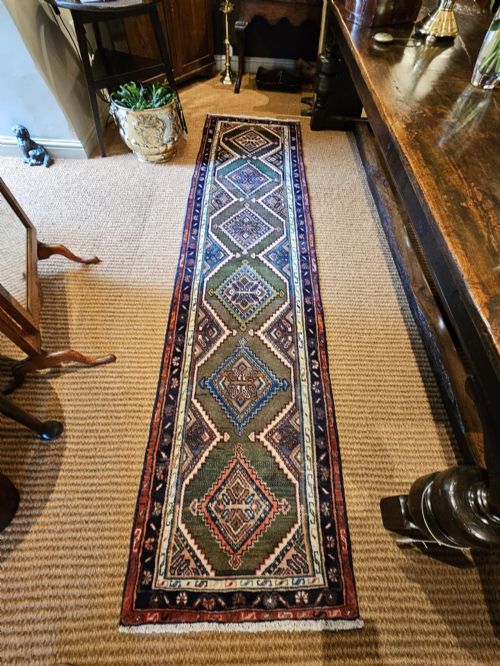
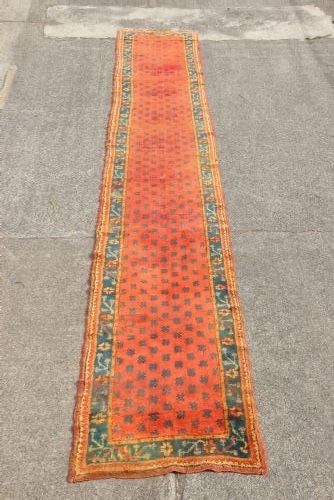
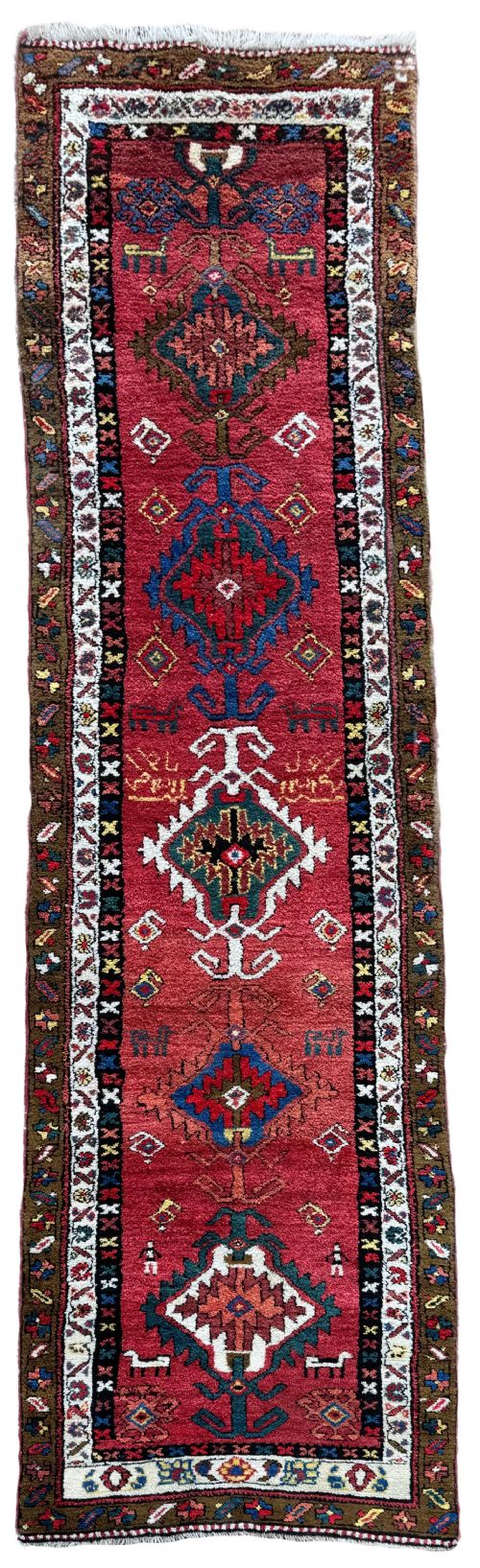
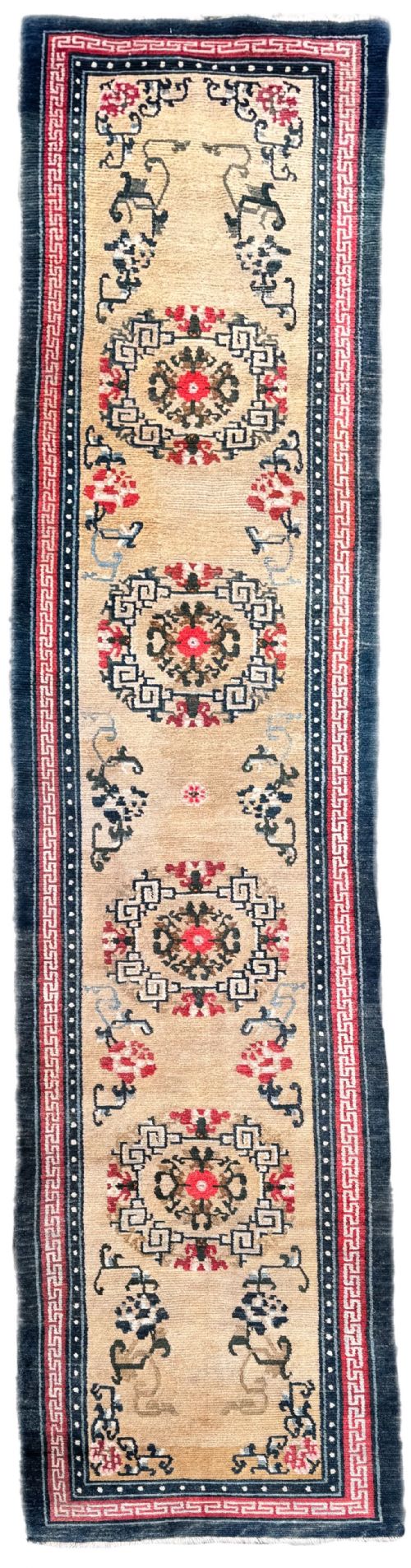
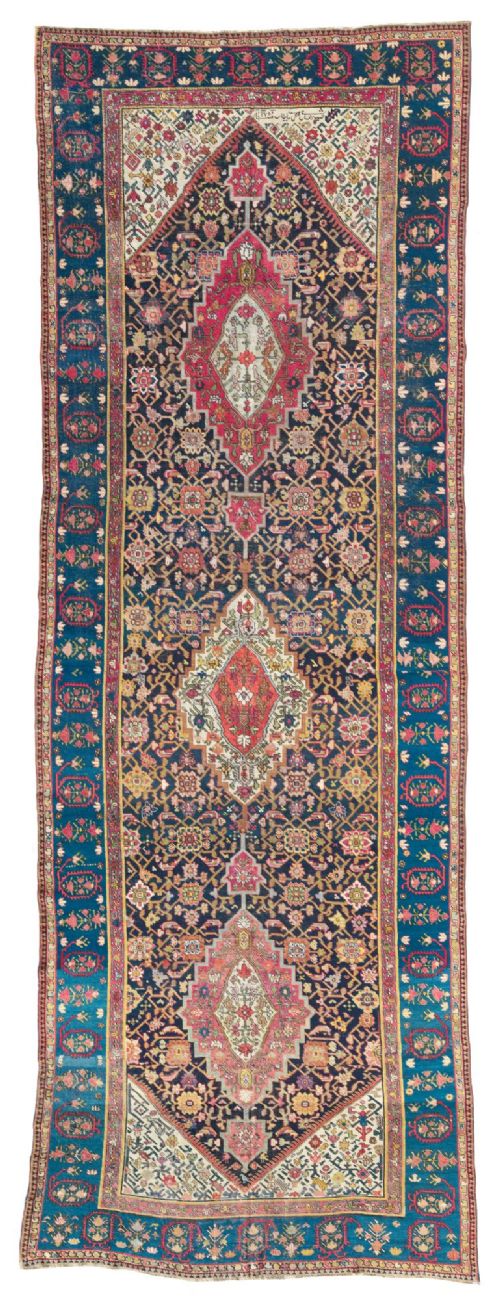
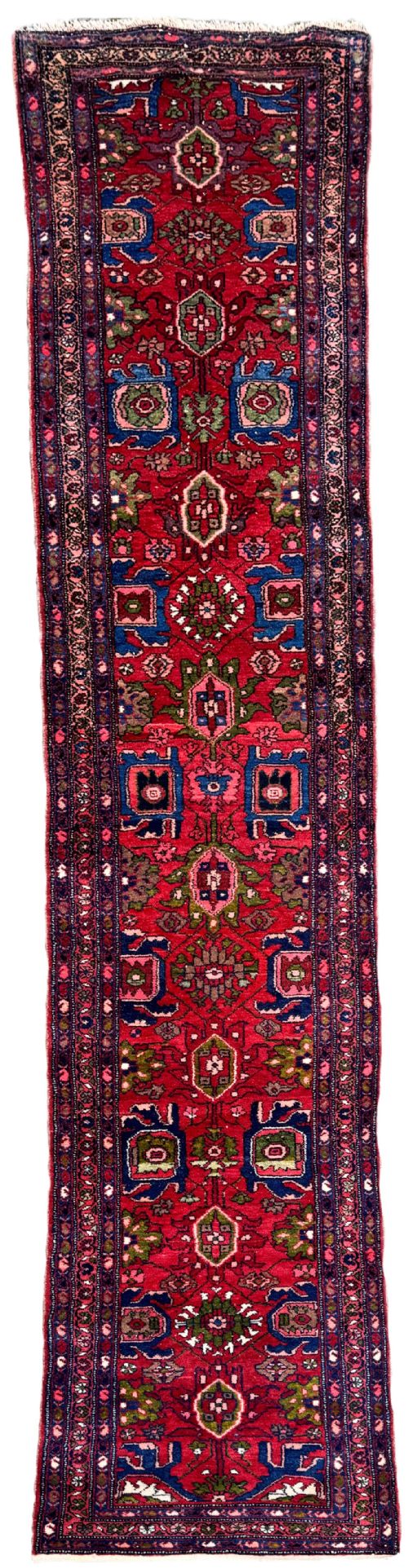
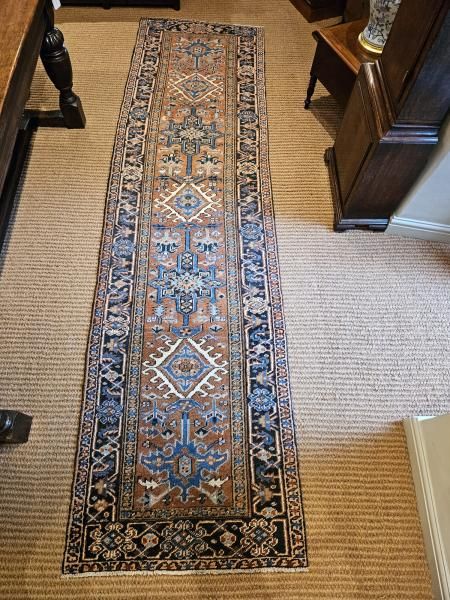
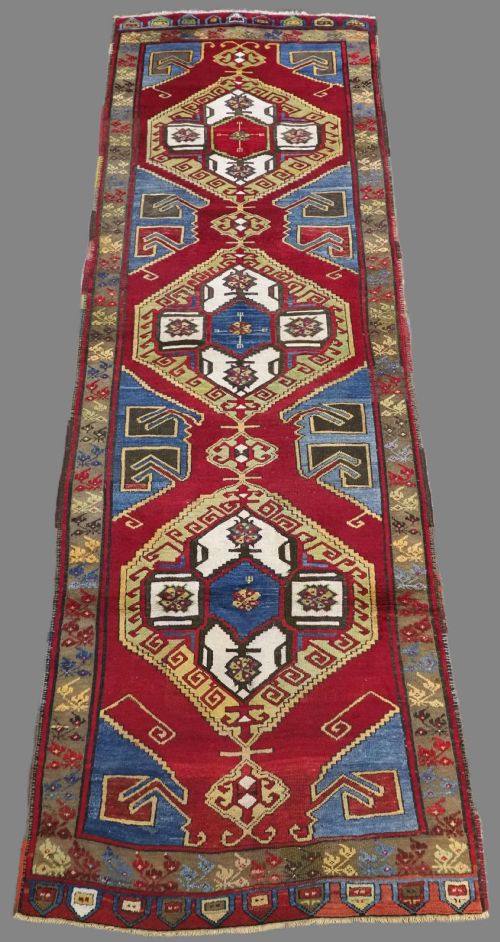
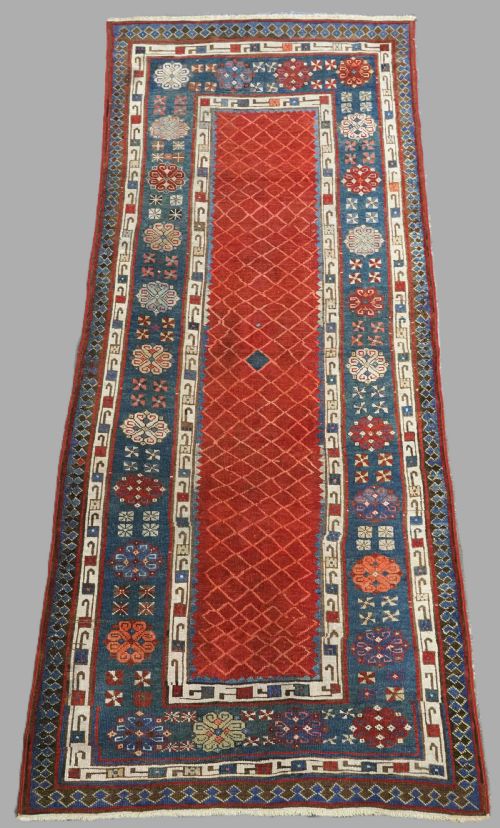
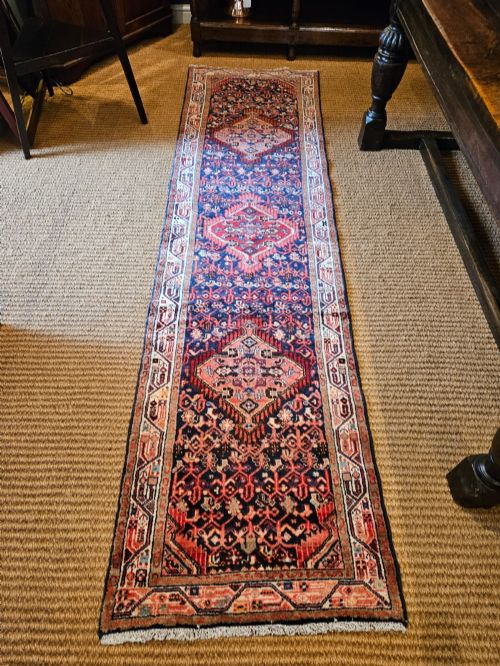
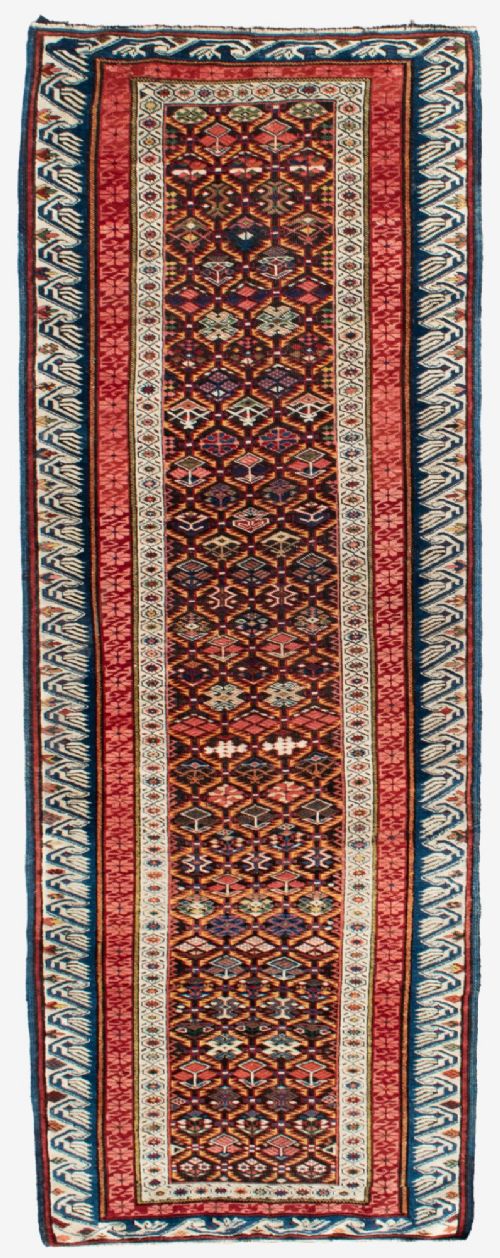
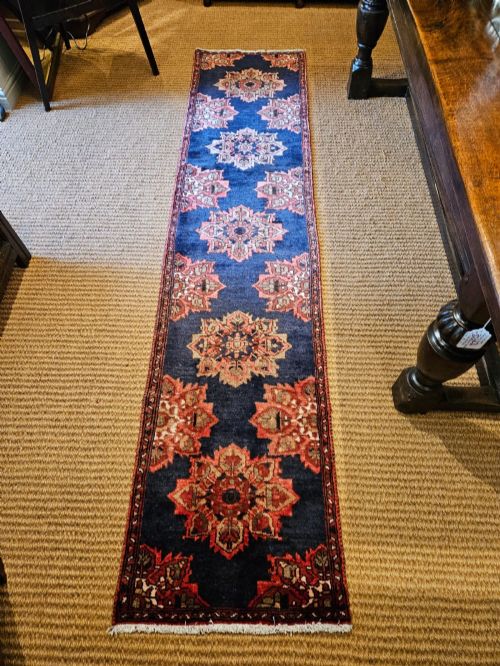
An antique long rug provides a narrow, extended format designed specifically for corridors, landings, and large hallways. These pieces stretch across the floor to connect spaces while displaying the rich iconography of their origins.
The format ranges from narrow hallway runners measuring under a metre wide to expansive kelleh carpets spanning several metres in length. Buyers encounter diverse regional styles, including Kurdish, Shirvan, Heriz, and Oushak traditions.
Materials and construction methods
Weavers relied primarily on wool for the pile and foundation, often incorporating hand-spun wool to achieve subtle variations in texture and dye absorption. Cotton foundation threads appear frequently in workshop pieces, providing structural stability to the elongated rectangular format.
Natural dye stuffs yielded the deep indigos, madder reds, and earthy greens seen across the pieces. Artisans knotted the wool by hand onto warps andwefts, creating dense piles designed to endure decades of domestic use.
One extraordinary hall runner stretches to thirty-two feet in length, requiring an entire corridor of patience to cross.
What distinguishes the finest examples
Quality rests upon the precision of the knotting, the integrity of the foundation, and the vitality of the natural wool. Finer weaves allow for sharper delineation of medallions, lattice grids, and boteh motifs along the long field.
The depth and clarity of the dye palette elevate certain pieces above standard production. Exceptional balance in the border proportions and minimal wear to the wool pile mark the upper tier of surviving long rugs.
The Antique Long Rug Glossary
- Kelleh
- A large format carpet that is longer than a standard room size rug but narrower than a full hall carpet, often serving as a gallery piece.
- Boteh
- A swirling almond or paisley-like motif representing a floral shrub or cypress tree, frequently repeated across tribal and village fields.
- Gul
- A medallion or repeating octagonal floral motif found predominantly in Turkmen and Persian tribal weaving traditions.
- Mina Khani
- An all-over lattice design composed of connected floral rosettes and diamond shapes linked by curving stems.
- Herati
- A traditional Persian repeating pattern featuring a central rosette enclosed by a diamond and flanked by curved lancet leaves.
Antique Long Rug: Frequently Asked Questions
Where were antique long rugs used?
These narrow floor coverings were traditionally woven for long hallways, galleries, and grand landings in country houses and village homes. Their elongated proportions guided movement through corridors while protecting wooden floorboards.
Today, they serve the same architectural purpose in modern hallways, kitchens, and beside large beds. Their durable wool construction handles high-traffic areas effectively.
How do I identify a Caucasian runner?
Caucasian pieces typically feature bold geometric medallions, sharp star polygons, and strict lattice frameworks rendered in saturated primary colours. The wool often feels slightly crisper and the palette relies heavily on rich navy blues and bright reds.
Weaving structures in this region differ from Persian counterparts through specific edge bindings and end finishes. Examining the back reveals these structural signatures clearly.
What is the difference between a runner and a kelleh?
Runners are extremely long and narrow formats built specifically for hallways and corridors. Kellehs are wider, grander long rugs traditionally used in the main reception rooms of Persian homes.
A kelleh provides a substantial middle ground between a standard area rug and a full room-size carpet. Both formats share the elongated rectangular orientation.
How do I care for an antique wool rug?
Vacuum gently without using a rotating brush roll to prevent pulling the hand-spun wool pile. Professional cleaning by specialists in antique textiles ensures the natural dyes remain stable.
Place a breathable rug underlay beneath the piece to prevent slipping and reduce friction against the floorboards. Rotating the rug periodically ensures even wear across the length.