
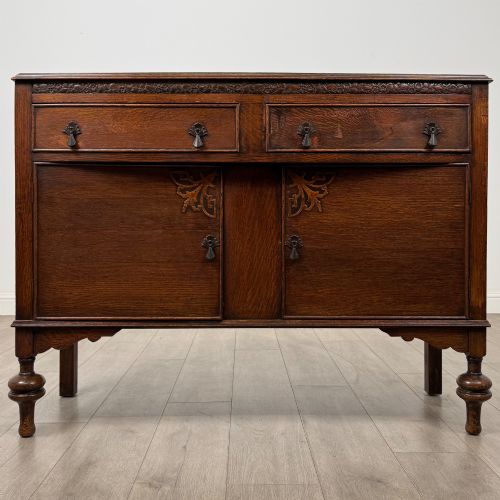
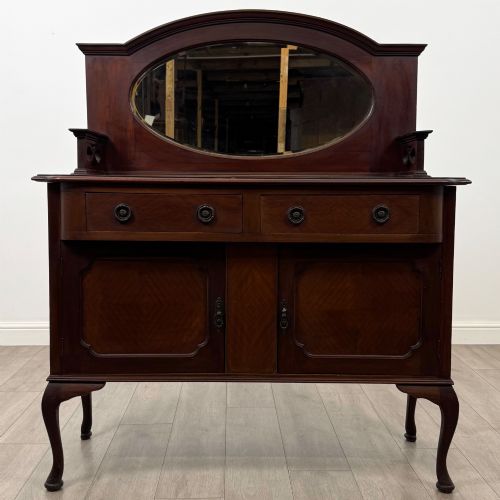


Antique Living Room Sideboard
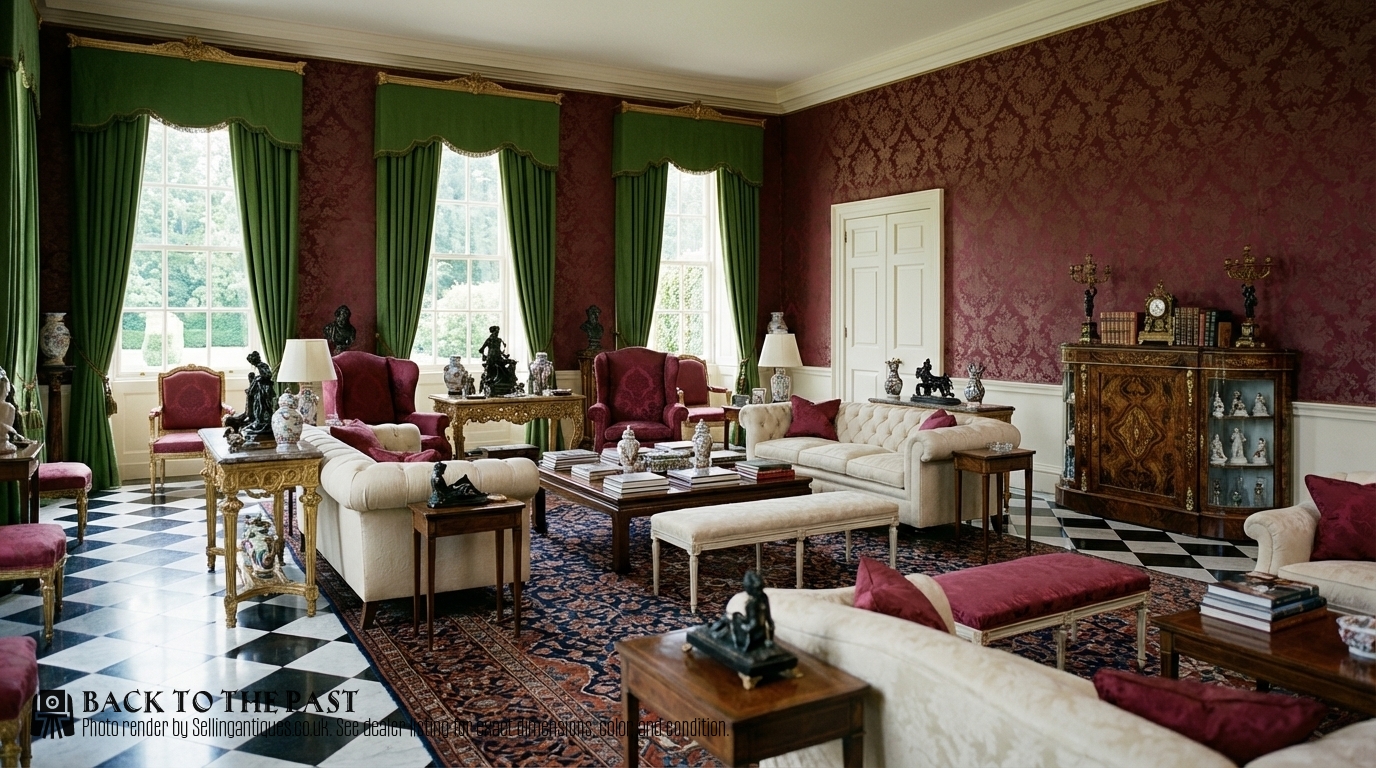
An antique living room sideboard brings heavy timber and formal storage into a modern sitting room.
Antique Living Room Sideboard
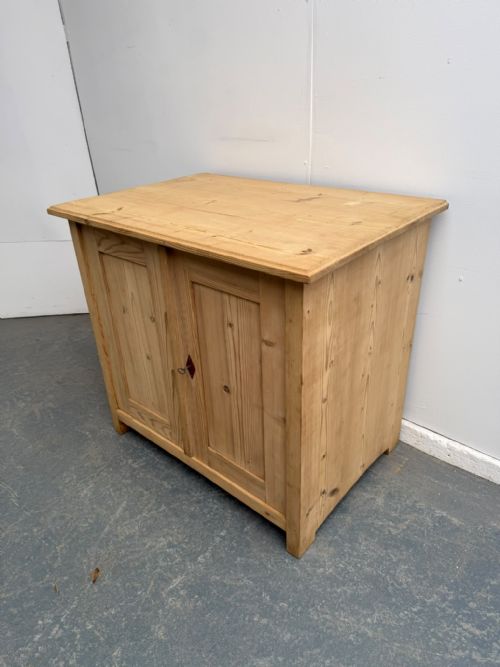
An antique living room sideboard serves as a substantial storage vessel for dining ware, linens, or books within a formal sitting room. These items appear in various iterations across this selection, ranging from low pine storage cupboards to elaborate marble top credenzas.
The pieces documented in this inventory span several distinct periods, including the eighteenth century, the Victorian era, and the early twentieth century. Buyers encounter forms ranging from French Provincial low buffets to Edwardian mahogany and oak constructions.
Makers utilised dark hardwoods and figured veneers to create imposing furniture that anchored domestic interiors. The layout typically combines lower cupboards with surface display space, adapting to the changing demands of domestic life.
How they were made
Cabinetmakers constructed these sideboards using solid timbers such as oak, mahogany, and pine, frequently applying burr walnut veneers to prominent exterior surfaces. Marquetry inlay and carved ornamentation adorn the primary elevations of the finer examples.
Secondary materials include marble for upper surfaces, along with brass and glass details fitted to doors and internal compartments. Iron hardware secures the structural joints and operational doors across various regional workshops.
One low pine storage cabinet arrives ready for a new owner to wax or paint to personal taste.
What varies in quality
The distinction between standard utility furniture and high exhibition pieces rests upon timber selection and surface embellishment. Figured burr walnut veneers and intricate marquetry demand advanced joinery skills far exceeding simple plank construction in pine or plain oak.
Integrated materials like inset marble tops and bespoke brass fittings elevate the status of a credenza from a basic storage box to a formal reception room centrepiece. The precision of the hand carving and the integrity of the structural carcase determine the long term standing of each piece.
The Antique Living Room Sideboard Glossary
- Credenza
- A low cabinet or sideboard, frequently featuring glass doors or a marble top, designed for display and storage in formal rooms. This form evolved from simple side tables into enclosed storage units.
- Burr walnut
- Timber taken from a tree growth that produces swirling, highly decorative grain patterns highly prized by cabinetmakers. Veneers of this material adorn the most expensive surfaces.
- Marquetry
- The art of applying pieces of veneer to a structure to form decorative patterns and pictures. Craftsmen cut contrasting woods to create elaborate floral or geometric designs.
- French Provincial
- A style of furniture originating from regional French makers during earlier centuries, typically displaying simpler carved details in local woods like oak. These pieces offer robust utility with rustic charm.
Antique Living Room Sideboard: Frequently Asked Questions
Where should a sideboard go?
These sideboards suit placement along a primary wall in a dining space, large hallway, or sitting room where substantial storage is required.
The low profiles and expansive surfaces also permit the display of lamps, ceramics, or mirrors above the timber carcase.
How do I clean antique wood?
Maintenance requires regular dusting with a soft, dry cloth to prevent particulate accumulation on carved surfaces and delicate veneers.
Applications of appropriate wax nourish the timber without damaging historical finishes or original patination developed over centuries.
Can I store heavy items inside?
The solid construction in oak, mahogany, and pine provides robust internal shelving capable of supporting substantial volumes of books or ceramics.
Buyers should inspect the internal shelf supports and baseboards to ensure the historical timber remains stable under heavy loads.
What defines a Victorian credenza?
Victorian examples frequently incorporate glass doors, walnut veneers, and occasionally marble tops designed to reflect light within formal nineteenth century interiors.
These pieces emphasise display alongside enclosed storage, contrasting with the heavier, purely utilitarian oak cupboards from earlier periods.