




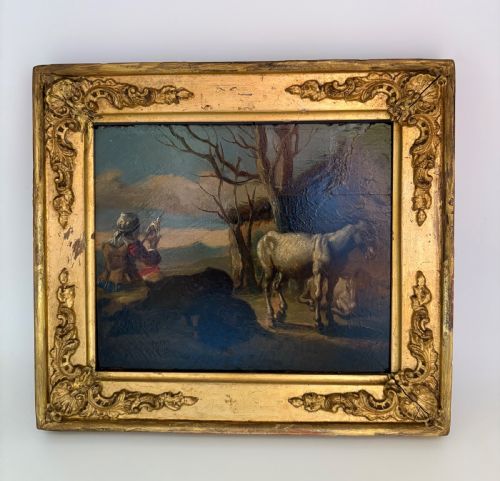
Antique Livestock Painting
An antique livestock painting brings farmyard scenes and rural pastoral life into a room with rich oil on canvas work.
Identifying antique livestock painting examples
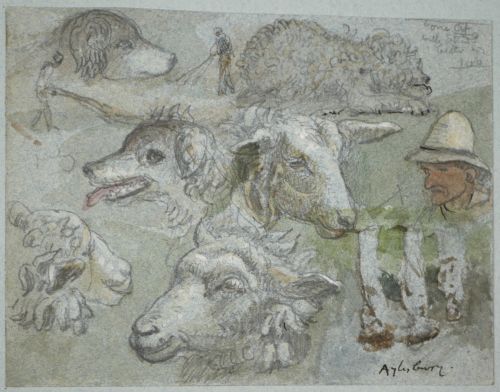
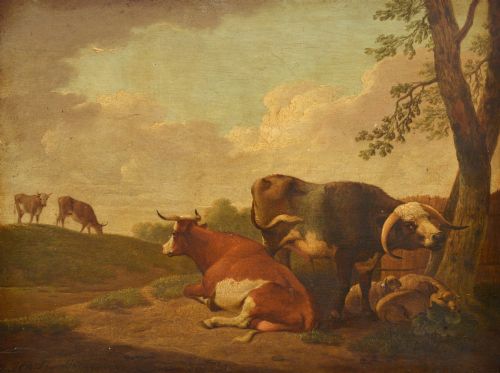
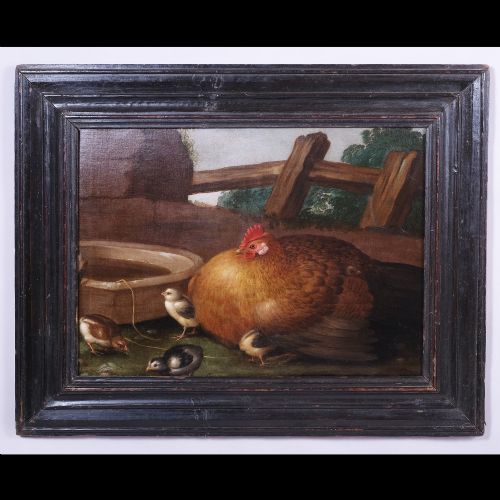
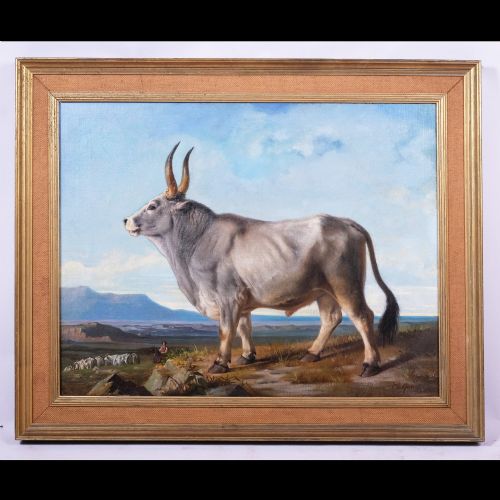
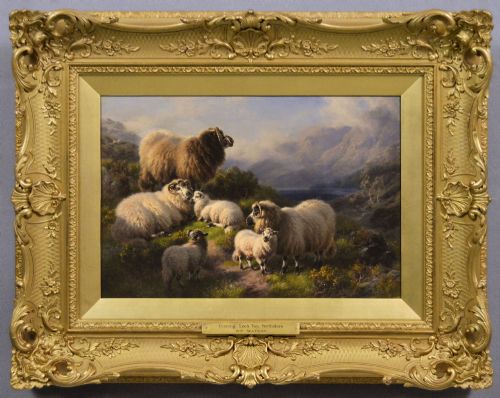
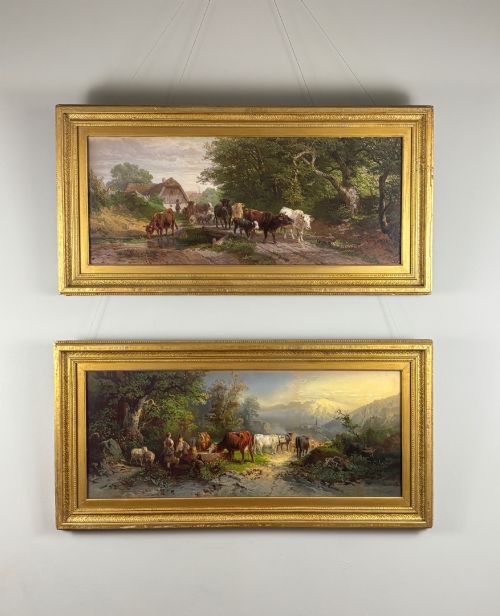
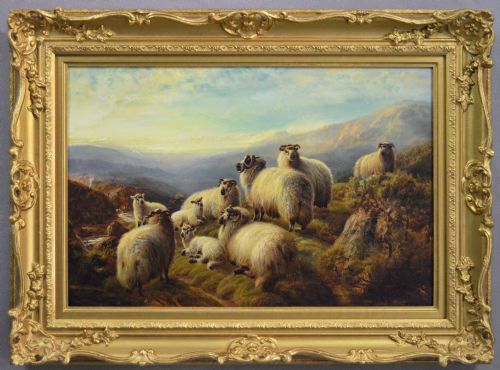
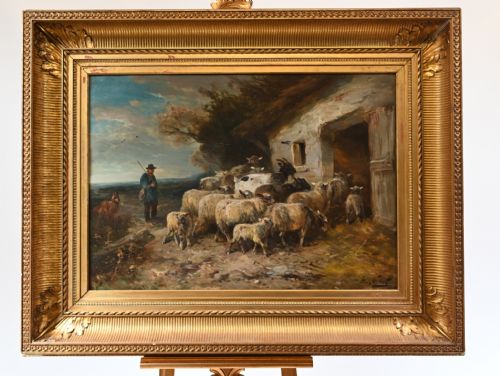
These works capture farmyard scenes, Highland cattle, and sheep in pastoral landscapes through oil on canvas and watercolour mediums. Buyers searching for an antique livestock painting will encounter pieces spanning from the early eighteenth century through the nineteenth century, including Victorian pastoral compositions. The selection brings together rural landscapes and animal portraits executed by named artists and followers of established traditions.
Framed artwork dominates the current offering, typically housed in giltwood frames featuring gesso and gold leaf detailing. The subjects range from winter snow scenes with cattle to quiet riverbanks where cows graze under nineteenth century realism. Each piece reflects the enduring British and European fascination with rural agrarian life and livestock management.
Materials and construction
Artists painted these pastoral subjects using oil paint or watercolour applied directly onto stretched canvas or paper supports. The structural backing relies on traditional wood stretchers that support the canvas over centuries of display.
Presentation depended heavily on elaborate framing techniques utilising carved wood, gesso mouldings, and applied gold leaf. These giltwood frames provided both physical protection and visual depth to the rural landscape scenes.
Retail Price Guide 2026
Typical UK retail prices for livestock painting, calculated from the Sellingantiques database of over a million retail prices indexed since 2003. This retail price guide relies exclusively on Sellingantiques data; no external sources or auction records are used, so the figures do not describe the wider market.
Sheep populate more nineteenth century pastures here than any other farm animal.
Assessing quality in pastoral art
Distinction in these works rests upon the anatomical precision of the animals and the atmospheric depth of the surrounding landscape. Skilled brushwork captures the texture of wool and hide alongside the subtle play of winter light or river reflections.
The sophistication of the original giltwood frame and the documented attribution to known nineteenth century painters elevate specific works above anonymous studio output. Superior examples maintain intact canvas surfaces and harmonious tonal balances without heavy overpainting.
William Henry Mander·Eugene Verboeckhoven·Charles Jones·William Sidney Cooper·Aster Richard Chilton Corbould·Thomas Sidney Cooper RA
The Antique Livestock Painting Glossary
- Oil paint
- A slow-drying medium consisting of pigment suspended in a drying oil, typically linseed, allowing for rich blending and textured impasto on canvas.
- Giltwood
- Wood that has been coated with thin gold leaf or gold paint, frequently used for nineteenth century picture frames.
- Pastoral
- A genre of art depicting the rural lives of shepherds, farmers, and farm animals in idealized or realistic countryside settings.
- Gesso
- A plaster-like mixture applied to wooden frames as a smooth base before the application of gold leaf.
Frequently Asked Questions
What subjects appear in these paintings?
The compositions focus primarily on farm animals, including sheep, Highland cattle, and longhorn cows, integrated into rural landscapes and river valleys.
Scenes frequently depict seasonal variations, ranging from winter snow settings to gentle pastoral riverbanks.
How do I date an antique livestock painting?
dating relies on stylistic evidence, stretcher construction, and framing techniques alongside visible artist signatures or inscriptions on the canvas.
Pieces span from the early eighteenth century through the Victorian era, showing shifts from formal pastoralism to nineteenth century realism.
Are these works always framed in gold?
Many examples retain their period giltwood frames, which incorporate gesso mouldings and gold leaf finishes characteristic of nineteenth century framing.
These frames complement the oil paintings by adding a reflective boundary that draws the eye into the rural scene.
Where should I hang a livestock painting?
These works suit traditional drawing rooms, studies, or dining spaces where rural themes harmonize with wooden furniture and classic interior schemes.
Direct sunlight and excessive moisture should be avoided to protect both the oil on canvas and the giltwood frame.