



Antique Lion Head Carving
An antique lion head carving brings the formidable presence of the king of beasts into domestic spaces through enduring timber and metal.
Antique Lion Head Carving
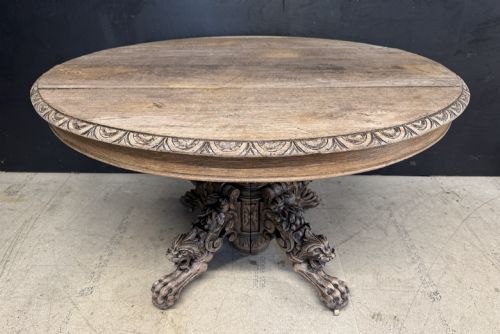
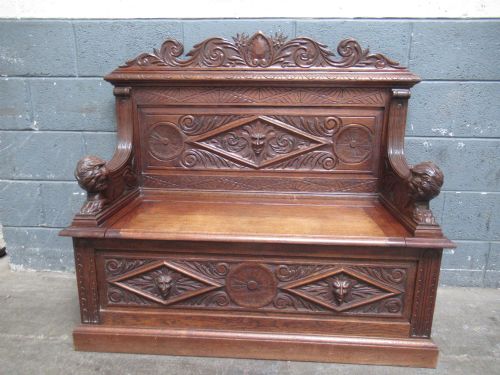
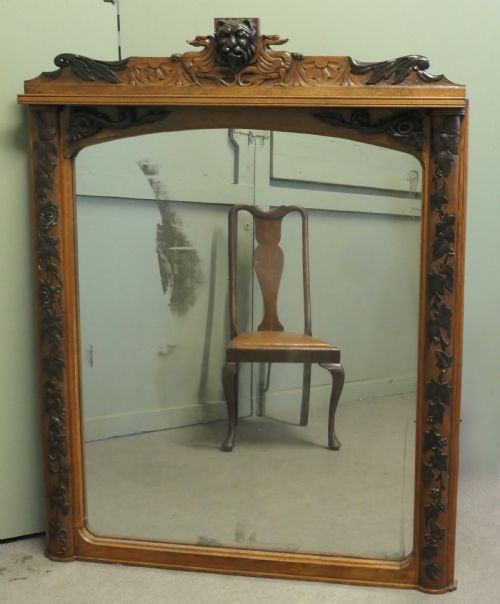
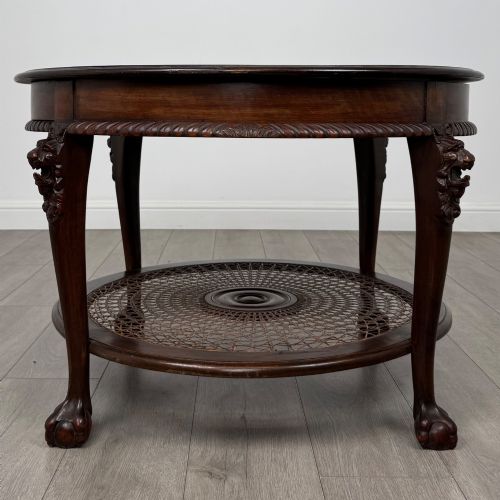
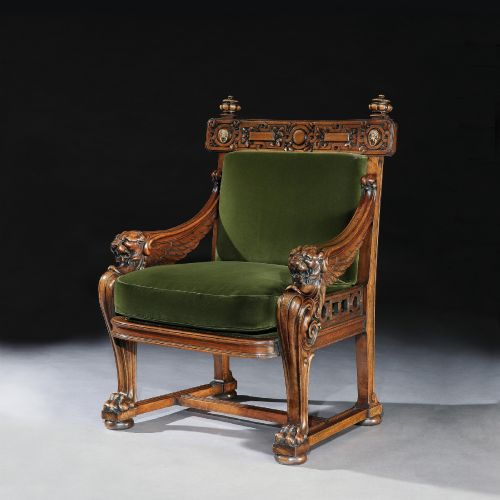
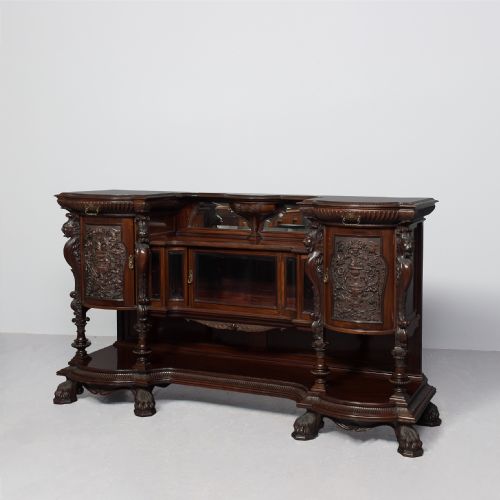
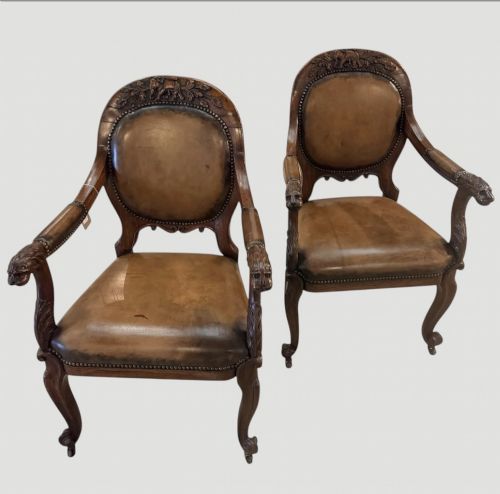
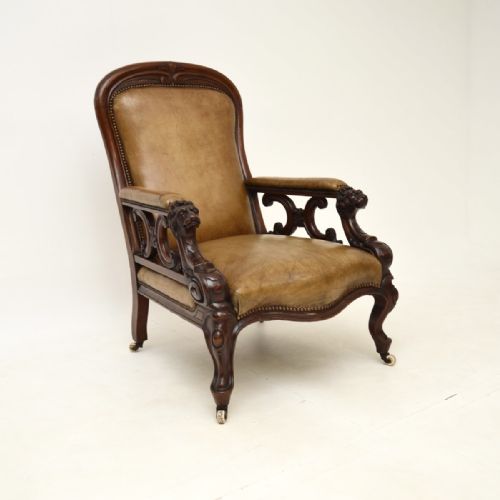
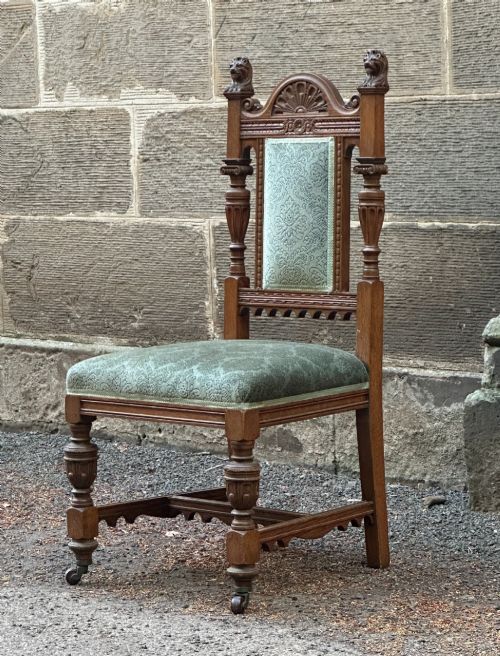
An antique lion head carving appears primarily upon robust oak and walnut seating, heavy desks, and architectural wall masks spanning the eighteenth and nineteenth centuries. These pieces reflect historic revivals ranging from Gothic and Jacobean styles to French Provincial and Neoclassical tastes.
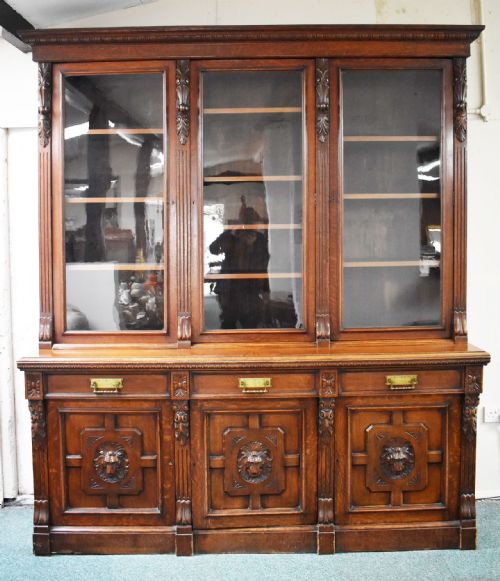
Buyers encounter substantial library armchairs, hall benches, and credenzas where fierce feline motifs punctuate arm terminals, drawer pulls, and crestings. The typical piece relies on solid hardwoods shaped to project power and authority.
Materials and construction
Cabinetmakers utilised seasoned oak, walnut, and mahogany, applying deep hand-chisel relief work to shape the dense grain of the timber into expressive manes and snarling jaws. Secondary elements incorporated brass, leather upholstery, and gilt gesso surfaces.
Joinery depended upon traditional pegged mortise and tenon construction for seating and case pieces, ensuring the heavy timber could support the elaborate carved projections without loosening over generations.
A ferocious carved lion head glowers from furniture while unsuspecting books rest between matching brass paws.
Distinctions in execution
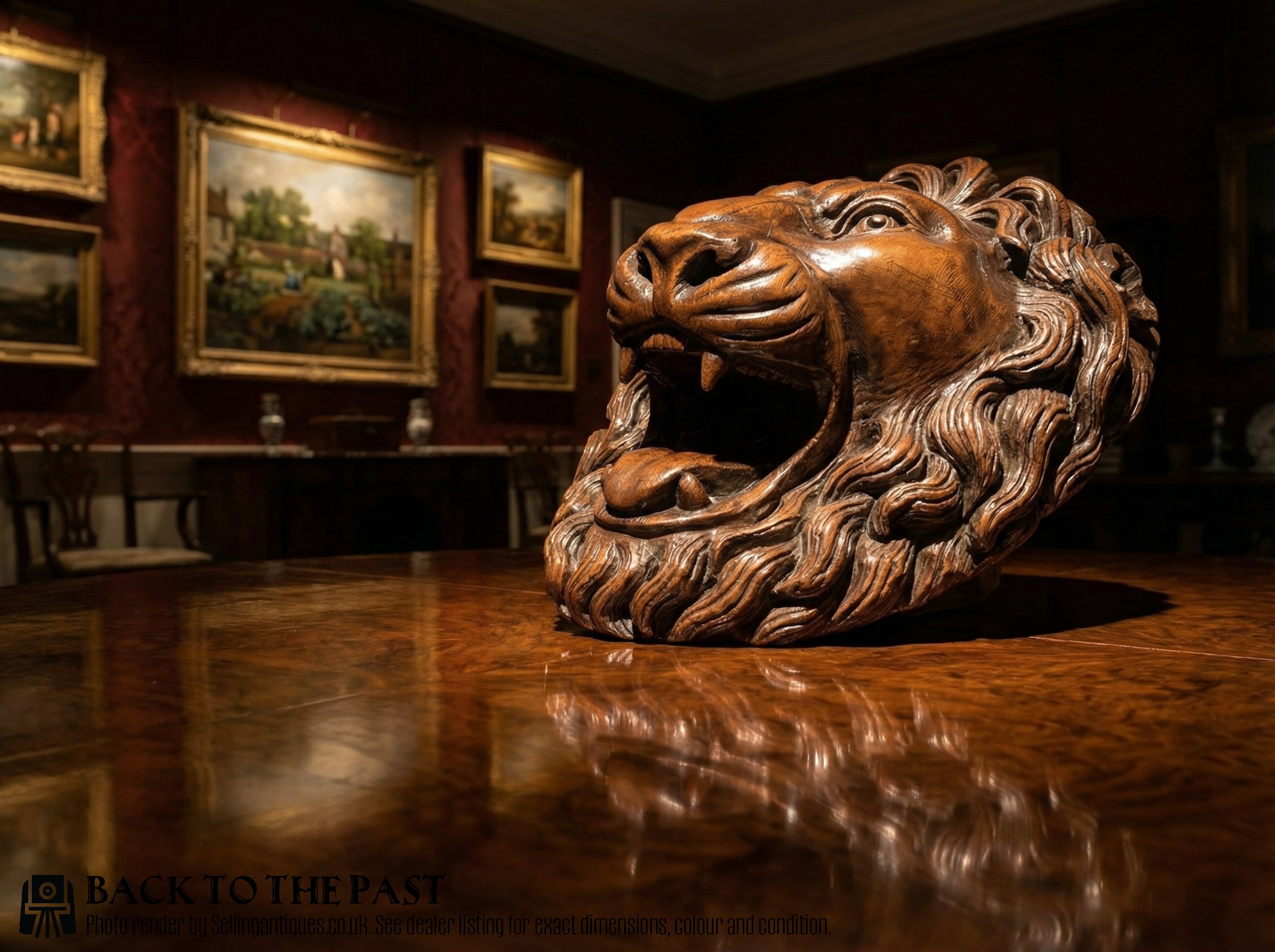
The standard of a carving depends upon the depth of relief and the vitality of the modeling, separating routine workshop production from pieces exhibiting muscular tension and anatomical precision in the muzzle and brow.
Integration with the host furniture dictates overall merit, where harmonious scale between the beast and the timber frame distinguishes superior design from secondary ornamentation merely bolted onto a surface.
Thomas Hope·Bruce Talbert·Gillows
The Antique Lion Head Carving Glossary
- Monopodia
- A furniture support formed of a lion's head, leg, and paw. These motifs derive from classical antiquity and reappear frequently on nineteenth-century armchairs.
- Relief
- Sculpture carved from a flat background where the lion's head projects forward. Deep relief work creates pronounced shadows and tactile depth.
- Giltwood
- Wood that has been coated with gold leaf or a gold-coloured finish. This technique highlights carved neoclassical mirror frames and decorative wall masks.
- Gesso
- A plaster-like mixture applied to wood surfaces and carved before gilding. It provides a smooth base for crisp decorative details.
- Credenza
- A large sideboard or buffet cabinet used for storage and display. These case pieces often incorporate heavy carved mouldings and figural terminals.
Antique Lion Head Carving: Frequently Asked Questions
Where were lion head carvings placed in Victorian homes?
These carvings anchored the principal rooms of the house, appearing prominently on library armchairs, hall benches, and heavy writing desks where domestic authority and status were communicated to visitors.
They also functioned as architectural wall masks and mirror frames, placed high to command the surrounding interior space.
How do I care for antique carved oak furniture?
Maintain the timber by keeping it away from direct heat sources and sudden humidity shifts, which cause old hardwood to split or warp.
Apply a microcrystalline wax sparingly to nourish the dry surface and gently lift dust from the crevices of the carving using a soft bristle brush.
What is the difference between a wall mask and furniture carving?
A wall mask is an independent sculptural plaque designed strictly for suspension on a vertical surface, focusing entirely on the detailed expression of the beast.
Furniture carvings are integrated directly into the structural framework of armchairs, sideboards, or bookcases as functional terminals or decorative aprons.