


Antique Light Fixture Cherub
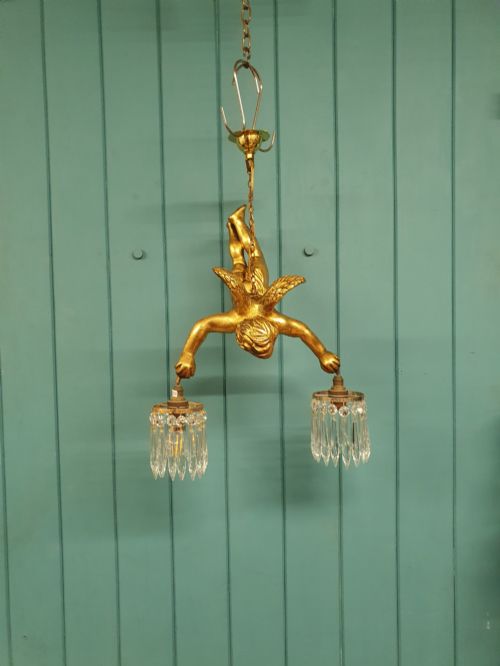
An antique light fixture cherub brings figurative bronze and gilt metal charm to a room, offering both illumination and sculptural presence.
Antique Light Fixture Cherub
An antique light fixture cherub combines functional illumination with sculptural putti figures, appearing primarily as chandeliers, wall lights, and ceiling fittings. These pieces emerge across periods spanning the mid nineteenth century through the 1930s, encompassing Edwardian and Victorian examples alongside French Rococo Revival designs.
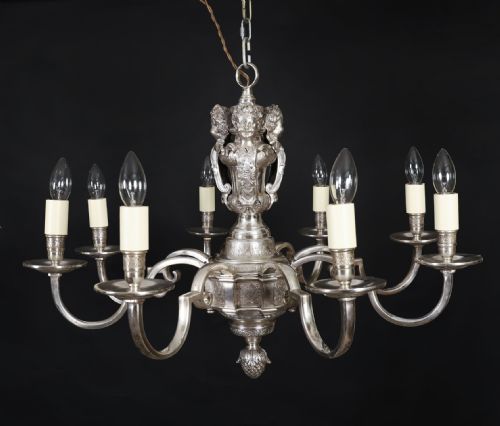
The most frequent form on this page is the chandelier featuring cherub or putti motifs in brass, gilt metal, or gilded bronze. Buyers also encounter twin arm wall lights, table lamps, and ceiling candle light fittings that incorporate winged figures alongside cut glass crystal spike elements or fabric shades.
How they were made
Lighting assemblies frequently integrated cut glass or crystal elements, such as spike chandeliers, alongside porcelain bodies or fabric shades. Metal surfaces received gilding or silver plating to enhance the decorative impact of the fixtures under artificial or natural light.
Listings span from the mid nineteenth century through the 1930s, with French Rococo Revival and Victorian styles appearing alongside Edwardian examples.
What varies in quality
Material composition and finish execution also create divisions across the range. Heavier applications of mercury gilding, substantial bronze or brass weight, and integrated cut glass crystal components separate more ambitious decorative fittings from simpler production.
The Antique Light Fixture Cherub Glossary
- Cherub
- A winged celestial being depicted in art, frequently used interchangeably with putti in decorative metalwork. These figures form the primary sculptural adornment on the arms and central stems of these lighting fittings.
- Putti
- Plumb, winged infant figures derived from classical mythology that decorate the bronze and gilt metal frames. They appear actively supporting light arms or suspended in flying arrangements.
- Gilt Bronze
- Bronze metal treated with a gold or gold coloured surface finish, often associated with finer French nineteenth century manufacture. This technique provides a lasting, warm metallic lustre to figural components.
- Speltering
- A zinc alloy frequently used as a base metal for cast decorative objects and figures before receiving a bronze or gilt finish. It offers a cost effective alternative to solid bronze while maintaining crisp sculptural detail.
- Rococo Revival
- A nineteenth century design movement drawing upon eighteenth century French ornamental curves, asymmetry, and naturalistic motifs. This style heavily influences the sweeping arms and elaborate scrollwork found on these chandeliers.
Antique Light Fixture Cherub: Frequently Asked Questions
How do I clean an antique brass cherub chandelier?
Dust the fixture gently with a soft dry brush to preserve the metal finish and any applied gilding.
Avoid harsh chemical polishes that can strip surface patination or damage delicate cut glass crystal components.
Can these vintage light fixtures use modern bulbs?
Many of these fittings can accommodate modern electrical wiring and compatible low wattage LED lamps.
Consult a qualified electrician to inspect the internal wiring and ensure safe installation in your ceiling.
Are all cherub light fittings French in origin?
While French Rococo Revival styles and gilded bronze pieces feature prominently, English workshops also produced silver plated and brass designs.
Makers across Britain and France adopted the putti motif throughout the nineteenth and early twentieth centuries.
What is the difference between a chandelier and a ceiling light?
Chandeliers typically suspend from a chain or rod with multiple branching arms designed to hold several lights.
Ceiling lights often mount closer to the surface or take the form of simpler candle light fittings and pendant configurations.