

Brass and Bronze Chandelier
A brass and bronze chandelier brings the weighty elegance of nineteenth and early twentieth century salons straight to your ceiling.
Brass and Bronze Chandelier
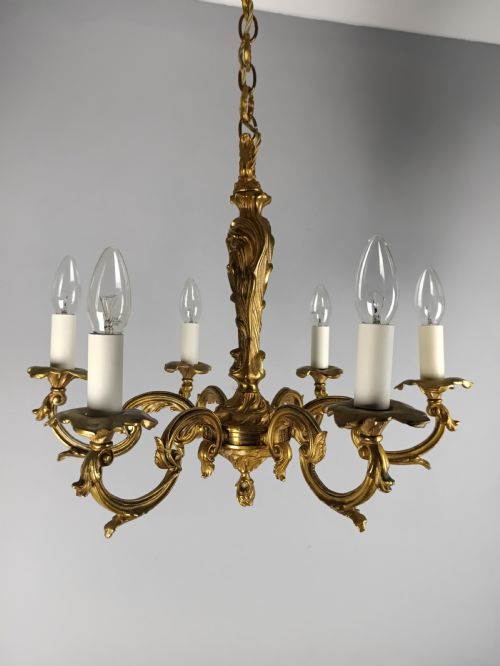
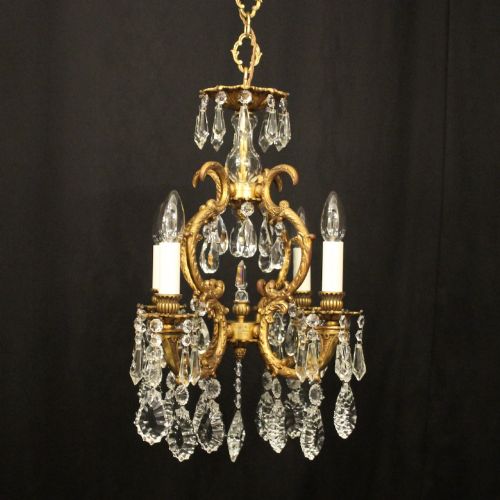
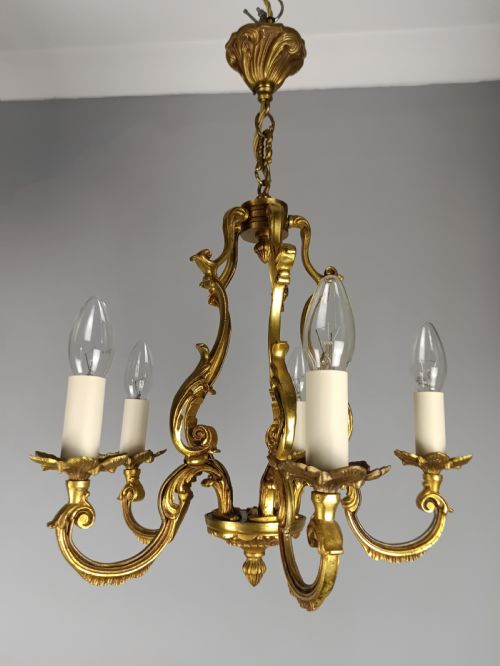
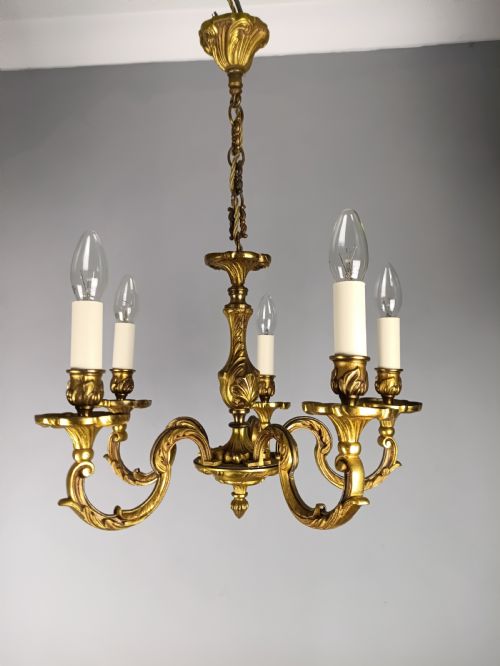
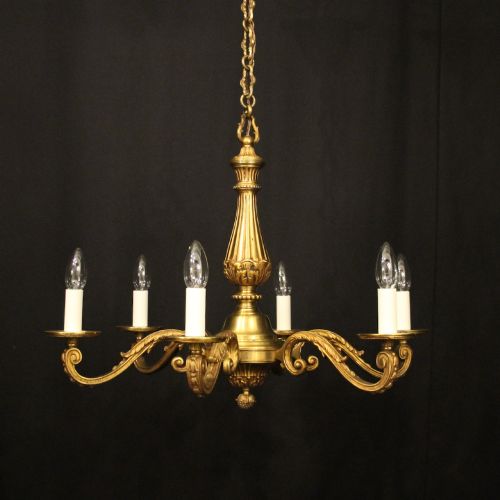
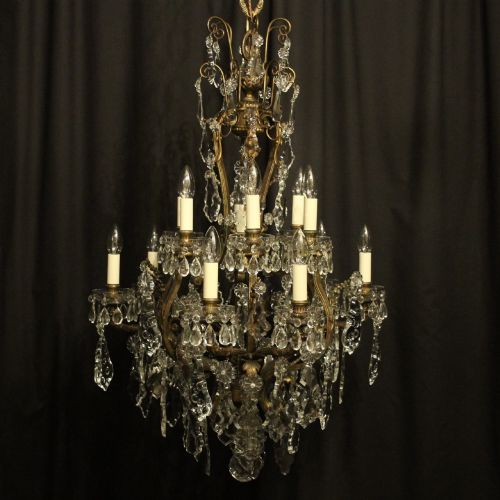
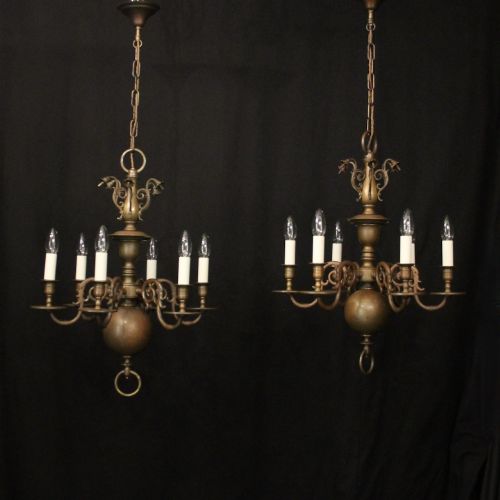
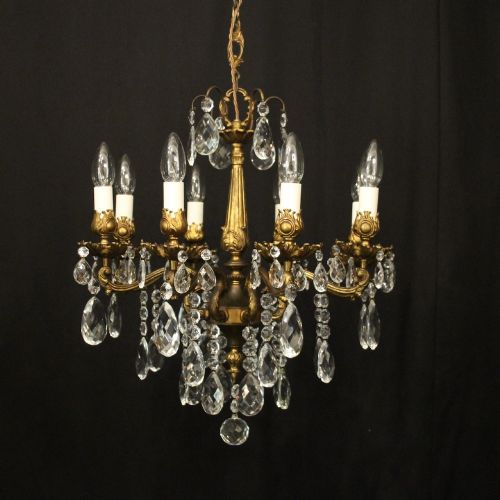
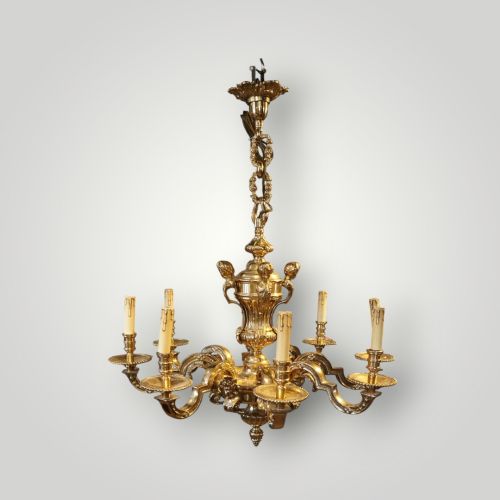
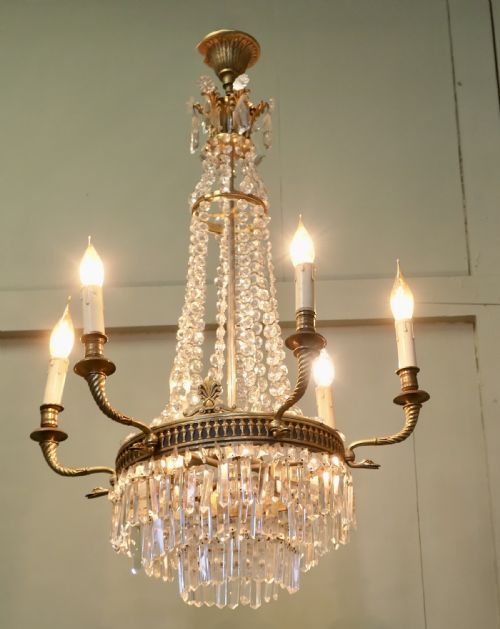
When you search for a brass and bronze chandelier, you encounter substantial ceiling lighting predominantly forged in France during the late nineteenth and early twentieth centuries. These fixtures range from multi-armed candle-style creations to grand tent and waterfall designs dripping with crystal drops.
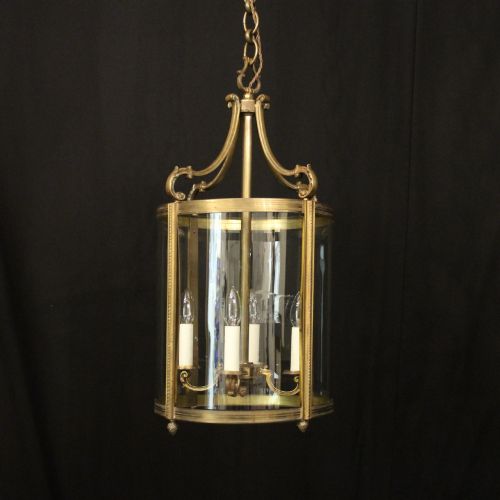
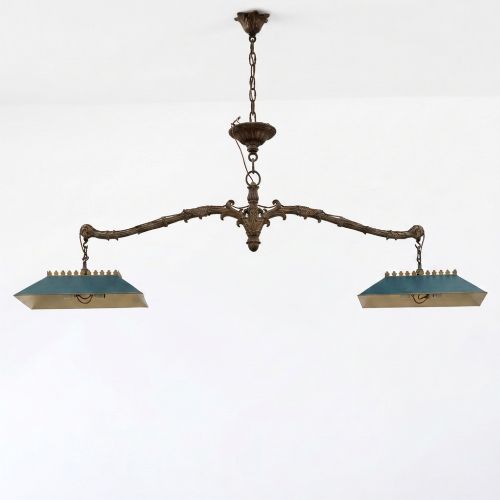
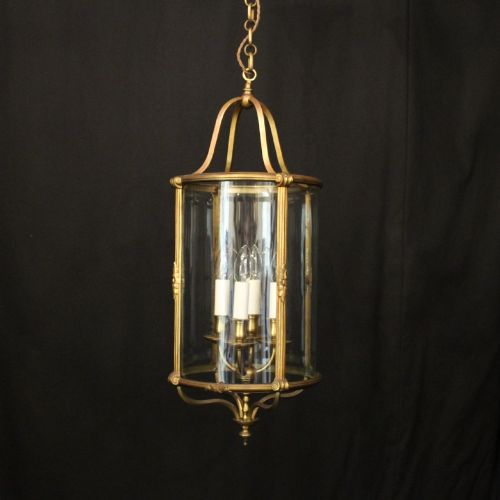
The most common versions on this page are French gilded bronze and brass fixtures dating from the nineteen-twenties and nineteen-thirties, often featuring four to twelve lights. Alongside standard chandeliers, the selection includes hall lanterns, wall sconces, and specialised billiard lights designed for specific domestic rooms.
How they were made
Casting forms in bronze or brass provided the structural arms and central stems, which workers then chased by hand to sharpen the leaf and floral details. Gilding was applied to the metal surfaces to create a warm, reflective finish that caught the dim light of early electric bulbs or candles.
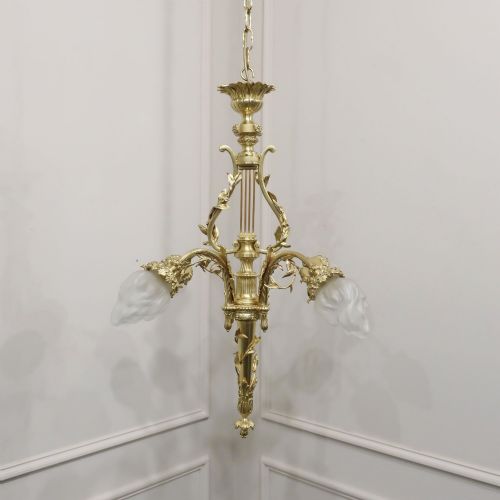
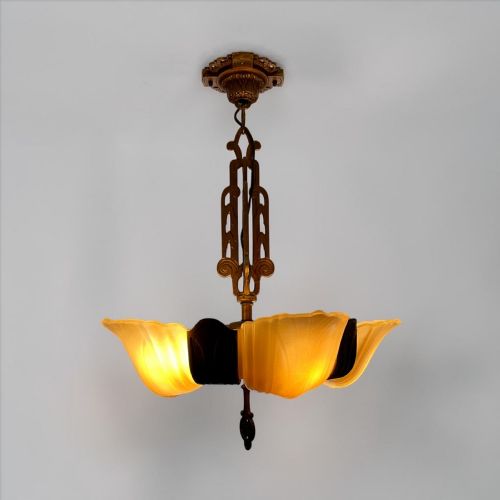
Cut glass and crystal drops were suspended from wire loops to scatter the illumination across the room. Alabaster, slip shades, and frosted glass panels also appeared in later Art Deco iterations, softening the direct glare of the lamps.
Periods represented reach from the eighteen-eighties through to the nineteen-thirties, covering Neoclassical, Empire, and Art Deco designs.
What varies in quality
The depth and crispness of the bronze chasing dictate the refinement of the piece, separating mass-produced hardware from artisan foundry work. Heavier gauge metal and intricate hand-finished detailing on the acanthus leaves or birdcage frames denote superior construction.
The integrity and clarity of the hanging crystal elements also drive the standard. Complete sets of matching prisms with minimal chipping represent higher original cost and better preservation.
G.E.C
The Brass and Bronze Chandelier Glossary
- Gilt bronze
- Metal cast in bronze and treated with a gold-coloured finish or gold leaf layer. This technique gives the metal its characteristic rich sheen.
- Tent and waterfall
- A chandelier style where strings of crystals form an upper conical tent above a cascading shower of drops. It creates a dense pyramid of sparkle.
- Hall lantern
- An enclosed ceiling fixture designed for entranceways and corridors, featuring glass panes set within a metal frame. These protect the interior candles or bulbs from drafts.
- Lyre chandelier
- A lighting design shaped like the ancient musical instrument, featuring symmetrical curved metal sides. It is heavily associated with the Neoclassical style.
- Slip shade
- A moulded piece of art glass that slides into a metal frame to form an uplighter bowl. This method typifies American and European Art Deco lighting.
Brass and Bronze Chandelier: Frequently Asked Questions
How do I clean a crystal chandelier?
Maintenance involves wiping individual glass drops with a mild soapy solution while the fixture hangs in place. Technicians often spray the metal and crystal carefully, catching drips with cloths positioned below.
Harsh chemical cleaners strip the gilt finish from bronze and brass components. Gentle dusting preserves the aged surface patina built up over decades.
Were these lights originally electrified?
Most pieces from the late nineteenth century were originally built for candles or gas before being converted for electricity later. Wiring is therefore updated to meet modern safety standards during restoration.
Original sockets and internal channels reveal how makers adapted their designs as domestic power became common. Careful rewiring ensures the antique frames support modern household voltage safely.
How do I choose the right size?
Selecting a fixture depends on the ceiling height and floor area of the room it will occupy. Large tent and waterfall models require substantial vertical clearance to hang properly.
Wall sconces and smaller four-light configurations suit compact corridors or low ceilings. Proportion remains the primary consideration for visual balance in domestic spaces.
How do I tell Empire style from Rococo?
Empire style fixtures emphasise symmetry, military motifs, and classical architectural elements like lyres and tents. The lines are restrained and follow strict geometric principles.
Rococo designs rely on asymmetrical scrolling leaves, naturalistic curves, and ornate floral decoration. These pieces feel more fluid and decorative compared to the neoclassical stiffness of Empire lighting.