


Cherub Ceiling Light Fixture
These cherub ceiling light fixtures combine cast metal figures with glass drops, bringing ornate nineteenth and early twentieth century lighting to a room.
Cherub Ceiling Light Fixture
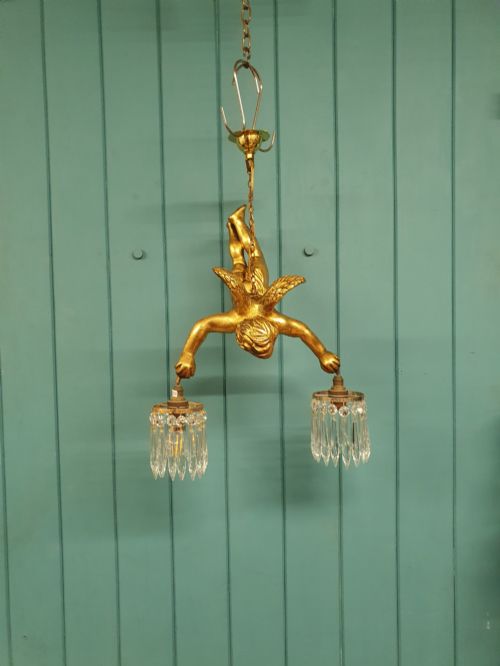
A cherub ceiling light fixture brings figurative sculpture into overhead illumination, usually taking the form of a chandelier or ceiling light featuring winged figures. When you search for a cherub ceiling light fixture, you encounter pieces primarily from the nineteenth century, the Edwardian era, and the nineteen-twenties and thirties. The French Rococo Revival and Neo-Classical styles dominate these designs, reflecting historicist revivals across Europe.
Materials and construction methods
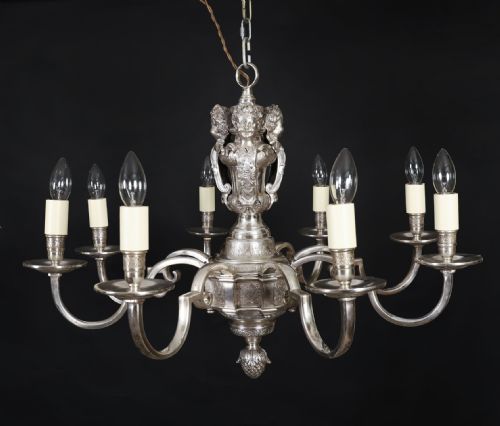
Foundry work and metal casting define how these fixtures were produced, using metals such as bronze, brass, spelter, and silver plate. Gilded bronze and gilt metal provide the shimmering surface finishes seen across the selection, often complemented by silver plating on mid-nineteenth-century examples.
Glass elements are integrated through cut glass crystal spikes and drops that suspend from the metal frames to refract the light. The figures themselves, whether described as cherubs, putti, or flying cherubs, are cast in relief or in the round as part of the structural arms or central stems.
Flying cherubs and plump putti share the ceiling space, cast perpetually mid-flight to hold up your lighting.
Assessing quality in figurative lighting
The definition and crispness of the metal casting separate standard pieces from finer examples, particularly in the rendering of the cherub faces, wings, and drapery. Hand-chased detailing on bronze and gilded bronze surfaces reveals a level of artisan involvement absent in simpler cast metal or spelter alternatives.
The integration of the glass components and the structural integrity of the multi-armed frame dictate the overall substance of the fixture. Heavier gauge brass and bronze provide stability for multiple candle arms or lamp holders, while quality cut glass displays sharp facets that catch the light effectively.
The Cherub Ceiling Light Fixture Glossary
- Putti
- Plaster, carved, or cast figures of chubby male infants, frequently winged, used in decorative art since the Renaissance. They appear frequently on these chandeliers supporting arms or embellishing the central stem.
- Spelter
- An alloy of zinc and lead used as a less expensive alternative to bronze for decorative metalwork. It takes gilt and painted finishes well but is softer than true bronze.
- Gilt bronze
- Bronze that has been coated with a thin layer of gold or gold-coloured leaf. This technique prevents oxidation and provides a rich, warm surface lustre.
- Rococo Revival
- A nineteenth-century design movement characterised by asymmetrical scrollwork, naturalistic plant motifs, and exuberant ornamentation. It heavily influenced the French chandeliers of this period.
- Cut glass
- Glass that has been shaped and faceted on a wheel to create brilliant reflecting edges. On these fixtures, crystal spikes and drops scatter the illumination.
Cherub Ceiling Light Fixture: Frequently Asked Questions
How do I install a vintage chandelier?
Vintage ceiling fixtures require secure anchoring to a ceiling joist capable of supporting the combined weight of the metal frame and glass components. Professional installation by a qualified electrician is essential to ensure the internal wiring meets current safety standards.
Older fixtures often require adaptation to modern bulb fittings and mounting brackets while preserving the exterior structure. An electrician can safely integrate the heavy metal body with your ceiling's electrical supply.
What rooms suit a cherub ceiling light?
These decorative chandeliers suit principal reception rooms, dining areas, or bedrooms where historical character is desired. The substantial drop of a multi-armed fixture requires adequate ceiling height to hang clear of traffic paths.
Smaller four-light brass or gilt metal versions work well in compact spaces or hallways. The reflective cut glass and gilded surfaces brighten rooms with limited natural light.
How do I date a brass and glass chandelier?
Dating relies on examining the manufacturing techniques, metal composition, and stylistic details of the frame. Nineteenth-century examples often feature heavy cast bronze or silver-plated brass, while twentieth-century pieces incorporate lighter metal alloys and different wiring methods.
Stylistic cues, such as the exuberant scrolls of French Rococo Revival or the restrained lines of Edwardian brass, provide further clues to the period of manufacture.