

Antique Lidded Ceramic Urn
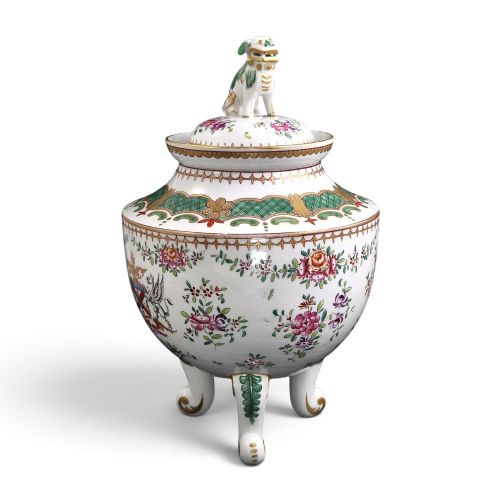
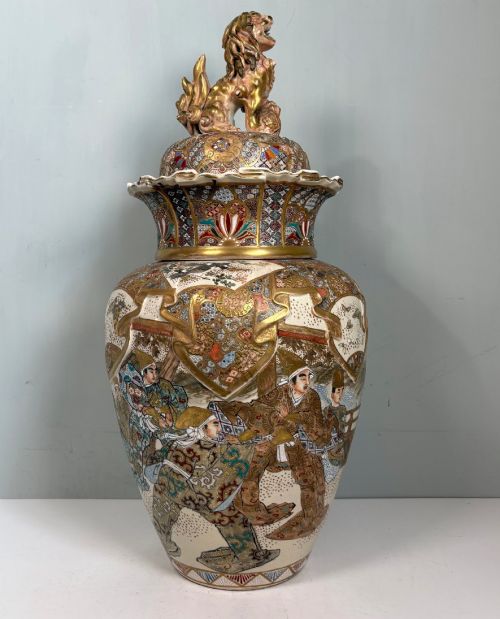
An antique lidded ceramic urn brings classical form and hand-painted artistry to a room, spanning delicate European porcelain and bold Asian wares.
Antique Lidded Ceramic Urn
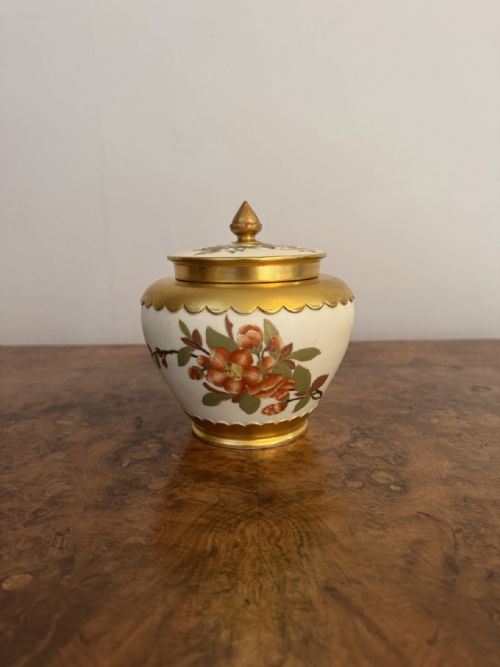
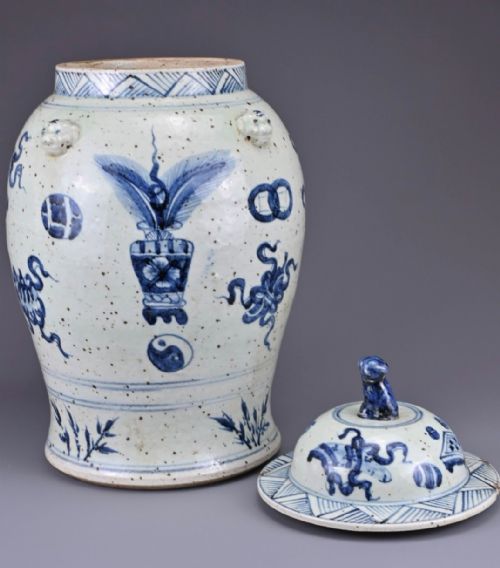
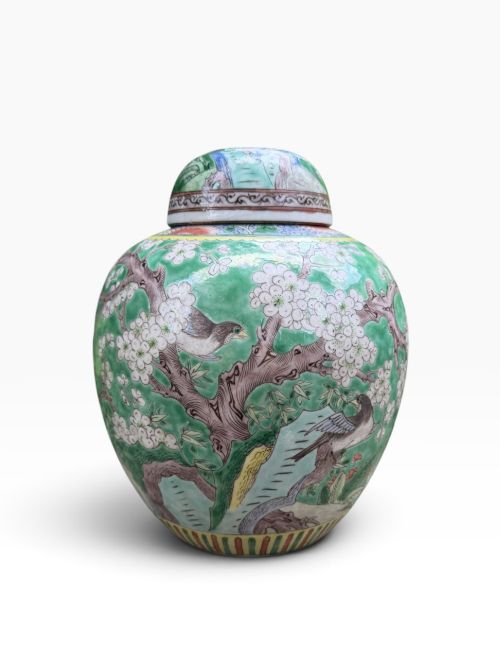
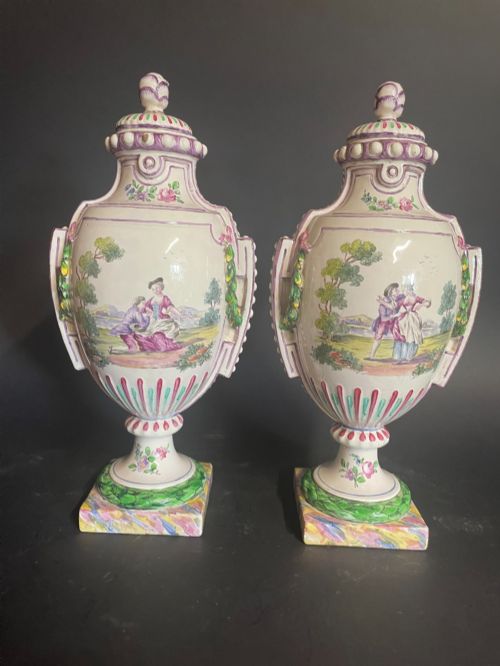
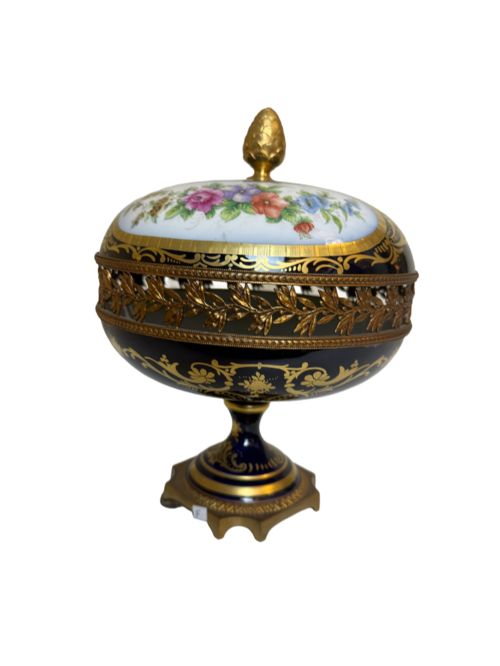
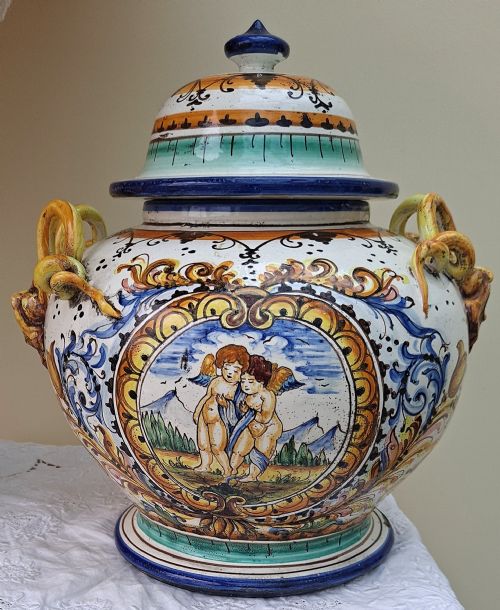
When you search for an antique lidded ceramic urn, you encounter a diverse array of covered vessels spanning the eighteenth, nineteenth, and early twentieth centuries. These objects range from ginger jars and potpourri pots to grand decorative vases fitted with matching covers.
The nineteenth century provides the bulk of the examples on this page, alongside select pieces from the eighteenth century and the mid-twentieth century. Forms vary from sturdy earthenware jars to refined porcelain urns originating from English, French, and Asian kilns.
How they were made
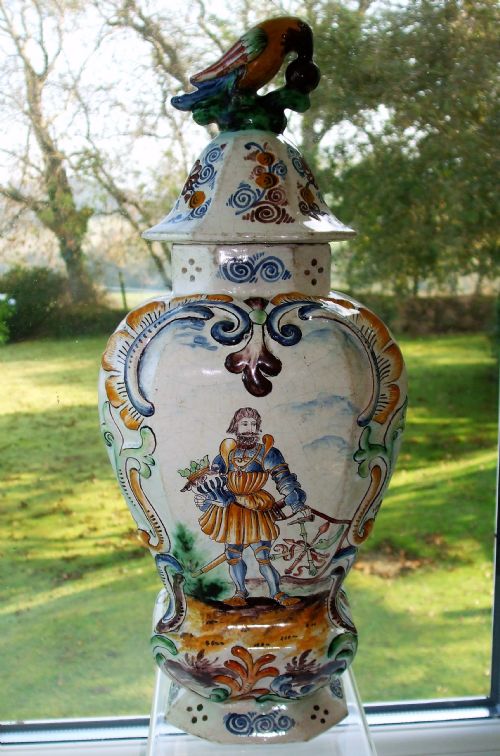
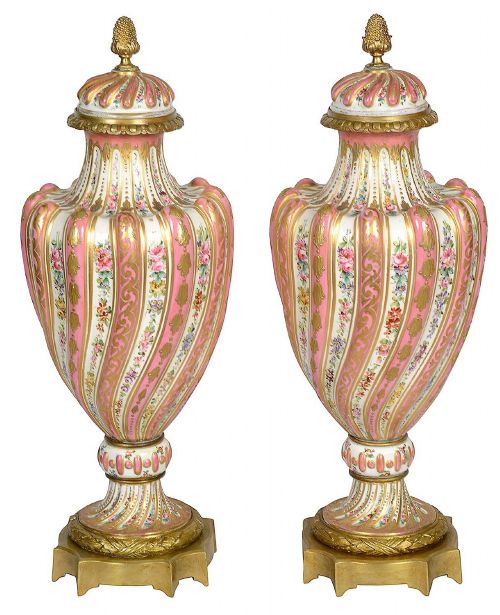
Potters shaped these vessels from ceramic, earthenware, and porcelain, frequently applying tin glazes or rich polychrome enamels to the fired bodies. Artisans enhanced many surfaces using gold leaf, delicate gilding, and intricate hand-painted motifs.
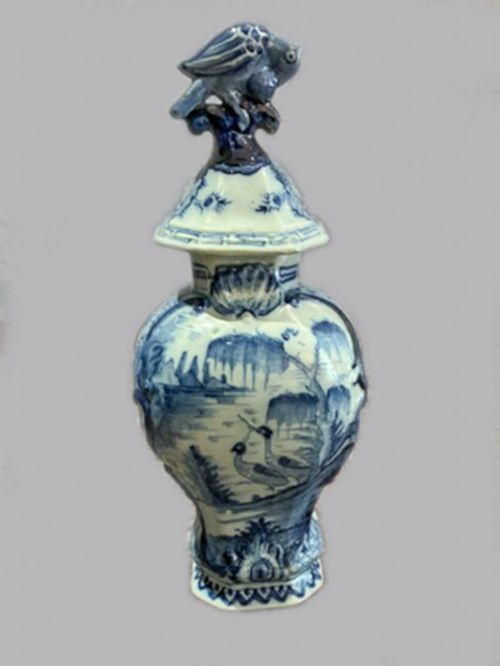
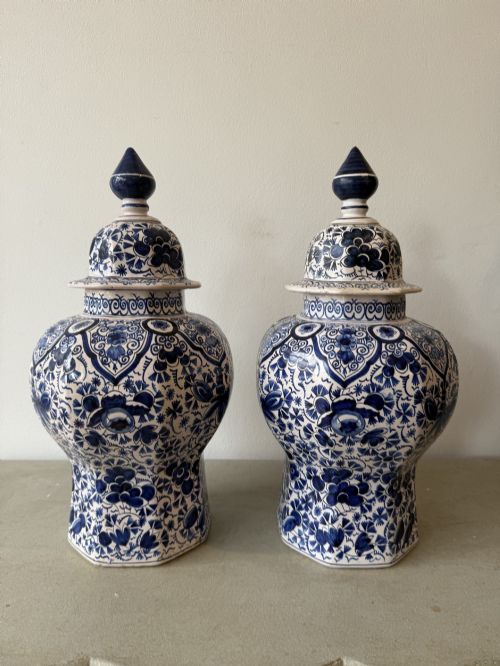
Firing techniques and glaze compositions determined the durability and finish of each piece, whether achieving the deep red of Sang de Bœuf or the crisp blue and white of traditional Delftware.
Several nineteenth-century potpourri jars still retain faint traces of dried floral spices inside their pierced covers.
What varies in quality
Quality rests in the precision of the throwing, the control of the kiln during firing, and the skill evident in the hand-painted decoration. Finer examples display crisp detail in the brushwork and harmonious balance between the vessel body and its cover.
The distinction between standard production wares and exceptional pieces lies in the complexity of the glaze chemistry and the finesse of the finishing touches, such as raised gilding or specialised enamel layering.
Royal Worcester·Chamberlain Worcester·William Moorcroft·Coalport
The Antique Lidded Ceramic Urn Glossary
- Porcelain
- A hard, translucent ceramic fired at high temperatures from white clay and petuntse. It forms the body of many fine decorative vessels.
- Tin-Glazed Earthenware
- Pottery covered with an opaque white glaze containing tin oxide, providing a smooth surface for painted decoration. This technique defines traditional Delft and faience wares.
- Potpourri
- A mixture of dried petals and spices placed inside a pierced or lidded jar to scent a room. Many nineteenth-century urns were specifically designed for this purpose.
- Imari
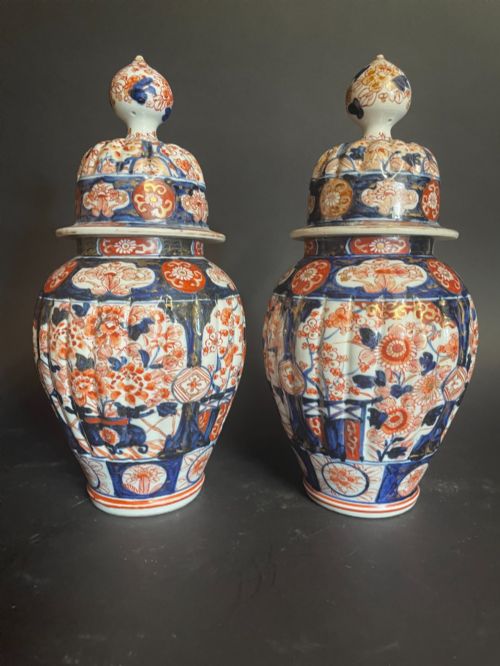
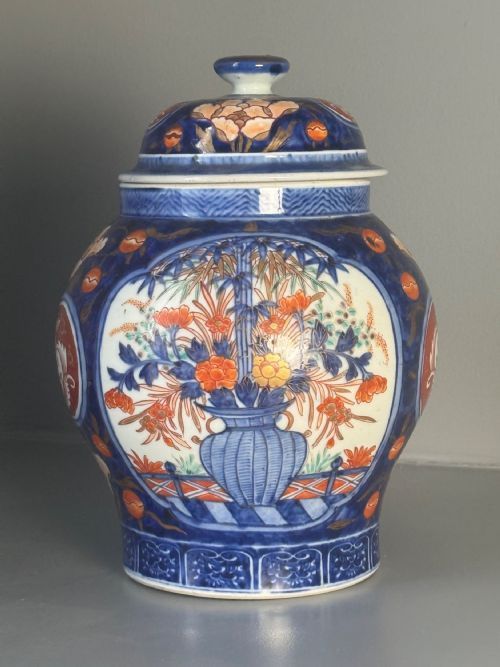
- A style of Japanese export porcelain decorated in underglaze blue and contrasting iron red, often highlighted with gold. It became widely imitated in European kilns.
Antique Lidded Ceramic Urn: Frequently Asked Questions
What were lidded ceramic urns originally used for?
These vessels served various functions in period interiors, ranging from storing dried flowers and potpourri to holding ginger or simply acting as decorative garnitures on mantelpieces.
Larger urns often stood as architectural ornaments in grand rooms, while smaller lidded jars kept fragrant mixtures or valuable commodities protected from dust.
How do I care for an antique ceramic urn?
Dust the surface gently with a soft, dry cloth and avoid using chemical cleaning agents or abrasive materials that might damage old gilding or hand-painted enamels.
Keep the vessel away from direct sunlight and areas subject to sudden temperature changes to protect the ceramic body and historical glaze layers.
What is the difference between a jar and an urn?
Jars generally feature a more straightforward cylindrical or ovoid body with a snug-fitting lid, historically used for storage.
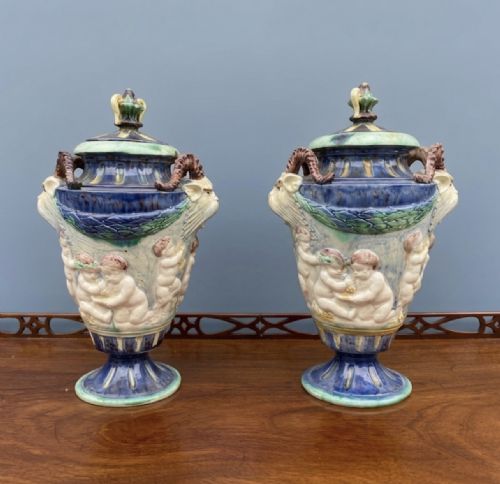
Urns traditionally incorporate a footed base, a tapering stem, and often handles, drawing inspiration from classical architecture and decorative display.