




Antique Library Lectern
An antique library lectern offers a sturdy perch for heavy volumes, bringing period craftsmanship straight to the study.
Antique Library Lectern
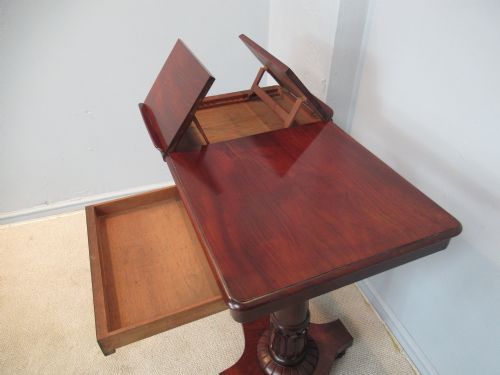
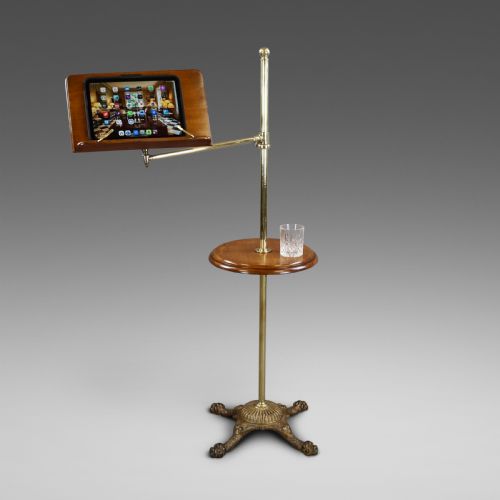
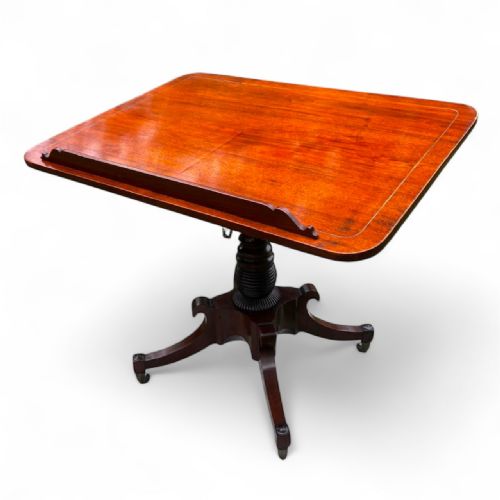
When you search for an antique library lectern, you are looking at functional book stands, reading tables, and adjustable desks designed to hold volumes upright or at an angled slant. The pieces appearing here span multiple eras, including Georgian, Regency, Victorian, and Edwardian periods.
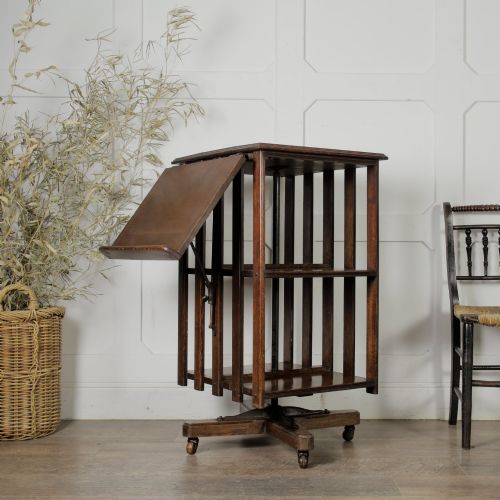
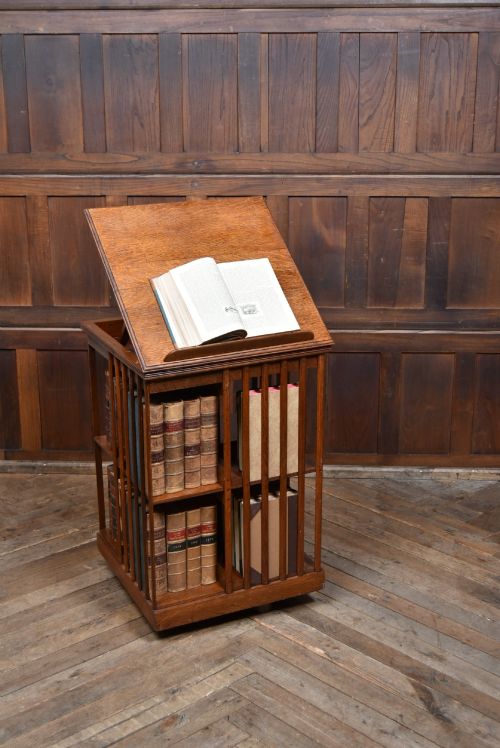
You are most likely to meet mahogany and oak examples on this page, taking forms such as revolving bookcases, adjustable reading tables, and desktop book rests. These objects often incorporate metamorphic designs or brass fittings to suit the reader's posture.
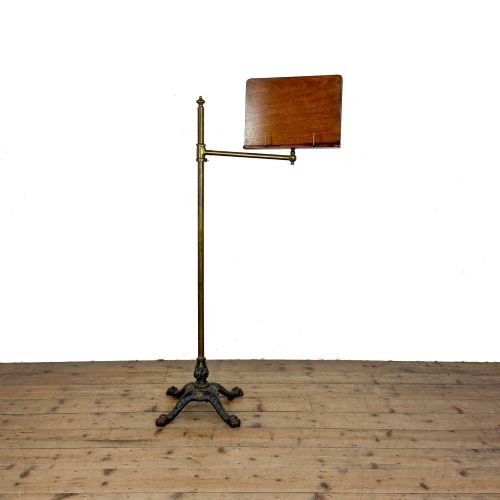
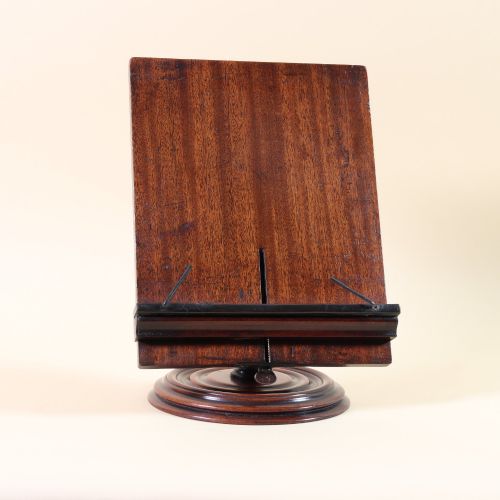
The assortment reflects centuries of study furniture, ranging from compact desk-top book rests to large revolving bookcases and music stands. Each piece serves the practical purpose of supporting books or folios in a library setting.
Assessing quality and execution
The sophistication of the mechanical adjustment mechanism often dictates the standing of an individual reading table or stand. Smooth movement in ratchets, screws, and pivoting book rests marks superior workshop output.
Timber selection and secondary wood use reveal the standard of construction, with finely figured mahogany and dense oak commanding greater attention than plain utility pieces. The integration of brass inlay and solid turning further separates standard production from finer examples.
Some Victorian readers clearly demanded multitasking furniture, turning simple side tables into pivoting lecterns with a twist of a brass screw.
Carter’s Patent·Gillows·Harrods
The Antique Library Lectern Glossary
- Lectern
- A slanted support holding a book or document at a height for reading. These stands often feature adjustable heights and angles.
- Metamorphic
- Furniture designed to transform into another form, such as a side table that converts into a lectern. This clever engineering allowed dual purposes in compact spaces.
- Revolving bookcase
- A freestanding tiered bookcase designed to spin on a central axis for easy book selection. Edwardian examples in oak and mahogany appear frequently.
- Whatnot
- An open set of multi-shelved stands used for displaying or storing books and small objects. Georgian and Victorian makers produced these in timber.
Antique Library Lectern: Frequently Asked Questions
What is an antique library lectern used for?
An antique library lectern supports heavy books, folios, and Bibles at a comfortable reading angle. They were placed on tables or stood independently in studies and libraries.
Readers used the adjustable surfaces to hold open pages steady without manual effort. This made prolonged study or music practice much easier.
Are these stands suitable for modern books?
These reading stands accommodate modern hardbacks, atlases, and art folios just as well as antique volumes. Their sturdy timber ledges prevent books from sliding off.
Using them in a contemporary study brings practical utility alongside period character. The adjustable angles reduce neck strain during long reading sessions.
How do I date an oak library stand?
Dating relies on stylistic clues, timber choice, and the complexity of any mechanical hardware. Edwardian and Victorian pieces often show machine-sawn elements and distinct brass casting styles.
Earlier Georgian and Regency examples display hand-cut joinery and simpler, heavier proportions. Comparing the secondary woods provides further clues to the decade of manufacture.