
Antique Library Bronze
When you search antique library bronze, you find pieces cast in metal or mounted in ormolu, built for writing rooms and studies across the nineteenth century.

Antique Library Bronze
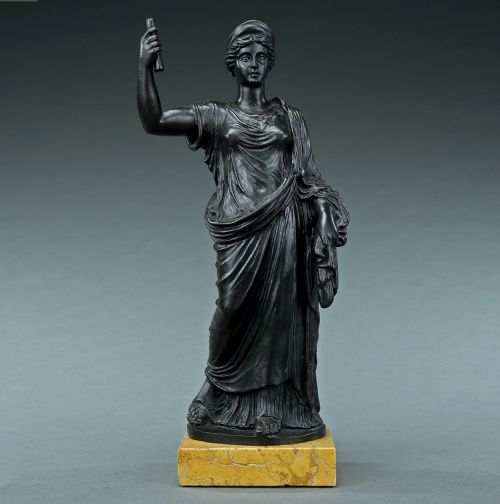
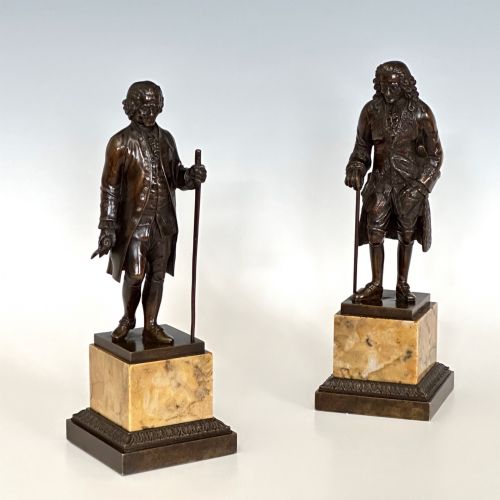
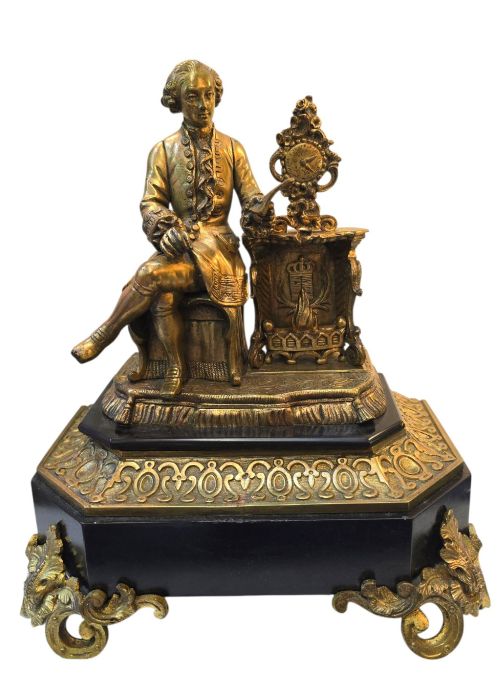
When searching for antique library bronze, collectors encounter desk accessories, figural sculptures from the Grand Tour, and mounted furniture. The selections range from Grand Tour figures of classical deities and philosophers to practical desk furnishings and gilt metal mounts adorning writing tables.
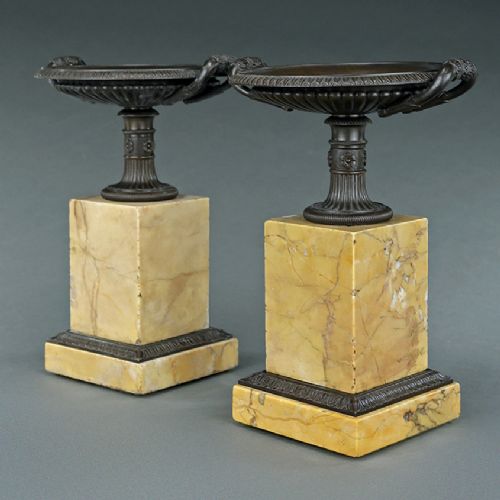
The objects span the eighteenth, nineteenth, and early twentieth centuries, with a concentration of Victorian and French pieces. Forms include tazzas, bookends, mantel clocks, and library lamps cast in metal.
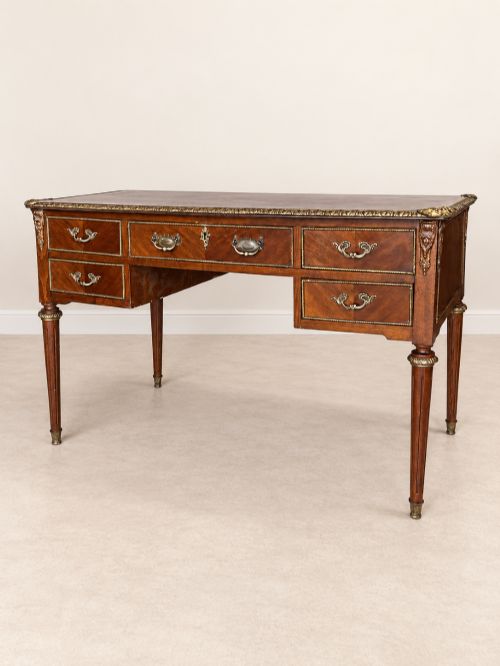
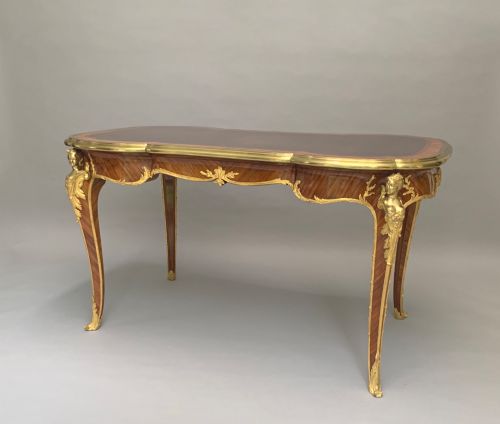
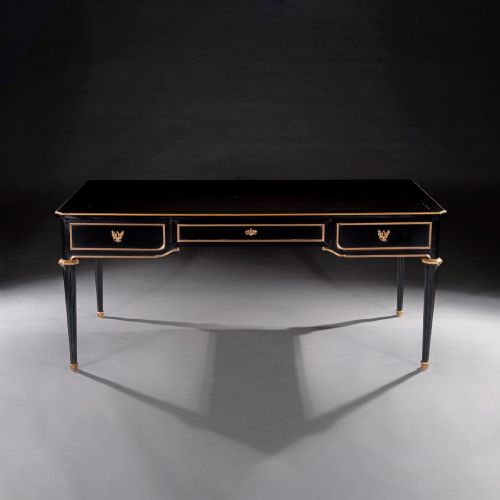
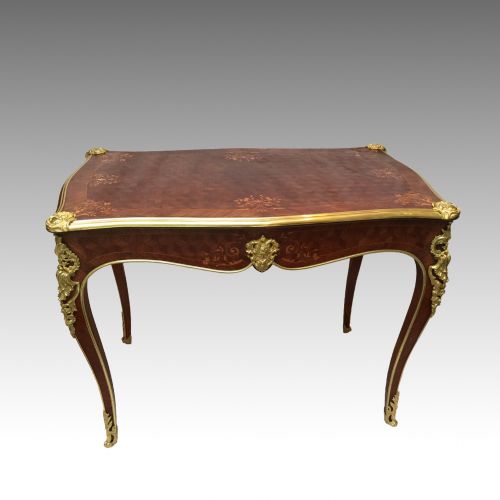
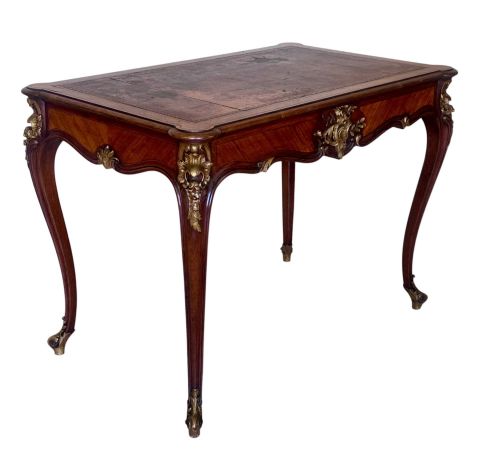
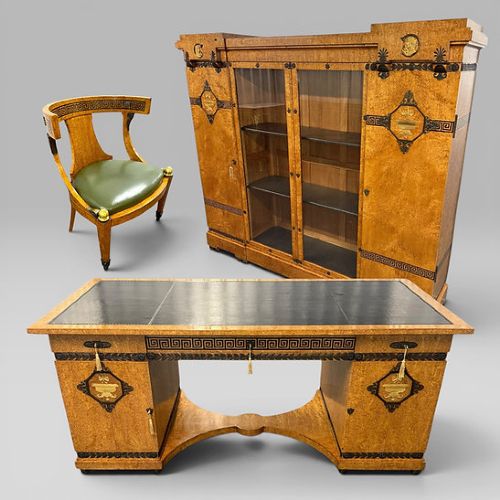
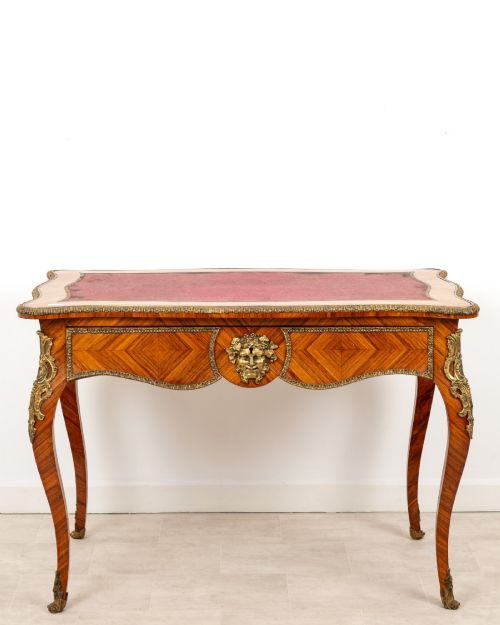
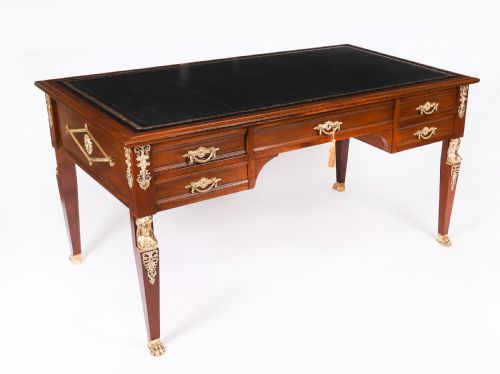
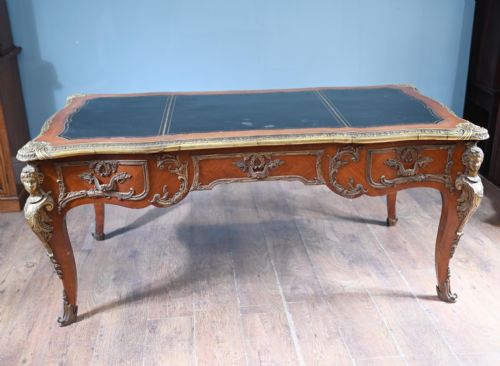
Many items intersect with writing furniture, combining bronze or ormolu mounts with kingwood, mahogany, and walnut desks. These pieces reflect revival styles, notably French Empire and Louis XV, alongside Regency and Victorian interpretations.
Materials and construction
The pieces rely on bronze, ormolu, and brass, frequently combined with hardwoods like mahogany, kingwood, rosewood, and walnut. Metal elements undergo casting and chasing, then receive gilding or patination.
Cabinetwork involves parquetry, marquetry, and ebonising, paired with leather writing surfaces and marble tops. Ormolu mounts are fixed to wooden writing tables, cabinets, and armchairs using traditional joinery and brass fastenings.
Listings feature nineteenth-century writing tables, Grand Tour sculptures, and ormolu-mounted cabinetry in French Empire and Louis styles.
Assessing quality and execution
Quality rests on the crispness of the bronze casting and the depth of the subsequent chasing. Superior metalwork retains sharp facial expressions and clean drapery folds on figural sculptures and furniture mounts.
In furniture, the standard shows in the precision of the parquetry and marquetry inlay, the selection of timber veneers, and the weight of the ormolu mounts. Finer examples display harmonious proportions between the timber carcase and the metal ornamentation.
Johnstone and Jeanes·Francois Linke·Edwards and Roberts·CH Jeanselme and Co·Mercier Frères·Paul Sormani
The Antique Library Bronze Glossary
- Ormolu
- Gilded bronze, used extensively for decorative mounts on furniture and clocks during the eighteenth and nineteenth centuries. The technique involves applying a mercury and gold amalgam to the bronze base.
- Grand Tour
- A traditional trip through Europe undertaken by upper-class young men in the eighteenth and nineteenth centuries to study classical art. Souvenirs included small bronze sculptures of ancient figures and monuments.
- Bureau plat
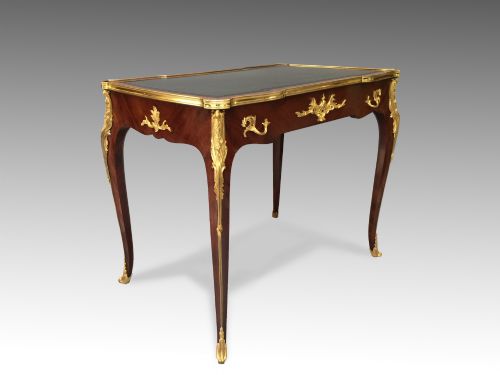
- A freestanding double-sided writing desk featuring a leather-lined top, often decorated with metal mounts. This form gained popularity in France during the eighteenth century and saw numerous revivals.
- Tazza
- A shallow saucer-shaped vessel mounted on a stem and foot, used for display or holding small items. Examples in libraries are typically cast in bronze.
- Parquetry
- Geometric patterns formed by fitting wood veneers together on a surface. It is frequently seen on the tops of nineteenth-century writing tables.
Antique Library Bronze: Frequently Asked Questions
What is an antique library bronze?
An antique library bronze is a metal sculpture, desk accessory, or furniture mount produced primarily during the nineteenth century. These items were designed for use or display in studies and reading rooms.
They encompass Grand Tour figures of historical or mythological subjects, heavy bookends, and decorative desk lamps cast in bronze or brass.
How do I identify French Empire style pieces?
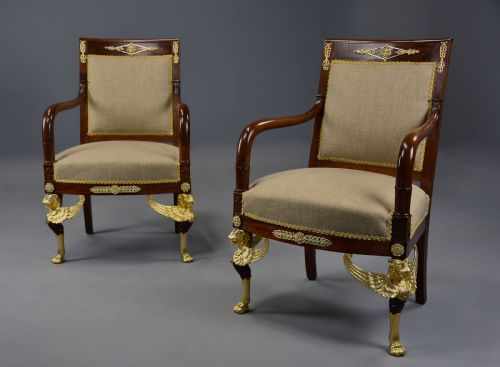
French Empire pieces display strict classical symmetry, clean architectural lines, and military or imperial motifs. They frequently incorporate cast ormolu mounts depicting laurel wreaths, sphinxes, and classical figures.
The woodwork beneath these mounts is typically dark mahogany or ebonised timber, reflecting the aesthetic of the early nineteenth century.
Where were these bronze items placed in a library?
Smaller bronzes such as busts, tazzas, and bookends sat upon bookshelves, mantelpieces, or directly on partner desks. Larger works, including figural lamps and clocks, anchored the corners of rooms or large writing tables.
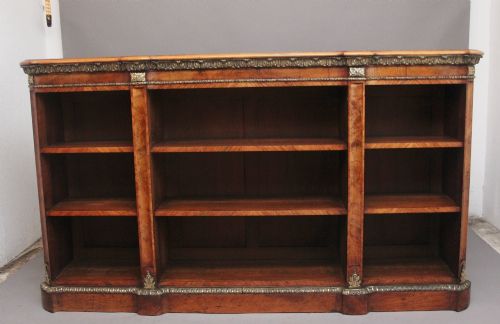
Fitted ormolu mounts were integrated into the structure of bureau plat desks, centre tables, and open bookcases.
How do I care for ormolu and bronze?
Bronze and ormolu require gentle dusting with a soft, dry brush to prevent the buildup of dirt within recessed chasing. Avoid abrasive cleaners and chemical polishes, which strip the original patination or gilding.
Maintain stable humidity levels in the room to protect any associated wooden furniture and leather inserts from cracking.