





Antique Napoleonic Bronze
Antique Napoleonic bronze pieces are enduring works of military and imperial commemoration that bring striking nineteenth-century French history directly into your home.

Antique Napoleonic Bronze
When you search for antique napoleonic bronze, you encounter a focused selection of decorative arts, mantel clocks, and portrait sculptures rooted in the French Empire and its nineteenth-century revivals. The objects range from figures of soldiers and field gun models to library inkstands and architectural souvenirs of the Vendome Column.
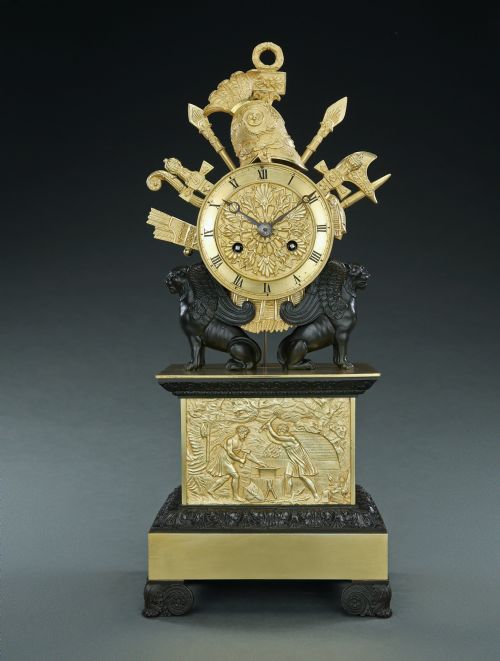
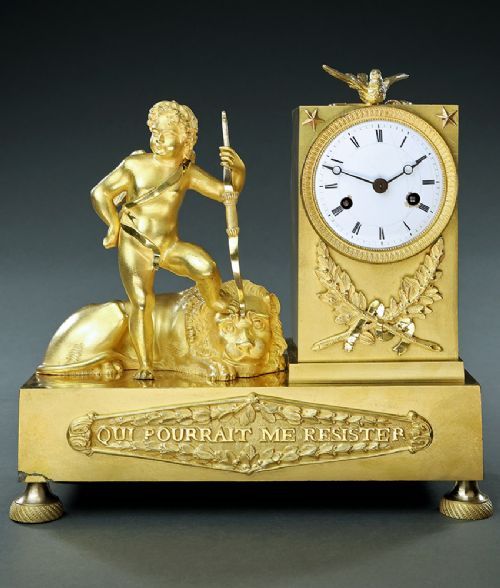
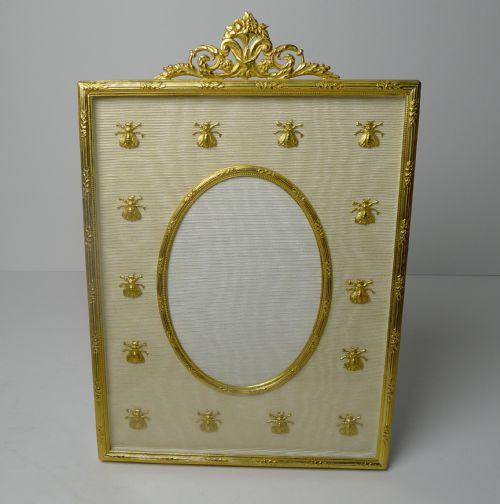
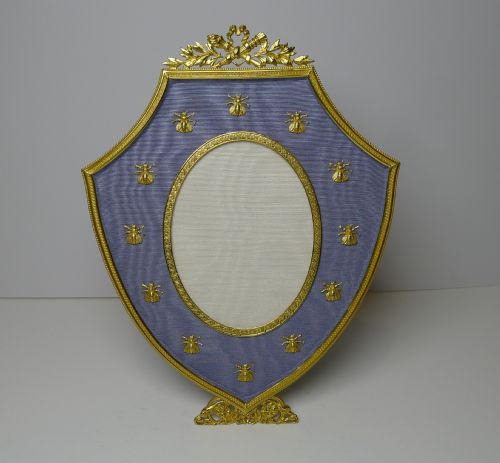
Mantel clocks and portrait roundels dominate the grouping, often carrying specific iconographic motifs like the imperial bees or military trophies. These pieces span the early nineteenth century through to later revival periods around nineteen hundred, maintaining a consistent link to Napoleonic themes.
Collectors searching this category also find photograph frames and desk accessories finished in gilt or patinated metals. Each object serves as a tangible link to the material culture of the French Empire and subsequent nineteenth-century nationalist revivals.
Factors that determine quality
Quality in these pieces rests primarily on the crispness of the casting and the depth of the chasing work applied after the metal left the mould. Superior examples retain fine facial expressions on portrait busts and sharp relief on military equipment or architectural details.
The harmony of mixed materials also defines the better items in the range, such as how cleanly a bronze figure mounts onto a marble base or how neatly turned a mahogany frame appears. Secondary elements like original gilding condition and the integrity of applied decorative motifs elevate certain pieces above standard production.
Listings feature items dated from eighteen hundred to nineteen hundred, showing the enduring popularity of the French Empire style across the nineteenth century.
E.H. Dumaige
The Antique Napoleonic Bronze Glossary
- Ormolu
- Gilded bronze, where a finely ground gold-mercury amalgam is applied to a bronze object and heated to drive off the mercury. This technique produces a durable, rich golden surface typical of luxury French Empire pieces.
- Patinated bronze
- Bronze treated with chemical solutions to produce a controlled surface colour, usually brown, black, or greenish-brown. This finish accentuates sculptural relief and protects the underlying metal.
- French Empire
- A decorative style spanning the late eighteenth and early nineteenth centuries, characterised by classical Roman motifs, military symbolism, and heavy use of gilt bronze. It forms the primary aesthetic foundation for Napoleonic metalwork.
- Grand Tour
- A cultural journey undertaken by wealthy young Europeans in the eighteenth and nineteenth centuries to view classical antiquities. Small bronzes like the Vendome Column served as popular souvenirs from these travels.
Antique Napoleonic Bronze: Frequently Asked Questions
How do I date a napoleonic bronze?
Dating relies on stylistic markers, casting techniques, and associated materials like the specific marbles or woods used in bases and frames. Pieces made during the active French Empire period differ subtly in execution from later nineteenth-century revival items.
Examining the depth of the chasing, the type of patination, and any signatures or foundry marks helps narrow down the decade of production between eighteen hundred and nineteen hundred.
Where should I place a mantel clock?
Napoleon-era mantel clocks serve as striking focal points on traditional mantelpieces, large sideboards, or deep console tables. Their weight and metallic finish require a sturdy, stable surface capable of supporting bronze and marble.
Keep them away from direct heat sources and excessive moisture to protect both the internal clockwork and the delicate exterior gilding or patination.
How do I clean gilded bronze?
Gilded bronze and ormolu require gentle dusting with a soft, dry brush to prevent the accumulation of abrasive particles. Avoid using commercial metal polishes, water, or chemical cleaners, which can strip the thin gold layer.
Professional conservation is recommended for pieces showing significant tarnish or structural grime to preserve the original surface finish.