
Antique Leather Bureau
An antique leather bureau offers a dedicated writing space defined by fitted interiors and patinated hide surfaces.

Antique Leather Bureau
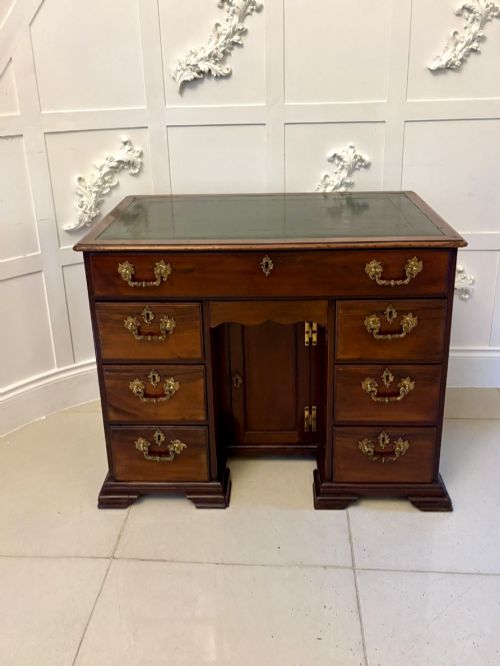
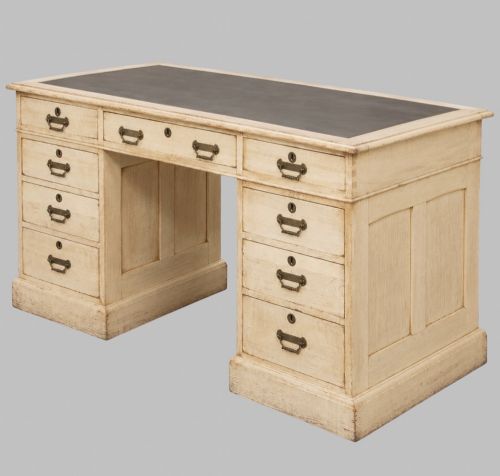
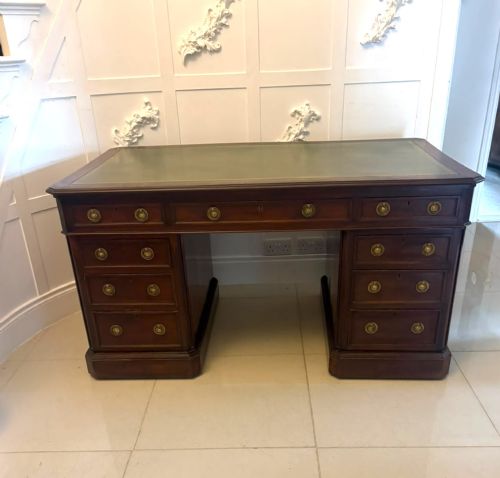
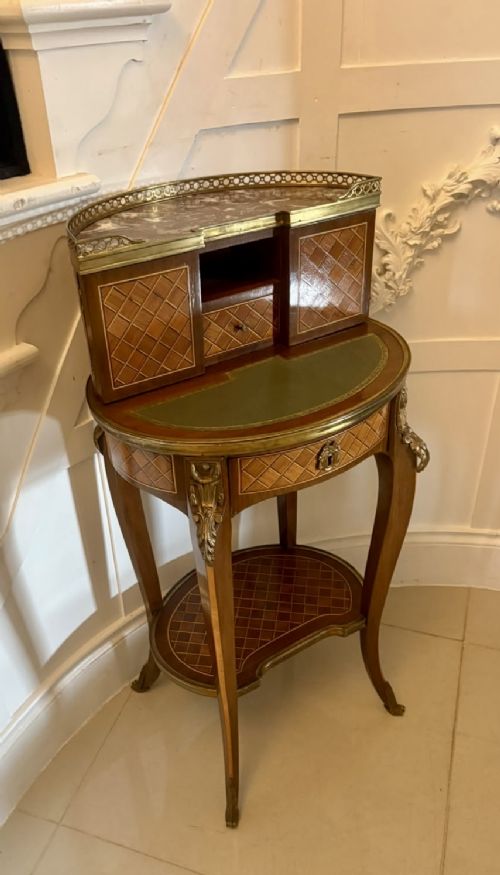
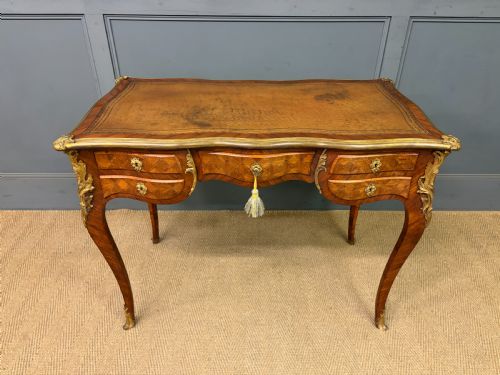
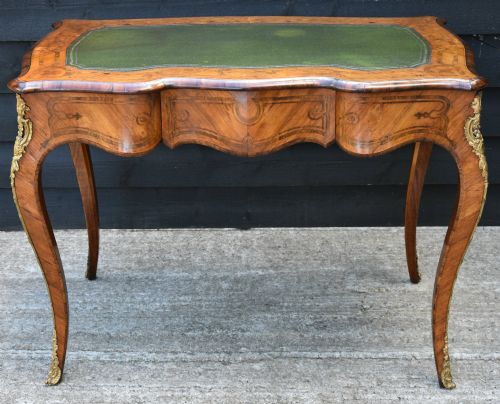
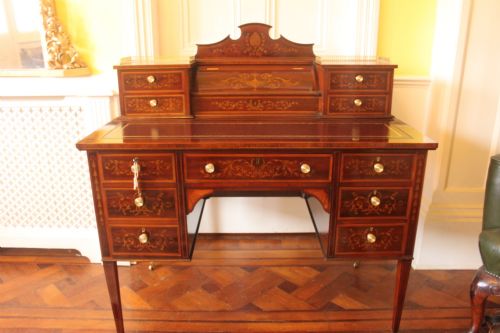
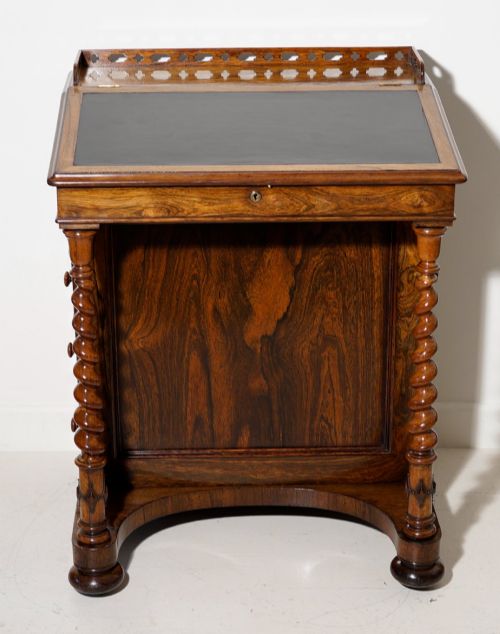
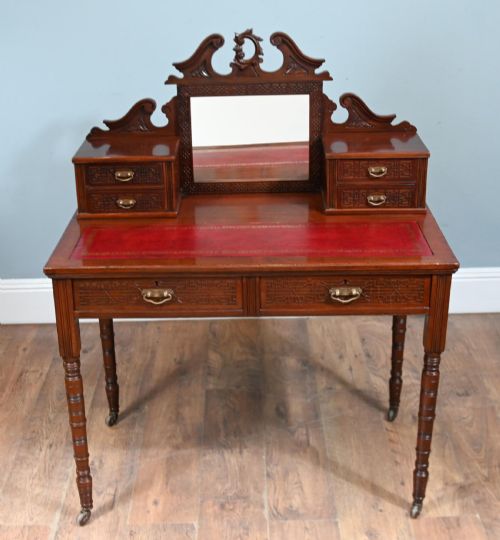
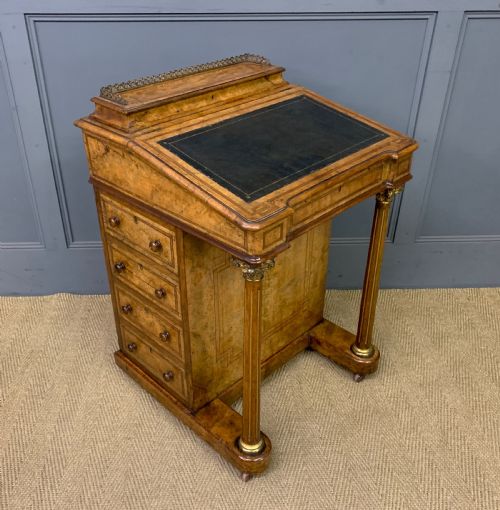
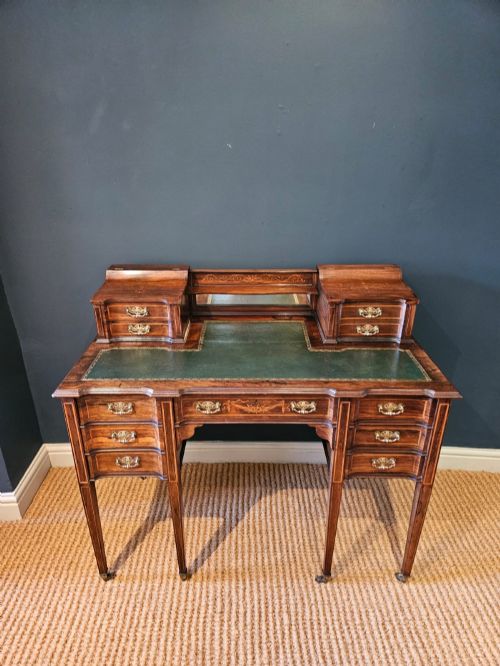
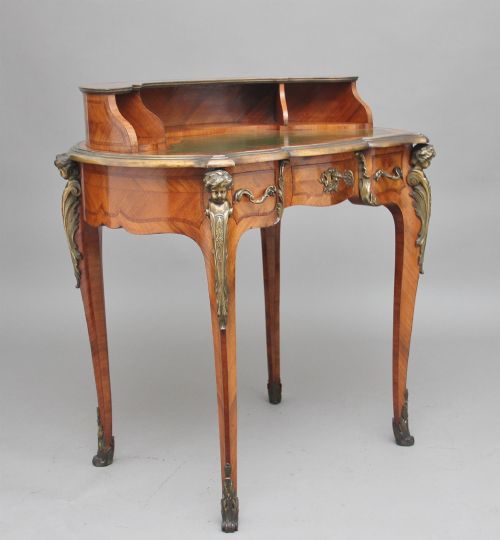
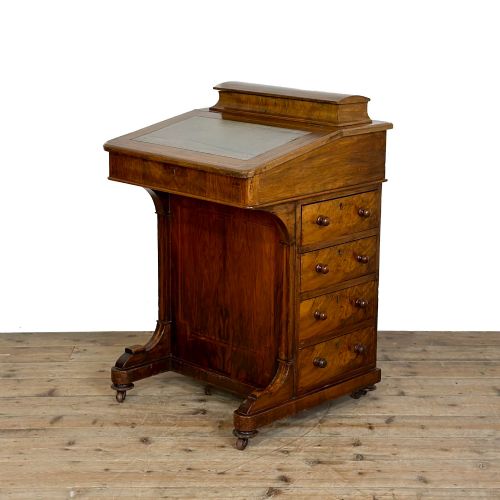
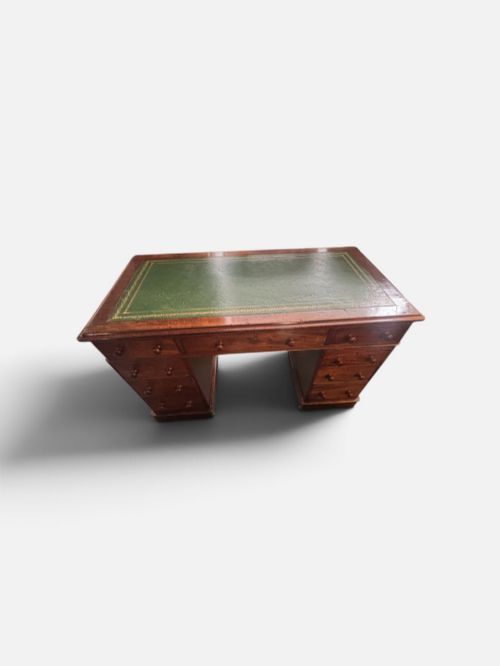
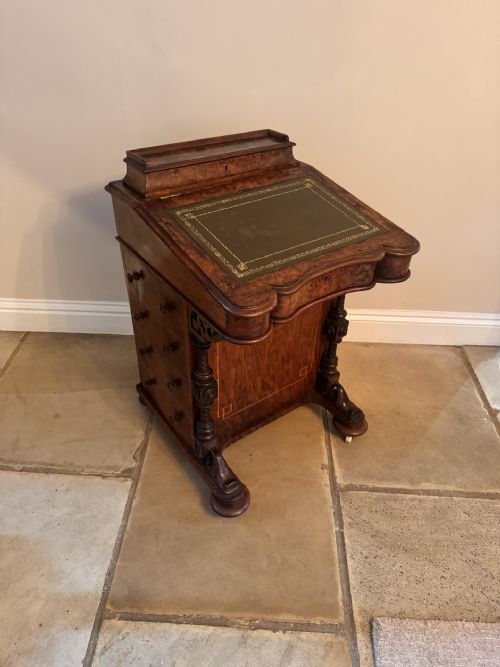
An antique leather bureau brings together practical storage compartments and a sloping or flat writing plane lined with hide, spanning periods from the eighteenth century through the Edwardian era. Buyers encounter freestanding pedestals, compact davenports, and elaborate French bureau plat models equipped with tooled surfaces.
English workshops and continental cabinetmakers produced these desks in mahogany, walnut, and exotic timbers like kingwood, incorporating fitted pigeonholes and small drawers within the writing section. The survival of original leather in red, green, or brown tones determines much of the historical character of each piece.
Revival styles from the Victorian and Edwardian periods sit alongside Regency and Georgian originals, offering diverse scales suitable for domestic studies and libraries. Each variation maintains the core function of a secure writing cabinet combined with a durable leather work surface.
Materials and construction methods
Cabinetmakers constructed carcass frames from solid timbers such as mahogany and oak, applying figured veneers including burr walnut, rosewood, and kingwood to prominent exterior surfaces. Brass hardware, ormolu mounts, and hand-tooled leather inserts completed the construction of these writing pieces.
Joinery techniques relied on dovetailed drawer construction and framed panels to accommodate timber movement across seasonal temperature changes. Writing surfaces utilised vegetable-tanned leather secured with adhesive and finished with blind or gilt tooling along the perimeter.
Several compact writing desks include hidden drawers released only by pressing secret wooden springs tucked away behind the pigeonholes.
Distinctions in execution and survival
Superior examples display exceptional figure in timber veneers such as flame mahogany or burr walnut, matched symmetrically across drawer fronts and writing flaps. The crispness of hand-carved details, ormolu mounts, and inlaid marquetry distinguishes workshop output from mass-produced commercial furniture.
Maple and Co·Gillows·François Linke·Edwards and Roberts·CH Jeanselme and Co·Wylie and Lochhead Glasgow
The Antique Leather Bureau Glossary
- Bureau plat
- A freestanding French writing table featuring a rectangular top inset with leather and one or more rows of drawers beneath the frieze.
- Davenport
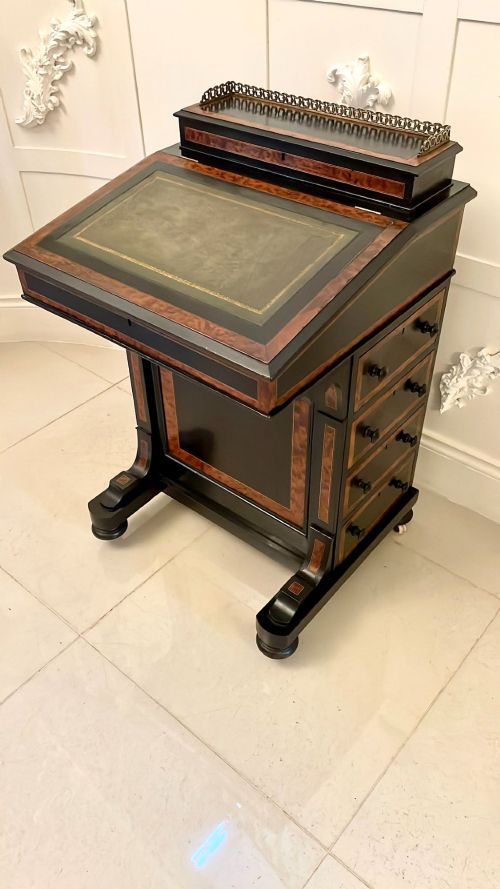
- A compact writing desk featuring a sloping lid with a leather writing surface, supported by a pedestal of drawers accessed from the side.
- Ormolu
- Gilded bronze mounts cast and chased by hand, applied to the corners and legs of continental and English tables.
- Carlton House desk
- A distinctive writing desk with a curved superstructure of small drawers and compartments surrounding a central leather-lined writing surface.
- Tooled leather
- Hide decorated along the borders with gold leaf or blind impressions using heated brass tools and rollers.
Antique Leather Bureau: Frequently Asked Questions
How do I care for antique leather?
Antique leather requires gentle cleaning using specialised conservation waxes and balms to prevent the hide from drying and cracking over time. Avoid modern chemical solvents that can strip the original blind or gilt tooling.
Maintaining stable room humidity preserves both the leather writing surface and the timber subframe beneath it.
What makes a davenport unique?
A davenport combines a sloped, leather-inset writing surface with a pedestal of side drawers, offering a compact footprint for smaller rooms. Many versions include a stationery box on top and secret compartments within.
This form gained popularity during the Regency and Victorian periods for domestic correspondence and boudoir use.
Are original leather tops common?
Original leather writing surfaces survive on pieces that avoided heavy commercial use or aggressive restoration. When present, they display natural patination, wear patterns, and gilt tooling appropriate to the age of the desk.
Many pieces received replacement leather during subsequent centuries to maintain a functional workspace.