



Antique Leather Accessories
These antique leather accessories range from rugged fire buckets and travel flasks to refined desk sets and cigar cases, combining utility with craftsmanship.
Antique Leather Accessories
Antique leather accessories comprise a diverse selection of functional objects spanning the eighteenth, nineteenth, and early twentieth centuries. Buyers seeking these items encounter everyday utilities and personal effects transformed by period craftsmanship into enduring decorative objects.
The material appears across utilitarian forms such as fire buckets, bellows, and boot stretchers, alongside personal items like cigar cases, vanity sets, and jewellery boxes. Victorian and Edwardian examples dominate the selection, accompanied by earlier Georgian pieces and later Art Deco designs.
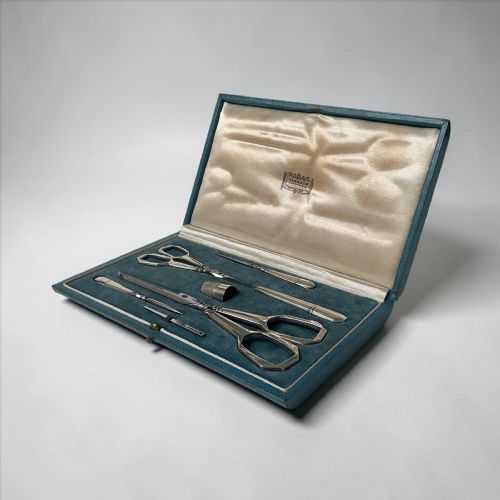
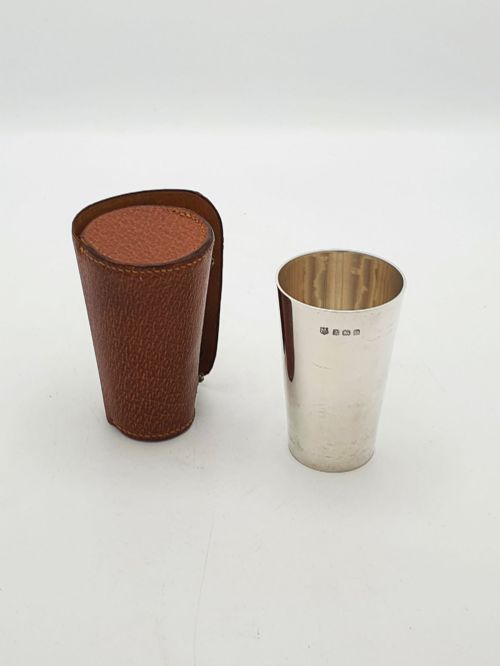
Many of these objects incorporate protective housings or fitted cases designed for travel, sport, or domestic organisation. The inventory includes desk accessories, games boards, stamp boxes, and specialised flasks tied to nineteenth and early twentieth-century lifestyles.
Materials and construction
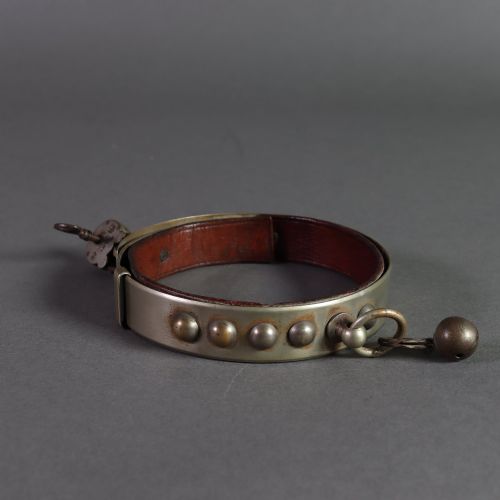
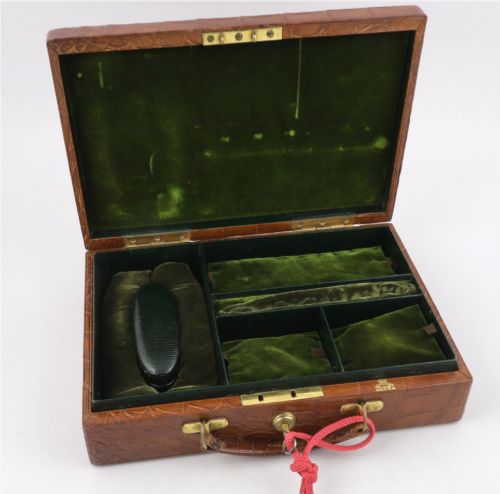
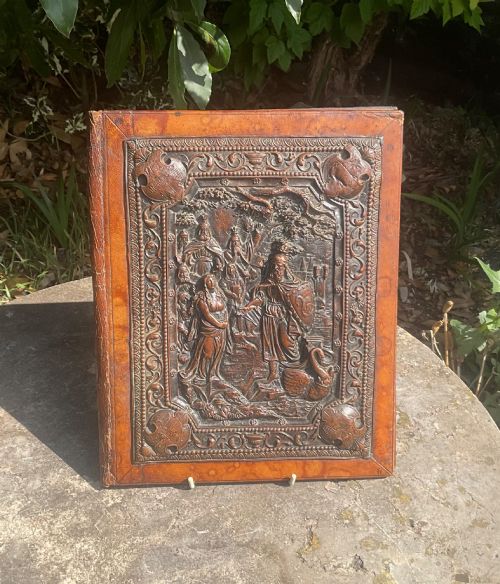
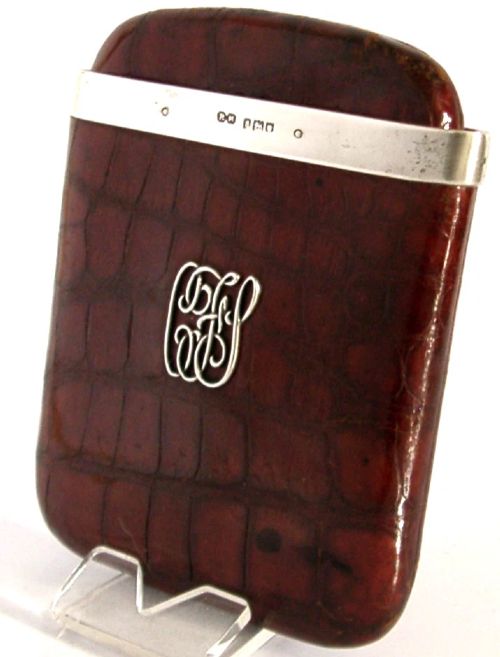
Makers utilised bovine hide, bridle leather, and exotic skins such as crocodile leather, often shaping them around rigid wooden or metal cores. Tooled surface decoration, hand-stitching, and studded brass detailing characterise the construction of these utilitarian and luxury goods.
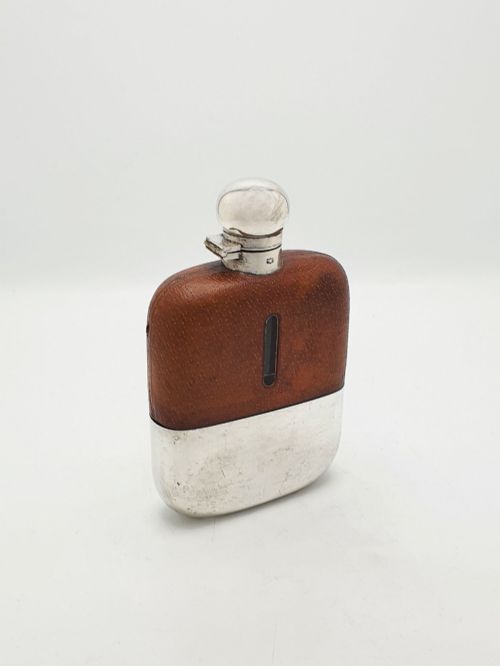
Precious metals including sterling silver, gold, and brass frequently mount or line the leather bodies of desk sets, flasks, and cases. Internal fittings incorporate velvet linings, glass bottles, and paper components designed for writing instruments or gaming counters.
Antique Leather Accessories Retail Price Guide 2026
Typical asking prices for leather accessories among the pieces listed under this phrase on Sellingantiques today, from the lower quarter to the upper quarter. They describe what is for sale here now, not the wider market.
The listings encompass nineteenth-century desk accessories, Edwardian silver-mounted novelties, and Georgian leather fire buckets.
Judgments of quality
Quality rests upon the integrity of the hide, the precision of the hand-tooling, and the integration of secondary materials such as silver mounts or brass hardware. Pieces retaining original fitted interiors, working locks, and maker marks demonstrate superior original manufacture.
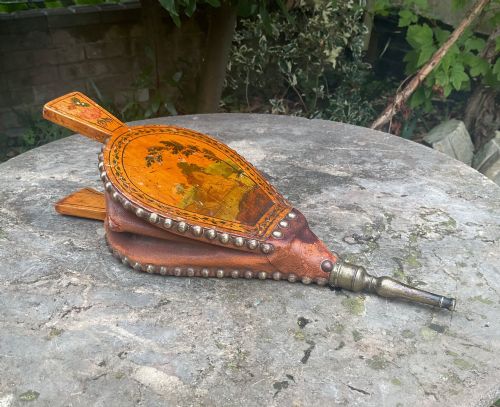
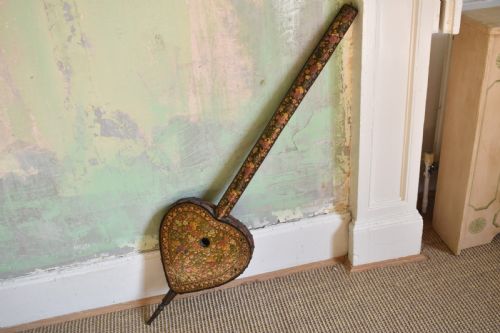
The distinction between standard domestic items and elite workshop production lies in the depth of decoration, such as hand-painted panels on bellows or finely chased silver closures on vanity cases and cigar holders.
Edwards and Jones·Carl Heiss Vienna·J C Vickery·Liberty and Co·Cartier·Maxwell London·Auguste Robert Kauffman·Walter and George Myers·Ludwig Krumm·JW Allen
The Antique Leather Accessories Glossary
- Bellows
- A device constructed with flexible leather sides and wooden boards used to pump air into a fire. Pairs often feature hand-painted decorations or brass nozzle fittings.
- Cigar case
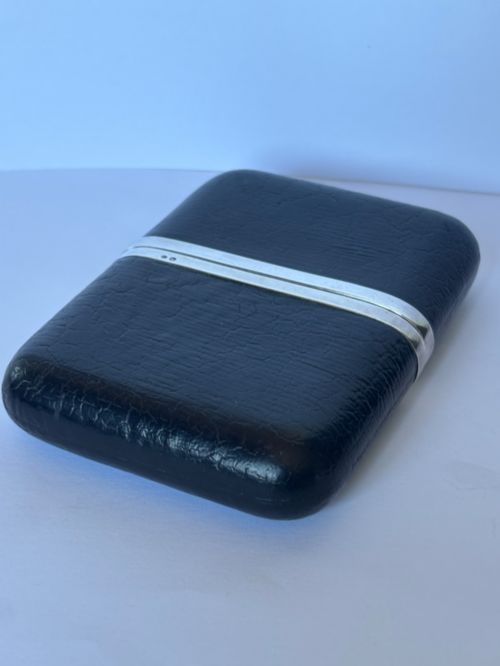
- A rigid or semi-rigid pocket container designed to protect cheroots and cigars from damage. Many examples use crocodile leather paired with sterling silver frames.
- Desk set
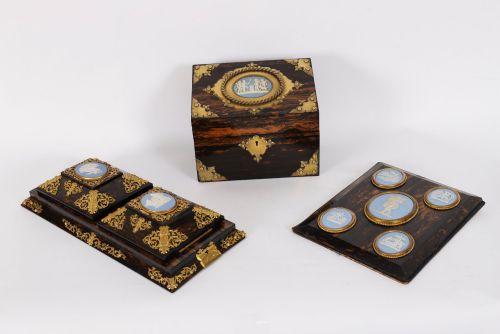
- A coordinated collection of writing equipment, blotters, and inkwells placed upon a desk. Finer sets incorporate materials like coromandel wood, jasperware, and ormolu.
- Fire bucket
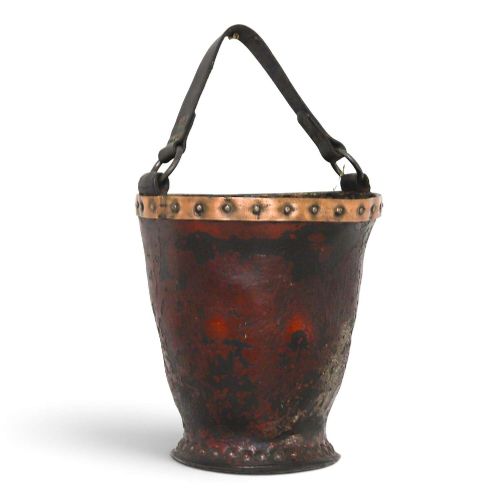
- A heavy leather bucket historically filled with water for firefighting duties. Eighteenth and nineteenth-century examples often display painted crests or dates.
- Whist counter
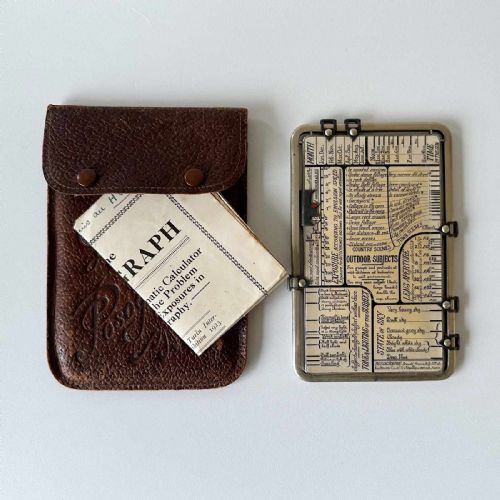
- A small mechanical or manual device used to keep score during card games. They frequently survive inside custom-fitted leather storage boxes.
Antique Leather Accessories: Frequently Asked Questions
What are antique leather accessories used for?
These items served practical domestic, travel, and recreational functions in past centuries, ranging from extinguishing fires to housing tobacco and writing letters.
Today, collectors use them as decorative desk furnishings, storage boxes, or display pieces that reflect historical lifestyles and past craftsmanship.
How do I care for antique leather objects?
Keep leather items away from direct sunlight and excessive moisture to prevent the material from drying out, cracking, or warping over time.
Dust surfaces gently with a soft, dry cloth and avoid modern chemical cleaners that might strip historical finishes or damage metal mounts.
How can I tell the period of a leather accessory?
Dating relies on stylistic clues, accompanying metal hallmarks, and the specific construction techniques used in the stitching, locks, and internal fittings.
Victorian and Edwardian pieces often feature distinct silver hallmarks with date letters, while Georgian items display heavier utilitarian construction.
Were these items mass-produced?
Many Victorian and Edwardian accessories emerged from established workshops and luxury retailers rather than solitary artisans, though production methods remained largely manual.
Specialised items like fire buckets and boot stretchers involved heavy manual leatherworking trades, whereas luxury vanity cases and cigar boxes involved skilled silversmiths.