



Antique Laughing Buddha
These antique laughing buddha sculptures and figures are joyful representations of Budai, prized for bringing cheer and prosperity to any room.
Antique Laughing Buddha
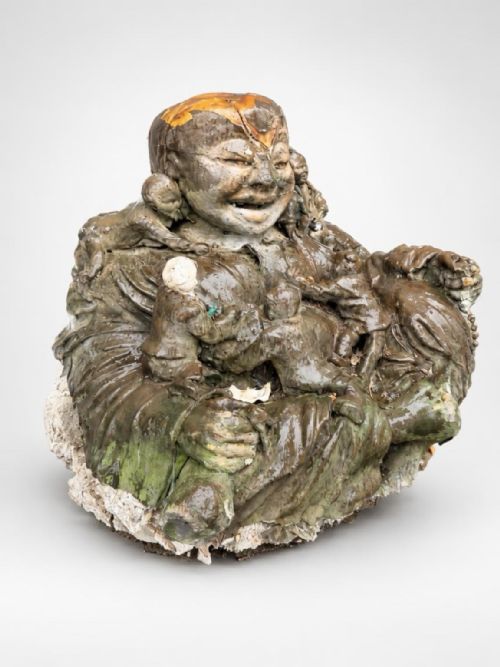
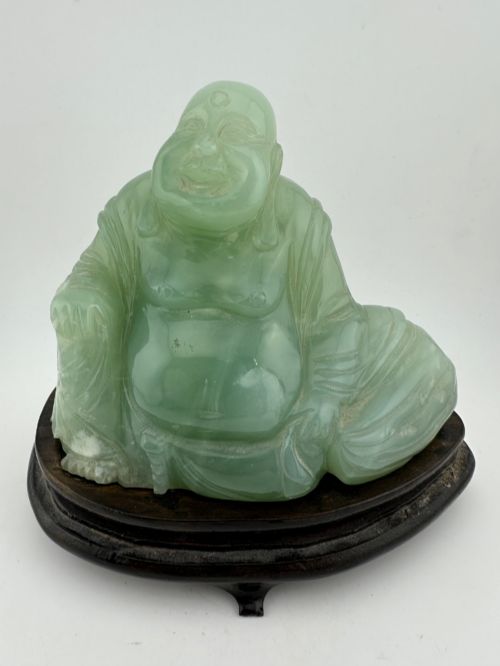
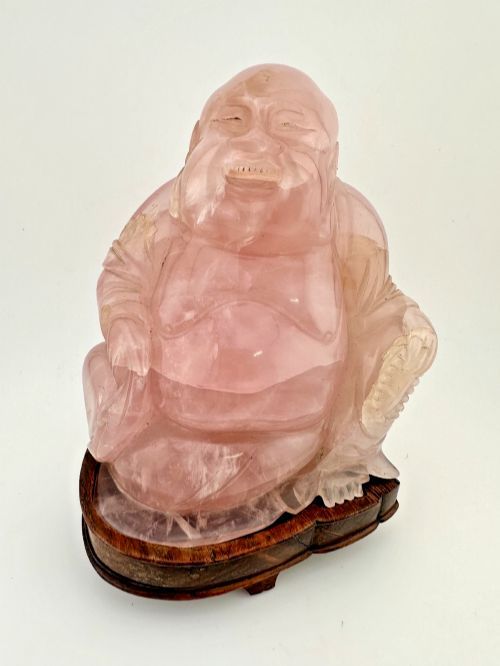
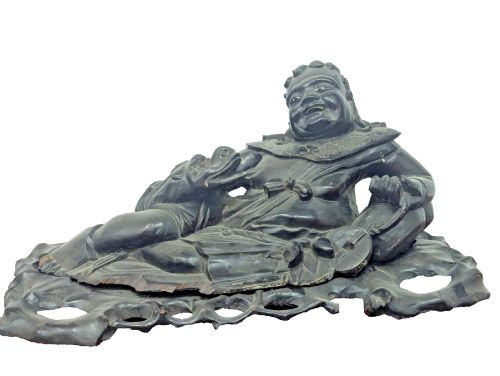
An antique laughing buddha figure represents the monk Budai, known for his corpulent frame and joyous expression across various cultural traditions. These sculptures appear in forms such as statues, figurines, vases, and desk seals.
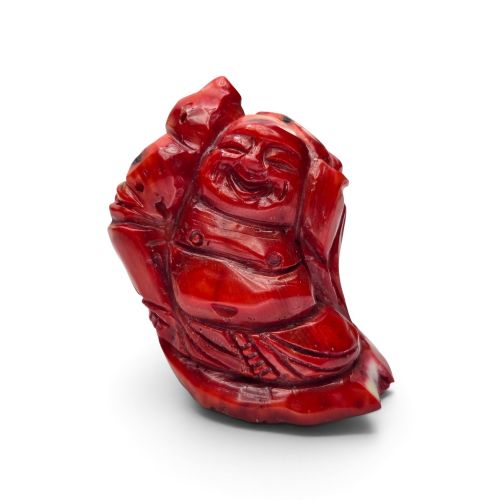
Materials range from carved hardwood and precious red coral to porcelain, bronze, brass, soapstone, and rose quartz. Many figures include custom wooden stands or depict the figure alongside children, known as karako.
How they were made
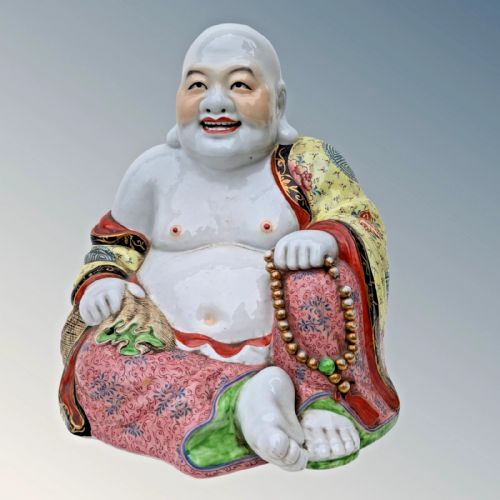
Metal sculptures utilise casting techniques in bronze and brass, sometimes enhanced with gilding or applied gold finishes. Potters fashioned porcelain and ceramic figures, applying famille rose enamels, yellow glazes, or fine crackle glazes before firing.
Antique Laughing Buddha Retail Price Guide 2026
Typical asking prices for laughing buddha among the pieces listed under this phrase on Sellingantiques today, from the lower quarter to the upper quarter. They describe what is for sale here now, not the wider market.
What varies in quality
Quality rests upon the expressiveness of the carving and the fluidity of the posture, distinguishing a lifelike, humorous depiction from a stiff execution. Master carvers captured the folds of cloth and the ripple of the belly with anatomical conviction.
Material selection dictates much of the stature of a piece, separating common brass castings from finely chased bronze or flawless rose quartz. The presence of original fitted wooden stands and intact polychrome enamels elevates the integrity of surviving examples.
Zhu Mao Ji
The Antique Laughing Buddha Glossary
- Budai
- The eccentric tenth century Chinese monk who became accepted as an incarnation of Maitreya Buddha, traditionally portrayed as a bald, laughing man with a large exposed belly. He is the central subject of these sculptures.
- Famille Rose
- A palette of opaque rose pink enamel introduced to Chinese ceramics during the Qing dynasty. It allowed artisans to paint subtle tonal gradations on porcelain figures.
- Meiji
- The period in Japanese history spanning from eighteen sixty eight to nineteen twelve. Works from this era display exceptional technical refinement in Satsuma ceramics and metalwork.
- Soapstone
- A talc schists mineral valued by carvers for its softness and soapy texture. It takes a smooth polish and allows for intricate detail in desk seals and small figures.
- Karako
- Japanese depictions of Chinese children playing, frequently shown swarming around figures like Hotei. They symbolise fertility and joyous domestic life.
Antique Laughing Buddha: Frequently Asked Questions
What is the difference between Hotei and Budai?
Budai is the original Chinese folk hero monk, whilst Hotei is his Japanese equivalent in folklore and art. Both represent generosity and contentment.
Japanese Meiji representations often incorporate distinct local artistic conventions whilst retaining the familiar corpulent form.
How do I care for a hardwood statue?
Keep wooden and soapstone sculptures away from direct sunlight and dramatic changes in humidity to prevent splitting. Dust gently with a dry, soft cloth rather than using liquid polishes.
Rose quartz and porcelain pieces tolerate light cleaning with a damp cloth if dried immediately afterwards.
Are these figures purely decorative?
Historically, these sculptures served both spiritual and decorative roles within homes, symbolising contentment, good luck, and abundance. Many households placed them where they could be seen upon entering a room.
Certain items, such as soapstone seals, also served practical administrative functions alongside their figural significance.
How can I tell a Qing dynasty piece?
Qing dynasty and nineteenth century pieces display traditional garment folds, hand-carved tool marks, and natural material patination built up over generations. Porcelain versions often feature period-specific enamel palettes and glazing characteristics.
Examining the base and any associated wooden stands provides further clues regarding age and origin.