
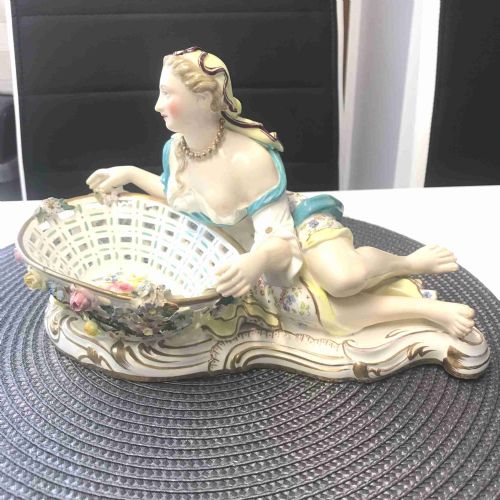


Antique Lattice Ceramic Bowl
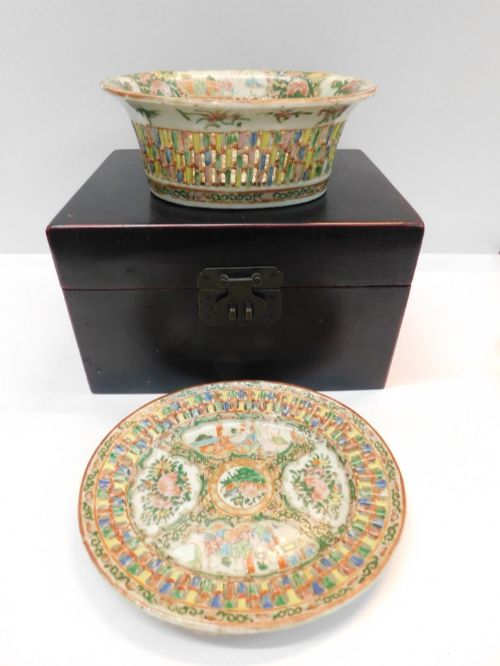
These antique lattice ceramic bowl pieces combine pierced earthenware, porcelain and enamel craftsmanship across Georgian, Victorian and Qing Dynasty periods.
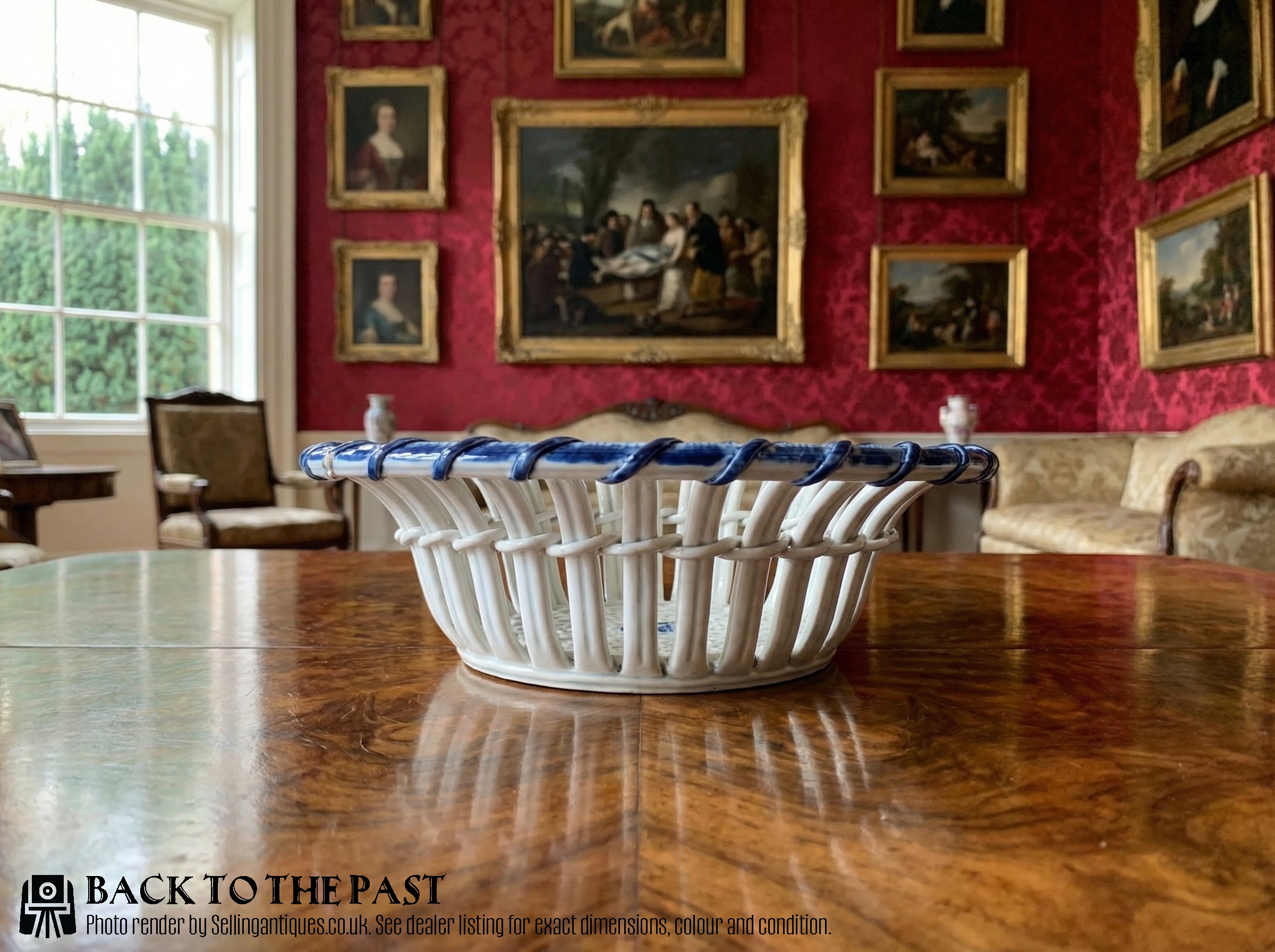
Antique Lattice Ceramic Bowl
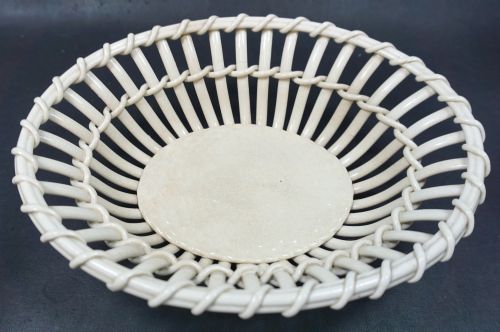
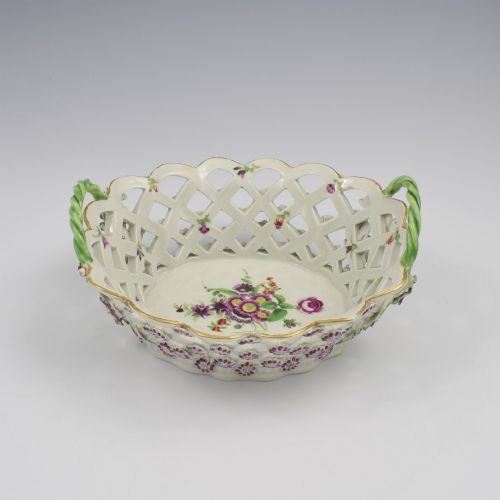
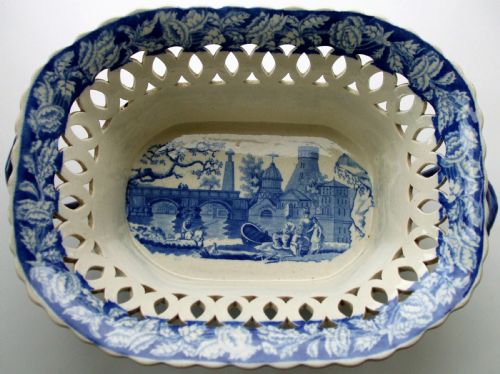
An antique lattice ceramic bowl comprises pierced baskets, chestnut dishes, sweetmeat vessels and centrepieces formed with openwork walls. These objects serve decorative and functional table uses across the eighteenth and nineteenth centuries.
The pieces on this page span Georgian, Victorian and Qing Dynasty eras, taking forms such as Chinese export vessels, English cream ware and continental porcelain sweet baskets. Buyers encounter chestnut baskets with matching stands, figural centrepieces and handled dishes.
Makers from English factories, German workshops and Chinese export kilns shaped these vessels using hard-paste porcelain, soft-paste porcelain, earthenware and pearl glaze. Pierced lattice patterns and reticulated walls define the group.
How they were made
Potters shaped hard-paste and soft-paste porcelain, earthenware and pearl glaze into intricate basket forms, utilising hand-piercing and reticulation techniques to cut openwork lattice patterns into the clay before firing. Many vessels incorporate moulded floral elements, applied leaves and twisted handles.
Painters applied polychrome enamels, blue and white transfer prints, gold leaf and gilding over the glazed surfaces. Factory traditions from Derby, Worcester, Meissen, Wedgwood and Chinese export kilns governed the specific firing and decoration processes.
Listings feature items from the 18th Century, 19th Century, Georgian and Victorian periods, utilising porcelain, earthenware, enamel and gold leaf.
What varies in quality
The precision of the reticulation and the crispness of the pierced lattice work separate standard vessels from finer productions. Cleanly cut openings and balanced proportions indicate superior workshop standards.
The execution of hand-painted polychrome enamel, transfer printing and gold leaf application dictates visual distinction. Skilled brushwork on floral motifs and figural additions elevates the piece.
J. & R. Clews·Plaue Schierholz
The Antique Lattice Ceramic Bowl Glossary
- Reticulated
- Pierced or netted work resembling a network or lattice. This decorative technique creates openwork walls on baskets and bowls.
- Chestnut basket
- A specialised covered vessel designed for serving chestnuts at the table. These often include an accompanying stand and pierced body.
- Hard-paste porcelain
- A durable ceramic composition fired at very high temperatures. It uses kaolin and petuntse to achieve a dense, vitrified body.
- Sweetmeat dish
- A small compartmented or open vessel used for serving confectionery and sweet preserves. They appear in porcelain and earthenware.
- Pearl glaze
- A clear lead glaze with a faint bluish or pearly tint. Potters utilised this finish on English earthenware during the early nineteenth century.
Antique Lattice Ceramic Bowl: Frequently Asked Questions
How do I date an antique lattice ceramic bowl?
Dating relies on identifying material characteristics such as soft-paste versus hard-paste porcelain, pearl glaze, or cream ware bodies. Decorative styles including Rococo, blue and white transfer prints, and Chinese export famille rose palettes provide further chronological markers.
Factory marks, when present, narrow the origin to specific eighteenth and nineteenth-century kilns across England, Germany and China.
How do I care for antique porcelain baskets?
Wash these pieces gently by hand using lukewarm water and mild soap, avoiding dishwashers entirely. The delicate pierced lattice walls and applied enamel or gold leaf decoration require careful handling.
Display the vessels away from direct sunlight and sudden temperature shifts to protect the ceramic body and glaze.
What is the difference between porcelain and earthenware bowls?
Porcelain bodies are vitrified, dense and non-porous, produced from high-fired clay mixtures like hard-paste or soft-paste. Earthenware utilises lower firing temperatures and opaque glazes such as pearl glaze or cream ware.
Lattice ceramic bowls appear in both mediums depending on whether they originated from English potteries or porcelain manufactories.