


Regency Ceramic Basket
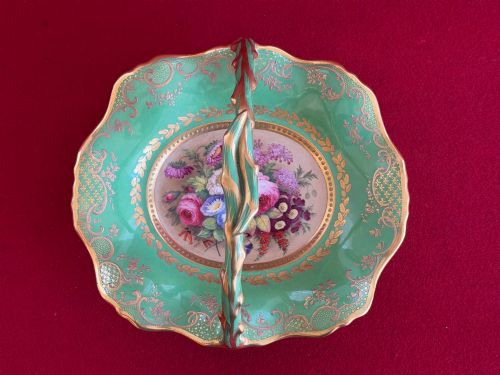
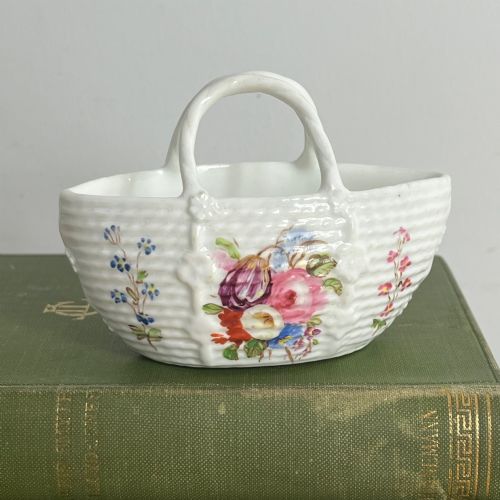
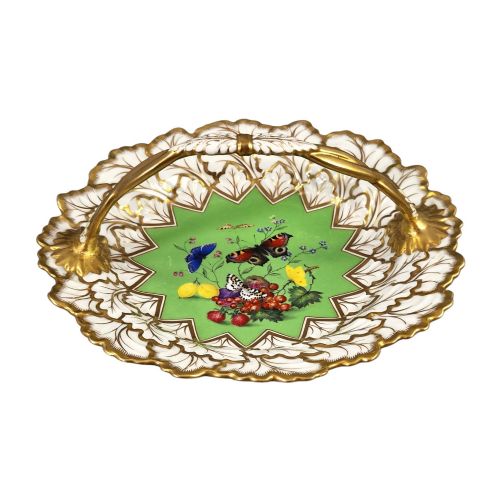
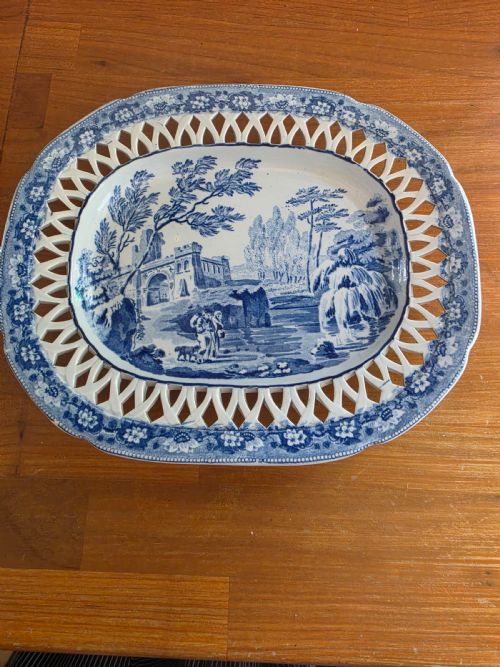
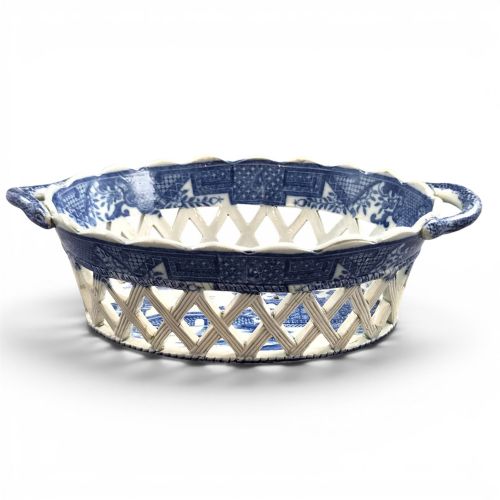
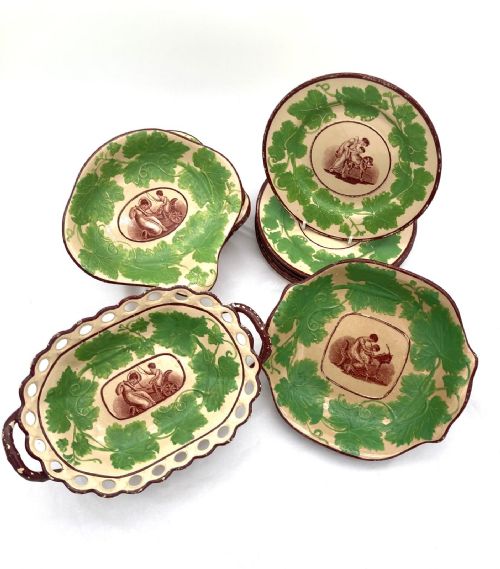
These regency ceramic basket examples combine classic nineteenth century forms with handpainted flowers, blue and white transfer printing, and reticulated details.
Regency Ceramic Basket
When you search for a regency ceramic basket, you enter a field of early nineteenth century tableware designed for fruit, chestnuts, or dessert service presentation. The pieces you meet on this page span the Regency, Georgian, and wider nineteenth century periods, taking the form of decorative baskets, reticulated chestnut baskets, platters, and sauce tureens.
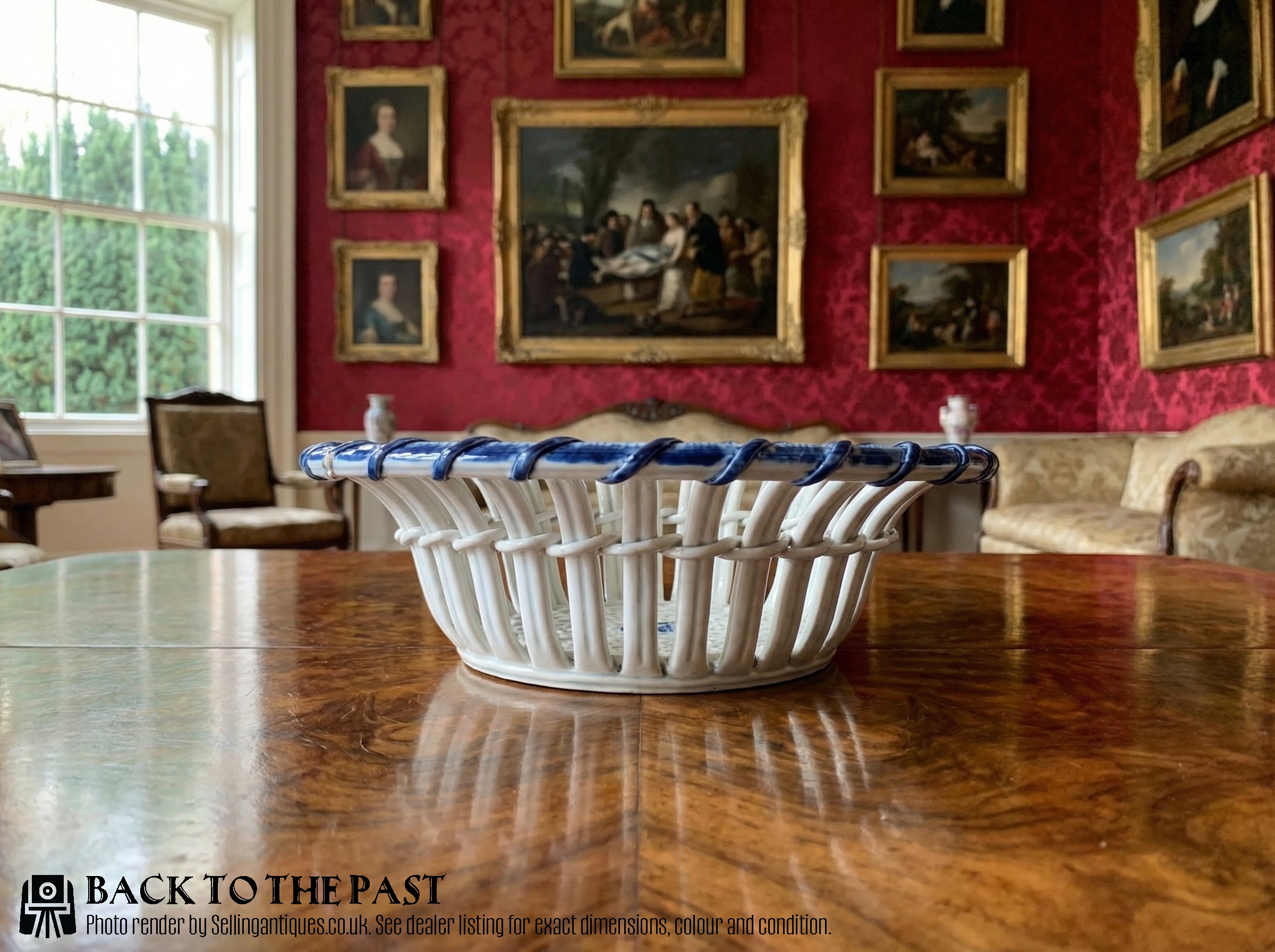
Most items belong to the Regency era, featuring openwork fretted walls or pierced sides meant for aeration at the dining table. Makers utilised earthenware, porcelain, and pearlware, applying glaze and occasionally gold leaf or gilding to elevate the service.
You will encounter notable Worcester porcelain pieces alongside transfer printed blue and white pottery, alongside Mason's ironstone china in the Japan Basket pattern. These objects served functional dining roles before evolving into purely decorative centrepieces for the home.
How they were made
Makers shaped these vessels from body materials including porcelain, earthenware, pearlware, and ironstone, often piercing the clay while soft to create fretted or reticulated basketry walls. Transfer printing allowed workshops to apply intricate blue and white patterns uniformly across complex curved surfaces.
Painters applied enamel colours by hand over or under the glaze, particularly on porcelain dessert baskets featuring floral motifs. Gilding and gold leaf highlights were added in the final stages to accent rims, handles, and pierced borders before high temperature kiln firing.
Listings span the Regency and Georgian periods, utilising materials from earthenware and pearlware to porcelain.
What varies in quality
The refinement of the clay body and the crispness of the pierced reticulation set the baseline for quality across these early nineteenth century pieces. Finer porcelain bodies allow for thinner, more delicate basket walls than heavier earthenware or ironstone.
Artistic execution distinguishes standard transfer printed wares from handpainted porcelain decorated by skilled factory artists. The precision of the gilding and the clarity of the enamel flower painting mark the difference between everyday utility ware and high status dessert service pieces.
Flight Barr And Barr·Davenport·Spode·Mason
The Regency Ceramic Basket Glossary
- Reticulated
- Pierced or netted decoration forming an openwork pattern. This technique was used on chestnut baskets to allow ventilation.
- Pearlware
- An refined earthenware developed in the late eighteenth century featuring a pale bluish glaze pooling in crevices. It bridges the gap between creamware and white earthenware.
- Transfer printing
- A method of applying pre-printed engravings from a copper plate onto ceramic surfaces via tissue paper. This technique enabled consistent blue and white willow patterns.
- Ironstone
- A heavy, durable type of earthenware patented in the early nineteenth century. It resists chipping and served well for heavy use items like sauce tureens.
- Sauce tureen
- A covered serving dish designed for liquids or gravies at the dining table. They frequently matched larger dessert or dinner services.
Regency Ceramic Basket: Frequently Asked Questions
What were ceramic baskets used for?
These pieces served practical dining functions during the Georgian and Regency periods, holding fresh fruit or warm chestnuts at the table.
Over time, many transitioned into decorative display objects within the dining room or drawing room.
How do I date a regency ceramic basket?
Dating relies on identifying material types, such as early pearlware versus later ironstone, alongside characteristic factory marks and transfer print styles.
Pieces from this era typically display Regency or early nineteenth century stylistic markers.
What is the difference between porcelain and pearlware baskets?
Porcelain provides a translucent, finer body suited to delicate handpainted floral decoration by factory artists.
Pearlware utilises a refined earthenware body with a faint bluish glaze, often decorated with blue and white transfer prints.
How do I care for antique ceramic baskets?
Gentle dusting with a soft cloth preserves the fragile reticulated walls and delicate enamel or gilt highlights.
Harsh cleaning agents and dishwashers should be avoided entirely to protect the nineteenth century glaze and decoration.