


Antique Landscape Porcelain Dish
An antique landscape porcelain dish brings hand-painted scenery and historic ceramic craftsmanship directly to the table or cabinet.
Antique Landscape Porcelain Dish
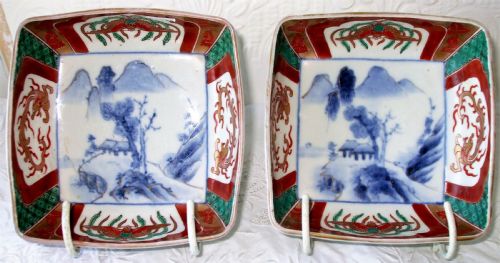
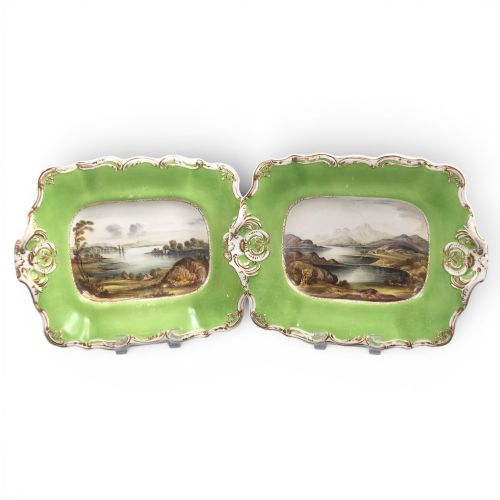
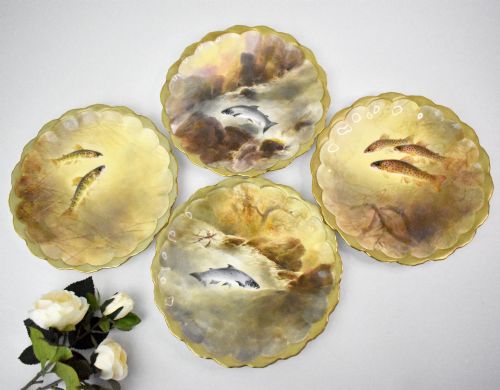
An antique landscape porcelain dish encompasses items such as cabinet plates, serving platters, decorative baskets, and tureens decorated with painted views. The selection draws together pieces from the eighteenth and nineteenth centuries, including Victorian, Georgian, and Edwardian examples.
How they were made
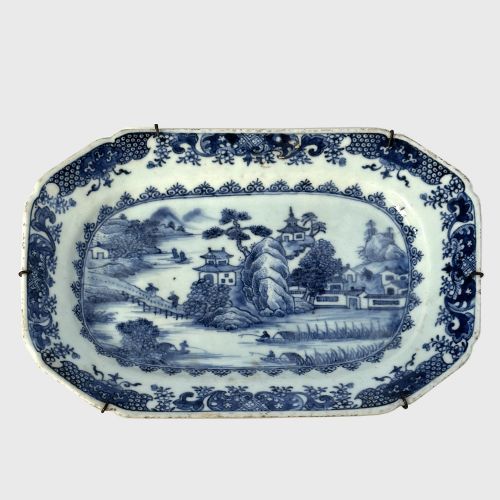
Potters shaped these items from hard-paste porcelain, bone china, and traditional paste bodies before applying cobalt underglaze or polychrome enamel pigments. Many pieces incorporate raised details, gold leaf gilding, and intricate flower encrustations.
Skilled painters executed detailed landscape scenes by hand, often recording topographical views from Britain and abroad. Firing in kilns set the hand-painted pigments and glossy glaze finishes permanently into the ceramic surface.
The listings on this page span the 18th century, 19th century, Victorian, Georgian, and Edwardian periods, utilising materials such as bone china, gold leaf, and enamel.
What varies in quality
Quality rests heavily on the skill of the artist responsible for the hand-painted landscape. Finer items display delicate brushwork, precise topographical detail, and sophisticated colour palettes rather than hurried decoration.
The prestige of the maker and the complexity of the ceramic body also determine value. Elaborate mouldings, heavy gold leaf application, and specialised techniques like jewel enamelling separate standard utility wares from exceptional cabinet pieces.
Copeland & Garrett·Royal Doulton·Mintons·Rockingham·Coalport·Barr Flight Barr·Aynsley·Royal Worcester
The Antique Landscape Porcelain Dish Glossary
- Cabinet plate
- A decorative ceramic plate intended for display in a cabinet or on a wall rather than for everyday dining. These items usually feature intricate hand-painted motifs.
- Cobalt underglaze
- A blue pigment applied to the raw ceramic body before glazing and firing. This technique protects the vibrant blue colour beneath a glossy protective layer.
- Hard-paste porcelain
- A durable ceramic material composed of kaolin and petuntse fired at high temperatures. It resists scratching and produces a bright white vitreous body.
- Enamel
- Opaque glass-like pigments applied over the fired glaze and fixed with a lower temperature kiln firing. Enamels provide the bright secondary colours found on many landscape plates.
Antique Landscape Porcelain Dish: Frequently Asked Questions
How do I clean an antique landscape dish?
Wash these ceramic items gently by hand using lukewarm water and mild soap.
Avoid soaking them or placing them in a dishwasher, as harsh detergents and scrubbing can damage hand-painted enamels and gold leaf.
Were these dishes used for dining?
Some items served practical roles on the dining table for meat, dessert, or cream.
Others functioned purely as decorative cabinet pieces designed to showcase wealth and artistic taste.
How do I identify the maker?
Look on the reverse side of the dish for impressed stamps, painted factory marks, or pattern numbers.
Matching these symbols against historical ceramic reference guides reveals the specific pottery and approximate date of manufacture.
What subjects appear on the landscape?
Painters recorded British lakes, Scottish views, coastal landmarks, and imaginary foreign scenes.
Some plates specifically name the depicted location on the back or within the painted border.