


Antique Pink Ceramic Plate
An antique pink ceramic plate brings distinctive colour and historic hand-painted detail to a table, spanning centuries of global pottery traditions.
Antique Pink Ceramic Plate
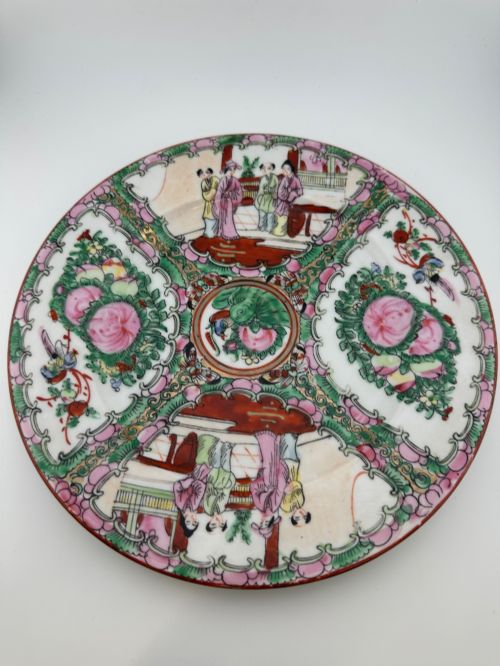
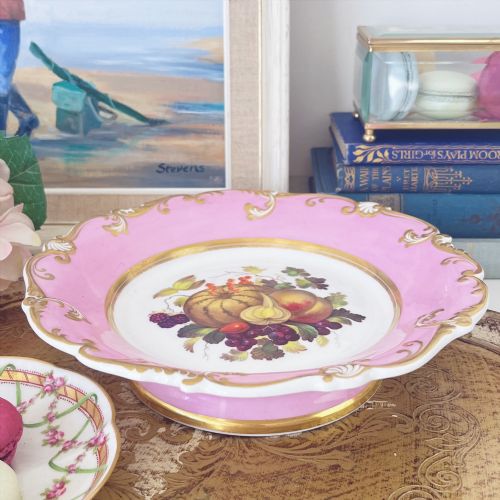
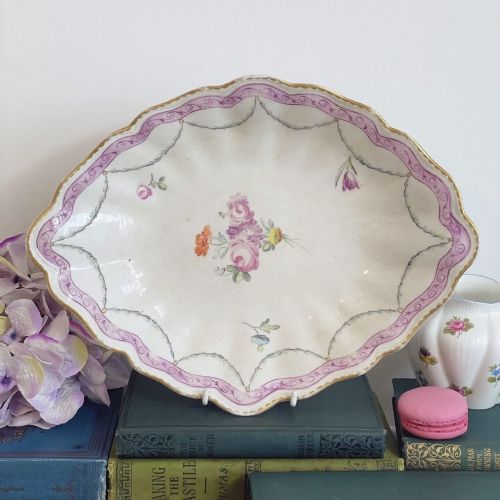
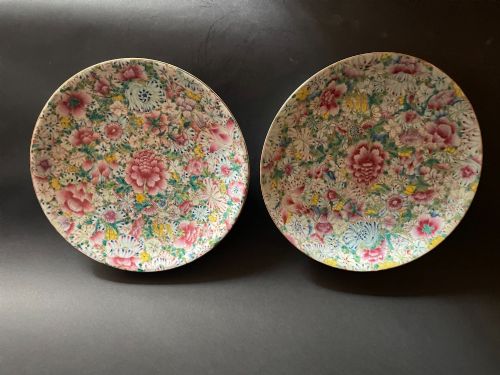
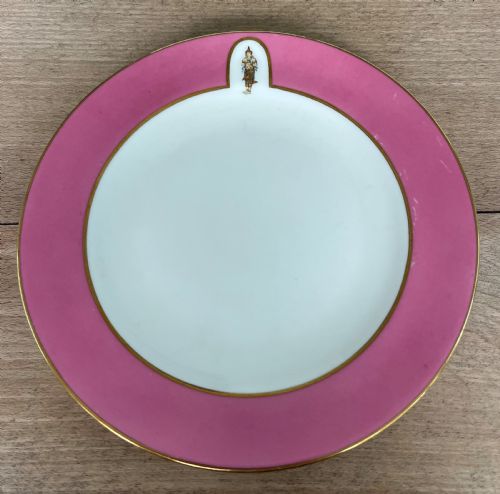
An antique pink ceramic plate encompasses diverse forms such as cabinet plates, serving dishes, chargers, and comports created across the eighteenth, nineteenth, and early twentieth centuries. These items originate from renowned European factories and Chinese export workshops, reflecting varied regional tastes and domestic functions.
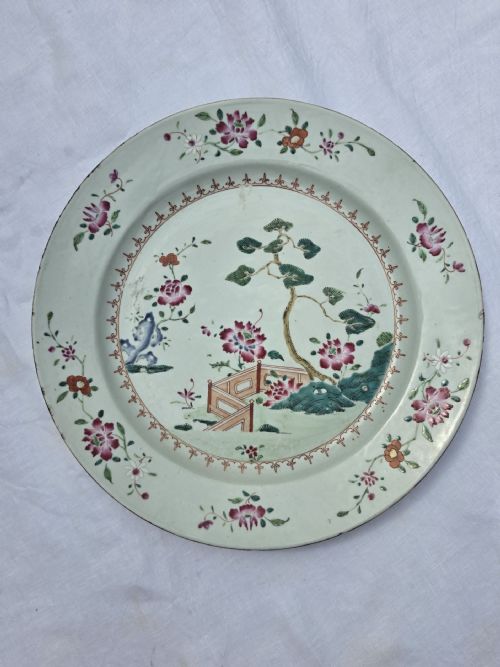
The pink colouration appears through diverse techniques, taking the form of rich rose enamel, soft puce camaieu, delicate pink grounds, and Famille Rose palettes. Buyers encounter English porcelain and earthenware alongside Chinese export porcelain and continental ceramic wares.
Examples range from utilitarian serving dishes to decorative cabinet plates commissioned for royal courts and wealthy households. Each piece records the specific decorative idioms of periods spanning from the Georgian era to the Edwardian years.
Materials and Techniques
Makers utilised porcelain and earthenware bodies, shaping them into plates, chargers, and oval dishes before applying complex ceramic glazes. These dense clay bases provided stable foundations for intricate surface decoration.
Artisans applied polychrome enamel, gold leaf, and gilding by hand, sometimes combining raised pearl jewelling or pate-sur-pate techniques with painted fruit, landscapes, and armorial crests. Firing fixed these metallic oxides and mineral pigments into the glossy glaze surfaces.
Listings feature items from the eighteenth, nineteenth, and early twentieth centuries, spanning Georgian, Victorian, and Edwardian periods.
Quality and Execution
The standard of a piece rests upon the precision of the hand-painted brushwork, particularly in complex figural scenes, botanical studies, and armorial crests. Superior examples display crisp detail and confident pigment application by named artists or major factory workshops.
The refinement of the ceramic body and the depth of the glaze dictate overall excellence, where translucent porcelain and evenly distributed enamel colours elevate a dish from standard utilitarian ware to high-status cabinet pieces.
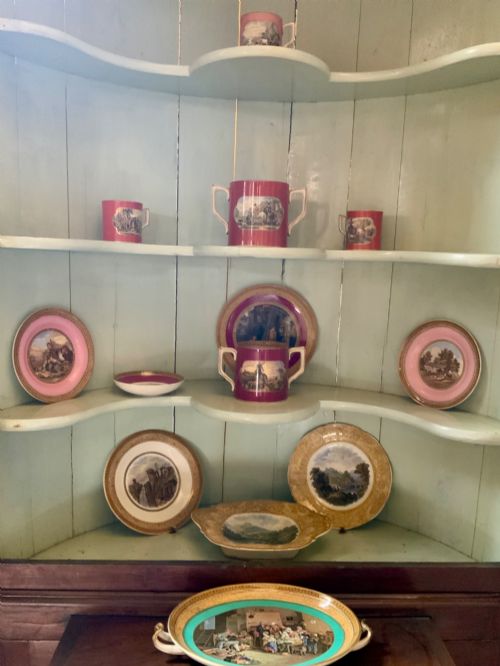
H and R Daniel·Derby·Staffordshire Prattware·Cauldon Ltd·Furstenberg·Kornilov Brothers·Minton·Chamberlain Worcester·Royal Worcester·Chelsea·Barr Flight and Barr
The Antique Pink Ceramic Plate Glossary
- Famille Rose
- A palette of Chinese porcelain decoration dominated by opaque pink enamel introduced during the Qing dynasty. This technique allowed for nuanced shading in floral and figural motifs.
- Puce Camaieu
- A monochromatic painting style using shades of purplish-pink or brownish-red enamel. It gained popularity on eighteenth-century European faience and porcelain.
- Comport
- A raised dish or tazza used for serving fruit or sweetmeats at dessert courses. Thesefooted vessels sat prominently in the centre of formal dining tables.
- Armorial
- Ceramic ware decorated with a specific family coat of arms or heraldic insignia. Wealthy patrons commissioned these bespoke services from Chinese export and European factories.
- Pate-sur-Pate
- A method of ceramic decoration where liquid white clay is built up in successive layers on a coloured ground to create a low relief cameo effect.
Antique Pink Ceramic Plate: Frequently Asked Questions
How were these plates used historically?
Plates and dishes served practical dining functions during formal meals, particularly for dessert courses where fruit and sweetmeats were presented on raised comports and decorative platters.
Finer cabinet pieces and chargers remained on display in reception rooms or were commissioned to commemorate specific royal and familial alliances.
How do I identify eighteenth-century Chinese export pieces?
Eighteenth-century Chinese export items typically feature resonant Famille Rose enamel palettes, distinct potting characteristics, and specific trade motifs intended for European markets.
These pieces often combine traditional Chinese forms with Western armorial or floral commissions from the Qianlong period.
What is the difference between earthenware and porcelain?
Earthenware utilises porous clay fired at lower temperatures, resulting in heavier, opaque bodies often finished with lead or tin glazes like faience.
Porcelain employs refined kaolin clay fired at high temperatures, yielding a dense, vitreous, and frequently translucent material capable of holding delicate painted details.
How should I care for antique ceramic plates?
Antique ceramics require gentle hand washing in lukewarm water with mild soap, avoiding abrasive sponges or prolonged soaking that can damage old enamels and gilding.
Display and storage should utilise stable plate stands away from direct sunlight and extreme temperature fluctuations to protect the fragile glaze.