

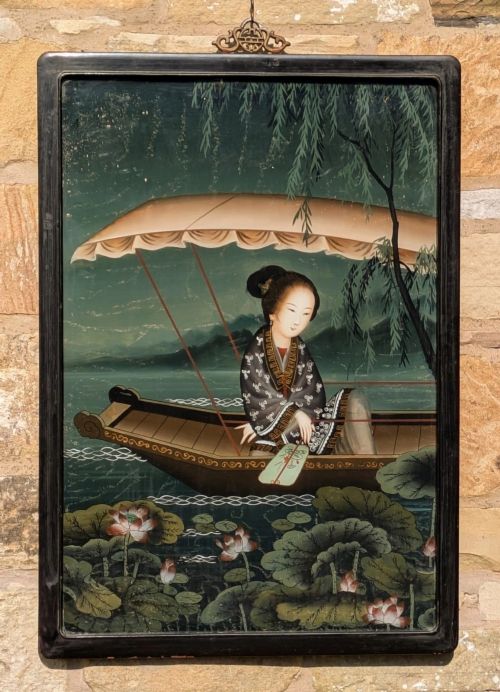


Antique Lake Scene Artwork
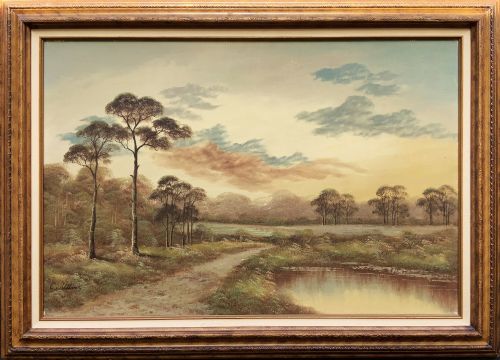
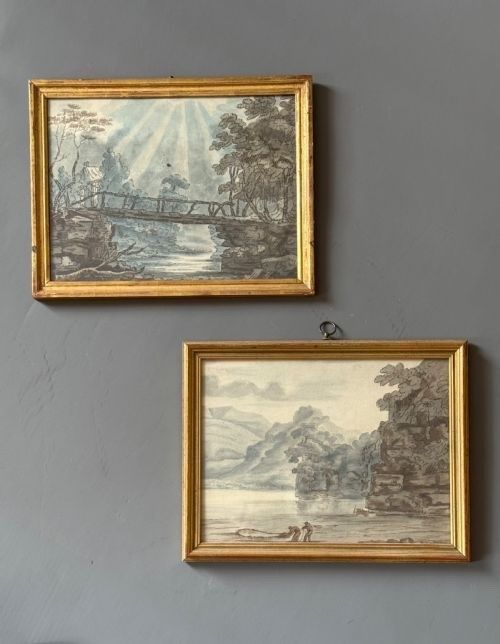
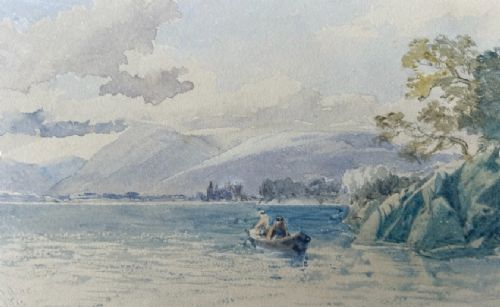
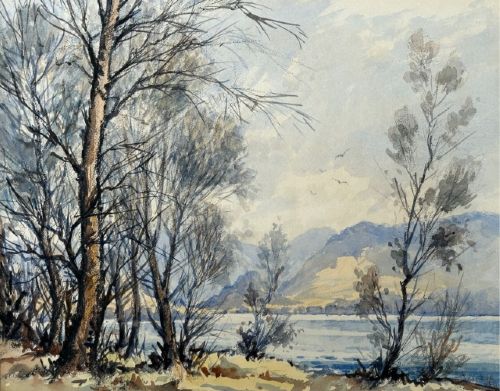
Antique lake scene artwork captures tranquil waters and sweeping mountainous horizons, bringing historic charm and atmosphere into a room.
Antique Lake Scene Artwork
When buyers search for antique lake scene artwork, they look at historic paintings and drawings depicting serene bodies of water, mountainous backdrops, and pastoral settings. These pieces capture the romantic and impressionistic interpretations of European and British landscapes from past centuries.
The versions most commonly met on this page include nineteenth-century oil paintings on canvas and delicate watercolours on paper. Subjects range from Scottish highlands and Alpine vistas to Dutch winter scenes with figures skating.
The selection encompasses framed artworks and wall art spanning the eighteenth century through to the early twentieth century. Makers and artists utilise diverse mediums to portray the shifting light and stillness of natural water bodies.
Elements that distinguish quality
The finesse of brushwork and the handling of natural light dictate the distinction between standard decorative pieces and masterworks. Superior paintings demonstrate subtle colour modulation in the depiction of water reflections and atmospheric haze over distant mountains.
The preservation of the original surface, whether oil paint or watercolour, maintains the integrity of the artist's touch. Intricate detailing in ancillary elements, such as figures by the shore or cattle in the landscape, elevates the artistic merit.
Antique Lake Scene Artwork Retail Price Guide 2026
Typical asking prices for lake scene artwork among the pieces listed under this phrase on Sellingantiques today, from the lower quarter to the upper quarter. They describe what is for sale here now, not the wider market.
Listings feature works created across multiple centuries, using oil on canvas, watercolour, gouache, and giltwood frames.
Thomas Miles Richardson Jnr·Frank Hider·James Gunson Atkinson·Benjamin Williams Leader·Sidney Richard Percy·Antoine Bouvard
The Antique Lake Scene Artwork Glossary
- Oil on Canvas
- A traditional painting medium where coloured pigments suspended in drying oils are applied to a stretched canvas support. This combination allows for rich colour blending and textured brushwork.
- Giltwood
- Timber that has been coated with a thin layer of gold leaf or gold paint, commonly utilised for ornate nineteenth-century picture frames. It adds a warm metallic sheen that enhances the framed artwork.
- Gouache
- An opaque water-based paint that includes a binding agent, allowing for brighter colour application and heavier coverage than traditional watercolour. Artists use it to achieve solid blocks of tone in landscape details.
- Gesso
- A plaster-like mixture applied to wood or canvas as a base for painting or moulded onto timber to create decorative frame reliefs. It provides a smooth, stable surface for subsequent gilding or paint.
- Impressionism
- A nineteenth-century painting style characterised by relatively small, thin yet visible brush strokes and an emphasis on accurate depiction of light. Works in this style focus on open compositions and atmospheric conditions.
Antique Lake Scene Artwork: Frequently Asked Questions
What periods do these lake artworks cover?
The available selection spans from the eighteenth century through the Victorian era and into the early twentieth century. These pieces reflect shifting artistic movements including romanticism and impressionism.
Most examples date from the nineteenth century, showing diverse European and British interpretations of natural landscapes.
How should I hang and light a framed painting?
Position the artwork away from direct sunlight to protect pigments and canvas fibres from fading over time. Maintain stable room humidity to preserve both the wooden frames and the painted surfaces.
Use picture lights with low heat emission, such as modern LED bulbs, to illuminate the canvas evenly without causing thermal stress.
What is the difference between watercolour and oil paintings here?
Watercolour works utilise paper supports and are typically protected behind glass to prevent moisture damage and paper degradation. They offer a delicate, luminous quality well suited to atmospheric weather effects.
Oil paintings utilise canvas or wood panels with heavier pigment layers that capture rich textures and deep tones without the need for glass covering.