


Antique Ladder Back Chair
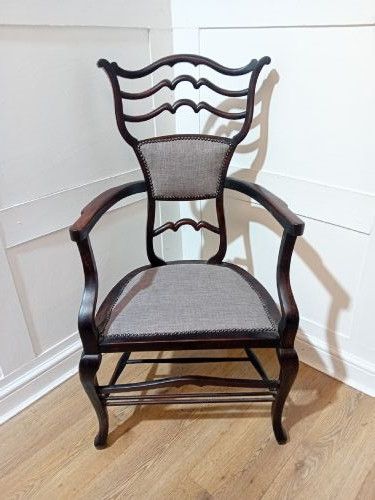
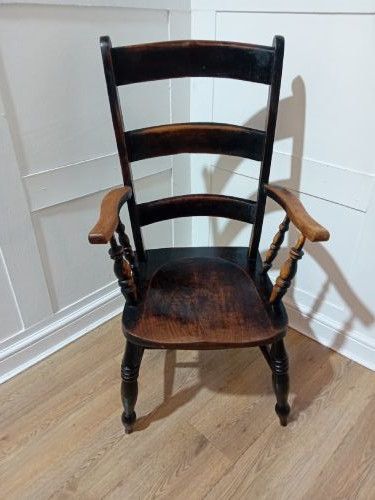
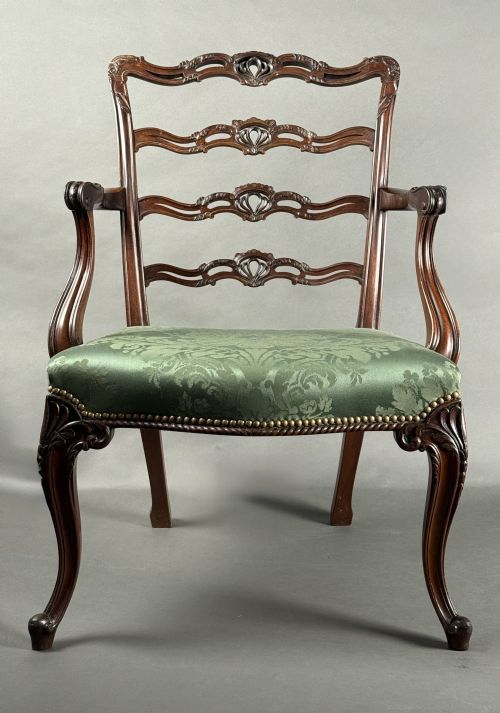
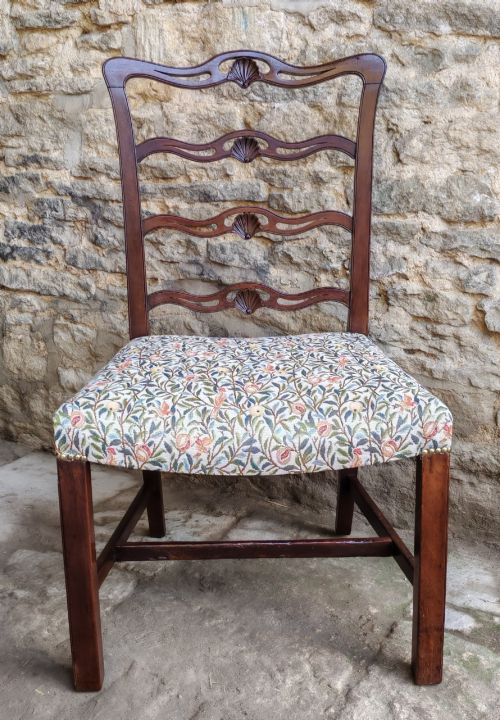
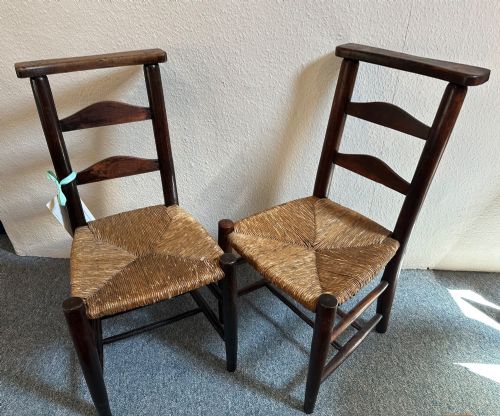
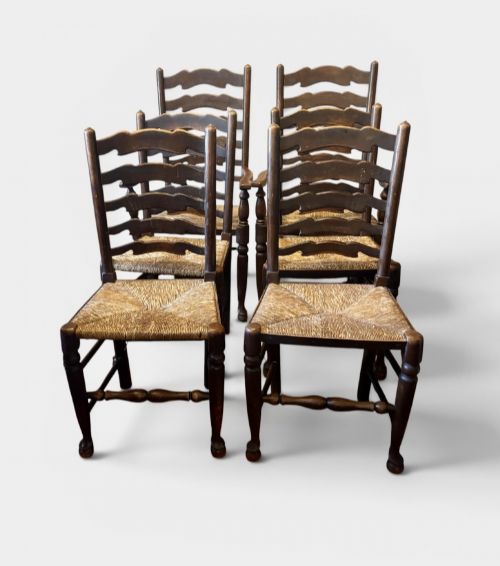
These antique ladder back chair examples offer horizontal slats that support the back, pairing vernacular warmth with centuries of solid craftsmanship.
Identifying an antique ladder back chair
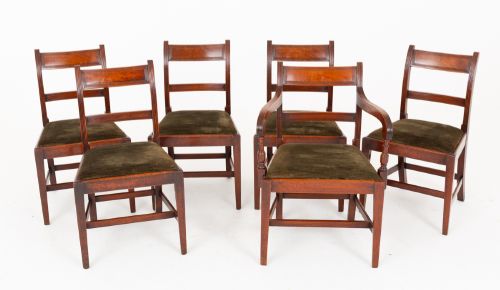
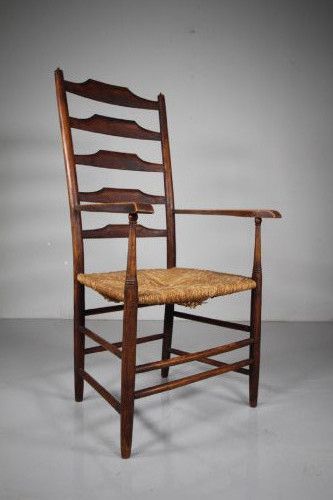
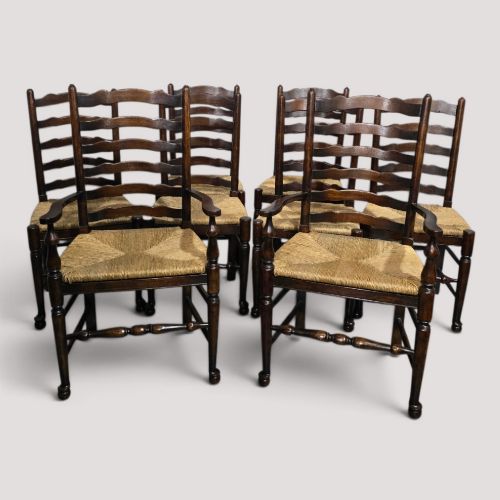
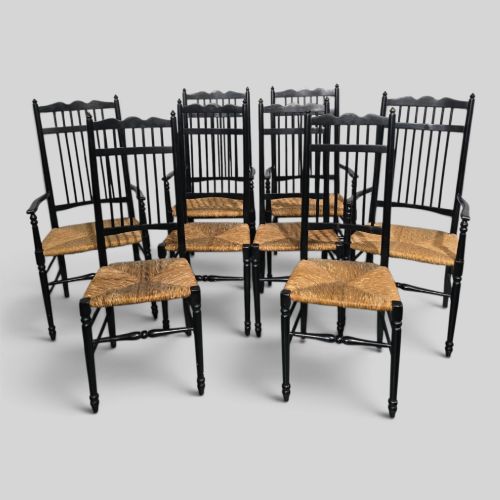
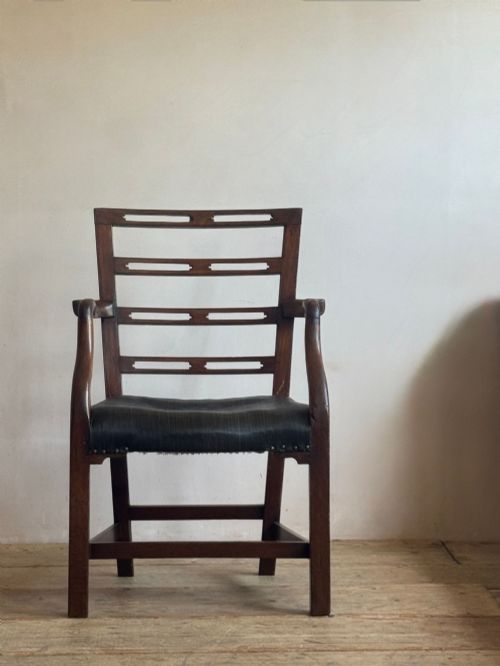
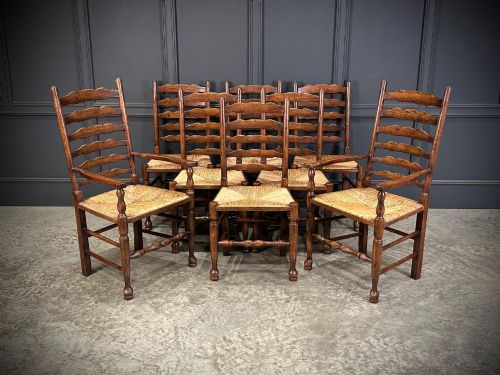
Forms range from simple side chairs and carver armchairs to tall hall seats and rocking chairs. Pieces originating from English and French country traditions often feature woven rush or rope seats, while formal iterations utilise upholstered leather or fabric.
The aesthetic spans utilitarian country styles, Dutch provincial designs, and revival movements such as Chippendale and Art Nouveau. Regional pieces often display local turning traditions in their legs and stretchers.
Materials and construction methods
Frames are constructed from hardwoods including oak, mahogany, ash, elm, beech, and cherry, often combining timbers within a single piece such as an elm seat paired with ash or beech uprights. Joinery relies on traditional pegged mortise and tenon joints to secure the stress points of the frame.
Seats are commonly woven from natural rush or rope, requiring skilled manual labour to tension the material tightly across the seat rails. Upholstered variants incorporate brass tacks, leather, tapestry, or fabric pads secured over webbing and stuffing.
Turned components on legs, arm supports, and finials are shaped on a lathe, while back slats are curved or shaped by hand to fit the contours of the sitter's back.
Retail Price Guide 2026
Typical UK retail prices for ladder back chair, calculated from the Sellingantiques database of over a million retail prices indexed since 2003. This retail price guide relies exclusively on Sellingantiques data; no external sources or auction records are used, so the figures do not describe the wider market.
The site listings feature regional timbers including ash, elm, and oak alongside mahogany, alongside rush, leather, and fabric seating.
Distinctions in construction and design
Quality rests on the selection of timber and the integrity of the structural joinery, where tightly fitted joints without excessive modern intervention command greater appreciation. Country chairs show mastery in the turning of green wood and the durability of the rush seating.
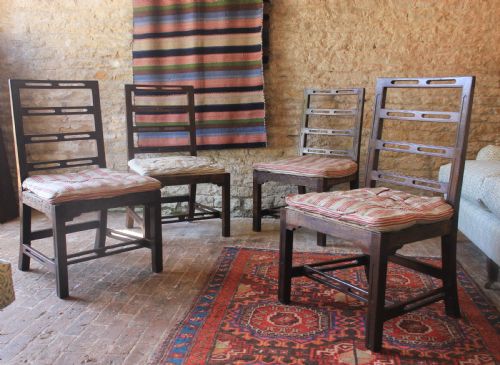
Refined formal versions demonstrate sophisticated carving on the ladder rails and crest rails, particularly in mahogany Chippendale revival pieces. The rhythm and proportion of the horizontal slats relative to the overall height dictate the visual balance of the seating.
Heals
The Antique Ladder Back Chair Glossary
- Carver
- An armchair, typically designed to sit at the head of a dining table or function as a standalone fireside seat. These pieces feature integrated armrests connected to the front legs and seat frame.
- Rush
- A marsh plant used traditionally to weave durable, textured seats for vernacular seating. Skilled artisans twist the dried material into cords before weaving it in a pattern across the chair frame.
- Stretcher
- A horizontal wooden brace connecting the legs of a chair to provide structural rigidity. These elements are often turned on a lathe and positioned closer to the floor.
- Finial
- A decorative terminal ornament carved or turned at the top of the rear upright posts. They provide a finished architectural accent to the silhouette of the backrest.
- Spindle
- A slender, turned wooden rod used as a decorative or structural component within the back assembly or underframe. Spindles add linear detail without adding heavy weight to the frame.
Frequently Asked Questions
How do I identify a country ladder back chair?
Country examples rely on native timbers such as ash, elm, and oak, often featuring rush or rope seats rather than upholstery. Their turnings tend to be heavier and more utilitarian than those found in urban workshops.
Look for regional characteristics in the shaping of the back slats and the retention of surface wear accumulated through domestic use.
Were these chairs used for dining?
Many examples served primarily as dining furniture, particularly when found in matched sets of singles and carvers. They were also utilised in kitchens, halls, and bedrooms.
Purchasing sets allows for a cohesive historic aesthetic around a dining table, while single armchairs function well as accent pieces.
How should I care for a rush seat?
Rush seats benefit from gentle cleaning with a dry brush to remove dust from the woven fibres. Avoid excessive moisture, which can cause the natural material to weaken and snap over time.
Maintaining moderate humidity in the room prevents the timber frame and the woven seat from drying out and splitting.
What is the difference between ash and mahogany versions?
Ash and elm versions typically represent country or regional vernacular furniture, characterised by rush seating and simpler structural lines. Mahogany examples generally align with formal Georgian or Victorian revival styles.
Mahogany frames often incorporate intricate carving on the ladder rungs and feature upholstered drop-in seats or leather pads.