




Antique Lacquered Shelf
An antique lacquered shelf brings rich eastern decoration and practical display space into a room.
Antique Lacquered Shelf
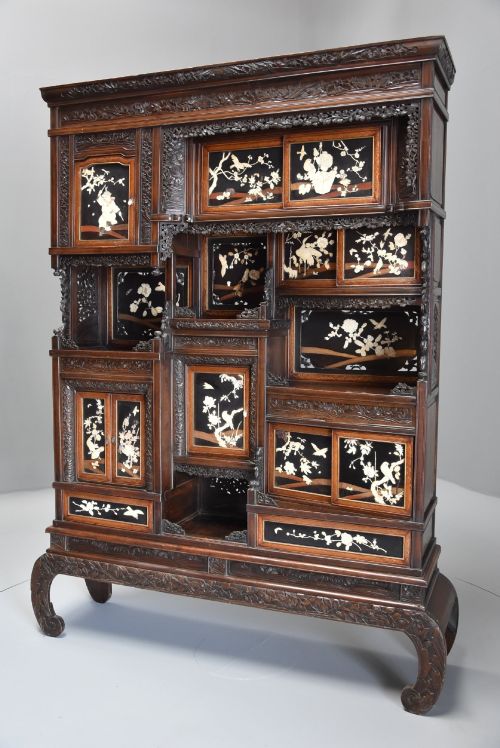
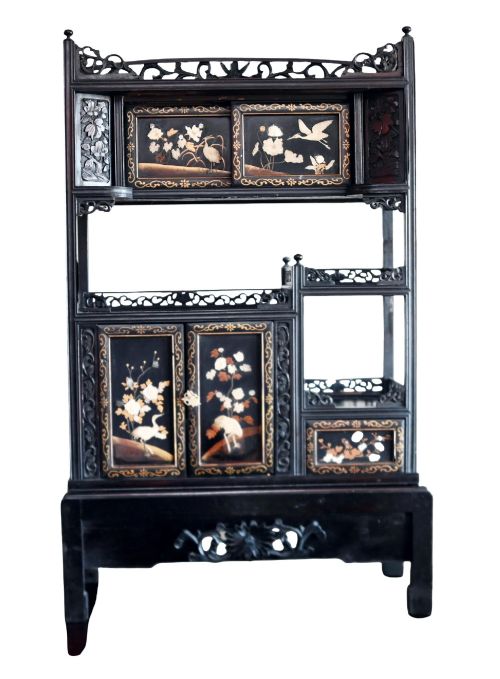
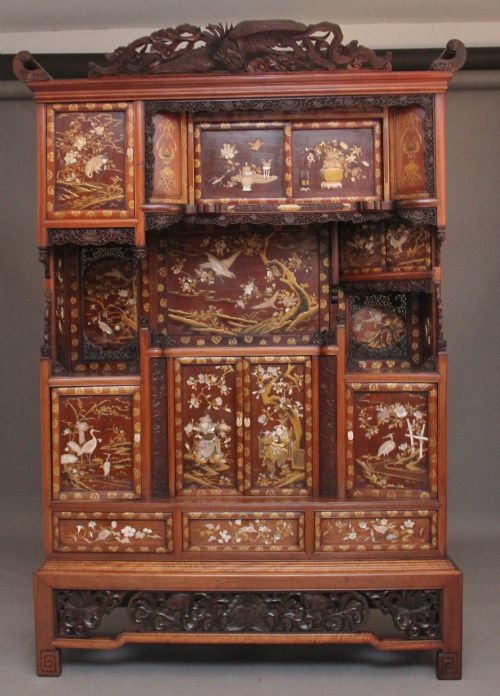
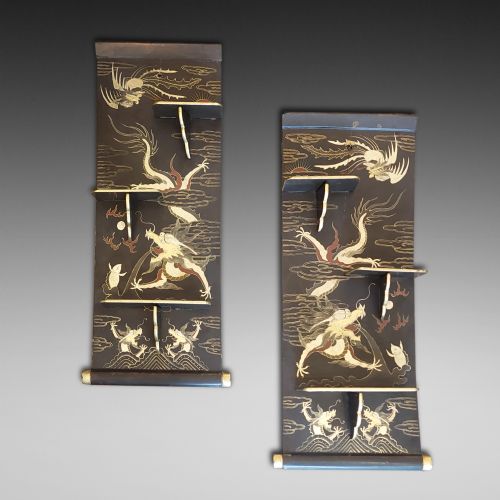
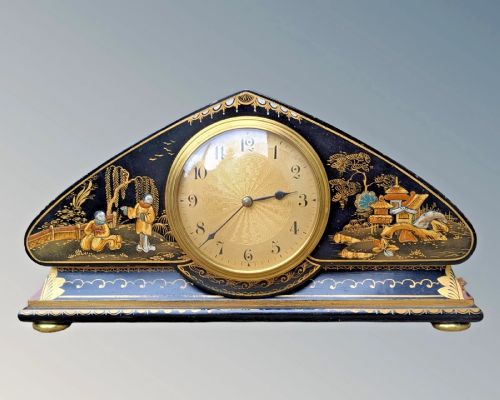
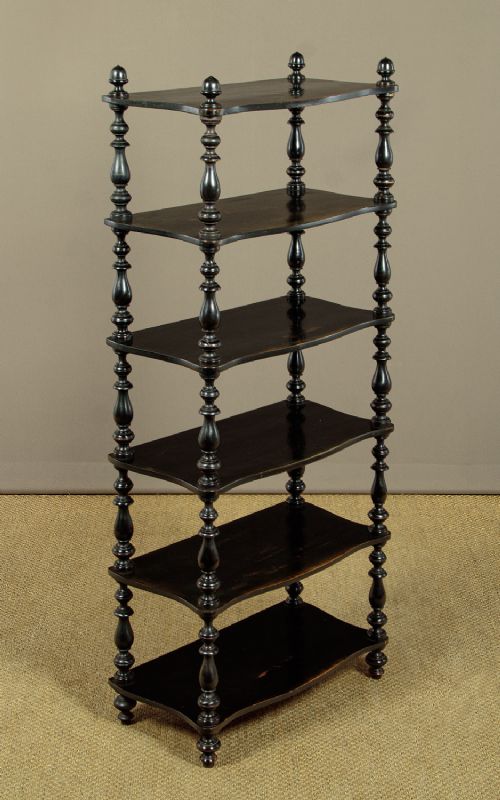
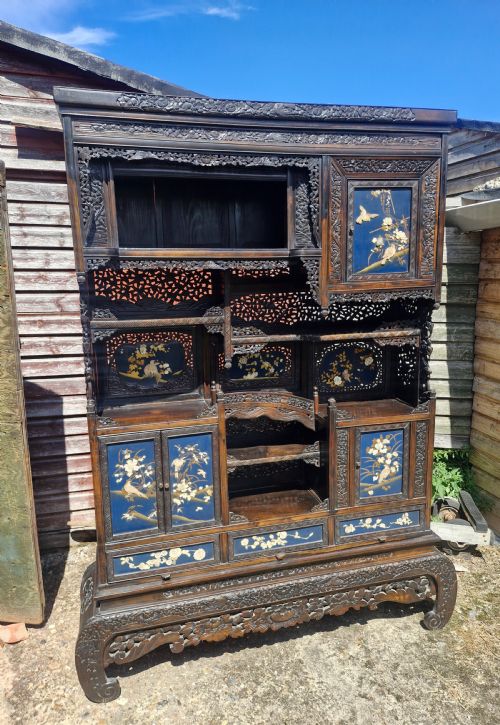
When you search for an antique lacquered shelf, you encounter pieces that range from Japanese Meiji period shodana cabinets to British Chinoiserie bamboo étagères and wall shelves. These items served distinct domestic purposes, functioning as wall-mounted storage or freestanding tiered stands designed to display prized ornaments.
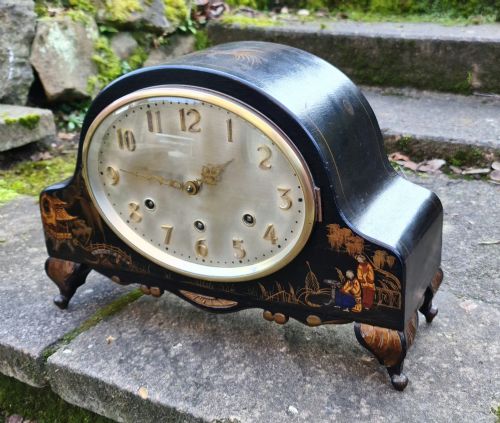
The versions most commonly met on this page date from the nineteenth and early twentieth centuries, spanning Victorian, Edwardian, and Qing dynasty aesthetics. They utilise contrasting black, red, or ebonised surfaces often decorated with gilt motifs or mother of pearl inlay.
Forms vary significantly, including hanging shelves, overmantel mirrors with integrated ledges, and multi-tiered bamboo shelving units. Each configuration reflects the nineteenth-century fascination with Asian design traditions adapted for western interiors.
Materials and construction methods
Construction relies heavily on native hardwoods, ebonised timber, and flexible bamboo frameworks joined to support multiple tiers. Artisans applied layers of lacquer to create smooth, lustrous finishes that provided a durable base for painted or inlaid decoration.
Surface ornamentation involved intricate Chinoiserie painting, applied mother of pearl panels, and delicate brass hardware. Japanese shodana cabinets additionally incorporated carved wooden elements and fitted internal compartments.
Makers balanced structural rigidity with the lightweight requirements of wall-hanging units and bamboo étagères. Joinery techniques varied from traditional Chinese cabinetmaking to British bamboo assembly methods.
Antique Lacquered Shelf Retail Price Guide 2026
Typical asking prices for lacquered shelf among the pieces listed under this phrase on Sellingantiques today, from the lower quarter to the upper quarter. They describe what is for sale here now, not the wider market.
Some nineteenth-century makers cleverly disguised ordinary pine beneath layers of glossy black lacquer and crushed mother of pearl.
What separates quality tiers
Quality rests in the depth of the lacquer finish and the precision of the decorative inlay. Superior pieces exhibit hand-painted Chinoiserie detail with minimal surface wear and securely embedded mother of pearl elements.
The integrity of the underlying framework dictates durability, particularly in bamboo and hardwood étagères where joints endure daily weight. Finer examples maintain structural stability without excessive reinforcement.
Design complexity also separates standard items from exceptional pieces, such as multi-tiered shodana cabinets featuring intricate carving and complete sets of miniature doors and drawers.
The Antique Lacquered Shelf Glossary
- Shodana
- A traditional Japanese tabletop or freestanding display cabinet featuring asymmetric shelves, cupboards, and sliding doors. These pieces showcase intricate lacquerwork and wood carving.
- Chinoiserie
- European decorative style executed in a Chinese taste, popular during the eighteenth and nineteenth centuries. It relies on painted or lacquered motifs depicting figures, pagodas, and landscapes.
- Etagere
- A piece of furniture consisting of open shelves for displaying ornaments or small objects. They appear frequently in bamboo and ebonised timber configurations.
- Ebonised
- Wood finished with a dark stain or paint to imitate ebony. This treatment provided a stark, glossy backdrop for gilt and mother of pearl decoration.
- Overmantel
- A decorative structure designed to sit above a fireplace mantel, frequently incorporating shelves and mirrors. Edwardian and Victorian examples often utilised black lacquer finishes.
Antique Lacquered Shelf: Frequently Asked Questions
How do I hang a heavy lacquered shelf safely?
Wall-mounted shelves require fixings suited to the specific wall material, as hardwood and lacquer add considerable weight. Distribute items evenly across the tiers to maintain balance.
Consult a professional if the piece lacks original hanging brackets to ensure the structure supports the load securely.
How should I clean antique lacquer?
Dust surfaces gently with a soft, dry microfibre cloth to prevent scratching the delicate finish. Avoid chemical polishes, abrasive cleaners, and excessive moisture.
Maintain stable indoor humidity levels to protect the lacquer and underlying wood from cracking or warping over time.
What is the difference between Japanese and Chinoiserie shelves?
Japanese pieces, such as Meiji period shodana cabinets, originate from Japanese artisan traditions and often feature asymmetric compartments and native motifs. Chinoiserie items represent European interpretations of Chinese design.
Both styles employ lacquer and gilt decoration but differ in their structural layout and ornamental vocabulary.
Can these shelves support heavy books?
Most antique bamboo and lacquer shelves were built for decorative ornaments rather than heavy volumes. Overloading tiers can warp bamboo or strain delicate joints.
Reserve these pieces for display plates, small clocks, and ceramics to preserve their structural integrity.