

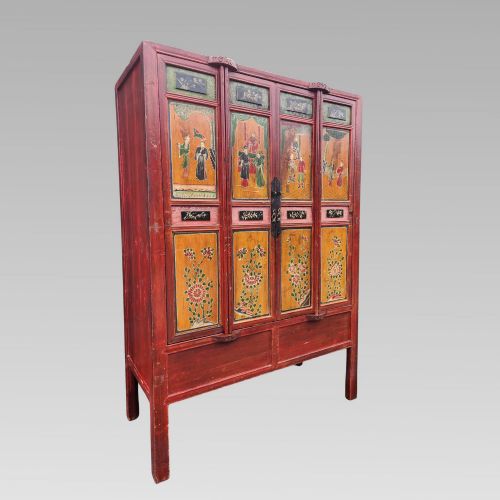


Antique Lacquer Sideboard
An antique lacquer sideboard brings striking colour and intricate surface decoration to a room, ranging from bold Chinese red to deep black japanning.
Antique Lacquer Sideboard
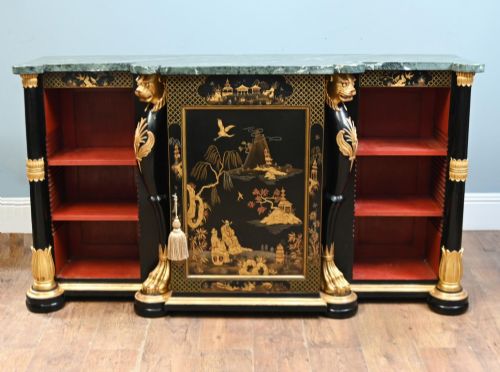
When searching for an antique lacquer sideboard, buyers find a diverse selection of low storage furniture including side cabinets, commodes, and console tables. These pieces span the nineteenth century, the Regency era, and the early twentieth century up to nineteen thirty.
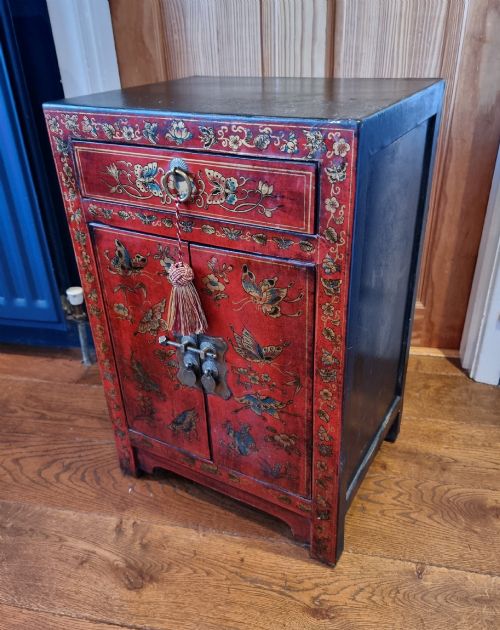
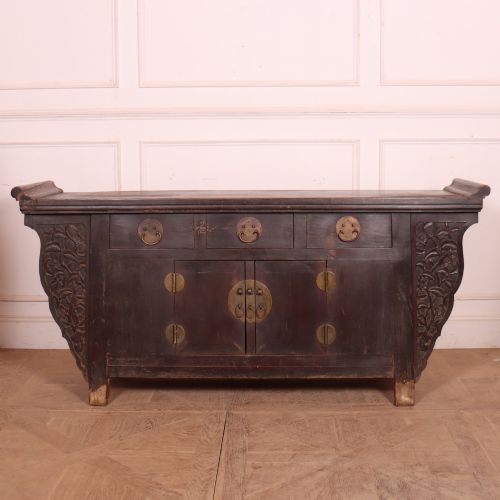
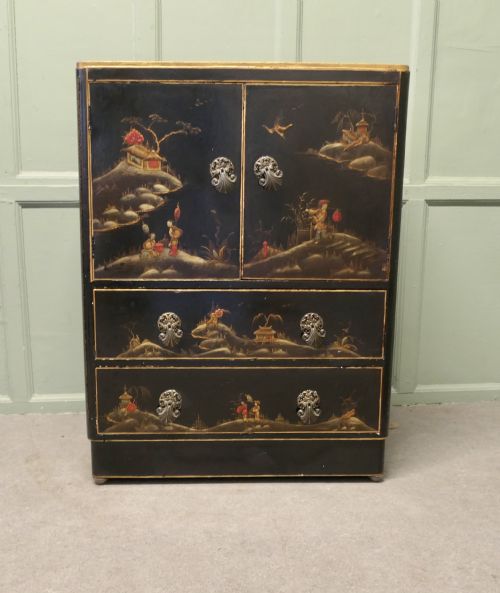
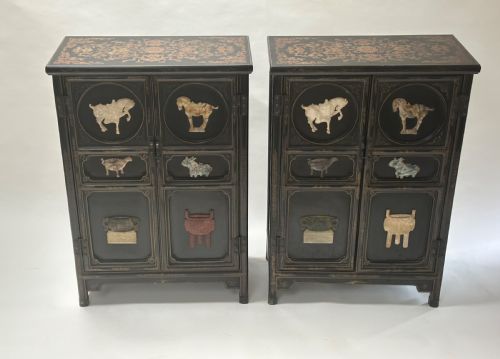
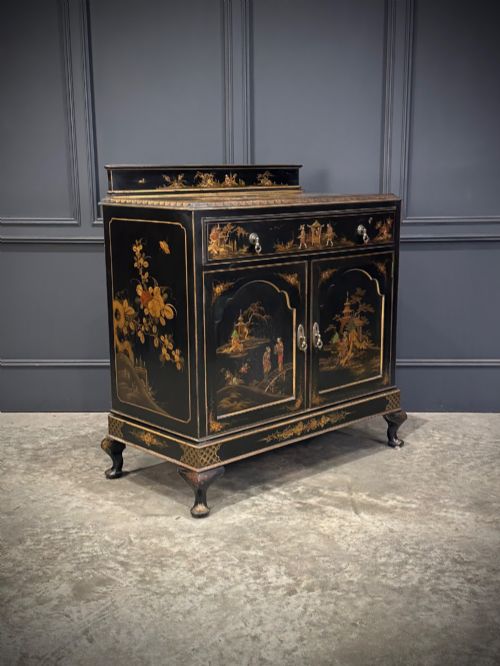
The most common versions encountered here are Chinese Qing Dynasty cabinets and European Chinoiserie interpretations, often decorated with black or red lacquer. Many pieces utilise elm, timber, and brass fittings alongside their painted surfaces.
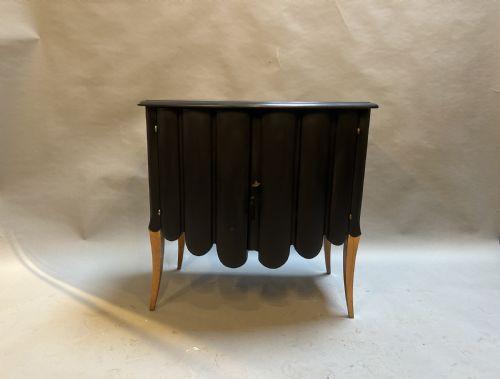
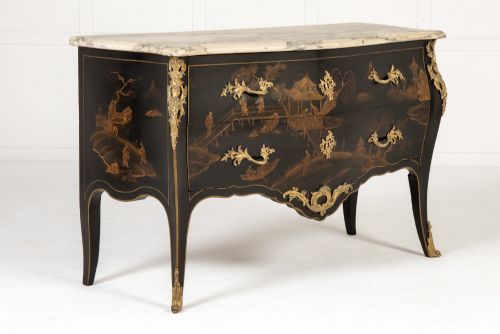
Side cabinets and storage cupboards dominate the selection, offering substantial proportions and deep surfaces. Alongside these are French commodes, console tables, and altar tables representing various revival styles.
How they were made
Construction relies upon traditional timber framing, frequently employing elm for Chinese examples and various woods for European pieces. Surfaces are coated in multiple layers of lacquer, creating a durable ground for subsequent decoration.
Decoration is achieved through painting, gilding, and occasionally marble tops or metal mounts. Many Chinoiserie and Qing Dynasty items incorporate carved wood details, inlay, and brass hardware to complement the lacquered finish.
Antique Lacquer Sideboard Retail Price Guide 2026
Typical asking prices for lacquer sideboard among the pieces listed under this phrase on Sellingantiques today, from the lower quarter to the upper quarter. They describe what is for sale here now, not the wider market.
Materials documented across the inventory include brass, lacquer, elm, marble, and gilt accents.
What varies in quality
The finesse of the surface decoration and the preservation of the lacquer layers determine the standing of each piece. Crispness in carved details and delicacy in painted birds and flowers distinguish finer examples.
The integrity of the underlying timber frame and the originality of mounts, such as brass or silver fittings, shape the overall character. Coarser execution in the painted scenes separates the standard items from more accomplished works.
The Antique Lacquer Sideboard Glossary
- Chinoiserie
- European decorative style reflecting Chinese artistic influences, popular in furniture and lacquerwork. This aesthetic produced whimsical landscapes and figures rendered in gold upon dark or red backgrounds.
- Japanning
- European imitation of East Asian lacquerwork involving layered varnishes and metallic dust. Artisans applied successive coats to achieve a glossy, dark surface resembling oriental imports.
- Commode
- Low decorative chest of drawers or cabinet designed for domestic storage. French examples often feature bombé silhouettes and elaborate mounts.
- Altar table
- Traditional Chinese rectangular table featuring elongated proportions and upturned ends. These pieces served ceremonial functions before finding a place in domestic interiors.
- Chiffonier
- A small sideboard or low cupboard developed during the Regency period. It typically combines enclosed shelving with a compact footprint.
Antique Lacquer Sideboard: Frequently Asked Questions
What is a lacquer sideboard?
A lacquer sideboard is a low storage cabinet finished with traditional tree sap or synthetic varnishes, often decorated with painted or gilded scenes. These items function as focal storage points in dining rooms and living spaces.
They combine practical enclosed shelving with decorative surfaces that showcase Chinoiserie or Qing Dynasty aesthetics. Pieces range from formal Regency chiffoniers to robust Chinese elm cabinets.
How do I clean an antique lacquer surface?
Dust the surface regularly with a soft, dry cloth to prevent particle accumulation. Avoid using abrasive cleaning agents or excessive moisture on the lacquer.
Consult a professional restorer if the finish requires deep cleaning or consolidation. Keeping the piece away from direct sunlight preserves the rich pigments of the lacquer.
Where were these cabinets placed?
Historically, lacquer cabinets and sideboards stood in principal reception rooms, halls, and dining areas to display status and store household goods. Altar tables occupied prominent positions in Chinese domestic architecture.
In modern homes, they serve similar purposes as credenzas, media units, or statement storage pieces. Their bold colours anchor neutral interior schemes effectively.
How do I identify a Qing Dynasty piece?
Qing Dynasty pieces often feature traditional Chinese construction methods, native timbers like elm, and characteristic hardware. The lacquer work frequently depicts regional motifs, landscapes, or figural scenes.
Comparison with documented examples from the nineteenth century helps verify the period. Structural wear and patination on the timber provide additional clues to age.