





Antique Kitchen Display
These pieces of antique kitchen display bring working culinary history into domestic spaces through practical storage and open shelving.
Antique Kitchen Display
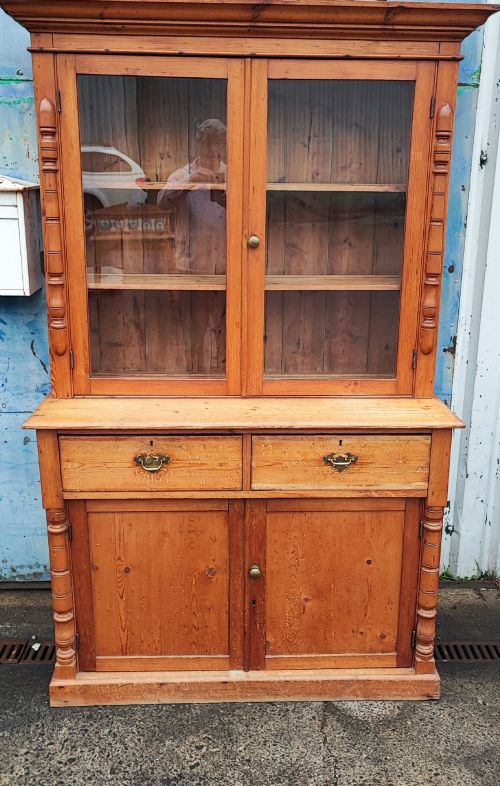
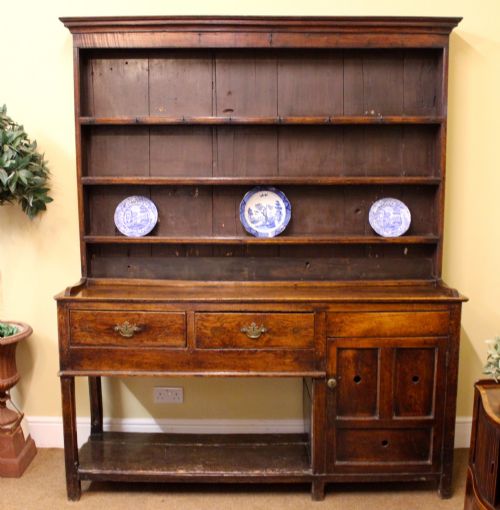
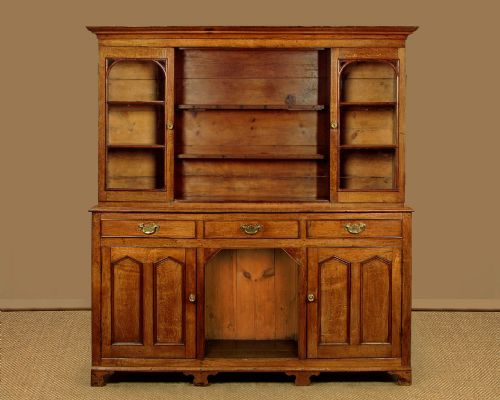
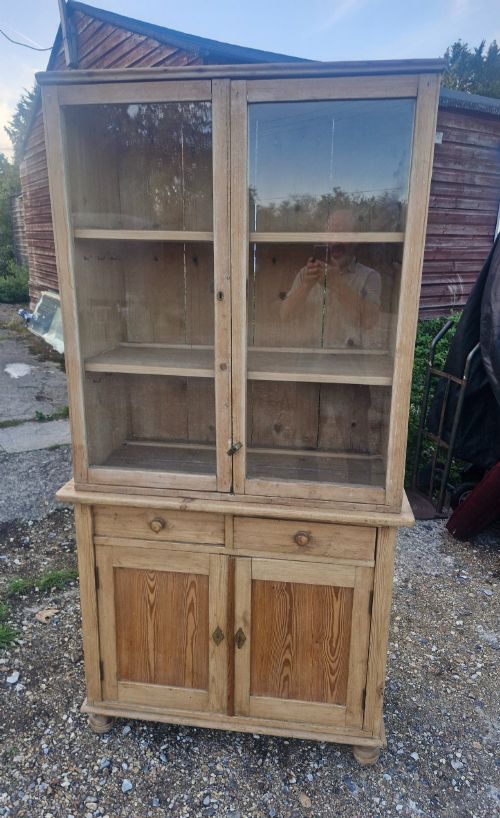
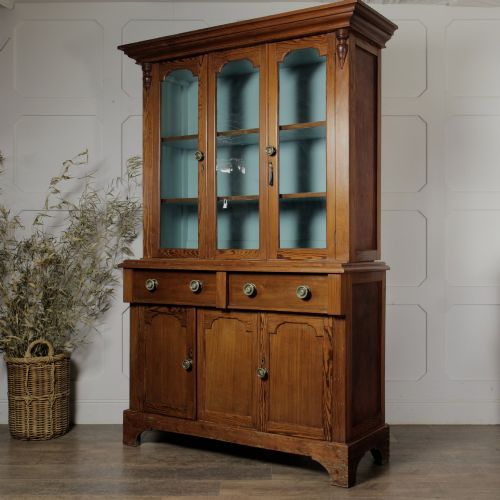
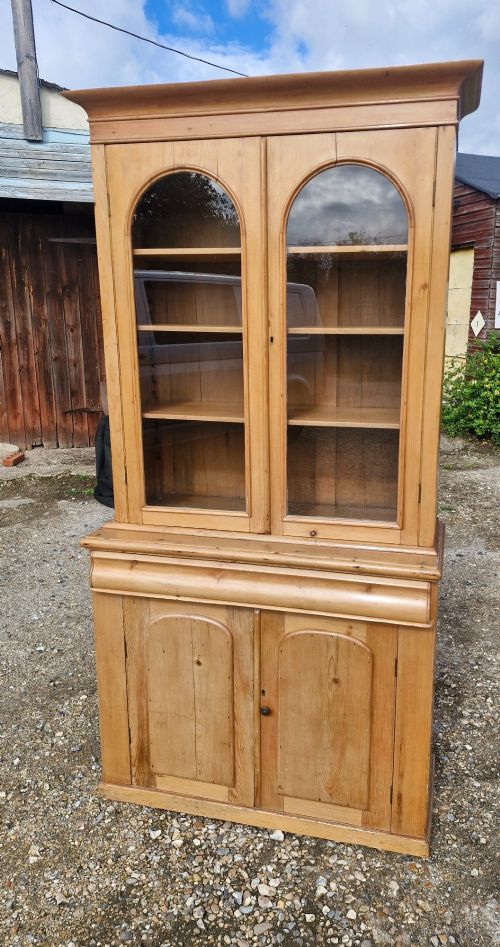
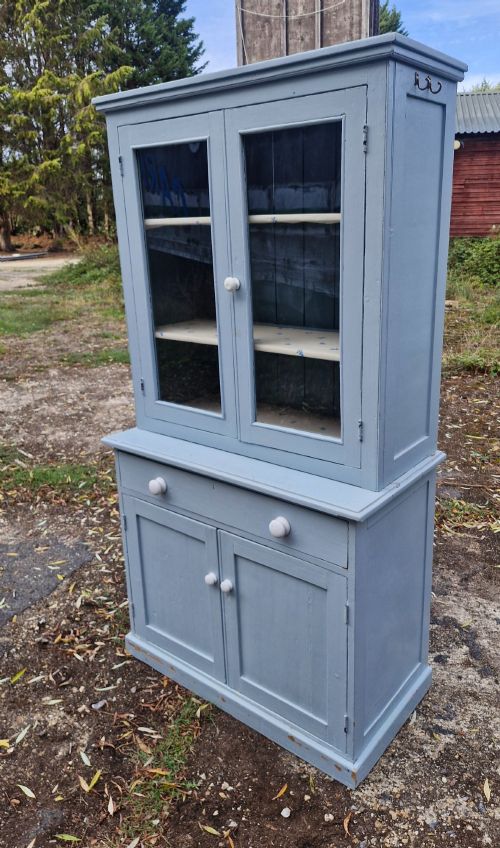
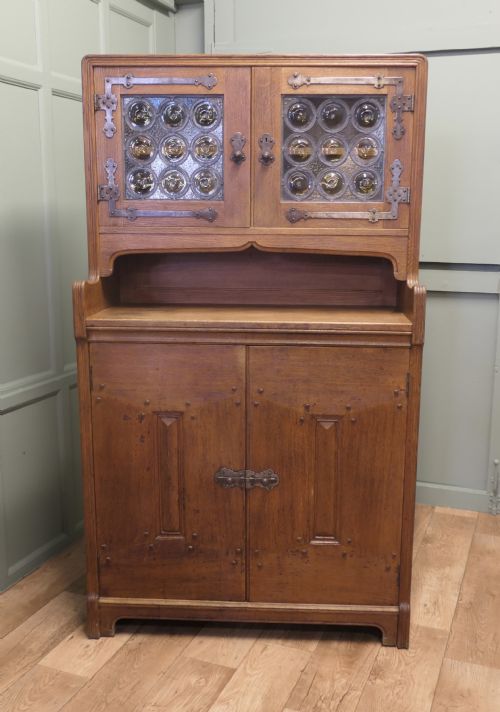
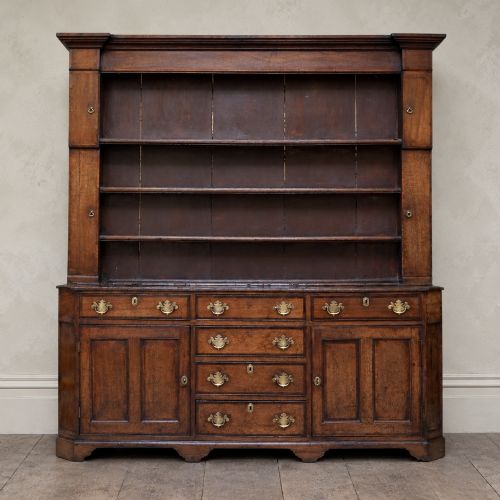
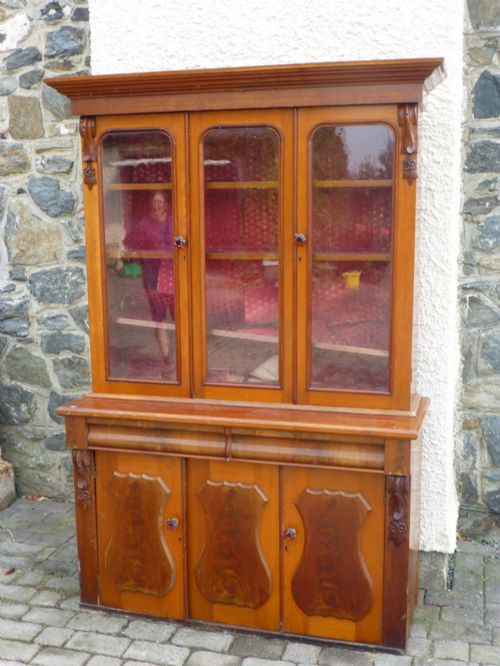
Antique kitchen display centres primarily on dressers, glazed cupboards, and bakers racks that served domestic and commercial preparation spaces. These items combine open plate racks or glass-fronted upper sections with lower cupboards or counters designed for utility.
The pieces appearing most frequently originate from the eighteenth, nineteenth, and early twentieth centuries in English, Welsh, and French regional styles. Oak and pine dominate these forms, appearing alongside walnut, mahogany, and wrought iron in both scrubbed and painted finishes.
Materials and construction methods
Cabinet makers utilised native timbers such as oak, pine, and walnut, often joining carcases with traditional pegged mortise and tenon construction. Crossbanding, inlay work, and carved details appeared on finer Georgian and Edwardian examples.
Metal elements including brass, iron, and wrought iron formed hinges, handles, game hook racks, and large bakers racks. Surfaces received protective and decorative treatments ranging from clear wax to original paint, toleware finishes, and marble tops.
Antique Kitchen Display Retail Price Guide 2026
Typical asking prices for kitchen display among the pieces listed under this phrase on Sellingantiques today, from the lower quarter to the upper quarter. They describe what is for sale here now, not the wider market.
A towering nine-foot-six French baker's rack brings industrial scale right into the pantry.
What separates examples
Proportion and the survival of original components dictate the standing of a piece. Well-balanced cornices, undisturbed backboards, and matching hardware distinguish superior examples from heavily altered ones.
The integrity of surface treatments - such as untouched patinated pine, original painted finishes, or deliberate crossbanded mahogany details - separates standard utility items from notable regional workshops.
Dubois of Lyon·G.H.& F.W. Bravington London·Liberty
The Antique Kitchen Display Glossary
- Welsh dresser
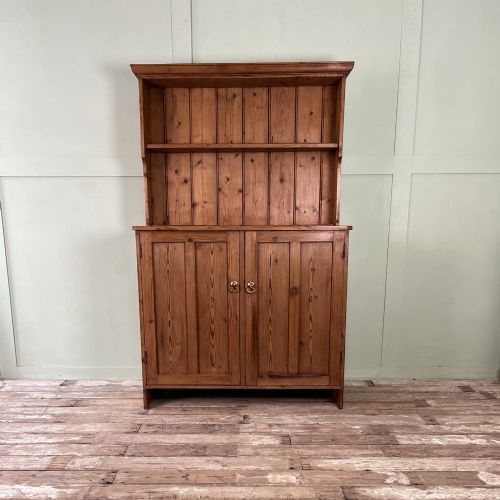
- A traditional kitchen storage unit featuring open shelves above a base of drawers and cupboards, designed specifically for displaying ceramics.
- Plate rack
- An upper shelving tier incorporating grooved plate rails or vertical slats to hold trenchers and plates upright for drying and display.
- Crossbanding
- A decorative border technique where veneer strips are laid running perpendicular to the grain of the primary wood surface.
- Buffet deux corps
- A large two-part cabinet structure featuring a narrower upper cupboard set back upon a deeper lower base.
- Toleware
- Enamelled and japanned sheet metal used for household canisters, tea tins, and decorative kitchen containers.
Antique Kitchen Display: Frequently Asked Questions
What is a Welsh dresser?
A Welsh dresser is a traditional piece of kitchen furniture combining open display shelving on the top with practical storage cupboards or drawers below. These units evolved to hold and exhibit domestic earthenware and pewter.
In modern rooms, they function as focal points for storing tableware while keeping everyday items accessible on the open plate racks.
How do I care for antique pine furniture?
Antique pine benefits from regular dusting with a dry cloth and occasional treatment with natural beeswax to nourish the timber. Avoid placing these pieces in direct sunlight or near heat sources to prevent the wood from splitting.
Maintaining a stable indoor humidity helps preserve the original patina and prevents the joints from loosening over time.
Where were bakers racks used?
Bakers racks originated in commercial French bakeries and patisseries where large wrought iron and metal structures held cooling bread and pastries. Their open framework provided essential ventilation for freshly baked goods.
Today, these robust industrial pieces find a second life in residential kitchens as etageres for cookware, cookbooks, and kitchen display items.
What is a buffet deux corps?
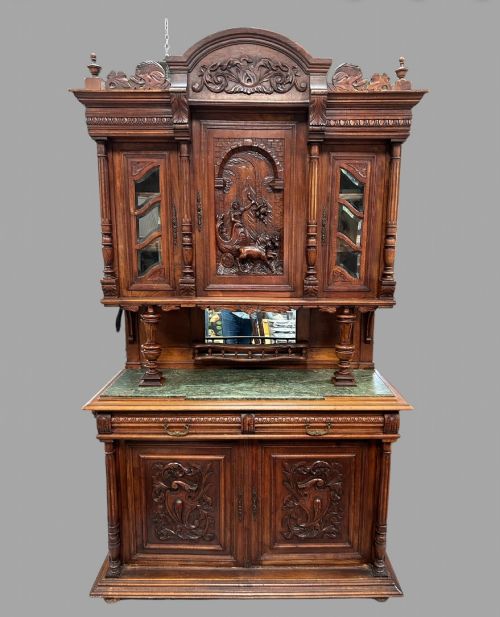
A buffet deux corps is a substantial two-part cabinet originating in France, consisting of a large lower cupboard section with a slightly smaller upper cabinet mounted directly on top. These architectural pieces provided secure storage for household provisions and tableware.
Their grand scale and deep proportions make them suitable for dining rooms and large kitchens requiring significant enclosed storage.