
Antique Kitchen Dining Table
An antique kitchen dining table brings genuine daily utility and centuries of timber character straight to the heart of the home.
Antique Kitchen Dining Table
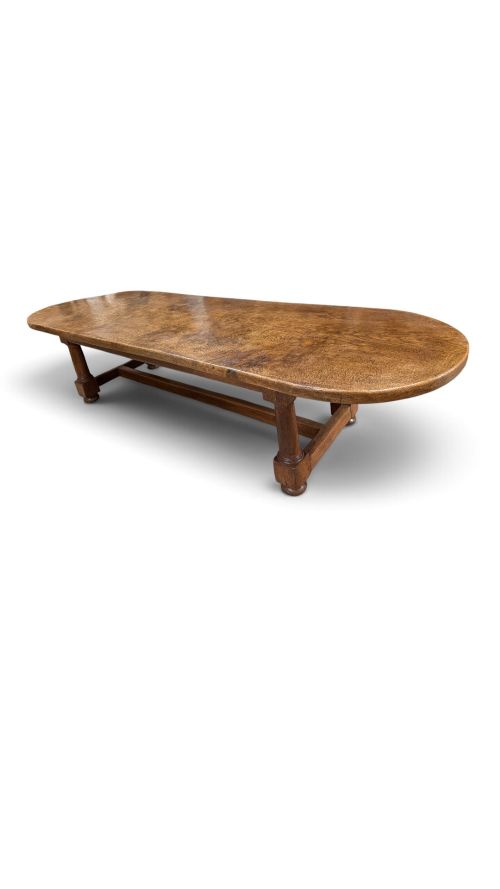
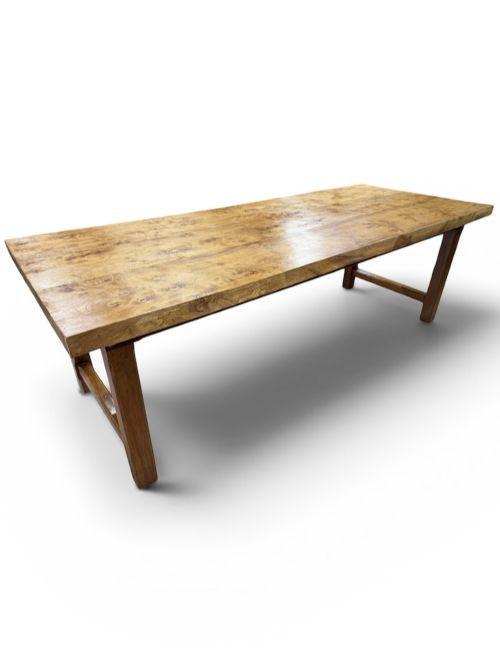
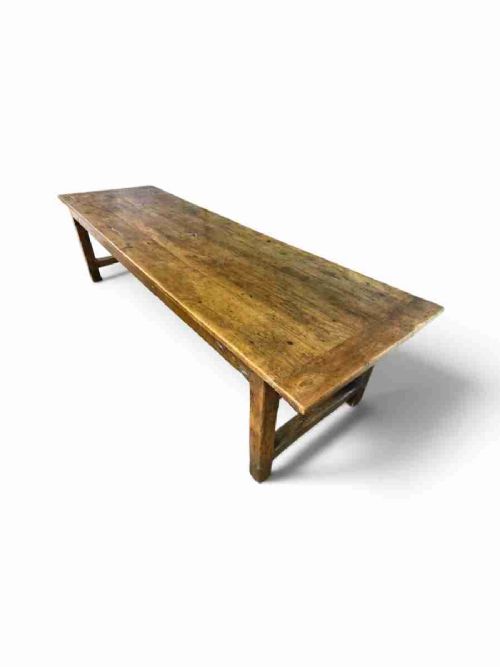
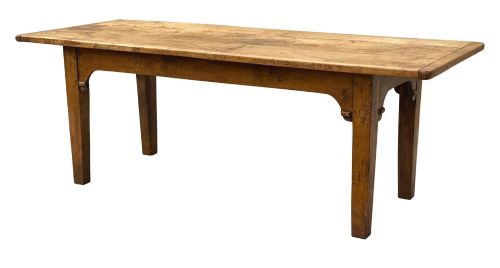
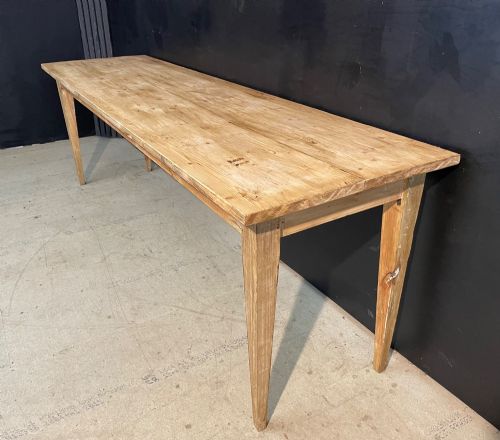
When searching for an antique kitchen dining table, buyers encounter sturdy boards built for daily household work and large family meals. The listings show a strong presence of oak and pine boards, spanning periods from the Georgian era through to Edwardian workshops.
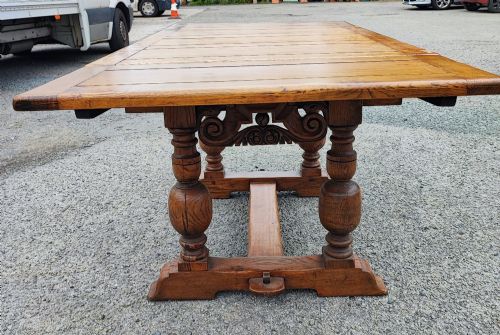
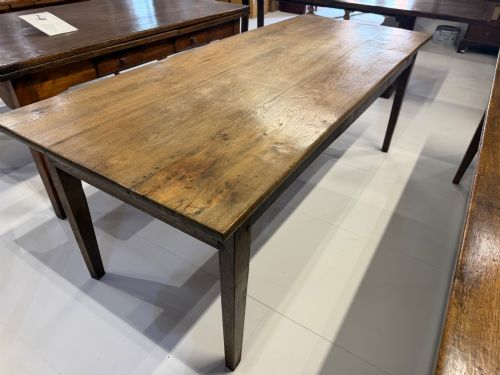
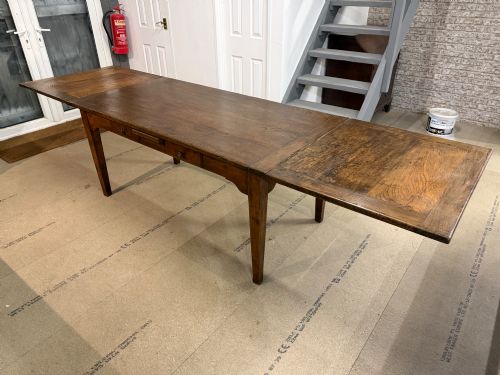
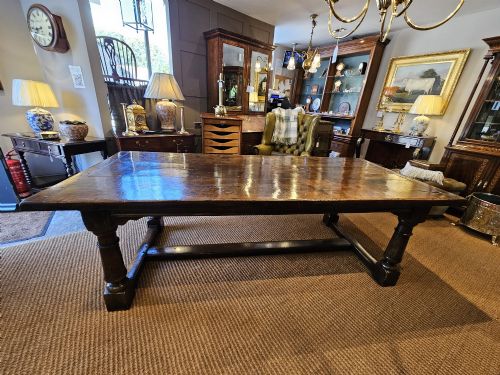
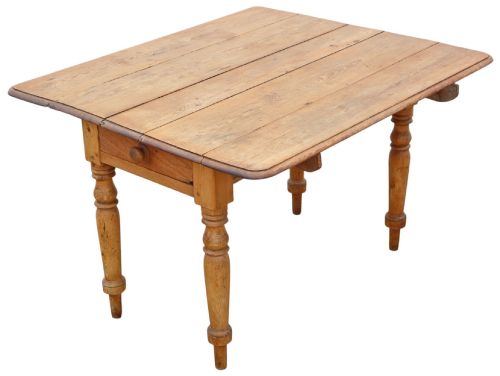
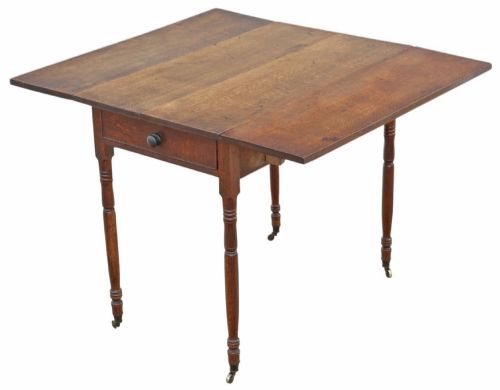
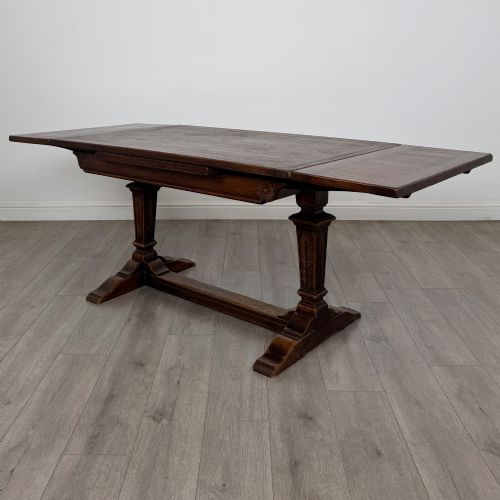
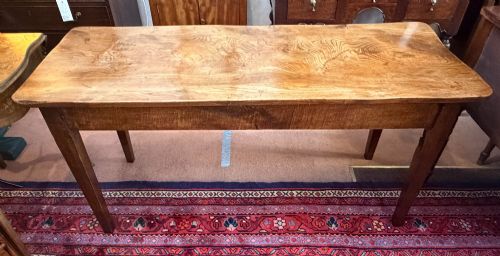
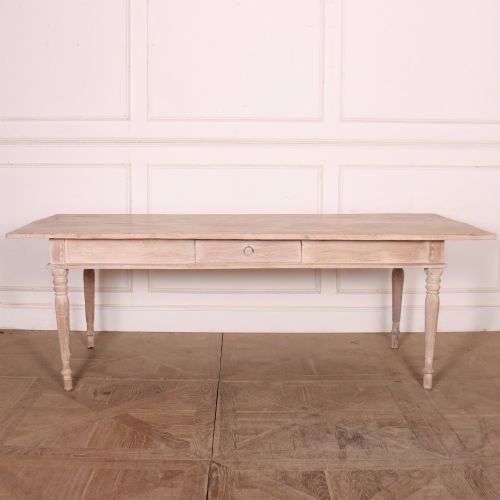
Most examples take the form of heavy refectory tables, farmhouse boards with end drawers, or clever extending designs like draw-leaf and drop-leaf variants. Oak and pine dominate the surviving stock, often paired with elm, fruitwood or beech for legs and structural framing.
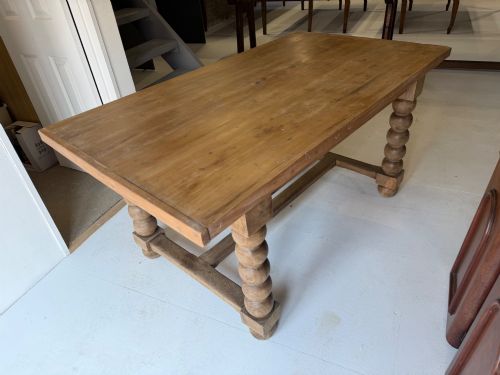
Origins stretch across English country houses, French provincial farmhouses, and regional workshops, bringing varied leg styles from tapered and bobbin turns to shaped trestle ends. These tables served as the literal foundation of domestic life, handling food preparation alongside communal dining.
How they were made
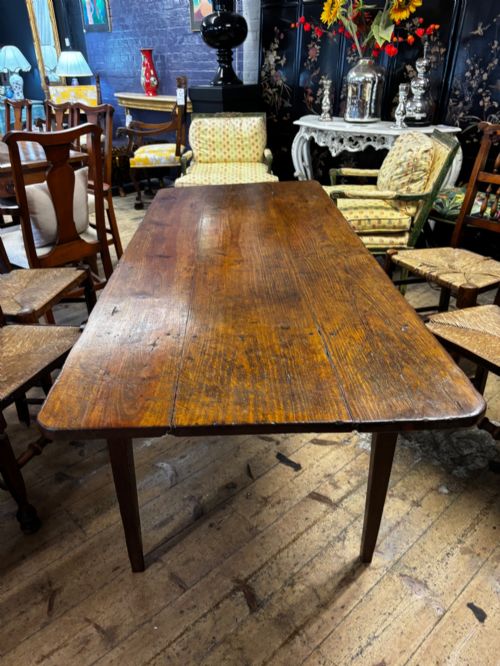
Joiners relied on solid domestic hardwoods and softwoods, selecting heavy oak, resilient elm, and flexible fruitwood for framing alongside durable pitch pine and deal for expansive table tops. Timber was chosen for density and straight grain, ensuring the heavy planks could withstand centuries of scrubbing and daily weight.
Construction methods prioritised rigid framing through pegged mortise and tenon joints, dovetailing for integrated drawers, and substantial stretcher bases to prevent lateral sway. Folding mechanisms on drop-leaf and gateleg versions utilised sturdy wooden hinges and brass pivots that remain functional today.
Surfaces were finished simply through generations of scrubbing, natural waxing, or occasionally early painted finishes, allowing the timber to develop a deep patina through use rather than applied varnish.
Several listings note integrated drawers specifically designed for stashing away kitchen linens and crumbs after a hearty meal.
What varies in quality
Originality of components defines the upper tier of survivals, including untouched timber surfaces, retaining original drawers, integrated extending mechanisms, and period-correct hardware such as brass pulls.
Proportion and scale dictate desirability, where balanced leg clearances, thoughtful stretcher placement, and comfortable seating heights distinguish bespoke maker output from mass-produced institutional tables.
The Antique Kitchen Dining Table Glossary
- Refectory table
- A long, narrow dining table originally designed for monastic dining halls, characterised by substantial length and structural stretchers.
- Draw-leaf table
- An extending table featuring two concealed leaves beneath the main top that pull out from either end to increase surface area.
- Scrub top
- A bare wooden table top designed to be vigorously scrubbed clean with soap and water after food preparation.
- Pembroke table
- A small drop-leaf table with hinged flaps on either side, often featuring a single working drawer.
- Bobbin leg
- A turned furniture leg shaped to resemble a string of beads or bobbins, popular in seventeenth-century and revival furniture.
- Pitch pine
- A durable, resinous pine variety native to North America and frequently utilised for heavy nineteenth-century table tops.
Antique Kitchen Dining Table: Frequently Asked Questions
How do I care for an antique wooden table?
Clean surfaces regularly with a damp cloth and dry immediately, avoiding harsh chemical sprays that strip natural wax finishes. Apply a traditional beeswax periodically to nourish the dry timber and maintain its protective sheen.
Keep the table away from direct heat sources and drastic humidity shifts to prevent the solid planks from splitting or warping over time.
Can I use an antique table daily?
These tables were built specifically for demanding daily tasks, food preparation, and large gatherings, making them exceptionally well-suited for modern family life. Their robust construction handles heavy everyday use without concern.
Using placemats and coasters helps protect historic timber surfaces from hot dishes and moisture rings while you enjoy them daily.
How do I identify a refectory table?
Look for a long, narrow proportion supported by sturdy legs connected near the floor by a continuous horizontal wooden stretcher. This low bracing provides the essential rigidity needed for extra-long seating arrangements.
Refectory forms typically seat six to eight guests comfortably along their lengthy flanks rather than at the ends.