


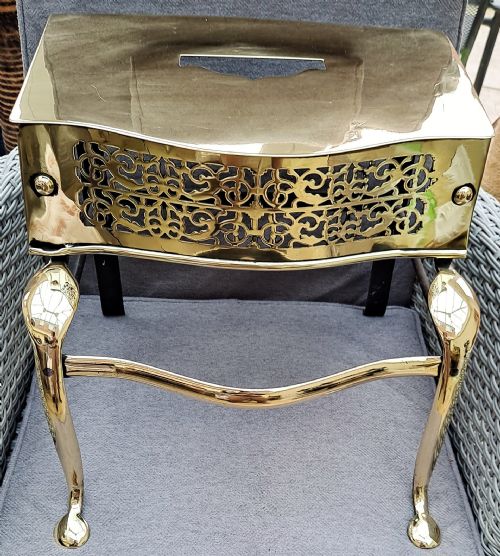

Antique Kettle Trivet
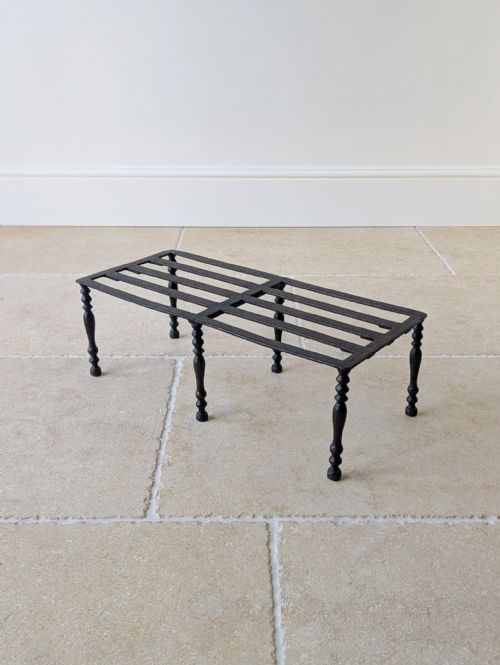
An antique kettle trivet is a practical fireside hearth stand used to heat water or keep pots warm, combining solid utility with period craftsmanship.
Antique Kettle Trivet
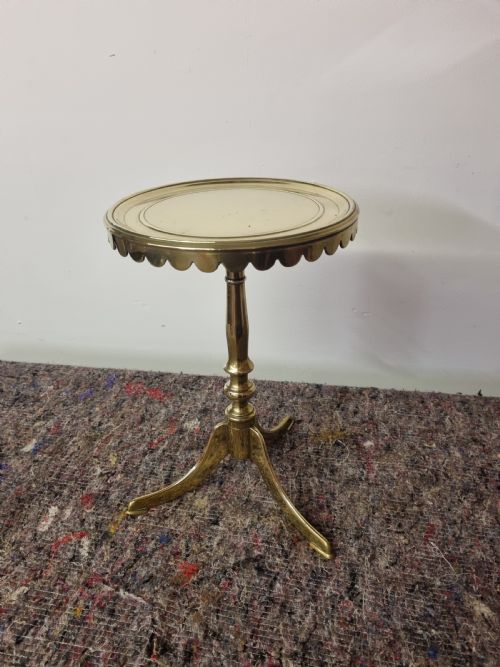
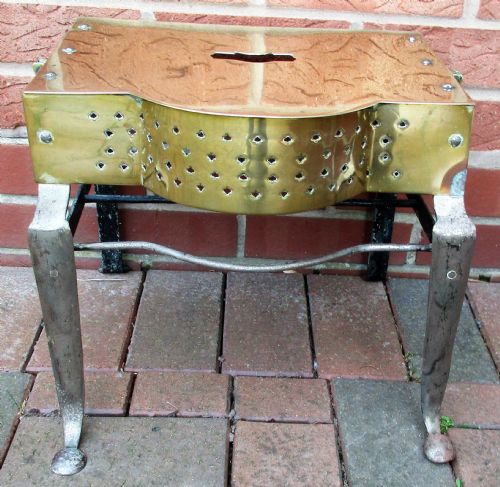
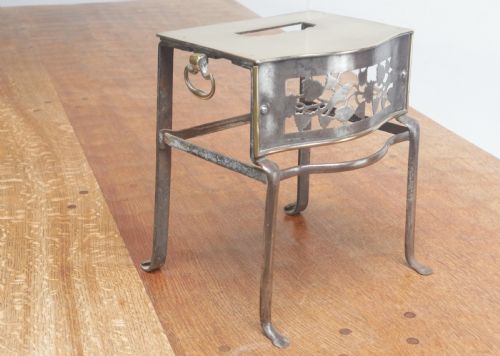
When buyers search for an antique kettle trivet, they encounter practical hearth accessories designed to stand near an open fire to hold kettles and warming plates. These pieces form part of a broader category of fireside and hearth equipment that includes footmen and stands.
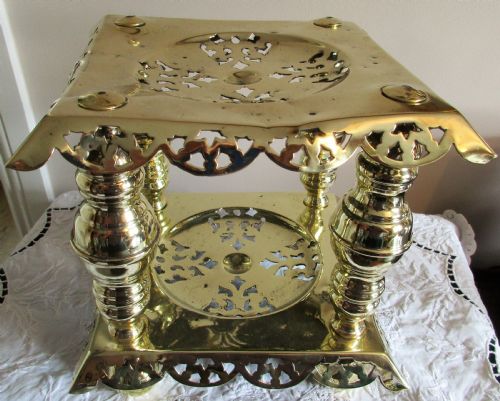
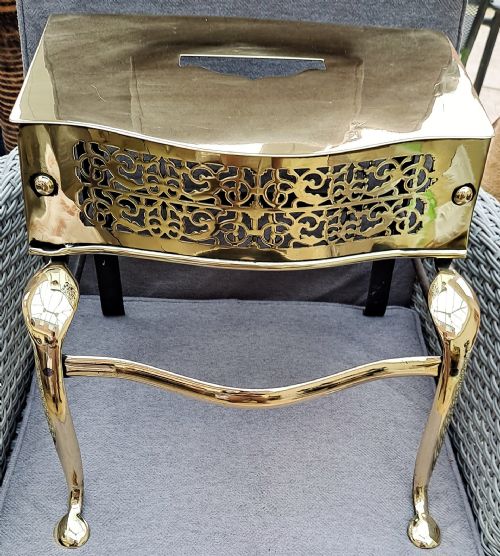
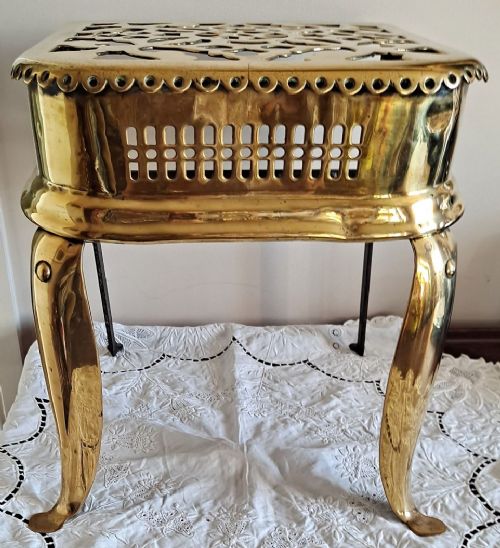
The selections available here span the Georgian, Victorian, and Edwardian periods, stretching back to the eighteenth century. Forms range from compact single-tier brass stands to large two-tier kettle stands and substantial wrought iron footmen with cabriole legs.
Origin details in the evidence point to English country-house workshops, Welsh makers, and traditional Dutch designs. Buyers most frequently meet brass and steel combinations alongside cast brass items intended for daily kitchen and parlour use.
How they were made
The evidence records heavy reliance on brass, steel, wrought iron, and cast brass, often combined within a single footman to balance heat resistance with decorative polish. Wood appears occasionally, notably in mahogany components associated with specific stand designs.
Makers utilised casting techniques for shaped brass plates and joined wrought iron or steel frames to bear the weight of heavy hearth kettles. Construction methods focused entirely on durability beside coal and wood fires.
Listings feature items spanning the 18th Century, Georgian, Regency, Victorian, Edwardian, and 1900 periods.
What varies in quality
Quality rests in the substance of the metalwork, distinguishing heavy cast brass and solid wrought iron from lighter, utilitarian alternatives. Substantial weight and thick gauge materials separate standard items from the finest examples.
Design complexity also drives distinction, moving from plain steel frames to elaborate Georgian cabriole legs and multi-tiered structures. Superior pieces display crisp casting detail and careful assembly at structural joints.
The Antique Kettle Trivet Glossary
- Footman
- A metal stand placed before a fireplace to support kettles or warm plates. These sturdy items typically feature four legs and a flat top plate.
- Trivet
- A small support elevated on feet, designed to hold hot vessels near the hearth. Versions in the evidence include both simple stands and tiered kettle holders.
- Inglenook
- The recess surrounding a large fireplace where hearth accessories sat. Items built for this space needed to withstand intense radiant heat.
- Cabriole leg
- A curved furniture leg inspired by animal limbs, found on select porter stools and hearth stands. This shape adds ornamental elegance to functional ironwork.
Antique Kettle Trivet: Frequently Asked Questions
What is an antique kettle trivet used for?
These pieces served beside open coal or wood fires to hold heavy kettles and keep water warm for tea or domestic tasks. They sat directly on the hearth or inside the inglenook.
Over time their role shifted from active kitchen equipment to decorative fireside display pieces that retain their original structural form.
Where were these trivets made?
The evidence points primarily to English workshops, alongside specific regional pieces from Wales and traditional Dutch designs. English country-houses produced many of the durable brass and steel footmen seen today.
Regional differences appear in the decorative piercing of the top plates and the selection of materials such as wrought iron versus cast brass.
How do I clean an antique brass trivet?
Maintenance depends entirely on preserving the natural ageing and historic patina accumulated across centuries of fireside use. Aggressive chemical polishing removes the surface character valued by collectors.
Gentle dusting and occasional light cleaning maintain the stability of the metal without erasing the physical signs of its age and origin.