

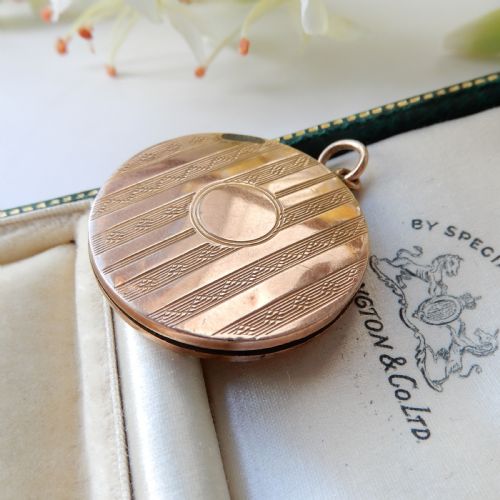


Antique Keepsake Locket
An antique keepsake locket holds a miniature portrait or hair beneath glass, offering a tangible connection to the past.
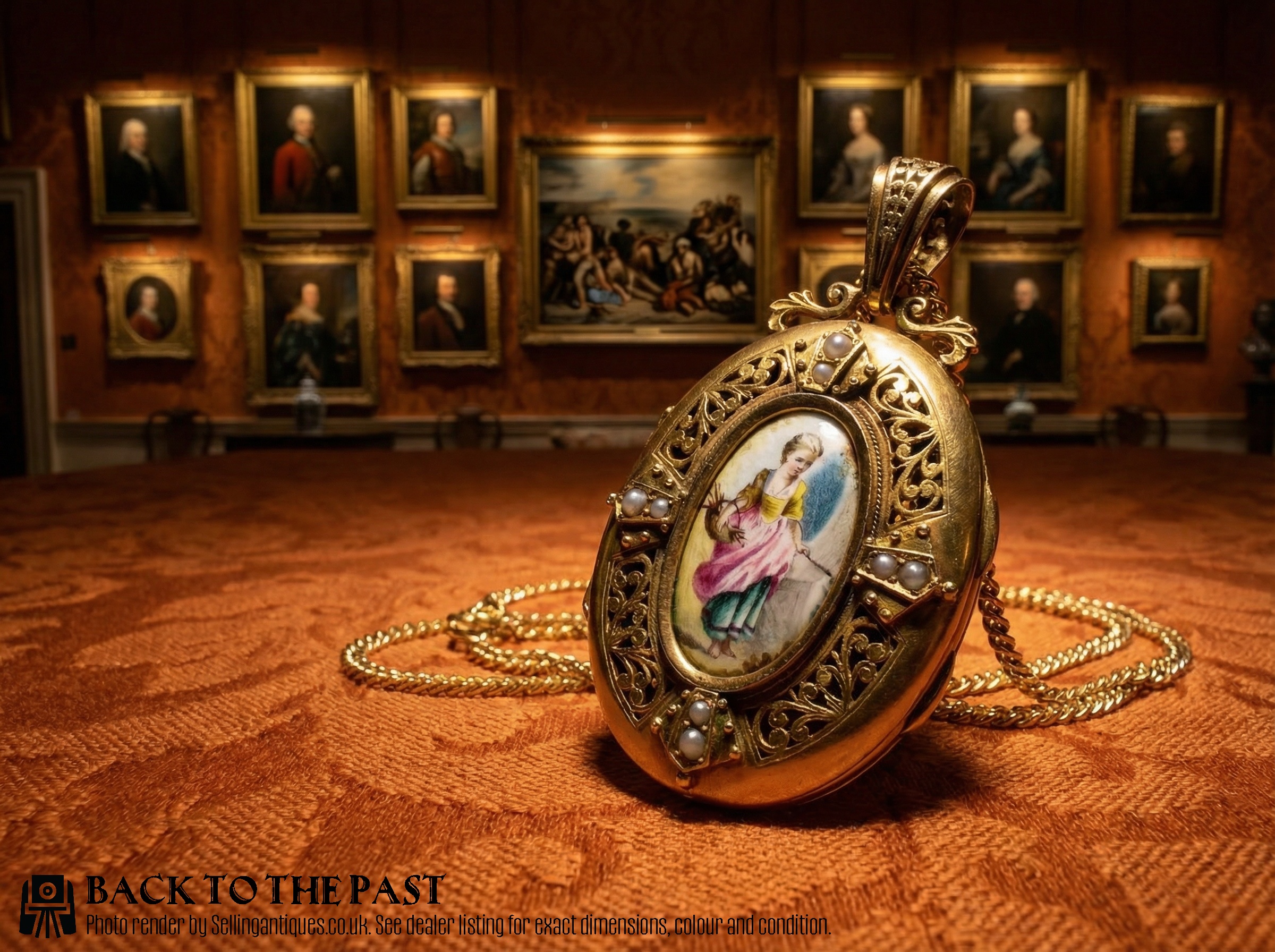
Antique Keepsake Locket
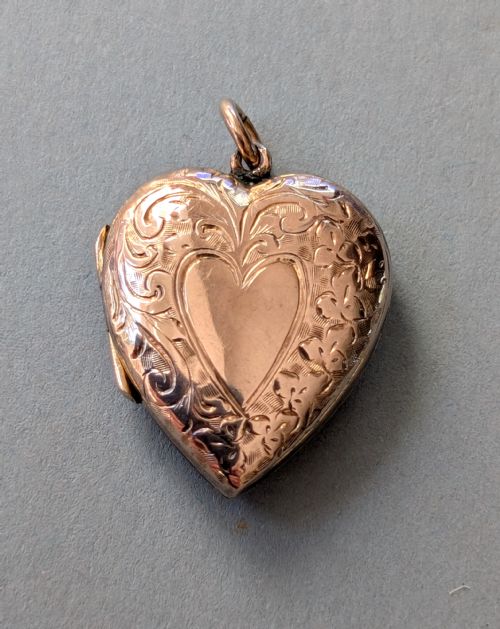
An antique keepsake locket functions primarily as a personal pendant worn close to the body, designed to hold small photographs, locks of hair, or miniature paintings. Buyers search for this phrase to find hinged pieces meant for sentimental preservation, often shaped as hearts, ovals, or rounds.
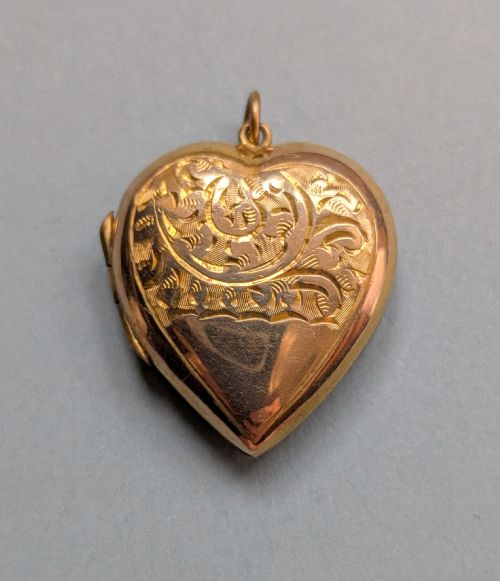
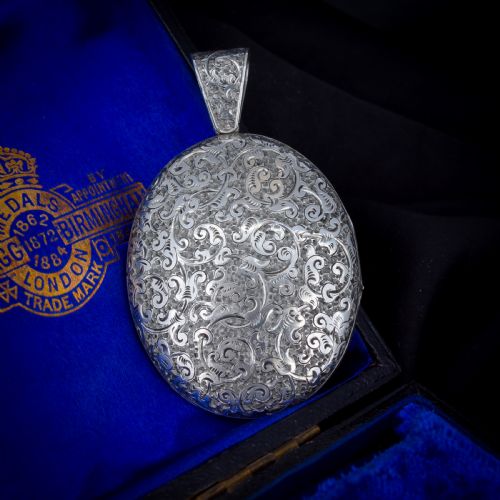
The pieces appearing most frequently across this selection belong to the Victorian and Edwardian periods, alongside Georgian examples. These items often manifest as sterling silver or gold lockets, sometimes constructed with a gold back and front technique.
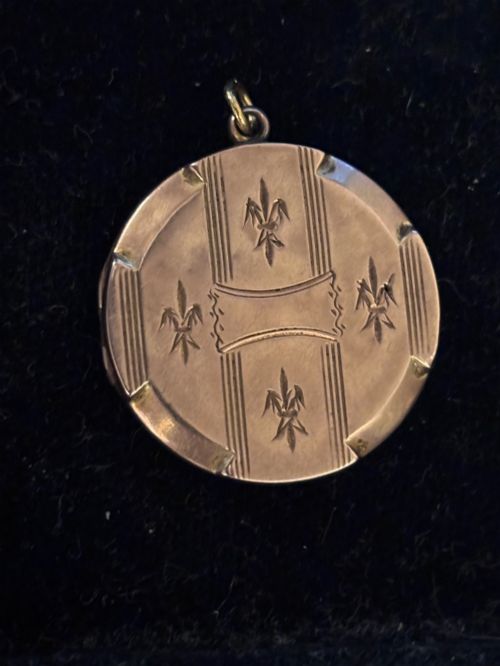
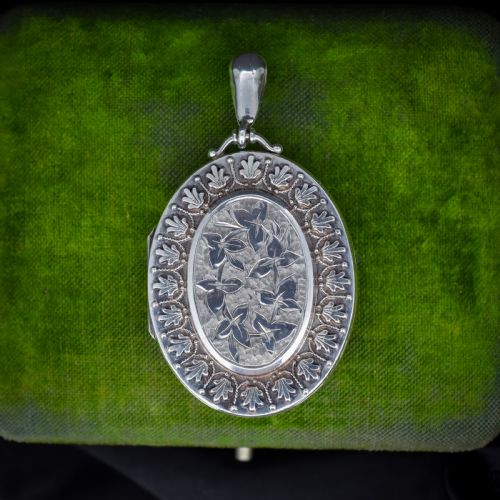
Makers utilised various forms including charm pendants, watch fobs, and book picture lockets suspended from chains. Surface decoration frequently incorporates hand engravings such as ivy, swallows, flower baskets, and engine-turned geometric patterns.
How They Were Made
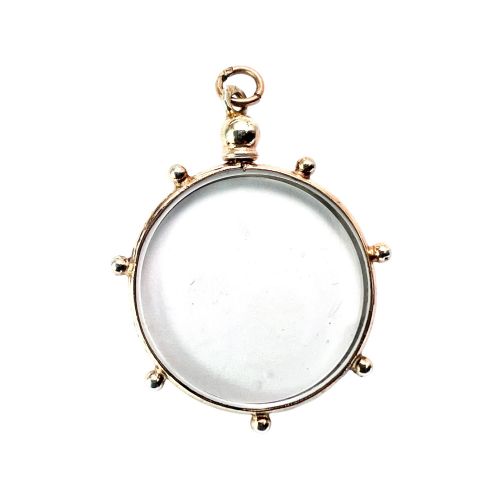
Craftsmen built these items using precious metals such as sterling silver, solid gold in varying purities like 9ct, 15ct, and 18ct, and gold on silver combinations. Structural integrity relied on secure hinge mechanisms and glass compartments designed to protect internal photographs or woven hair.
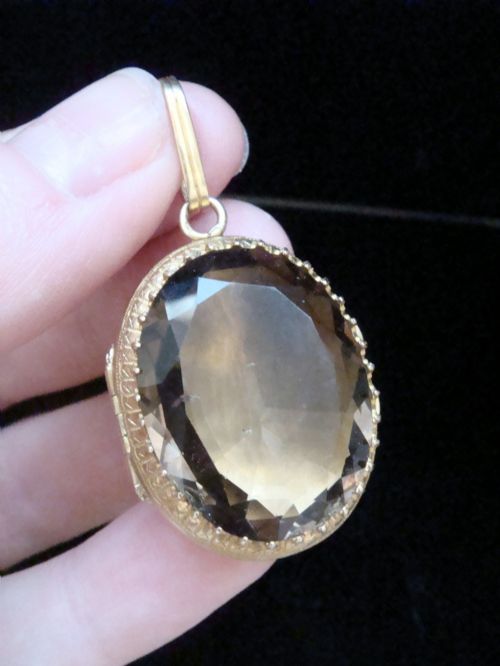
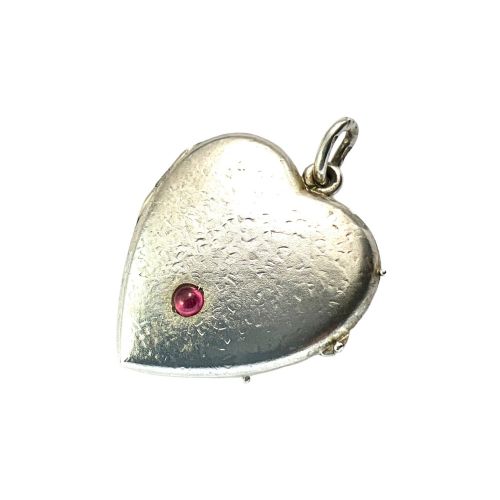
Surface enrichment involved hand chasing, floral engraving, and engine-turning, which created repetitive geometric textures on the metal. Gemstones including diamonds, rubies, sapphires, turquoises, pearls, garnets, and citrines were flush set or applied to highlight specific motifs like forget-me-nots.
The inventory records pieces from the Georgian, Victorian, and Edwardian eras, utilising sterling silver, 9ct, 15ct, and 18ct gold.
What Varies in Quality
Construction methods dictate durability, distinguishing solid gold or heavy sterling silver items from lighter alternatives utilising gold back and front techniques. The precision of the hinge mechanism and the tightness of the snap closure indicate the original workshop standard.
Artistic execution in the hand engraving, engine-turned detailing, and the selection of gemstones separate standard production from finer examples. Pieces incorporating miniature painted portraits or substantial old-cut diamonds demonstrate superior craftsmanship.
B & F
The Antique Keepsake Locket Glossary
- Gold back and front
- A manufacturing technique where the exterior visible surfaces consist of solid gold while the interior core uses a base metal or lower cost alloy. This method provided the appearance and wear resistance of solid gold at a reduced weight.
- Engine-turned
- A decorative geometric pattern mechanically etched into the metal surface using a lathe. This technique produced precise, repetitive textures common on Georgian and Victorian pieces.
- Mourning locket
- A piece created to commemorate a deceased person, frequently containing human hair arranged behind glass or a photograph. These items served as tangible reminders of departed loved ones.
- Watch fob
- A small ornament attached to a pocket watch ribbon or chain that could double as a compartment pendant. These items often shared identical construction methods with standard lockets.
Antique Keepsake Locket: Frequently Asked Questions
How do I open an old locket?
Opening an older locket requires locating the small thumbnail notch or side seam where the two hinged halves meet. Gentle pressure applied with a fingernail or a thin tool usually releases the snap closure.
Because hinges and catches on antique pieces can be delicate due to age, forcing the mechanism should be avoided to prevent structural damage.
Can I put a modern photo inside?
Modern photographs can be fitted inside these pieces by carefully trimming the paper print to match the internal bezel shape. Many historical examples retain their original glass covers, which hold the image in place.
Care must be taken when inserting new materials so that fragile interior rims or glass inserts are not subjected to undue pressure.
What does gold back and front mean?
Gold back and front indicates that the exterior face and back plates of the item are made of gold, while the internal framing or core utilises a different metal. This technique reduced the overall weight and production cost while maintaining a gold appearance on the exterior.
Pieces bearing this description appeared frequently in the Victorian and Edwardian periods as an accessible alternative to solid gold construction.