





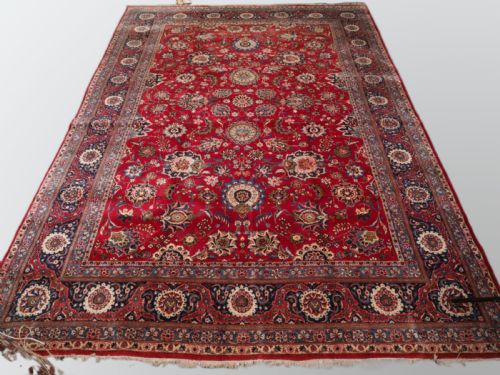

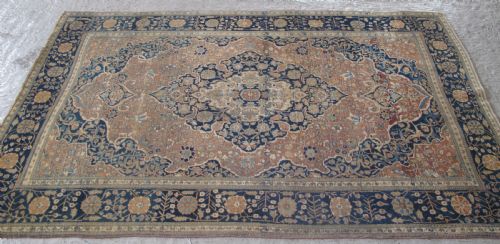


Antique Kashan Floor Carpet
These antique kashan floor carpet pieces bring deep Persian artistry into a room, offering rich floral motifs and historic textile craft.
Antique Kashan Floor Carpet
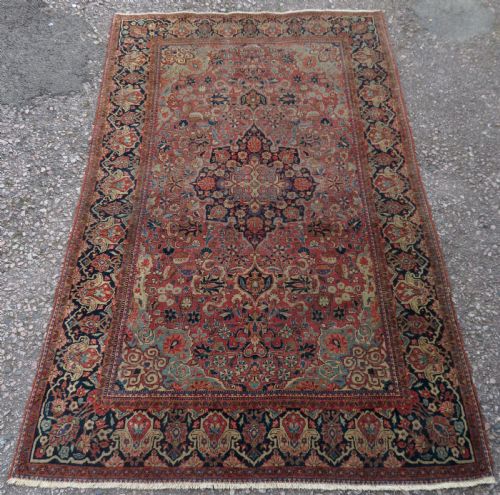
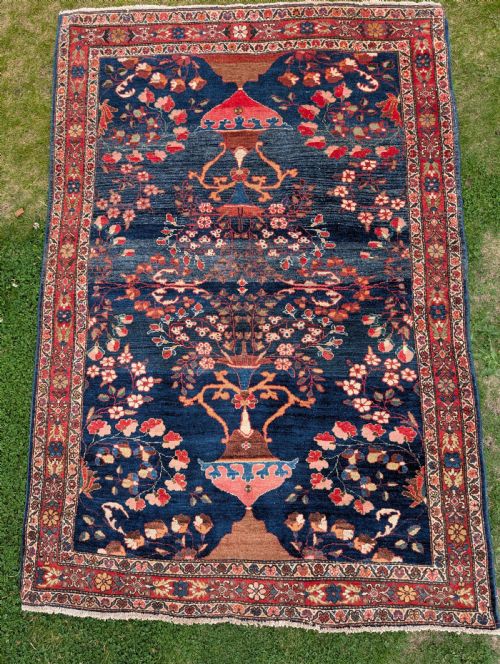
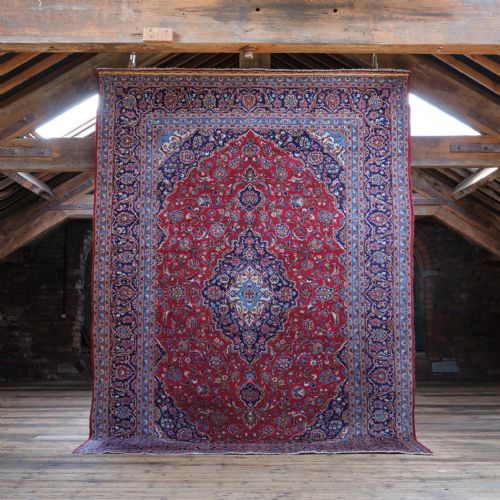
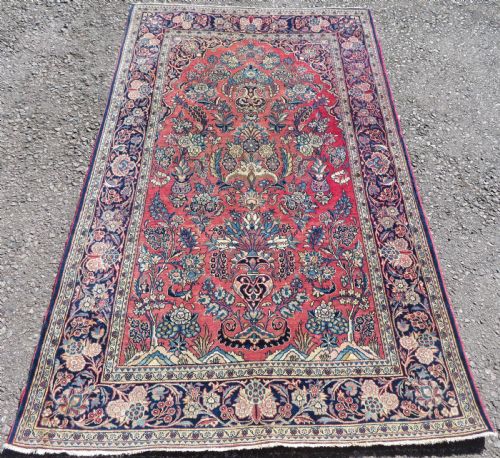
An antique kashan floor carpet stands as a central pillar of Persian textile artistry, prized for intricate floral designs, medallion layouts, and prayer formats originating from central Persia. Buyers searching for an antique kashan floor carpet encounter diverse formats spanning smaller area rugs, expansive woollen carpets, and grand palace dimensions.
The selections on this page bridge the late nineteenth century and the early decades of the twentieth century, including Edwardian era examples. Pieces range from intimate prayer rugs featuring floral vase designs to huge carpets with red ground colourations and all-over patterns.
Origin variations include traditional Persian weaving alongside regional interpretations such as Indo-Persian pieces and specific workshops. Buyers often meet classic woollen structures alongside part-silk compositions and exceptionally soft kork wool creations.
Distinctions in quality
Quality rests primarily in the density of the hand-knotting and the fineness of the materials utilised, separating standard room-size rugs from master workshop productions. Finer knot counts permit sharper definition in intricate floral vase motifs and complex central medallions.
The selection of fleece determines the handle and visual depth of the pile, with fine kork wool and silk additions yielding superior tactile softness and lustrous light reflection. Workshop attribution also plays a role, as historic master weavers achieve exceptional precision in symmetry and palette balance.
Antique Kashan Floor Carpet Retail Price Guide 2026
Typical asking prices for kashan floor carpet among the pieces listed under this phrase on Sellingantiques today, from the lower quarter to the upper quarter. They describe what is for sale here now, not the wider market.
Listings feature pieces spanning from the late nineteenth century through the Edwardian era up to the nineteen-forties, constructed from cotton, wool, silk, and kork wool.
Mohtasham Kashan·Mokhtashem Keshan·Haroon Kashan
The Antique Kashan Floor Carpet Glossary
- Kashan
- A historic city in central Persia renowned for master textile production and sophisticated floral rug designs. These pieces often feature central medallions and elaborate corner brackets.
- Kork wool
- High-grade fleece gathered from the neck and shoulders of sheep, prized for natural lanolin content and exceptional softness. It allows weavers to achieve remarkably fine knot density.
- Prayer rug
- A format characterised by a mihrab or niche design, historically utilised for daily devotions. These compositions frequently incorporate floral vase motifs.
- Hand-knotted
- A construction method where individual strands of wool or silk are tied by hand onto a cotton warp and weft foundation. This meticulous process defines genuine antique carpet making.
- Medallion
- A central ornamental design motif placed in the field of a carpet, serving as the focal point of the composition. It is often surrounded by trailing floral vines.
Antique Kashan Floor Carpet: Frequently Asked Questions
How do I style an antique kashan floor carpet?
Place the carpet centrally in a living room or study to let the rich red ground and floral motifs anchor the spatial design.
Ensure surrounding furniture frames the central medallion rather than obscuring the detailed border work.
What is the difference between wool and silk carpets?
Wool carpets provide durable structure and a resilient pile suitable for everyday floor placement in high-traffic areas.
Silk additions offer a brilliant surface sheen and delicate handle, typically reserved for finer, decorative display pieces.
How do I date an antique kashan floor carpet?
Examine the construction materials, knot density, and natural dye variations to determine the approximate period of origin.
Compare the specific floral drawing style and border arrangement against documented examples from the nineteenth and early twentieth centuries.