
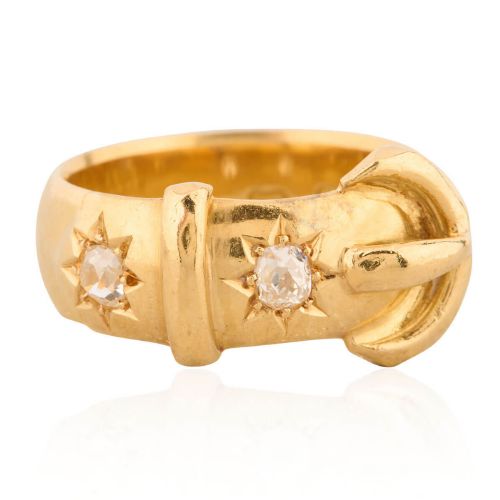


Antique Jewellery Buckle
These antique jewellery buckle pieces span centuries of fastening design, offering wearable history crafted in gold, silver, and paste.
Antique Jewellery Buckle
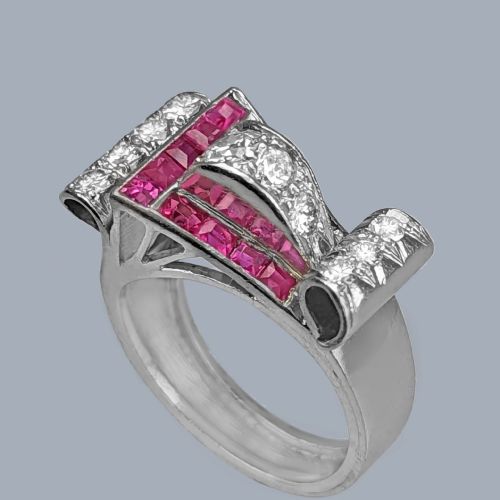
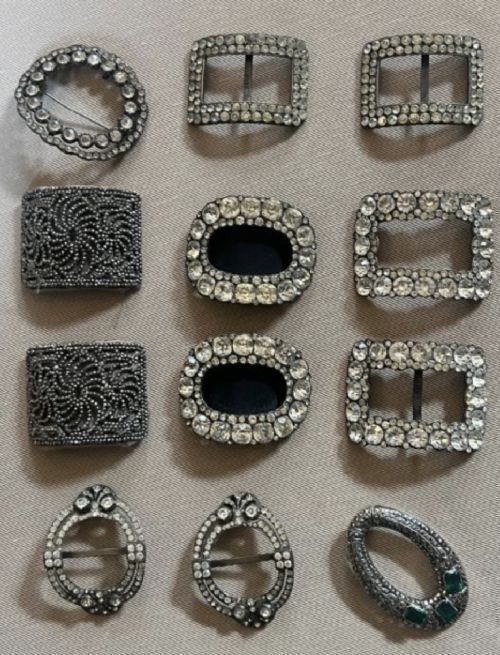
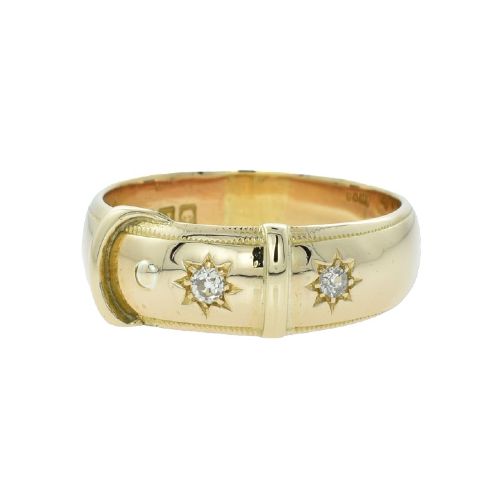
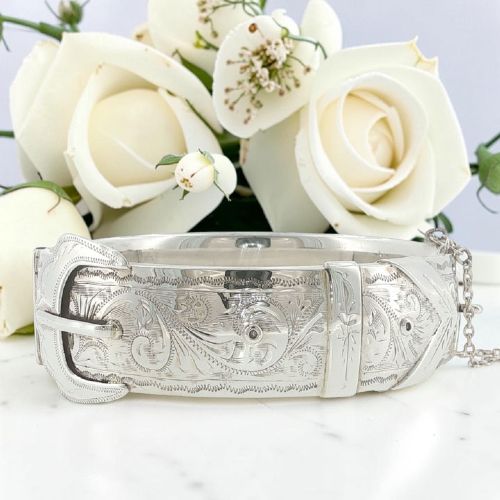
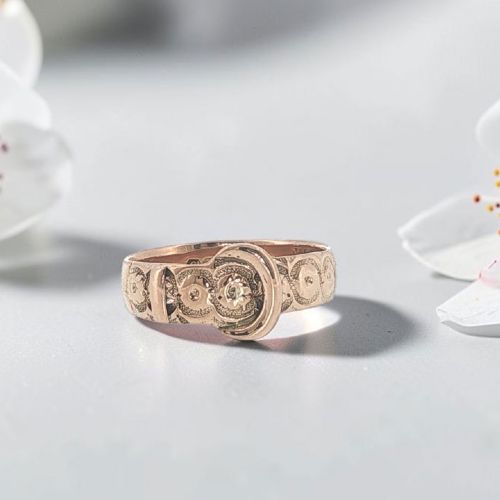
An antique jewellery buckle brings together utility and ornament, appearing across ring, brooch, and belt fastening forms. When exploring an antique jewellery buckle, you encounter everything from Georgian shoe fasteners to Victorian gold rings shaped to mimic clasps.
The material record ranges from sterling silver and platinum to 18ct gold, often enhanced with diamonds, paste glass, turquoise, or enamel. These items emerge from periods including the Georgian, Victorian, Edwardian, and Art Deco eras.
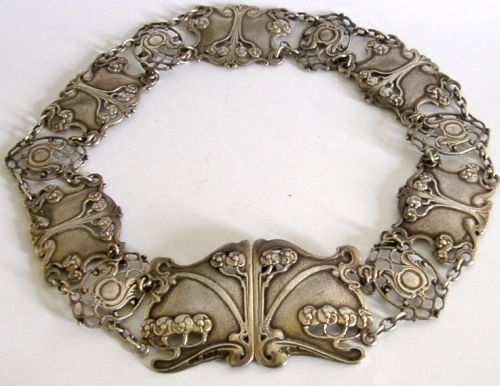
Belt buckles and rings form the most common versions on this page, alongside shoe buckles and converted brooches. Styles stretch from Renaissance Revival and Arts & Crafts to Art Nouveau and Austro-Hungarian designs.
Materials and construction methods
Metals such as 18ct yellow and rose gold, sterling silver, and platinum provide the structural foundation for these items. Goldsmiths and silversmiths utilised casting, filigree work, and hand-engraving to shape the precious metals.
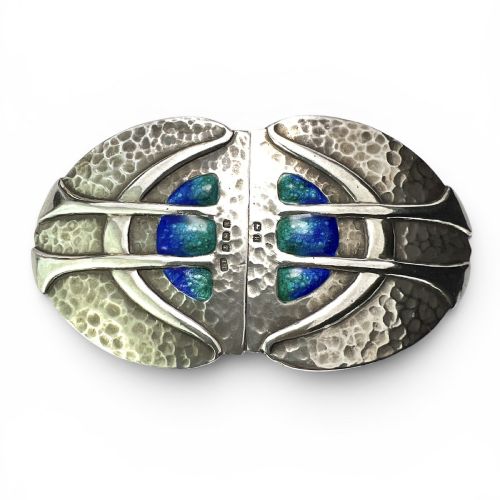
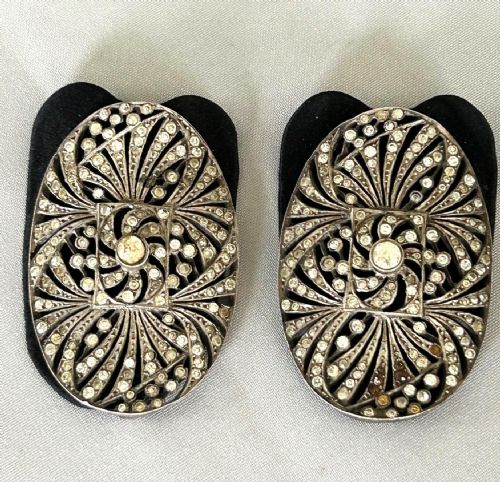
Gemstones including old cut diamonds, garnets, and turquoise are frequently set using claw or collet settings. Enamel work and paste glass add colour and brilliance, particularly in Edwardian and Art Nouveau examples.
Listings feature items spanning the 18th Century, Georgian, Victorian, Edwardian, Art Nouveau, Art Deco, and 1940s periods in silver, gold, and platinum.
Judging quality in fastener jewellery
The standard of hand-finishing determines the division between standard production and superior work. Crisp detail in the engraving and secure stone settings indicate a higher grade of craftsmanship.
The integrity of the mechanism or band structure remains vital, alongside the retention of original enamel or undamaged paste stones. Maker marks and clear hallmarks further elevate a piece by confirming its origin and date.
James Fenton·Henry Matthews·William Griffiths and Son·Piel Freres·Peter Behrens for Osiris
The Antique Jewellery Buckle Glossary
- Paste glass
- Hand-cut glass used to imitate gemstones in Georgian and Victorian pieces. It is set into silver or metal mounts with high refractive quality.
- Old cut diamond
- A hand-faceted diamond shape common in antique jewellery before the invention of modern brilliant cuts. These stones feature smaller tables and larger culets.
- Filigree
- Delicate jewellery-making technique using fine threads of gold or silver soldered together in openwork patterns. It appears frequently in antique shoe buckles and regional metalwork.
- Telkari
- Traditional wirework filigree technique associated with regional silver belt production. It involves twisting fine metal threads into intricate decorative motifs.
- Hallmark
- Official stamp applied by an assay office to indicate metal purity and origin. British pieces often display maker initials alongside date letters.
Antique Jewellery Buckle: Frequently Asked Questions
How are shoe buckles worn today?
Georgian and 18th-century shoe buckles were originally designed to clip onto buckled shoes using a steel prong and fitting on the reverse.
Today, collectors often adapt them or display them as decorative objects, though some historic pairs can still be mounted onto modern evening shoes.
What periods do these pieces date from?
The pieces span several centuries, beginning with 18th-century Georgian shoe buckles and white jade belt pieces.
Later examples move through Victorian, Edwardian, and Art Deco periods right up to mid-20th-century retro platinum designs.
Are these items made of solid gold?
Many pieces on this page are fashioned from solid precious metals, including 18ct gold, 15ct gold, and sterling silver.
Other examples utilise silver gilt, gilded metal, or specialised regional techniques like Straits Chinese gilt silver.