



Antique Japanese Wooden Carving
These antique japanese wooden carving examples bring together intricate miniature sculptures, furniture, and folk art created across the Meiji and Edo periods.
Antique Japanese Wooden Carving
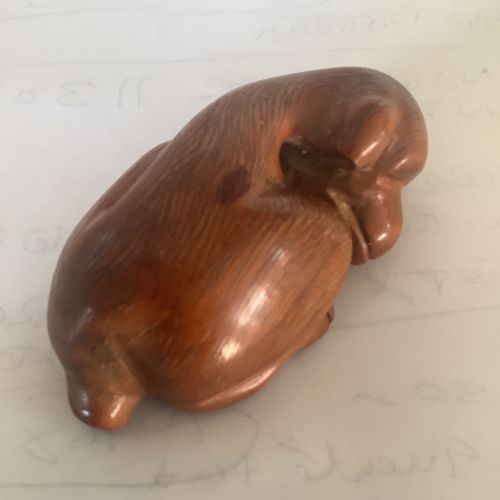
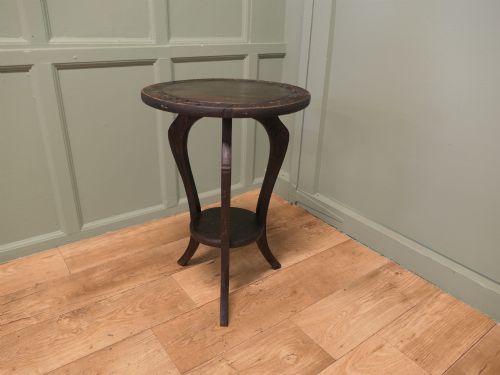
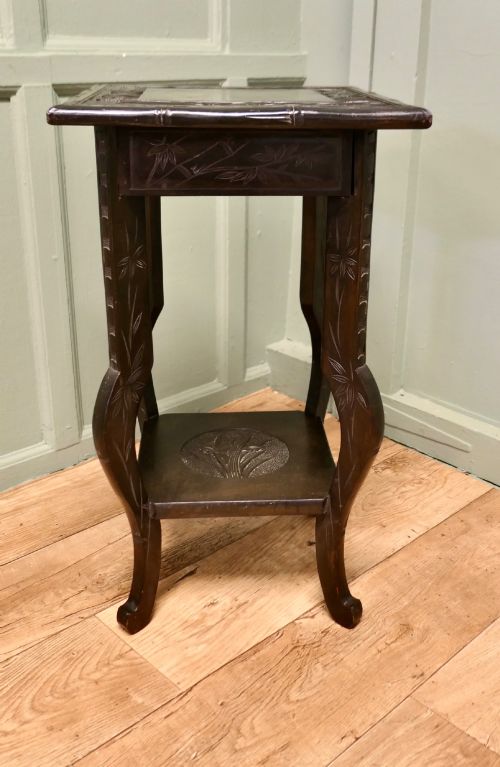
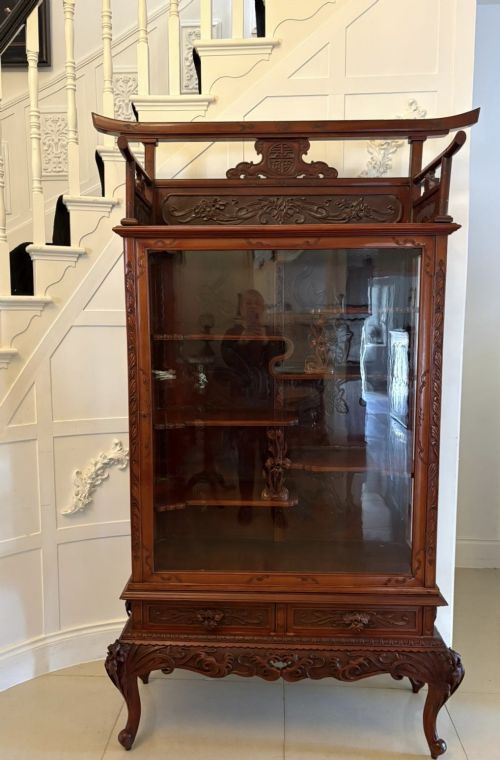
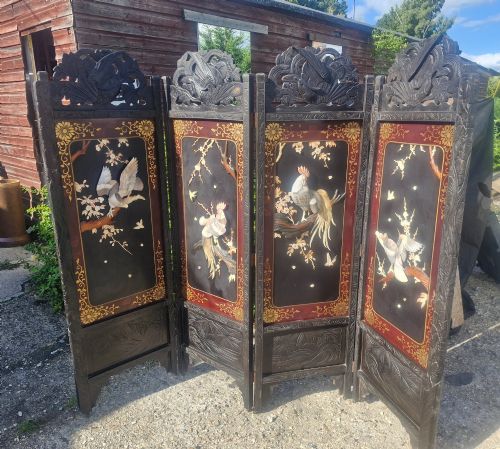
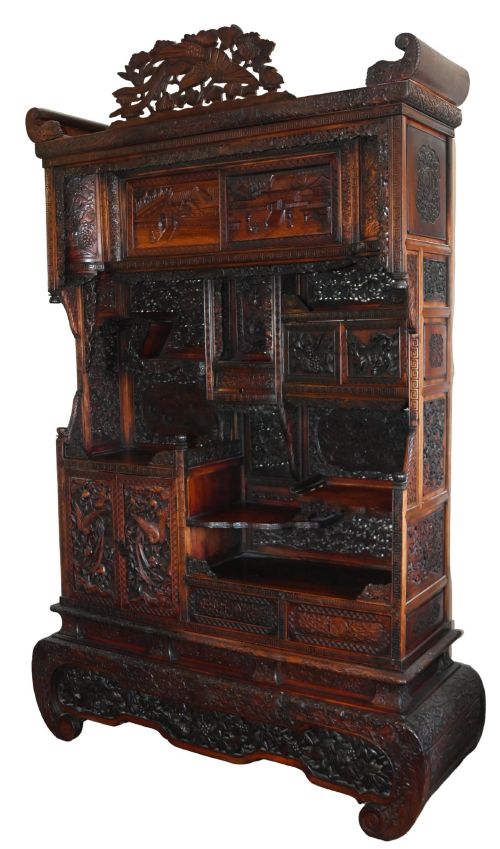
An antique japanese wooden carving encompasses diverse forms ranging from diminutive boxwood netsuke and okimono figures to larger architectural elements, folding screens, and decorative furniture.
The selections span several distinct eras, notably the Meiji and Edo periods, alongside later works influenced by Arts and Crafts and Aesthetic Movement sensibilities.
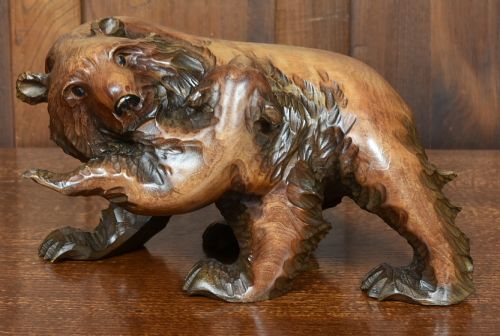
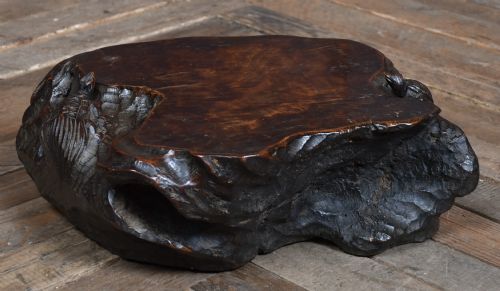
Buyers encounter traditional animal subjects such as bears, dogs, and toads alongside human figures, deities, and plant motifs rooted in Japanese craftsmanship.
Materials and Technique
The pieces rely heavily on dense woods such as boxwood, hardwood, cedar, and linden wood, which allow carvers to achieve microscopic detail in miniature forms like netsuke.
Surface treatments frequently incorporate traditional lacquering techniques, deep relief carving, and natural grain finishes that highlight the tactile qualities of the timber.
Antique Japanese Wooden Carving Retail Price Guide 2026
Typical asking prices for japanese wooden carving among the pieces listed under this phrase on Sellingantiques today, from the lower quarter to the upper quarter. They describe what is for sale here now, not the wider market.
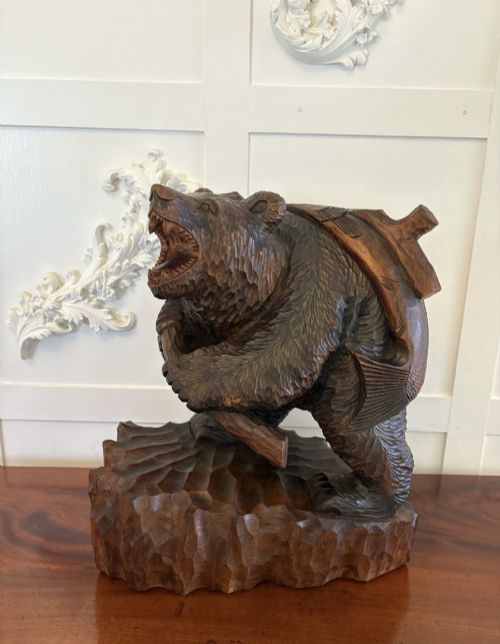
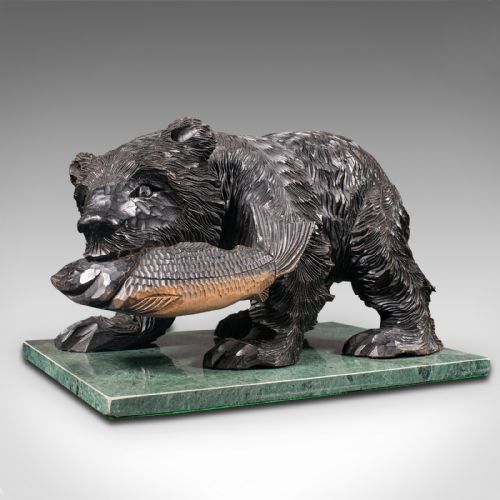
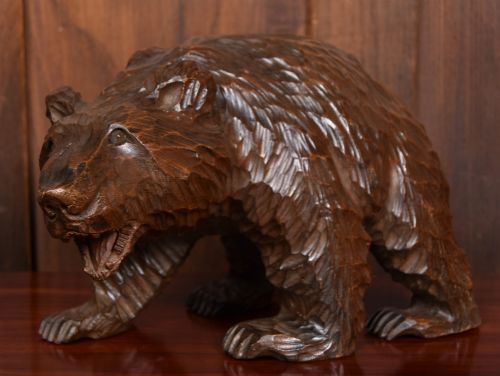
Wooden bears holding fish stare back from multiple centuries, proving that historic artisans also loved cheerful animal sculptures.
Distinction in Craft
The choice of medium plays a critical role, as fine-grained boxwood and carefully selected hardwoods permit crisper definition and greater longevity than coarse timbers.
Shuho Nakahara·Liberty and Co·Gabriel Viardot
The Antique Japanese Wooden Carving Glossary
- Netsuke
- A small carved toggle fastened to the end of a cord attached to a small container worn on the traditional Japanese kimono. These miniature toggles often depict animals or folklore.
- Okimono
- A standalone Japanese display sculpture designed for placement in a traditional alcove or room. They showcase detailed carving without practical utility.
- Kibori Kuma
- A style of carved wooden bear originating from Hokkaido, often depicted carrying fish. These folk art pieces are typically rendered in cedar or linden wood.
- Hibachi
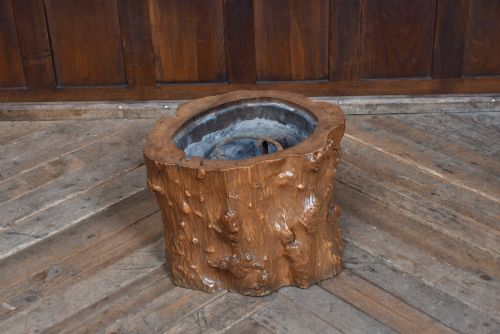
- A traditional Japanese heating device fashioned from wood and metal-lined interiors. Surviving examples often feature exterior timber panelling.
- Meiji Period
- The era in Japanese history spanning from 1868 to 1912, characterised by intense artistic production and increased export to Western markets.
Antique Japanese Wooden Carving: Frequently Asked Questions
What is a netsuke used for?
These miniature carved toggles served as practical fasteners to anchor personal pouches and containers to the sash of a kimono. Their clever perforations allowed silk cords to pass securely through the body of the sculpture.
Over time, they evolved from functional fasteners into highly collectable miniature artworks appreciated for their intricate detail and tactile qualities.
How do I identify Meiji period pieces?
Items from this era frequently exhibit a high degree of naturalism and technical mastery, driven by the opening of trade with Western markets. Look for refined boxwood carving and subjects that blend traditional folklore with meticulous anatomical observation.
Many works from this timeframe also bear signature panels or carver marks embedded directly into the timber base or underside.
Where were wooden bears made?
Carved wooden bears, known as kibori kuma, originated primarily in the northern region of Hokkaido. Local farmers and carvers produced these folk art sculptures during the winter months, often depicting the animals holding salmon.
These rustic pieces utilise native timbers such as linden and cedar, celebrating the rugged wildlife of the northern landscape.
How should I care for antique wood?
Maintain stable indoor humidity levels and keep wooden sculptures away from direct sunlight and heat sources to prevent cracking or warping. Gentle dusting with a dry, soft cloth is sufficient for routine maintenance.
Avoid applying modern polishes or oils, as historic finishes can react poorly to chemical treatments and alter the natural patina.