



Antique Japanese Tsuba
These antique Japanese tsuba are sword guards shaped by centuries of metalwork, offering collectors a direct tactile connection to samurai history.
Antique Japanese Tsuba
An antique Japanese tsuba is a sword guard designed to protect the hand during combat, serving as the central structural and artistic component of a Japanese sword mounting. When you search for antique Japanese tsuba, you are looking at metal guards that bridge functional edged weapons and highly refined decorative arts.
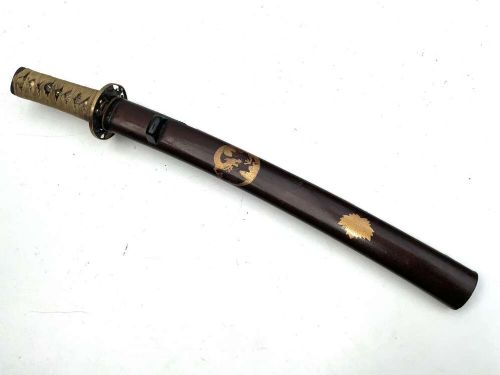
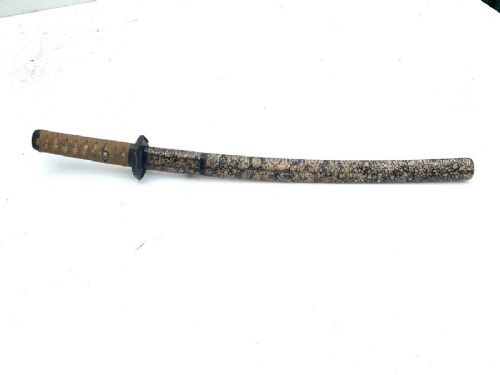
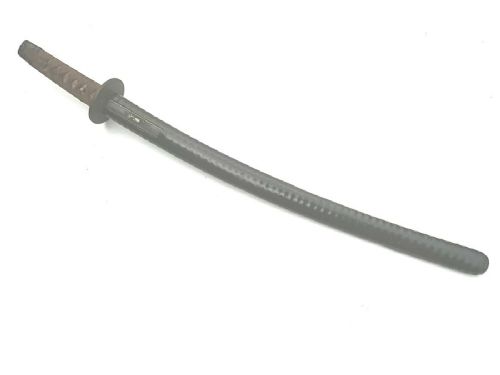
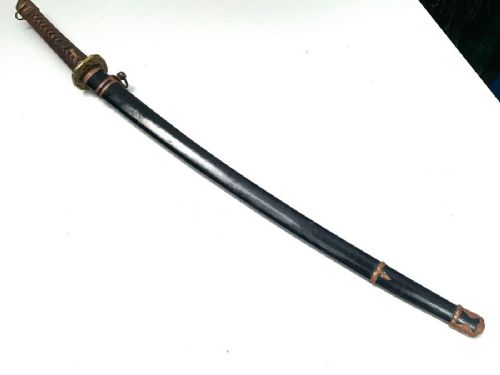
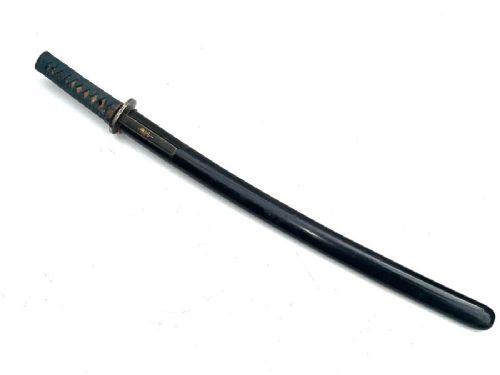
The pieces you are most likely to meet on this page hail primarily from the Edo period, alongside examples stretching from the Muromachi period through to the Showa period. They appear both as standalone guards and integrated into complete sword mountings such as wakizashi and tachi.
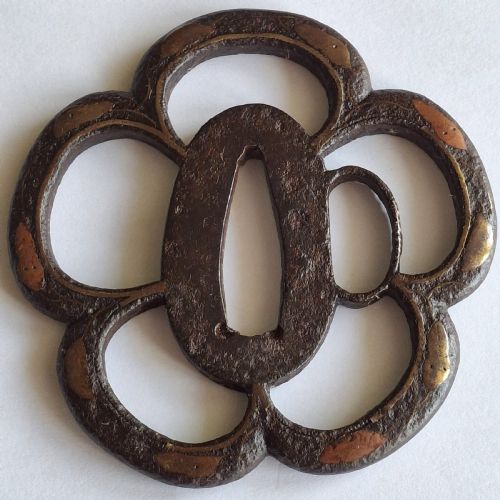
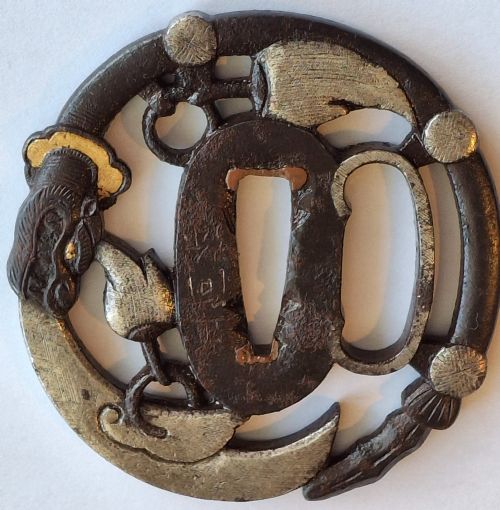
These guards display a remarkable variety of forms, from restrained iron circles to elaborate depictions of dragons and folklore. Each piece reflects the aesthetic priorities and martial requirements of its specific era, ranging from feudal craftsmanship to military service.
Materials and construction
Iron and steel form the foundational materials for the earliest and most traditional guards, forged to provide necessary strength and balance. Smiths shaped these metals before applying surface treatments, creating durable cores capable of withstanding physical stress.
Makers integrated contrasting metals such as copper, brass, and silver to create decorative inlays and high-relief designs. Lacquered wood and rayskin occasionally appear in related mountings, while specialised techniques like cloisonne enamel decorate later examples.
Guards occasionally depict legendary polearms and mythical pearl-chasing dragons frozen in iron.
Markers of distinction
The sophistication of the metalwork and the depth of relief carving separate standard pieces from exceptional examples. Skilled chiseling brings subjects like dragons and natural motifs to life with three-dimensional clarity.
Signatures left by makers indicate individual authorship and higher workshop standards. The harmonious integration of inlaid copper, silver, or bronze elements also signals superior craftsmanship and artistic ambition.
The Antique Japanese Tsuba Glossary
- Tsuba
- A sword guard placed between the blade and the grip of a Japanese sword. It protects the hand and balances the weapon.
- Wakizashi
- A traditional Japanese short sword carried by samurai. It often accompanies a longer katana or tachi in a pair.
- Tachi
- An early style of Japanese sword worn suspended edge-down from the waist. These weapons predate the standard katana mounting.
- Edo period
- A significant era in Japanese history spanning from the early seventeenth to the mid-nineteenth century. Much of the surviving metalwork originates from this stable era.
- Inlay
- A decorative technique where contrasting metals like copper or silver are embedded into the base material. This creates complex visual patterns across the surface of the guard.
Antique Japanese Tsuba: Frequently Asked Questions
What is a tsuba used for?
A tsuba functions primarily as a hand guard on a Japanese sword, preventing the user's hand from sliding forward onto the blade during a thrust. It also contributes to the overall balance and weight distribution of the weapon.
Beyond practical combat utility, the tsuba served as a canvas for artistic expression and social status among samurai. The design often reflected the wearer's aesthetic preferences or philosophical leanings.
How do I display a tsuba?
Displaying a tsuba typically involves dedicated stands that support the guard securely without causing physical stress to the metal. Many collectors use custom acrylic mounts or wooden display bases that highlight both sides of the piece.
Proper placement avoids direct sunlight and excessive humidity to protect metal surfaces and any inlaid materials from degradation. Adequate spacing allows for close appreciation of the carving and texture.
How do I tell periods apart?
Differentiating periods relies on examining the material composition, manufacturing techniques, and stylistic conventions present in the guard. Earlier Muromachi and Sengoku pieces tend toward austere iron utility, while Edo period examples frequently showcase elaborate inlays and narrative carving.
Twentieth-century Showa pieces often align with military production standards and specific armed forces requirements. Comparing the patination and smithing signatures helps narrow the timeframe of creation.
Are all tsuba signed?
Not all tsuba bear signatures, as many utilitarian or workshop pieces were produced without attribution to a specific smith. Unsigned guards still display high levels of craftsmanship and artistic merit.
Signed examples feature mei, or maker inscriptions, carved directly into the metal surface. These signatures require careful translation and context to verify the maker and period.